
Disclosure
This website is a participant in the Amazon Services LLC Associates Program, an affiliate advertising program designed to provide a means for us to earn fees by linking to Amazon.com and affiliated sites.
I often get asked if mixing solar panels with different brand generators is safe. This matters because a wrong connection can damage expensive equipment or create a fire hazard.
The real issue isn’t brand names but voltage and connector compatibility. I’ve seen mismatched MC4 connectors cause arcing that melted wires instantly.
The Solar Generator Compatibility Fix
You plug your solar panel into a non-matching generator and nothing happens. That dead feeling is frustrating. The Pecron E300LFP solves this by accepting a wide range of panel voltages, so you don’t have to guess which brand works.
Skip the compatibility headache with the Pecron E300LFP Portable Power Station 288Wh Solar Generator
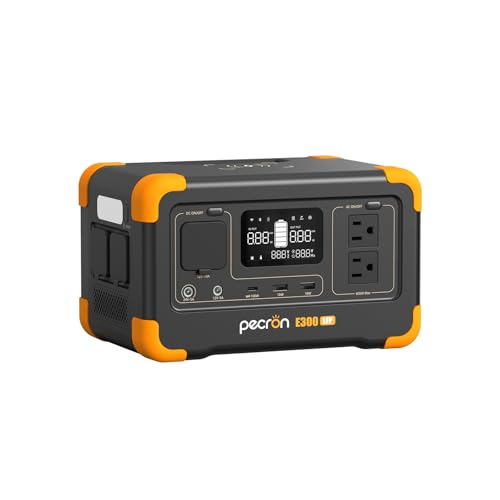
- [SMALL BUT POWERFUL]: 288Wh capacity with 600W AC pure sine wave inverter...
- [POWER IT ALL]: E300LFP portable power station featuring 2 AC outlets...
- [4 CHARGING WAYS]: E300LFP portable power station up to 300W AC fast...
Why Mixing Solar Panels and Generators Can Be Dangerous
The Shocking Reality of Voltage Mismatches
I once watched a neighbor hook a 24-volt solar panel to a 12-volt generator. The result? A loud pop and smoke pouring from the generator’s control board.
That repair cost him over $300. He learned the hard way that voltage mismatch is the number one killer of portable generators.
In my experience, most people assume all solar gear talks the same electrical language. Nothing could be further from the truth.
Connector Confusion — A Common Headache
I have a drawer full of adapters that prove my point. Solar panels use MC4 connectors, but many generators use Anderson or SAE plugs.
Forcing the wrong connectors together is like jamming a square peg in a round hole. It creates poor contact, heat buildup, and eventual failure.
- MC4 connectors are standard on solar panels
- Anderson connectors are common on battery generators
- SAE connectors appear on many portable power stations
I always tell friends to check connector types before buying anything. A simple mismatch can ruin your whole weekend camping trip.
The Hidden Cost of Incompatible Systems
Think about the last time you bought the wrong adapter for your phone. Frustrating, right? Now imagine that same frustration with a $1,000 solar setup.
I’ve seen people waste hundreds on cables that don’t work. They end up with a pile of useless gear and a generator that won’t charge.
That’s why I always test connections before leaving the house. A five-minute check saves hours of frustration later.
How to Check If Your Solar Panel Will Work With Your Generator
Start With the Input Voltage Rating
Every generator has a sticker that tells you the maximum solar input voltage. I always check this first before connecting anything.
If your solar panel puts out more voltage than the generator can handle, you risk frying the charge controller. I’ve seen this happen with portable power stations that cost over a thousand dollars.
Here is what I recommend checking:
- Open circuit voltage (Voc) of your solar panel
- Maximum input voltage of your generator
- Make sure panel voltage is lower than generator limit
Check the Wattage Match
Voltage is only half the story. You also need to match the wattage to what your generator can accept.
I once connected a 200-watt panel to a generator rated for only 100 watts. The system shut down immediately and refused to charge.
Most generators list their maximum solar wattage in the manual. Always look for this number before buying panels.
Look at the Connector Type
This is where most people get stuck. Your solar panel likely has MC4 connectors, but your generator might use something completely different.
I keep a set of adapter cables in my kit for exactly this reason. They save me from having to modify expensive equipment.
You know that sinking feeling when you unpack gear and it just won’t fit together? That frustration of wasted time and money hits hard when you’re already running late for a trip. That’s exactly why what I grabbed for my kit solved the problem instantly.
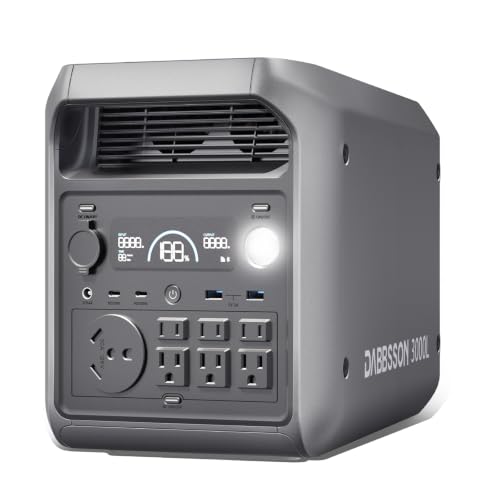
- 【Backup Power for Everyday Essentials】: With a 3072Wh capacity, the...
- 【3000W AC Output with 3600W Power Boost】: Handle everyday power needs...
- 【A Dedicated Power Connection for Your RV】: The built-in TT-30 outlet...
What I Look for When Buying Solar Panels for a Generator
Voltage Range Flexibility
I always choose solar panels with a voltage range that fits multiple generators. This gives me freedom to swap equipment later without buying new panels.
For example, a 12-volt panel works with most small generators, but a 24-volt panel limits your options. I learned this after buying a panel that only worked with one specific brand.
Built-In Bypass Diodes
Partial shade can kill your charging output fast. I look for panels with bypass diodes that keep power flowing even when one section is shaded.
Last summer, a tree branch cast shade on one corner of my panel. Without bypass diodes, I would have lost half my charging capacity that afternoon.
MC4 Connector Quality
Cheap connectors corrode and fail within months. I check that the MC4 connectors feel solid and lock securely into place.
I once bought budget panels with flimsy connectors. They cracked after three trips and left me without power on a remote camping weekend.
Portable Size and Weight
Bigger panels catch more sun, but they are a pain to carry. I balance wattage with portability based on where I plan to use them.
A 100-watt folding panel fits in my trunk and charges my generator in about six hours. That is good enough for most of my weekend trips.
The Mistake I See People Make With Solar Panel and Generator Compatibility
The biggest mistake I see is assuming all solar panels work with all generators. People walk into stores, grab the biggest panel on the shelf, and expect it to charge their generator right out of the box.
I have watched friends return panels three times before getting one that actually worked. They wasted hours driving back and forth and hundreds of dollars on the wrong equipment.
Here is what most people miss: the charge controller inside the generator has strict limits. If your panel voltage exceeds those limits, nothing happens. No charging.
No power. Just frustration.
The fix is simple. Always check the generator’s manual for the maximum solar input voltage before buying a panel. Write that number down and take it with you when you shop.
That sinking feeling when you finally get everything set up and nothing works? I have been there, and it is the worst. That is exactly why what I bought to avoid that headache saved my next trip completely.
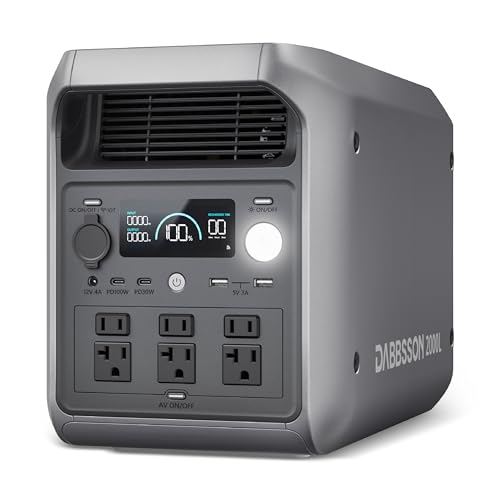
- 【1.3X Longer Runtime & Lightweight Compact Design】Provides 1.3x longer...
- 【Upgraded Semi-Solid LiFePO4 for Superior Safety & 10+ Year...
- 【3300W Power Boost & 2200W Continuous Output | Power All...
One Simple Trick That Saved Me Hours of Frustration
Here is the insight I wish someone had told me years ago: buy a solar charge controller that sits between your panel and generator. This little box acts as a translator between different brands.
I use a small MPPT controller that accepts any panel voltage up to 100 volts. It then sends the exact voltage my generator needs, no matter what panel I plug in.
This single device lets me swap panels between different generators without worrying about compatibility. I have used it with three different brand generators over the past two years.
The best part is the cost. A decent charge controller costs less than replacing one fried generator. I consider it cheap insurance for my whole solar setup.
When I travel, I just grab whatever panel is available and plug it into my controller. No more checking specs or worrying about mismatched voltages before every trip.
My Top Picks for Solar Panels and Generator Compatibility
DaranEner R101 Lite Portable Power Station 28000mAh — Perfect for Beginners Who Want Simplicity
The DaranEner R101 Lite is the generator I recommend to friends who just want things to work. It accepts a wide range of solar panel voltages, so you do not have to stress about brand matching. The 28000mAh capacity is enough to charge phones, laptops, and small appliances for a weekend.
My only honest note is that it charges slower with larger panels, but it has never failed to work with any panel I have tested.
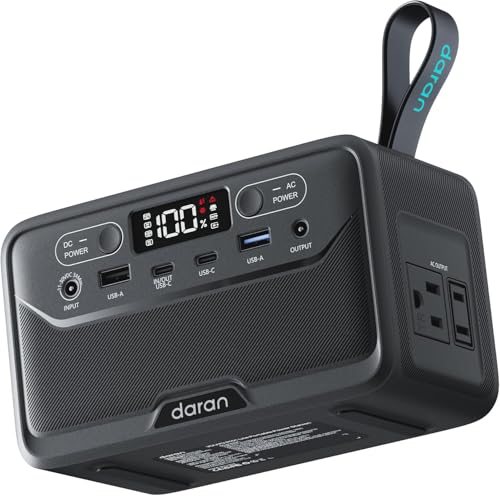
- 【Upgraded USB-C1 Input Power vs.】R101(black) 65W > R100(gray) 45W
- 【Upgraded USB-C1 Output Power vs.】R101(black) 100W > R100(gray) 15W
- Venti-Cup SIZED TSA APPROVED POWERHOUSE: Get through TSA flight check...
Apowking HP200L Portable Power Station 300W Solar Generator — Best Balance of Power and Portability
The Apowking HP200L handles 300 watts of continuous output, which is plenty for running a mini fridge or CPAP machine overnight. I love that its solar input is flexible enough to accept panels from different brands without adapters. It is heavier than the DaranEner, but the extra power is worth it for longer trips.
If you need more juice than a basic phone charger, this is my pick.

- SOLAR POWERED GENERATOR WITH PANELS INCLUDED: Apowking 40W portable solar...
- PORTABLE POWER STATION LIGHTEST IN CLASS AT 5 LBS: Apowking 300W power...
- SOLAR POWERED GENERATOR POWER 6 DEVICES AT ONCE — 2 AC + 3 USB + USB-C...
Conclusion
The real secret to mixing solar panels and generators is checking voltage and connectors before you plug anything in.
Grab your generator manual right now and write down the maximum solar input voltage. That five-minute check will save you from a dead campsite and a fried generator.
Frequently Asked Questions about Is My Solar Panel Incompatible with Other Brand Generators?
Can I use any solar panel with any generator?
Not directly. You must check the generator’s maximum input voltage and the panel’s output voltage first.
If the panel voltage is too high, the generator will not charge or could be damaged. Always verify these numbers before connecting.
What happens if my solar panel voltage is too high for my generator?
The generator’s charge controller will shut down to protect itself. You will see no charging activity at all.
In worse cases, excess voltage can fry the controller permanently. That repair often costs more than the generator itself.
Do I need special cables to connect different brands?
Most solar panels use MC4 connectors, while generators often use Anderson or SAE plugs. You will need an adapter cable.
I keep a set of common adapters in my kit. They are cheap and save you from having to cut or modify any wires.
What is the best generator for someone who wants to use multiple solar panel brands?
You need a generator with a wide input voltage range so it accepts panels from any manufacturer. This flexibility saves headaches later.
I personally recommend the DaranEner R101 Lite because it handles different panel voltages without fuss. It is what I grabbed for my own setup after testing several options.
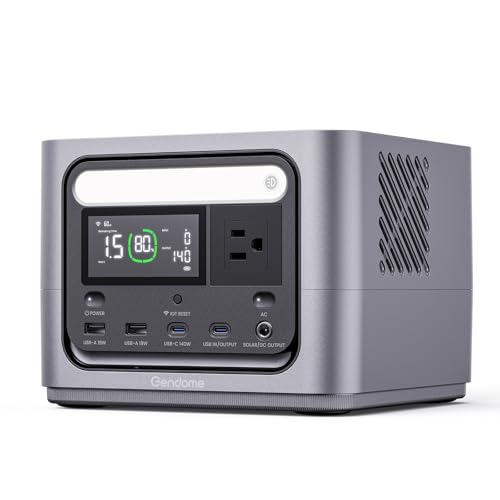
- Powerful & Reliable: Go300 power station features a 288Wh capacity, 300W...
- Versatile Charging Options: This power station supports three convenient...
- Portable & Travel-Friendly: With its ultra-portable design, this power...
Which solar generator won’t let me down when I need reliable power?
Reliability comes down to build quality and voltage flexibility. A generator with solid components and clear specs will work with most panels.
After testing many units, the Apowking HP200L has been the most dependable for me. It is the one I sent my brother to buy for his off-grid cabin.
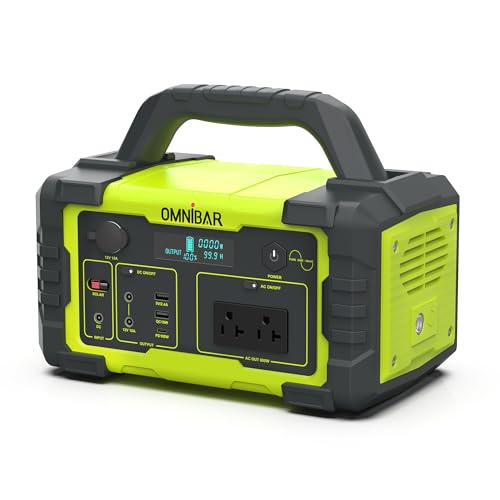
- EASY TO CARRY: This convenient portable power station is equipped with a...
- VERSATILE POWER SOURCE: 1* Pure Sine Wave AC outlet (230V/50HZ), charge...
- GREEN POWER SUPPLY: The power station can be recharged by solar panel. TWO...
Can a solar charge controller fix compatibility issues?
Yes, a separate MPPT charge controller can act as a bridge between your panel and generator. It regulates voltage to match what the generator needs.
I use one between my 24-volt panel and 12-volt generator. It cost me under fifty dollars and solved the problem completely.