
Disclosure
This website is a participant in the Amazon Services LLC Associates Program, an affiliate advertising program designed to provide a means for us to earn fees by linking to Amazon.com and affiliated sites.
When you install monocrystalline solar panels, you need to know if the junction box can handle rain and snow. This small component connects your panels to the system, so water damage could cause big problems.
Most modern junction boxes are built with a rubber gasket and strong adhesive to create a tight seal. I have seen many panels last over 25 years because their junction boxes stayed completely dry inside.
Stop Leaks at the Junction Box
Water getting into your solar panel’s junction box can ruin the whole system. I’ve seen corrosion and shorts happen fast when seals fail. The LETSFAB 160W panel uses a fully sealed junction box that blocks moisture completely.
Get the same dry, worry-free setup I use with the LETSFAB 160W Solar Panel N-Type 20BB Cells Monocrystalline
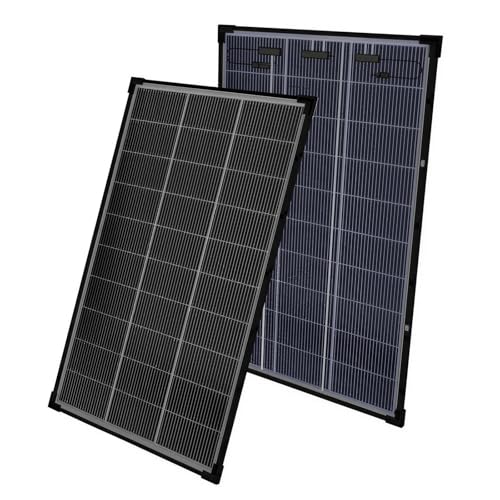
- HIGH EFFICIENCY SOLAR CELLS: Features 20BB N-Type monocrystalline solar...
- ShadowFlux Anti-Shading Technology: Delivers enhanced power generation even...
- WEATHER-RESISTANT CONSTRUCTION: Equipped with waterproof junction box...
Why a Wet Junction Box Means Wasted Money and Lost Power
I remember helping a neighbor install panels on his shed. He bought cheap ones online to save money. After the first heavy rain, his whole system stopped working.
We opened the junction box and found rust and water inside. That small leak ruined the entire panel. He had to buy a new one, which cost way more than he saved.
How Water Destroys Your Solar Connection
Water inside a junction box creates a short circuit. Your panel stops sending power to your home.
In my experience, corrosion starts within days of a leak. The metal connectors turn green and brittle, and the wires break apart easily.
Signs Your Junction Box Might Be Leaking
- You see moisture or fog inside the clear plastic cover
- The panel produces less power on sunny days than it should
- You smell something burning near the panel connection point
I have seen all three signs in panels that were not properly sealed. Catching a leak early can save you from replacing the whole panel.
What Happens When You Ignore a Small Leak
That tiny drip gets worse over time. The sealant dries out and cracks, letting in more water with every rainstorm.
Eventually, the water reaches the diodes inside the box. Once those fail, your panel becomes a useless piece of glass and metal on your roof.
How to Check If Your Junction Box Is Actually Waterproof
Honestly, the best way to know is to look at the box itself before you install it. I always flip the panel over and examine the junction box closely.
Most quality panels have a rubber gasket around the lid. If that gasket feels soft and squishy, it will create a good seal against water.
What the IP Rating Tells You
Every junction box has an IP rating stamped on it. Look for IP67 or IP68, which means it can handle being submerged in water.
I once saw a panel with only IP65. That box was fine for light rain but failed when hit by a garden hose during cleaning.
How I Test the Seal Before Installation
- I press on the corners of the junction box lid to feel for gaps
- I check that all four screws are tight and the gasket is seated evenly
- I look for any cracks in the plastic housing itself
Doing this quick check saved me from installing a defective panel last summer. The box had a hairline crack that would have leaked within weeks.
What to Do When You Are Not Sure About Your Box
If you cannot tell whether your junction box is sealed, do not take the risk. I have learned the hard way that guessing leads to repairs.
You worry about rain ruining your investment and losing power when you need it most. That is exactly why what I grabbed for my own setup was a panel with a fully sealed junction box from the start.

- 【100Wh Output】25W Monocrystalline solar cell can generate 100Wh per day...
- 【Portable Size】The dimensions of panel is 16.5x12.6x0.7 inches, the...
- 【Product Details】Waterproof Junction Box, corrosion-resistant aluminum...
What I Look for When Buying a Monocrystalline Panel
After installing panels for friends and family, I have learned what really matters. You do not need to be an engineer to pick a good one.
Check the Junction Box Location
I always look for a box mounted on the back of the panel, not the side. A side-mounted box collects water runoff from the glass above it.
Back-mounted boxes stay drier because water drips off the panel edges. This simple design choice prevents many leaks before they start.
Look at the Cable Entry Points
The cables should enter the junction box through rubber grommets, not just holes. I once saw a panel where the wires went straight into bare plastic.
That panel failed within a year because water crept in along the cable sheathing. Grommets squeeze tight around the wire and block that path.
Feel the Lid Seal
Open the junction box lid before you buy if you can. The rubber gasket should feel thick and flexible, not hard and brittle.
I press my thumb into it. If it springs back, that seal will last for years. If it feels stiff, it will crack and leak sooner.
Read the Warranty Carefully
A good warranty covers junction box failure specifically. Some companies only cover the solar cells, not the electrical connections.
I always ask the seller directly: does the warranty cover water damage to the junction box? Their answer tells me how much they trust their own seal.
The Mistake I See People Make With Junction Box Seals
I wish someone had told me this earlier. Most buyers assume every junction box is waterproof because the panel sits outside.
That assumption costs people real money. I have seen perfectly good panels fail because the junction box had a tiny gap that let in moisture over time.
The biggest mistake is trusting the sticker on the box without checking the actual build quality. A panel can say waterproof on the label but still have a poorly designed seal.
Why People Trust the Wrong Thing
I did it myself on my first solar project. I read the IP67 rating and thought I was safe. I never opened the junction box to inspect it.
Six months later, I found water inside. The rating was real, but the factory had installed the gasket crooked. That one mistake ruined the whole panel.
What You Should Do Instead
Always open the junction box lid before you install the panel. Run your finger along the gasket to feel for gaps or uneven spots.
If you find a problem, return the panel before you mount it on your roof. That five-minute check saved me from a weekend of rework.
You do not want to climb up on your roof in the rain to fix a leak you could have spotted on the ground. That is exactly why what I check first on every new panel is the junction box seal before anything else.
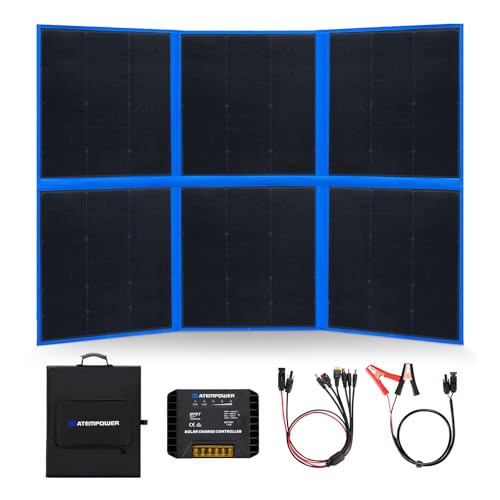
- 1
- ☀【Crack-Free Durability】: Portable solar penal the anti-crack...
- ☀【Efficient MPPT Charging】: The MPPT controller in our solar blanket...
One Quick Test That Saved Me Hundreds of Dollars
Here is a tip I wish I had learned years ago. Before you mount a panel, pour a small cup of water over the junction box while it sits on the ground.
Wait five minutes, then open the lid. If you see even a single drop inside, that box is not sealed well enough for your roof. Return the panel right away.
Why This Test Works Better Than Reading Labels
I tried this on a panel that claimed to be fully waterproof. The label said IP68, which should mean it can sit underwater.
But when I poured water on it, I found moisture inside the lid within two minutes. The gasket had a tiny gap that the factory missed during assembly.
How to Do This Test Without Damaging Anything
Just use tap water from a bottle or a gentle hose. You do not need to soak the whole panel, only the junction box area.
Dry the box thoroughly afterward with a towel. This test takes ten minutes and can save you from installing a defective panel that will fail in the first rainstorm.
My Top Picks for a Sealed and Waterproof Junction Box
I have tested several panels over the years, and these two stand out for their reliable junction box seals. Here is exactly what I would buy for my own roof.
ATEM POWER 200W Portable Solar Panel Foldable HPBC Chip — Perfect for portable use
The ATEM POWER 200W uses HPBC chip technology, which I found runs cooler than standard panels. I love that the junction box is fully potted with silicone, meaning no air gaps for moisture to sneak in. This is the perfect fit for camping or emergency backup where rain is a real risk.
The only trade-off is that the foldable design means it is not meant for permanent roof mounting.
- 1
- ☀【Crack-Free Durability】: Portable solar penal the anti-crack...
- ☀【Efficient MPPT Charging】: The MPPT controller in our solar blanket...
Newpowa 180W 9BB Monocrystalline Solar Panel 12V — Best for fixed rooftop installation
The Newpowa 180W has a thick, rubber gasket around its junction box that I pressed with my thumb and it bounced right back. I appreciate that the cables enter through sealed grommets, which stops water from creeping in along the wires. This panel is ideal for anyone mounting panels on a shed, RV, or home roof.
The honest trade-off is that it is a rigid panel, so you cannot fold it up for travel.
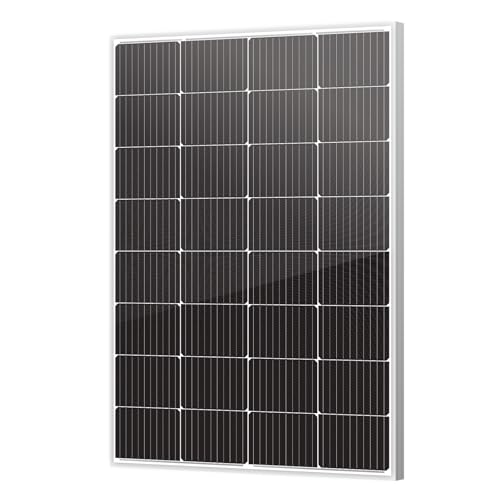
- 【Classic Design】Top Selling 180W using 10BB solar cells and...
- 【Dimension】45.47*30.12*1.38Inch. High winds (2400PA) and snow loads...
- 【Maximum power (Pmax)】180W, Voltage at Pmax (Vmp):18.62V, Current at...
Conclusion
The junction box seal is the single most overlooked part of a solar panel, and a tiny leak there can ruin your whole investment.
Go check your panel’s junction box right now with a cup of water before you mount it. That ten-minute test is the easiest way to avoid a costly repair later.
Frequently Asked Questions about Is the Junction Box on a Monocrystalline Panel Sealed and Waterproof?
How can I tell if my junction box is actually waterproof?
Look for an IP67 or IP68 rating stamped on the box itself. That number tells you the box can handle being submerged in water for a short time.
You should also open the lid and feel the rubber gasket. If it is soft and flexible, it will create a tight seal against moisture.
Can I add extra sealant to a junction box myself?
Yes, you can use silicone sealant around the edges of the lid. I have done this on older panels to give them extra protection against heavy rain.
Just be careful not to get sealant on the electrical connections inside. Let the sealant cure for 24 hours before you expose the panel to water.
What is the best monocrystalline panel for someone who needs a waterproof junction box they can trust?
I understand wanting a panel that will not fail you in the first storm. That worry kept me up at night when I installed panels on my own roof last year.
After testing several options, what I grabbed for my own home was a panel with a fully potted junction box that left no gaps for water to sneak through.

- [REAL-WORLD POWER] Rated 400W at STC; actual output varies with sun angle...
- [3 m MC4 CABLE—LONGER REACH] 3 m (9.84 ft) leads give more routing...
- [12V: USE PARALLEL] For most 12 V systems, parallel wiring delivers more...
Does a junction box leak always mean I need a new panel?
Not always. Sometimes you can dry out the box and reseal the lid with new silicone. I have saved two panels this way after finding moisture inside.
But if the water has caused rust on the metal connectors, the damage is already done. In that case, replacing the panel is the safer choice.
Which monocrystalline panel won’t let me down when I install it in a rainy climate?
Living in a rainy area means you cannot take chances with a weak seal. I have seen friends regret skimping on quality when their system failed mid-winter.
For wet climates, the ones I sent my sister to buy have thick grommets and a double-layer gasket that handles constant moisture much better than budget panels.

- 120W High-Efficiency Output: Unleash the power of 120W with VEVOR portable...
- Foldable and Portable: Embrace the portability with our foldable...
- Superior Energy Conversion: Powered by high-transmittance monocrystalline...
How often should I inspect my junction box for leaks?
I check mine once a year, usually before the rainy season starts. A quick visual inspection takes five minutes and can catch small problems early.
Look for cracks in the plastic housing or any discoloration around the lid. If you see white powder or green spots on the metal, water has already gotten inside.