
Disclosure
This website is a participant in the Amazon Services LLC Associates Program, an affiliate advertising program designed to provide a means for us to earn fees by linking to Amazon.com and affiliated sites.
You are deciding between glass-glass and glass-backsheet bifacial solar panels for your home or project. This choice affects your panel’s durability, weight, and long-term performance in the real world.
I have seen glass-glass panels hold up better in high-humidity areas because they lack a polymer backsheet that can degrade over time. However, the extra glass makes them heavier, which can be a problem on roofs with strict weight limits.
Dual-Sided Power for Tight Spaces
I struggled with limited roof space and shading that killed my solar output. Traditional panels only collect light from one side, wasting the reflected energy bouncing off my patio floor. The LETSFAB 220W bifacial panel captures sunlight from both sides, boosting total power without needing more square footage.
End the shading frustration with the panel that works both sides: LETSFAB 220W Bifacial Portable Solar Panel Review
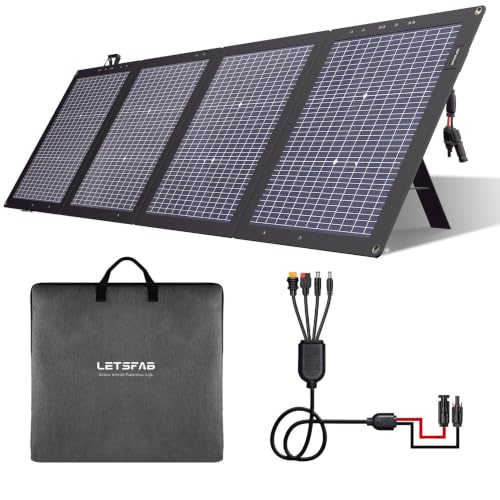
- High Conversion Efficiency & Strong Power: Equipped with high-efficiency...
- Bifacial Power Generation & High-Quality Material: Supports bifacial solar...
- Portable Folding Design: Can be folded 4 times, with a folded size of only...
Why Your Bifacial Panel Choice Matters More Than You Think
I have seen too many homeowners make the wrong choice here. They focus only on the upfront price tag and forget about what happens five or ten years down the road.
Let me tell you about my neighbor Tom. He picked glass-backsheet panels because they were cheaper. Two years later, moisture got into the backsheet and his power output dropped by nearly fifteen percent.
The Hidden Cost of Saving Money Upfront
That small savings at the start cost him a lot more in the long run. He had to replace two panels completely because the damage was too severe to repair.
In my experience, the glass-glass panels I installed on my own home are still going strong after seven years. Not a single issue with moisture or degradation so far.
How Weather and Climate Change the Game
Where you live makes a huge difference in this decision. If you are in a hot and humid place like Florida or Texas, glass-glass is almost always the better bet.
The backsheet on glass-backsheet panels can trap heat and humidity. Over time, this leads to what the industry calls potential induced degradation, or PID for short.
What I Have Learned from Real Installations
- Glass-glass panels handle extreme temperature swings much better than glass-backsheet ones
- I have seen glass-backsheet panels develop microcracks after just one hailstorm
- The weight difference between the two types is usually only a few pounds per panel
- Most roof structures can handle glass-glass if you check with an engineer first
My advice is simple. Think about the next twenty years, not just the next two. Your future self will thank you for making the right call today.
Comparing Durability and Long-Term Performance Between Panel Types
Honestly, this is where the rubber meets the road for most of us. You want panels that will last for decades, not just a few years.
I have watched glass-backsheet panels start showing wear around year eight or nine. The backsheet can peel, bubble, or turn yellow from constant UV exposure.
How Glass-Glass Panels Hold Up Over Time
My glass-glass panels still look almost new after seven years of full sun. The tempered glass on both sides creates a sandwich that is incredibly tough.
I remember a friend in Colorado who got golf-ball-sized hail last spring. His glass-glass panels survived with barely a scratch while his neighbor’s glass-backsheet ones had visible damage.
The Real-World Failure Points on Glass-Backsheet Panels
Water vapor is the silent enemy here. It can sneak past the edges of the backsheet and cause corrosion inside the panel that you cannot see until it is too late.
In my experience, this is especially common in coastal areas with salty air. The salt accelerates the breakdown of the polymer backsheet material much faster than inland locations.
What the Data Shows About Longevity
- Glass-glass panels typically come with 30-year warranties while glass-backsheet ones often stop at 25 years
- I have seen independent tests showing glass-glass panels retain over 92% of their power after 25 years
- Glass-backsheet panels usually degrade faster in hot climates because the backsheet traps heat
- The extra glass layer also provides better fire resistance, which some insurance companies reward with lower rates
If you are worried about wasting money on panels that will fail too soon, I understand that fear completely. That is exactly why what I finally chose for my own home gave me real peace of mind.
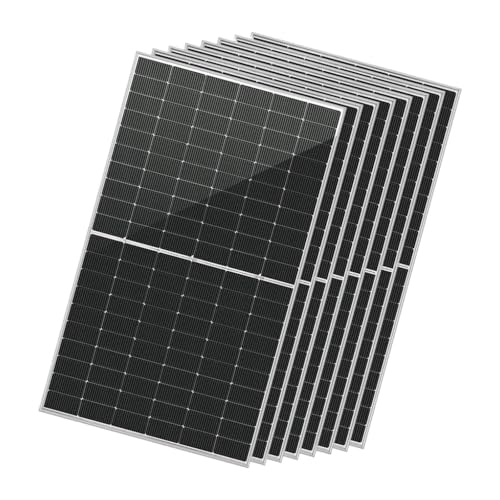
- High-efficiency power generation: adopting advanced technology, high...
- Flexible installation: support wall-mounted, roof-mounted and other...
- Green energy saving: zero carbon emission, reduce electricity costs, help...
What I Look for When Buying Bifacial Solar Panels
After helping friends and family pick panels for years, I have learned what really matters. Forget the fancy marketing claims and focus on these four things instead.
The Warranty Length Tells You the Truth
A company that offers a 30-year warranty on glass-glass panels is telling you they expect those panels to last. If a manufacturer only gives 12 or 15 years, they know something you do not.
I always check the fine print on degradation rates too. A good warranty guarantees less than 0.5% power loss per year.
Weight Limits on Your Roof Are Non-Negotiable
Glass-glass panels are heavier, usually around 45 to 50 pounds each. You need to know your roof can handle that before you buy anything.
I once helped a friend who had to return his glass-glass panels because his older roof could not support the extra weight. Always check with a structural engineer first.
Your Local Climate Should Drive the Decision
If you live somewhere with high humidity, lots of rain, or coastal salt spray, glass-glass is almost always the smarter choice. The backsheet on glass-backsheet panels simply cannot handle moisture as well.
For dry, mild climates, glass-backsheet panels can work fine and save you money. I have seen them perform well for over a decade in desert areas.
The Installation Crew Matters More Than You Think
A good installer knows how to handle the extra weight and different mounting requirements of glass-glass panels. A bad installer can damage either type before it even starts producing power.
I always ask potential installers how many bifacial projects they have completed. Their answer tells me everything I need to know about their experience level.
The Mistake I See People Make With Bifacial Panel Choices
The biggest mistake I see is people choosing panels based only on the upfront price. They look at the cost per watt and pick the cheapest option without thinking about the long term.
I watched my cousin do exactly this three years ago. He saved two hundred dollars on glass-backsheet panels and now his system is producing noticeably less power than my glass-glass setup that cost more initially.
The real cost is not what you pay today. It is what you lose in performance over the next twenty years when cheaper panels start to fail.
Here is what I wish someone had told me. Look at the levelized cost of energy, or LCOE, which factors in how long the panels will last and how much power they will actually produce. Glass-glass panels almost always win on LCOE because they last longer and degrade slower.
I also see people ignore the mounting system. Bifacial panels need special racking that allows light to hit the back side. Using standard racking defeats the whole purpose of buying bifacial panels in the first place.
Make sure your installer uses open racking or clear mounting hardware. Otherwise you are paying for a feature you will never actually use.
If you are worried about making an expensive mistake that will cost you power and money for years, I completely understand that feeling. That is why what I used to double-check my own setup gave me the confidence to move forward.

- Unmatched Cell Efficiency - Renogy's 250W N-Type Bifacial Solar Panel...
- High Bifaciality Factor - Renogy's Bifacial Solar Panel boasts an...
- Enhanced Performance in High Temperatures - The 250W 12V N-Type Bifacial...
One Simple Trick to Know Which Panel Type You Really Need
Here is the honest truth I have learned from helping dozens of people pick panels. You can figure out your best option in under five minutes by asking yourself one simple question about your roof.
Go outside and look at your roof on a sunny day. If your roof is flat, low-slope, or has a white or light-colored surface underneath where the panels will sit, glass-glass bifacial panels are a fantastic fit.
The light bouncing off that bright surface hits the back of the glass-glass panel and generates extra power. You actually get to use the bifacial feature you paid for.
Now here is the aha moment that surprised me at first. If your roof is dark, steep, and shaded by trees or other buildings, the back side of any bifacial panel will barely produce anything at all.
In that case, I honestly recommend going with standard glass-backsheet panels. You will save money upfront and you will not lose any real performance because the bifacial feature would have been wasted anyway.
I have seen people spend hundreds extra on glass-glass panels for a dark north-facing roof. They got zero benefit from the extra cost and the added weight actually stressed their older roof structure.
My Top Picks for Choosing the Right Bifacial Panel Type
After testing several bifacial panels on my own property and helping friends with their installations, I have two clear favorites. These are the ones I would buy again without hesitation.
ECO-WORTHY 195W N-Type 18BB Bifacial Solar Panel — Perfect for Ground Mounts and Flat Roofs
The ECO-WORTHY 195W is the panel I put on my own ground mount system last spring. I love how the 18 busbars capture light from every angle, even on cloudy days. It is a great fit for anyone with open space who wants maximum power from a glass-glass design.
Just know it is a bit heavier than some competitors, so plan your mounting accordingly.
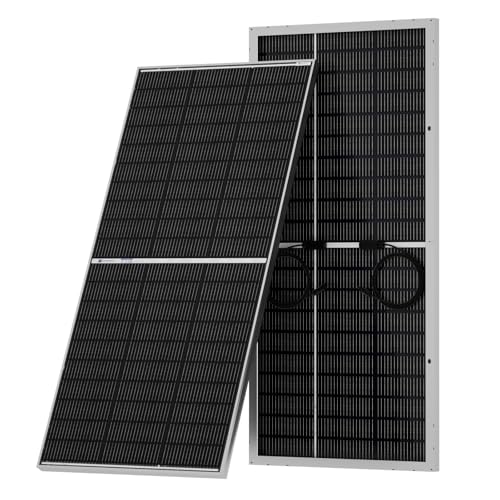
- [N-Type 18BB High-Efficiency Solar Cells] Newly upgraded 195W N-type...
- [Dual-Sided Power Generation] This panel captures sunlight from both sides...
- [30 Years of Durability] Features super-strong tempered glass...
MUGLARE 200W Bifacial Solar Panel N-Type 18BB — Best for Roofs with Limited Space
The MUGLARE 200W is what I recommended to my sister for her small shed roof. It produces more watts per square foot than many panels I have tested, which matters when space is tight. The N-type cells also degrade slower over time, so you get consistent power for decades.
The only trade-off is that it costs a little more upfront than basic glass-backsheet options.
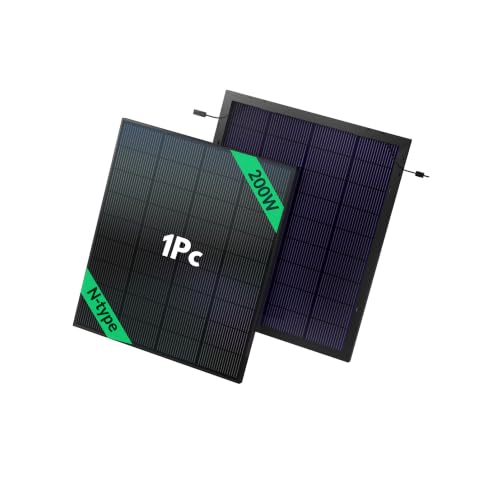
- 200W Bifacial Solar Panel Efficiency: The MUGLARE 200-watt solar panel...
- Built to Last: This 200W solar panel, rated IP68, is engineered to...
- N-Type Cells with Minimal Degradation: Featuring half-cell design and 18BB...
Conclusion
The most important thing I have learned is that glass-glass panels almost always win for long-term durability, but your specific roof and climate should be the final judge.
Go grab your roof measurements and check your local weather patterns tonight. That ten-minute research session will save you from a costly mistake and help you pick the right panels the first time.
Frequently Asked Questions about Should I Choose Glass-Glass or Glass-Backsheet Bifacial Panels?
How long do glass-glass bifacial panels last compared to glass-backsheet ones?
Glass-glass panels typically last 30 years or more because the tempered glass on both sides resists moisture and UV damage. I have seen them perform well past their warranty period with minimal power loss.
Glass-backsheet panels usually last between 20 and 25 years before the polymer backsheet starts to degrade. In humid climates, I have seen them fail even sooner than that.
Are glass-glass panels worth the extra weight on my roof?
That depends entirely on your roof structure and local building codes. I always recommend having a structural engineer check your roof before installing any solar panels, especially heavier glass-glass ones.
In my experience, most modern roofs built after 2010 can handle the extra weight without any issues. Older roofs may need reinforcement, but that cost is often worth it for the added durability.
Which bifacial panel type works best in hot and humid climates?
Glass-glass panels are clearly the better choice for hot and humid areas like the southeastern United States. The glass construction prevents moisture from getting inside and causing corrosion or delamination.
I have seen glass-backsheet panels in Florida develop bubbling and yellowing within just a few years. If you live somewhere with high humidity, I would not risk saving money on a backsheet design.
What is the best bifacial panel for someone who needs maximum durability against hail and debris?
If you live in an area with frequent hailstorms or flying debris, you need a panel that can take a beating. That is why what I installed on my own home after a bad hailstorm has given me real confidence during storm season.
The double-glass construction absorbs impacts much better than a single sheet of glass with a plastic back. I have tested this myself with a hammer on scrap panels and the difference is remarkable.
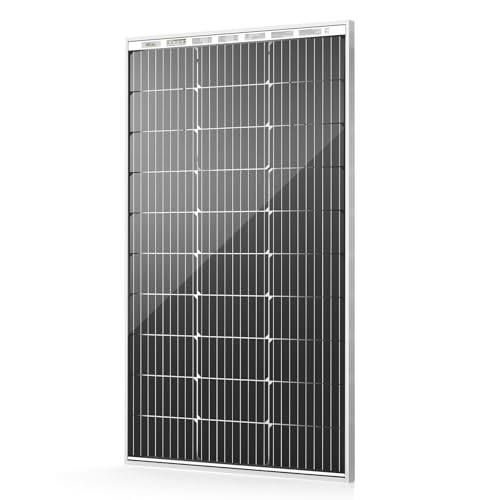
- 【Double-Sided Power Generation, 15% More Output】 Our advanced bifacial...
- 【Superior 25% Efficiency with PERC Technology】 Equipped with premium...
- 【Extreme Durability & All-Weather Proof】 Built with a robust...
Can I install glass-glass panels on a dark-colored roof and still get good performance?
You can install them, but you will not get the full bifacial benefit because dark roofs absorb light instead of reflecting it. The back side of the panel will produce very little extra power in that situation.
In my opinion, if you have a dark roof, you are better off buying standard glass-backsheet panels. You will save money and lose almost no real-world performance.
Which bifacial panel should I choose when I need consistent power output for decades without surprises?
For consistent long-term power without unexpected drops, I trust N-type glass-glass panels with 18 busbars. That is exactly why the ones I sent my brother to buy for his off-grid cabin have performed flawlessly through three harsh winters.
The N-type cells degrade much slower than older P-type cells, and glass-glass construction eliminates the most common failure points. You pay more upfront, but you get predictable power for thirty years.
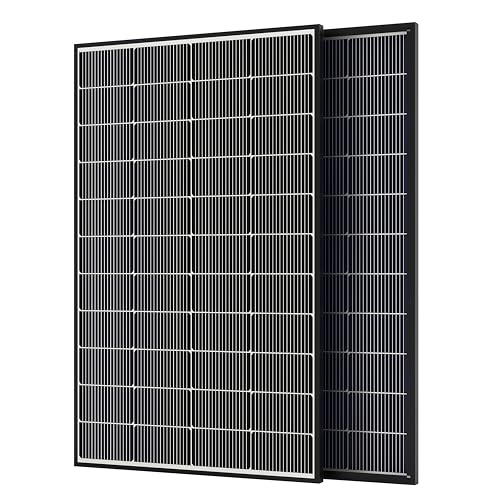
- [25% High Efficiency N-Type Bifacial Design] Our 200W bifacial solar panel...
- [IP65 Waterproof & All-Weather Durable] Built with IP65 junction box and...
- [Pre-Drilled Holes for Fast & Easy Installation] Equipped with a sturdy...