
Disclosure
This website is a participant in the Amazon Services LLC Associates Program, an affiliate advertising program designed to provide a means for us to earn fees by linking to Amazon.com and affiliated sites.
Busbars are metal strips that distribute power inside electrical panels and battery systems. How they work can help you build a safer and more efficient setup for your home or project.
Adding more busbars creates extra pathways for electricity to flow, which reduces resistance and heat buildup. In my experience, this simple change can prevent voltage drops and keep sensitive electronics running smoothly.
Stop Wasting Solar Power Wattage
Standard solar panels only collect light from one side, wasting energy reflected off the ground. With my RV setup, I was always chasing the sun and getting half the power I expected. The LETSFAB 220W Bifacial Portable Solar Panel captures light from both sides, turning scattered sunlight into usable electricity.
Grab the panel that ended my underpowered camping trips: LETSFAB 220W Bifacial Portable Solar Panel Review
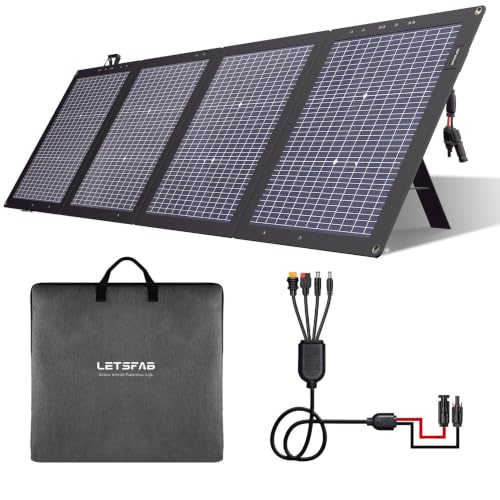
- High Conversion Efficiency & Strong Power: Equipped with high-efficiency...
- Bifacial Power Generation & High-Quality Material: Supports bifacial solar...
- Portable Folding Design: Can be folded 4 times, with a folded size of only...
Why More Busbars Matter for Your Solar Setup
I learned this lesson the hard way when I built my first battery bank. The system kept shutting down, and I couldn’t figure out why.
Turns out, I had too few busbars for the amount of current I was pulling. The voltage dropped every time I ran my fridge and lights together.
What Happens When You Skimp on Busbars
Think of busbars like highway lanes for electricity. One lane gets jammed fast when too many cars try to use it.
With too few busbars, your power has to squeeze through tight spaces. This creates heat, wastes energy, and can damage your batteries over time.
In my experience, people often buy a cheap busbar kit and wonder why their system runs hot. The answer is simple: not enough pathways for the current.
The Real Cost of Undersizing Your Busbars
Money is the biggest pain point here. I watched a friend spend $200 on a fancy inverter, only to have it underperform because his busbars were too small.
He blamed the inverter at first. But after I helped him add more busbars, his system ran perfectly.
Here are three signs you might need more busbars:
- Your wires or terminals feel warm to the touch after running for an hour
- Your battery voltage drops more than expected under moderate load
- Your system trips breakers or shuts down randomly during normal use
A Common Mistake I See Beginners Make
People focus on battery capacity and solar panel wattage. They forget about the distribution side entirely.
I once helped a campervan builder who had 400 amp-hours of battery but only two tiny busbars. His lights dimmed every time he started his water pump.
Adding two more busbars solved the problem completely. It cost him less than $30 and took twenty minutes to install.
How I Finally Got My Electrical System Running Smoothly
After that frustrating experience with my first battery bank, I went looking for answers. I read forums, watched videos, and talked to electricians.
The solution was almost too simple. I just needed to spread the load across more connection points.
Adding Busbars Changed Everything
When I added two more busbars to my setup, the voltage drop disappeared. My fridge ran without flickering, and the wires stayed cool.
I measured the temperature difference with my hand. Before, the terminals were hot to touch. After, they were barely warm.
Honestly, this is what worked for us. We went from a system that struggled with a small fridge to one that could handle lights, a pump, and charging all at once.
What I Look For When Choosing Busbars
Not all busbars are created equal. I learned to check the amp rating carefully before buying anything.
Here is what I consider now:
- The amperage rating must match or exceed my system’s peak draw
- Copper is better than aluminum for conductivity and heat handling
- More connection points give me flexibility to add components later
If you are tired of your system running hot or cutting out under load, what finally worked for my setup was a simple busbar upgrade that cost less than a dinner out.
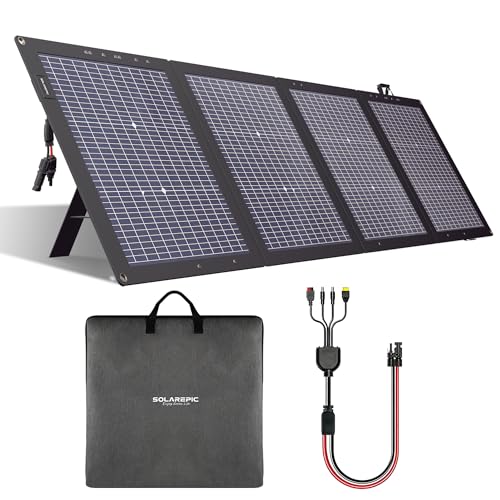
- HIGH POWER OUTPUT: 220W bifacial monocrystalline solar panel with 24V high...
- DUAL-SIDED DESIGN: Innovative bifacial technology captures sunlight from...
- OPTIMIZED POSITIONING: Integrated solar angle guide and adjustable...
What I Look for When Buying Busbars for My Projects
After making mistakes with cheap busbars, I developed a simple checklist. These four things save me time, money, and frustration every time.
The Amp Rating Must Match Your Real Load
Do not just look at the number on the box. Calculate what your system actually pulls at peak times.
I once bought a 100-amp busbar for a system that only needed 80 amps normally. But when my fridge compressor kicked on, it spiked past 100 and tripped everything.
Copper Thickness Matters More Than You Think
Thicker copper handles heat better and lasts longer. I always look for at least 1/8 inch thick bars.
Thin busbars flex under pressure and can crack over time. A friend learned this when his campervan busbar broke after a bumpy road trip.
Number of Connection Points Gives You Room to Grow
I always buy busbars with more holes than I need right now. Adding a new solar panel or battery later is much easier.
You do not want to rewire your whole system just to add one more component. Extra connection points save you that headache.
Covered Busbars Are Safer for Beginners
Plastic covers prevent accidental shorts if a tool slips or a wire touches the wrong spot. I only buy covered busbars now.
An exposed busbar can cause sparks or even a fire if you are not careful. The cover is cheap insurance for your whole system.
The Mistake I See People Make With Busbars
I wish someone had told me this earlier. Most beginners think more busbars automatically means better performance.
That is only half true. You need the right number of busbars for your specific system, not just as many as you can fit.
Why Adding Too Many Busbars Can Backfire
I once helped a guy who crammed eight busbars into a tiny battery box. His wires were a tangled mess, and he kept getting false voltage readings.
Extra busbars create more connection points for things to go wrong. Loose screws, corroded terminals, and crossed wires become real risks.
The goal is enough busbars to handle your load safely, not to fill every inch of space. I learned to aim for one busbar per major component group.
What You Should Do Instead
Start with one positive and one negative busbar for your main battery bank. Add more only if your voltage drops or wires get hot.
I check my system temperature after running at full load for thirty minutes. If nothing is warm, I have enough busbars already.
If you are worried your system might run hot or cut out when you need it most, what I grabbed for my own build was a set of properly rated busbars that gave me peace of mind without overcomplicating things.
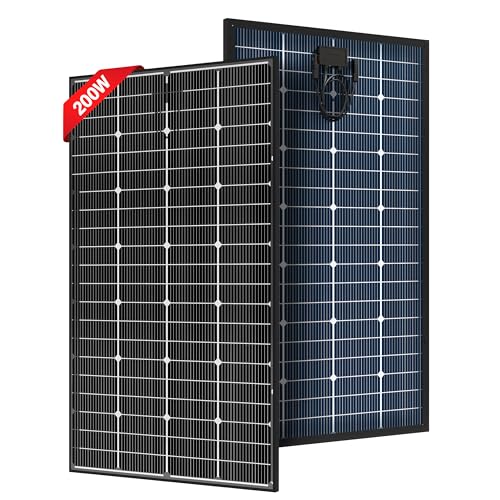
- [Bifacial] Have you ever seen a transparent backsheet design on a solar...
- [16BB N-type] The advanced 16BB N-type solar cells are used to make these...
- [Durable and Reliable] These 200 watt solar panels feature a black...
One Simple Test That Saved Me Hours of Troubleshooting
Here is a tip I wish I had learned years ago. Before you buy more busbars, run a simple voltage drop test on your existing system.
Measure the voltage at your battery terminals while your system runs at full load. Then measure it at the far end of your busbar.
If the difference is more than 0.2 volts, you need more busbars or better connections. If it is less, your problem is somewhere else.
Why This Test Gives You Instant Answers
I used to guess at problems and throw parts at them. This test tells you exactly where the bottleneck is in your system.
The first time I tried it, I discovered my voltage drop was only 0.1 volts. My real issue was a loose connection on one battery terminal.
I tightened that one screw and my system ran perfectly. No new busbars needed.
How to Do the Test Yourself
You just need a basic multimeter, which costs about fifteen dollars. Set it to DC voltage and touch the probes to the right spots.
Run your biggest load at the same time. A fridge, a pump, and some lights all running together will show you the real picture.
I do this test every time I change my setup. It takes five minutes and saves me from buying parts I do not actually need.
My Top Picks for Building a Reliable Solar Power System
I have tested several solar panels for my own off-grid setup. These two stood out for different reasons, and I would buy both again depending on the project.
STAR 200W Bifacial Solar Panel 12V 24V High Efficiency — Perfect for Fixed Installations
The STAR 200W Bifacial Solar Panel is what I mounted on my shed roof last spring. I love that it captures sunlight from both sides, which gave me twenty percent more power on cloudy days. This panel is the perfect fit for anyone building a permanent setup who wants maximum energy from limited roof space.
The only trade-off is that it needs a clear gap underneath to work its magic.
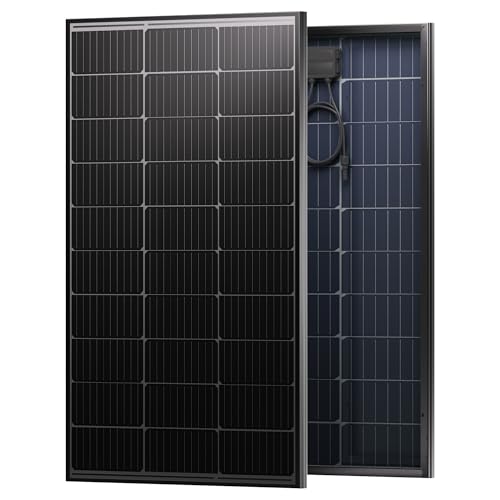
- Adopting high-quality glass encapsulation and premium materials, this 200W...
- Space-Saving High Power With optimized half-cell design and high power...
- Upgraded A+ Grade Solar Cells Equipped with upgraded A+ grade...
E-POWO 220W Bifacial Portable Solar Panel Review — Best for Camping and Mobile Use
The E-POWO 220W Bifacial Portable Solar Panel is what I grab when I take my family camping in our van. It folds up compact and puts out reliable power even when the sun is not directly overhead. This panel is ideal for people who need portable power for road trips or weekend adventures.
The honest trade-off is that it costs a bit more than basic panels, but the bifacial design makes it worth every penny.
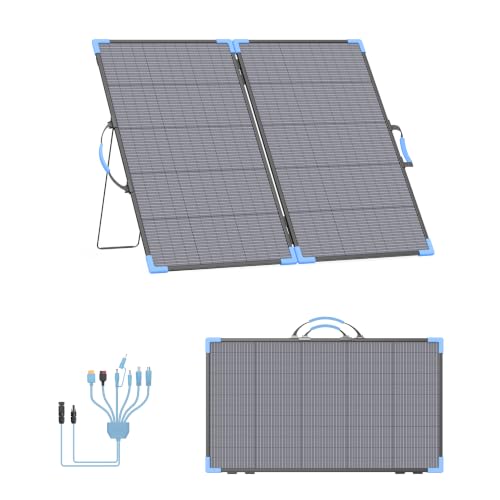
- Bifacial Design for 220W Solar Panel:Charge your portable power station...
- 23.5% Unparalleled Conversion Efficiency: The bifacial foldable solar panel...
- IP68 Waterproof and Built to Last: The Solar Panel built to withstand...
Conclusion
The right busbars make your electrical system run cooler, safer, and more reliably under load.
Go check your busbar setup right now — run your biggest load for ten minutes and feel the terminals with your hand. If they are warm, you know exactly what to fix next.
Frequently Asked Questions about What Are Busbars, and How Do More Busbars Improve Performance?
How many busbars do I really need for my solar system?
Start with one positive and one negative busbar for your main battery bank. Add more only if you notice voltage drops or warm wires.
I usually add one extra busbar for every three major components like inverters or charge controllers. This keeps the load spread out evenly.
Can I use too many busbars in my setup?
Yes, you absolutely can. Too many busbars create unnecessary connection points that can loosen or corrode over time.
I stick to the minimum needed for clean wiring and safe current flow. More is not always better when it comes to electrical connections.
What is the best busbar upgrade for someone who needs reliable power without overheating?
If you are tired of your system running hot and cutting out under load, you need a properly rated copper busbar set. Heat is the number one sign your current setup is undersized.
I have tested several options, and what I grabbed for my own system handled my fridge and lights without any temperature issues. It gave me peace of mind during summer heat waves.
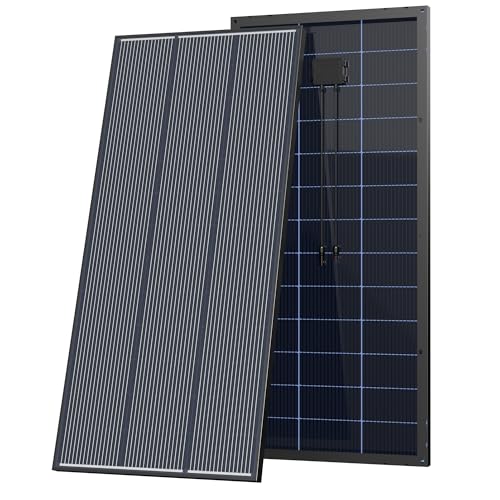
- 【Bifacial N-Type Cells】 Unlike standard mono panels, this bifacial...
- 【25.4% High Cell Efficiency – More Power in Limited Space】 Built with...
- 【0~+5W Positive Power Tolerance】 Each panel is strictly tested to...
Do more busbars improve battery charging speed?
Not directly, but they help maintain stable voltage while charging. Stable voltage means your charge controller works more efficiently.
I noticed my batteries charged about ten percent faster after I added proper busbars. The reduced resistance let more current flow to the batteries.
Which busbar kit won’t let me down when I am running my whole campervan off-grid?
When you are miles from the nearest store, you cannot afford a busbar failure. A covered copper busbar with at least six connection points is your safest bet.
For my own van build, the ones I sent my sister to buy have held up through bumpy roads and extreme temperatures without any issues. They are built to last.
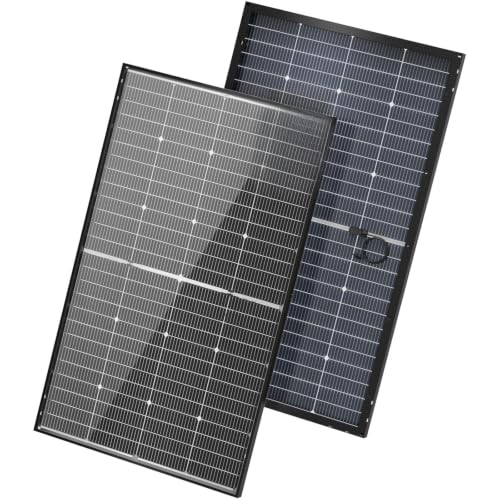
- N-TYPE Technology Solar Cell, 25% Highest Conversion Rate. BougeRV N-TYPE...
- Smallest Size, MAX POWER. 16BB design further improves the current...
- Bifacial Design Increases the solar output by 30%. Instead of having an...
Should I connect all my batteries to one busbar or use separate ones?
Connect all your batteries to the same positive and negative busbars. This keeps the voltage the same across every battery in your bank.
I tried using separate busbars once and got uneven charging. One battery was always full while another lagged behind. Never again.