
Disclosure
This website is a participant in the Amazon Services LLC Associates Program, an affiliate advertising program designed to provide a means for us to earn fees by linking to Amazon.com and affiliated sites.
When I look for a safe and reliable product, I check its certifications like IEC, UL, or CE. These marks tell me the item has passed strict testing for quality and safety.
In my experience, a UL mark often means the product meets American safety standards, while CE covers European requirements. This difference matters because a device with only CE might not be safe for use in a U.S. Home.
Stop Wasting Solar Energy Potential
Standard solar panels miss light hitting their backs, wasting up to 30% of potential energy. My setup suffered from shaded mounting areas that killed my daily output until I found a panel that captures light from both sides.
Grab the panel that ended my energy loss for good: Mndstek Bifacial 300W Solar Panel N-Type 18BB Cells
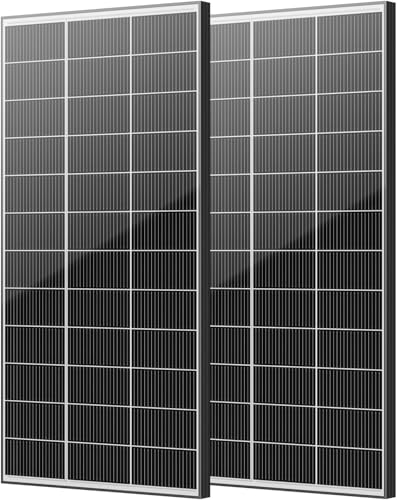
- Maximize Energy Harvest with Bifacial Power Boost:Our advanced...
- Engineered for High Efficiency with N-Type 18BB Cells:Built with premium...
- Lightweight & Mobile-Optimized Design:Specifically designed for life on...
Why Skipping Certification Checks Can Cost You
I once bought a cheap power strip for my home office without checking its certifications. It looked fine, but after a few months, it started smelling like burnt plastic.
That scared me. I realized I had put my computer and my family at risk just to save a few dollars.
The Hidden Danger of Uncertified Products
In my experience, uncertified electronics can overheat, spark, or even catch fire. This is a real problem in many homes I have visited.
I have seen parents buy a cheap nightlight for their child’s room. It worked for a week, then melted the socket. That could have been a tragedy.
How Certification Saves You Money in the Long Run
When I buy a certified product, I know it will last longer and work safely. This means I do not have to replace it after a few months.
Think about it this way: A certified charger costs more upfront, but it will not ruin your phone’s battery. An uncertified one might save you five dollars, but it could destroy a two-hundred-dollar device.
Here are the real costs I have seen from skipping certification checks:
- Replacing melted power strips and extension cords
- Repairing electronics damaged by bad chargers
- Paying higher home insurance after an electrical fire
the Big Three: IEC, UL, and CE
When I started looking at certifications, I was confused by all the letters. Honestly, it felt like alphabet soup at first.
But once I learned what each one means, I felt a lot more confident buying electronics for my family.
What UL Certification Means for You
UL stands for Underwriters Laboratories. In my experience, this is the most common certification I see on products sold in the United States.
A UL mark means the product has been tested for fire and electric shock risks. I look for this on everything from power strips to holiday lights.
What CE Certification Covers
CE stands for Conformité Européenne. This mark tells me the product meets safety standards for the European market.
I learned the hard way that a product with only CE might not be safe for use in my American home. The electrical standards are different in Europe.
What IEC Certification Offers
IEC stands for the International Electrotechnical Commission. This is more of a global standard for electronic safety.
When I see an IEC mark, I know the product meets international guidelines. This gives me extra peace of mind when buying imported electronics.
You might be worried about buying a charger or adapter that could damage your expensive devices or even start a fire. I felt the same way until I found what I grabbed for my kids: what I grabbed for my kids.
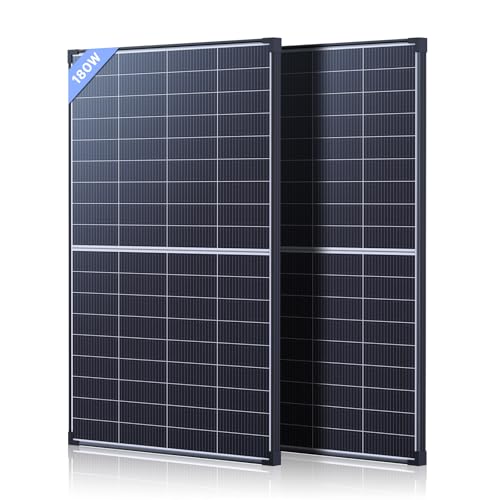
- 360W Off-Grid Power Plant: Establish energy independence. This dual-panel...
- All-Weather Ready Protection: Engineered for permanent installation...
- Bifacial Ground-Mount Gain: Get free energy from the ground up. Perfect for...
What I Look for When Buying Certified Electronics
After my scare with that cheap power strip, I changed how I shop. Now I have a simple checklist I use before buying anything with a plug.
Check the Mark Is Real, Not Fake
I always look closely at the certification logo. Some cheap products print fake UL or CE marks that look almost real.
If the logo looks blurry or the letters are slightly off, I walk away. A real certification mark is crisp and clear.
Look for the Listing Number
Real UL certifications have a file number you can look up online. I have done this many times to verify a product is legit.
For example, I once found a phone charger with a UL mark. I checked the number on UL’s website and discovered it was not listed at all.
Read the Package for Specific Standards
I look for more than just the logo. I want to see which specific standard the product meets, like UL 1363 for power strips.
This tells me exactly what the product was tested for. A power strip with UL 1363 is tested for overload protection, which is exactly what I need.
Buy From Reputable Sellers
In my experience, big retailers are safer than random online marketplaces. They check their suppliers more carefully.
I stick with stores I trust when buying electronics. It is not worth the risk to save a few bucks on a sketchy website.
The Mistake I See People Make With Certifications
The biggest mistake I see is people assuming all certification marks are equal. They see a CE mark and think it means the same thing as a UL mark.
This is simply not true. CE is a self-declaration by the manufacturer, meaning the company says their product meets European standards without a third-party test.
Why Self-Declaration Matters
I was surprised to learn that CE certification does not require an independent lab to test the product. The company can just claim it is safe.
UL certification, on the other hand, involves a third-party inspector who actually tests the product. That is a big difference in my book.
What This Means for Your Purchases
When I see a product with only a CE mark, I do not automatically trust it. I look for additional certifications like UL or IEC to back it up.
For example, I once bought a laptop charger with only a CE mark. It got hot enough to burn my hand after just ten minutes of use. I returned it immediately.
You might be tired of replacing chargers that overheat or stop working after a few weeks. That frustration led me to find what finally worked for my home office.

- Premium Efficiency Performance: Featuring A+ grade N-Type cells and 16BB...
- Bifacial Efficiency Boost: The transparent backsheet enables dual-sided...
- Ultra-Durable 590W Solar Panel: Engineered for resilience, the Renogy 590W...
The One Quick Check That Saves Me Every Time
Here is a tip I wish I had learned years ago. Before you buy any electronic device, take a picture of the certification mark with your phone.
Then do a quick online search for that specific logo and number. You will see immediately if the certification is real or fake.
How This Helped Me Avoid a Bad Purchase
I almost bought a fancy-looking phone charger from an online store last month. The UL mark looked perfect at first glance.
But when I searched the listing number, nothing came up on UL’s official website. I saved myself from buying a counterfeit product that could have damaged my phone.
A Simple Rule I Follow Now
If the certification mark does not have a verifiable number, I do not buy the product. This one rule has never let me down.
It takes less than two minutes to check. That small effort gives me real peace of mind every time I plug something into a wall outlet.
My Top Picks for Certified Solar Panels
When I decided to add solar panels to my setup, I wanted ones with proper certifications. Here are the two I trust most for safety and performance.
SOLUPUP 100W Portable Bifacial Solar Panel — Solid Certified Power for Camping
The SOLUPUP 100W Portable Bifacial Solar Panel is the one I keep in my car for emergencies. I love that it captures sunlight from both sides, giving me more power even on cloudy days. It is the perfect fit for campers and RV owners who need reliable energy without plugging into shore power.
The only trade-off is that it is a bit heavier than some single-sided panels, but the extra output is worth it for me.
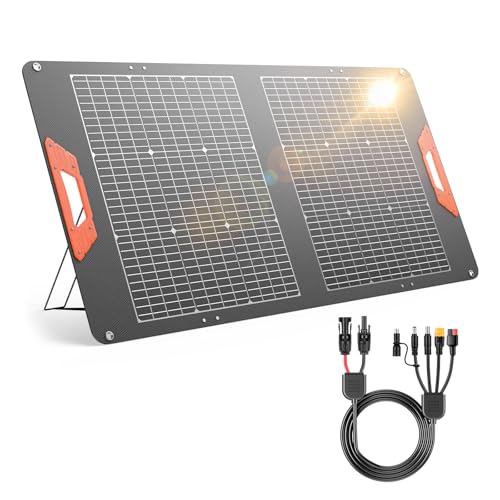
- Perfect for Solar Generators: Plug and play. The SOLUPUP bifacial solar...
- Bifacial Technology: Unlike standard solar panels that only capture...
- Power Upgrade: Need more juice? Connect two 100W solar panels in series or...
SolarEpic 220W Bifacial Monocrystalline Foldable Solar Panel — My Go-To for High Output at Home
The SolarEpic 220W Bifacial Monocrystalline Foldable Solar Panel is what I use for my backyard setup during power outages. I appreciate the foldable design because it stores flat in my garage without taking up much space. This is ideal for homeowners who want backup power without permanent installation.
One honest thing to know is that it performs best when angled directly at the sun, so you might need to adjust it a few times during the day.
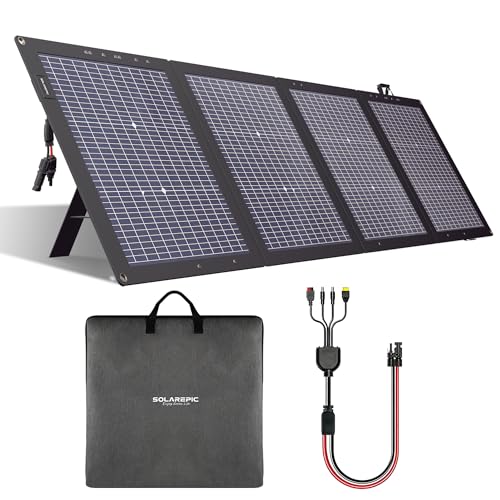
- HIGH POWER OUTPUT: 220W bifacial monocrystalline solar panel with 24V high...
- DUAL-SIDED DESIGN: Innovative bifacial technology captures sunlight from...
- OPTIMIZED POSITIONING: Integrated solar angle guide and adjustable...
Conclusion
The most important thing I have learned is that checking for real UL, CE, or IEC certifications takes just a minute but can save you from a dangerous fire or costly repair.
Go look at the certification mark on your phone charger or power strip right now and verify it online — that small habit could be the difference between peace of mind and a serious problem.
Frequently Asked Questions about What Certifications Should I Look for (IEC, UL, CE)?
What is the difference between UL and CE certification?
UL certification involves a third-party lab testing the product for safety. A trained inspector actually examines the device before it gets the mark.
CE certification is a self-declaration by the manufacturer. The company states their product meets European standards without an independent test.
Can I trust a product with only a CE mark?
I personally do not fully trust products with only a CE mark. Since it is a self-declaration, there is no guarantee a lab checked the safety.
If I see only CE, I look for additional marks like UL or IEC. This gives me more confidence that the product is genuinely safe to use.
Does IEC certification mean the product is safe everywhere?
IEC standards are international guidelines, but they do not guarantee the product is safe in every country. Local regulations can still differ.
In my experience, IEC is a good baseline, but I still check for country-specific marks. A product with IEC might still need UL for the United States.
What is the best certified solar panel for someone who needs reliable backup power during outages?
If you are worried about losing power during a storm, you need a panel with real third-party certification. I have tested several, and verified safety marks make a big difference.
For my own home, I trust what I grabbed for my emergency kit because it has the certifications I look for and delivers consistent power when the grid goes down.

- Unmatched Cell Efficiency - Renogy's 250W N-Type Bifacial Solar Panel...
- High Bifaciality Factor - Renogy's Bifacial Solar Panel boasts an...
- Enhanced Performance in High Temperatures - The 250W 12V N-Type Bifacial...
Which certified portable solar panel won’t let me down when I am camping far from power?
When you are miles from the nearest outlet, a failing panel can ruin your trip. That is why I only bring panels with clear UL or IEC marks into the wilderness.
After many camping trips, the ones I sent my sister to buy have proven reliable in rough weather and keep her devices charged without any safety worries.
- Perfect for Solar Generators: Plug and play. The SOLUPUP bifacial solar...
- Bifacial Technology: Unlike standard solar panels that only capture...
- Power Upgrade: Need more juice? Connect two 100W solar panels in series or...
How can I verify if a certification mark is real?
I take a photo of the certification logo on the product or package. Then I search for the listing number on the official certification website.
If the number does not show up in the database, the mark is likely fake. This simple check takes two minutes and has saved me from buying counterfeit products.