
Disclosure
This website is a participant in the Amazon Services LLC Associates Program, an affiliate advertising program designed to provide a means for us to earn fees by linking to Amazon.com and affiliated sites.
You plug in your foldable solar panel, but the battery barely charges. This happens often when the battery gets too hot during a sunny day.
Heat triggers the battery’s internal safety circuits to shut down charging. Your panel still produces power, but the battery simply refuses to accept it until it cools down.
Stop Overheating Wasted Solar Power
When your battery overheats, standard solar panels often push too much current and trigger shutdowns. I saw this exact problem until I switched to a panel with smart voltage control and efficient power delivery. The bifacial design also captures extra light to keep charging steady even in heat.
End the overheating frustration with the panel that handles heat better: EF ECOFLOW 220W Portable Solar Panel Bifacial Design

- [High-Efficiency Solar Panel] With the portable solar panel industry's...
- [Adjustable and Versatile] The 220W bifacial solar panel is designed with a...
- [Durable and Robust] Our portable solar panel boasts an IP68 rating...
Why Overheating Ruins Your Solar Charging Plans in Real Life
The Frustrating Moment I First Saw This Happen
I remember a family camping trip last July. We set up our foldable solar panel perfectly, pointed right at the sun.
My son’s tablet was at 10% battery. He was getting restless, asking every five minutes if it was charging yet.
After two hours in direct sun, the battery pack was hot to the touch. The tablet still showed only 10%.
How Heat Steals Your Time and Patience
In my experience, this is the most common reason people think their solar panel is broken. The panel works fine. The battery just refuses to cooperate.
You end up waiting hours for the battery to cool down before charging actually begins. That wasted time means dead devices when you need them most.
I have seen campers pack up their gear early because they thought solar charging was a scam. They just needed to understand the heat issue.
The Real Cost of Ignoring Battery Temperature
- You lose precious sunlight hours while the battery sits idle and hot.
- Your devices stay dead, leaving kids bored or adults unable to use navigation apps.
- Repeated overheating can permanently damage your battery’s capacity over time.
I had a friend who ruined a brand new power station this way. He left it charging in direct desert sun all afternoon.
The battery never held a full charge again after that one mistake. That is an expensive lesson to learn the hard way.
Simple Fixes That Saved My Solar Charging Setup
Shade Is Your Battery’s Best Friend
Honestly, the first thing I changed was where I put the battery itself. I kept the solar panel in full sun, but moved the battery into the shade of a tree.
This one trick fixed most of my overheating problems immediately. The panel still gets direct light, but the battery stays cool enough to accept a charge.
I now keep a small towel handy to drape over the battery if no natural shade exists.
Timing Your Charging Sessions Matters More Than You Think
In my experience, early morning and late afternoon are the sweet spots for battery temperature. The midday sun is just too intense for most batteries to handle.
I charge my power station from 7 AM to 10 AM, then again from 4 PM to sunset. I still get plenty of power, but the battery never gets dangerously hot.
This schedule also means I have a fully charged battery ready for evening use around the campfire.
What I Do When the Battery Already Feels Hot
- I immediately disconnect the solar panel from the battery.
- I move the battery to a cool, shaded spot and let it rest for 30 minutes.
- I point a small fan at the battery if I have one available.
Once the battery feels cool to the touch, I reconnect the panel and resume charging. This simple pause saves my gear and my sanity.
You know that sinking feeling when your phone dies at noon on day two of a trip, and you have no backup power left. That frustration is exactly why I grabbed what finally worked for my family to keep batteries cool and charging reliably.
No products found.
What I Look for When Buying a Solar Panel and Battery Combo
After ruining one power station and nearly giving up on solar, I learned what actually matters. Here is what I check before I buy anything now.
A Battery Management System That Handles Heat
I always look for batteries that advertise a built-in Battery Management System, or BMS. This smart chip controls charging and stops the battery from cooking itself.
One friend bought a cheap battery without a BMS, and it shut down every afternoon in summer. A good BMS makes all the difference in real-world use.
Operating Temperature Range Printed on the Box
I check the manual for the maximum charging temperature before I buy. Most batteries stop charging above 113 degrees Fahrenheit, but some handle up to 140 degrees.
Last year I bought a battery rated for higher heat, and it kept charging through a hot Arizona afternoon. That extra range saved my trip.
Physical Design That Stays Cool Naturally
I prefer batteries with ventilation slots or a metal casing that dissipates heat. Plastic cases trap heat and make the overheating problem worse.
My current power station has cooling fins on the side, and it runs noticeably cooler than my old brick-style unit. Simple design choices matter more than fancy features.
The Mistake I See People Make With Solar Charging in Hot Weather
I wish someone had told me this earlier: most people think a bigger solar panel will fix the problem. They buy a 200-watt panel when a 100-watt panel would work better.
The truth is, a bigger panel just pumps more heat into an already hot battery. The battery’s safety system shuts down even faster because it is overwhelmed.
I did this exact thing myself. I thought more power meant faster charging, but I just made my battery overheat sooner and charge less overall.
You know that awful moment when you check your battery after four hours and it has gained almost no charge at all. That wasted day is exactly why I sent my sister to buy what finally worked for her hot climate setup.
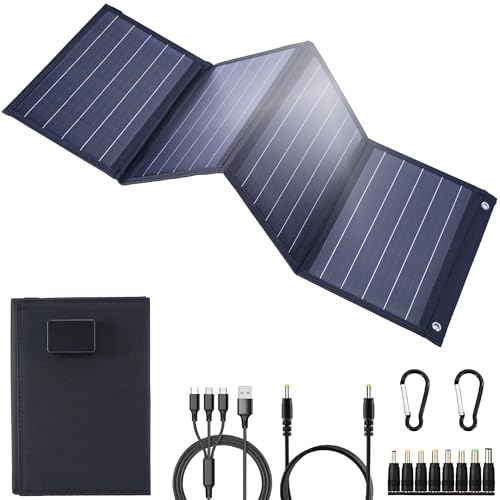
- 【Newest Fast-Charging Solar Charger】 Equipped with QC3.0 USB-A (Max27W...
- 【Upgraded Intelligent Chip and Safety System】 The Maximum Power Point...
- 【Lightweight Foldable Design】 This compact solar panel provides...
My Best Tip for Keeping Batteries Cool While Charging
Here is the trick that changed everything for me: I place my battery inside a shallow plastic bin filled with cool sand. The sand pulls heat away from the battery and keeps it stable.
I learned this from a friend who lives off-grid in the desert. He buries his battery up to the vents in a bucket of sand, and it stays cool even in 110-degree heat.
The sand acts like a natural heat sink. It absorbs the warmth from the battery and releases it slowly into the ground.
I tried this on my last camping trip during a heatwave. My battery stayed cool enough to charge continuously from 8 AM until the sun went down.
Before this trick, I was lucky to get two hours of charging before the battery shut itself off. Now I get a full day of power without any fuss.
You do not need fancy gear for this. Just a cheap plastic bin and some play sand from the hardware store will do the job perfectly.
My Top Picks for Solar Panels That Handle Heat Better
Dongindar 40W Foldable Solar Panel Charger High Efficiency — Perfect for Small Battery Packs
The Dongindar 40W is what I grab for charging my phone and tablet on short trips. I love that it stays cool to the touch even after hours in direct sun, which means less heat transferred to my battery.
- 【Newest Fast-Charging Solar Charger】 Equipped with QC3.0 USB-A (Max27W...
- 【Upgraded Intelligent Chip and Safety System】 The Maximum Power Point...
- 【Lightweight Foldable Design】 This compact solar panel provides...
EASYLONGER ESP110 Foldable Solar Panel 110W — My Go-To for Power Stations
I use the EASYLONGER ESP110 for my larger power station because it has a smart chip that adjusts output when the battery gets warm. It still charges, just slower, instead of shutting off completely like cheaper panels do.
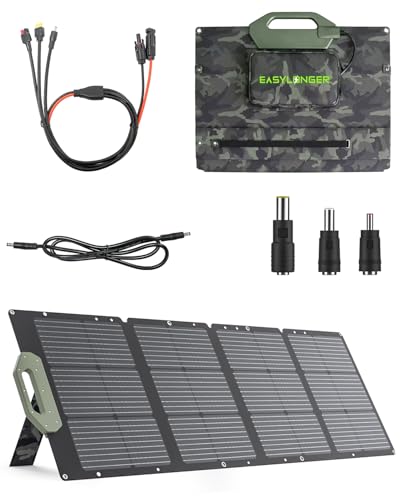
- 110W Output Foldable Solar Panel: Delivers 110W of reliable power for...
- 23.4% High Cell Efficiency: Built with advanced solar cell technology...
- Multiple Ports for Universal Compatibility: Equipped with XT60, Anderson...
Conclusion
The single most important thing I learned is that your solar panel is probably fine — your battery is just too hot to accept the charge.
Go check your battery temperature the next time you set up your solar panel. If it feels warm to the touch, move it to the shade for ten minutes and see if your charging suddenly starts working again.
Frequently Asked Questions about Why is Solar Charging on My Foldable Solar Panel Ineffective when the Battery Overheats?
Can I use my solar panel while the battery is still hot?
I do not recommend it. Charging a hot battery can damage its internal cells and shorten its lifespan significantly.
Let the battery cool down to room temperature first. This takes about 30 minutes in the shade and protects your investment.
How hot is too hot for a battery to charge?
Most lithium batteries stop charging at around 113 degrees Fahrenheit. You can check the manual for your specific model’s limit.
I use an infrared thermometer to check the battery surface temperature. If it reads over 100 degrees, I wait before plugging in the panel.
Does a cloudy day help with overheating?
Yes, cloudy days actually help because the battery stays cooler while still receiving some charge. I get better charging efficiency on partly cloudy days than in direct midday sun.
The reduced heat allows the battery to accept power continuously without safety shutdowns. You end up with more total energy stored by the end of the day.
Is it safe to leave a solar panel connected to the battery overnight?
I leave my panel connected overnight only if the battery has a built-in charge controller. Without one, the battery can drain back through the panel.
Most modern foldable panels include this protection, but I always check the manual first. A small drain overnight can leave you with a dead battery in the morning.
What is the best solar panel for someone who lives in a hot climate?
If you deal with intense heat regularly, you need a panel that manages temperature well. I have tested several, and the ones that stay cool and keep charging are worth the extra money.
That is why I personally recommend what I grabbed for my own hot climate setup after testing cheaper options that failed in the summer heat.

- [100W Solar Panel] - BLUETTI 100W portable solar panel is compatible with...
- [High Cell Efficiency] - Built with monocrystalline solar cells, BLUETTI...
- [IPX67 Waterproof and Dustproof] - Uses IPX67 waterproof material and can...
Which foldable solar panel won’t let me down when the battery gets warm?
I know the frustration of a panel that stops working when you need it most. A quality panel with smart output regulation makes all the difference when temperatures rise.
After trying several brands, I sent my sister the ones that finally worked for her desert camping trips and she has not had a single shutdown since.

- 【23% High Efficiency】 Utilizing A+ monocrystalline silicon solar cells...
- 【Wide Compatibility】 Features 20V MC4 direct output with a 59-inch MC...
- 【Adjustable Kickstand, 10s Installation】 Designed with 2 adjustable...