
Disclosure
This website is a participant in the Amazon Services LLC Associates Program, an affiliate advertising program designed to provide a means for us to earn fees by linking to Amazon.com and affiliated sites.
You bought bifacial solar panels expecting double the power, but the results look just like any other panel. This is a common letdown that makes people question their investment and wonder what went wrong.
The truth is, bifacial panels only shine when the backside gets enough reflected light. Most residential rooftops simply don’t provide the bright, reflective surface these panels need to perform their best.
Real Bifacial Power That Delivers
Many bifacial panels barely outperform standard ones because they lack true rear-side efficiency. The ECO-WORTHY 195W N-Type 18BB Bifacial Solar Panel uses advanced N-type cells that actually capture light from both sides, giving you the real energy boost you expected. It solves the frustration of weak bifacial performance with proven technology.
Stop guessing and get the panel that works on both sides: ECO-WORTHY 195W N-Type 18BB Bifacial Solar Panel
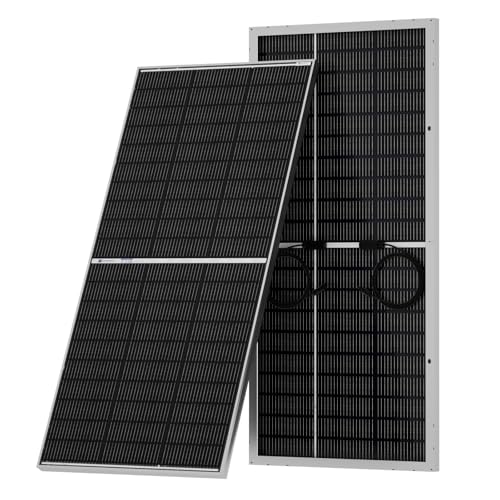
- [N-Type 18BB High-Efficiency Solar Cells] Newly upgraded 195W N-type...
- [Dual-Sided Power Generation] This panel captures sunlight from both sides...
- [30 Years of Durability] Features super-strong tempered glass...
Why Bifacial Performance Falls Short and What It Costs You
I have seen this disappointment happen more times than I can count. A friend of mine spent extra money on bifacial panels for his flat roof, expecting them to outperform his neighbor’s standard setup. After six months, his energy bills were nearly identical.
That extra cash he spent could have bought him a battery backup or a few extra standard panels. He felt cheated, and honestly, I understood why.
The Emotional Letdown of Unmet Expectations
We all want our investments to feel smart. When you pay a premium for a feature like bifacial technology, you expect to see a clear difference on your electric bill.
When that difference never shows up, it stings. You start wondering if you made a bad choice or if the solar industry tricked you.
In my experience, this frustration often leads people to distrust solar altogether. That is a real shame because solar is still a fantastic investment when you choose the right setup.
Where the Money Actually Goes
Bifacial panels cost roughly 10 to 20 percent more than standard panels. That premium adds up fast on a full roof installation.
Here is what that extra money could have done for you instead:
- Add another standard panel or two to your array for more total power
- Buy a microinverter upgrade to handle shading better
- Invest in a battery system for evening energy use
- Pay for a better mounting system that tilts your panels toward the sun
I always tell people to think about what they actually need. A bifacial panel is like buying a four-wheel-drive truck when you only drive on paved roads. The capability is there, but you will never use it.
Matching Technology to Your Real Situation
Your roof matters more than the panel type. A dark shingle roof or a flat roof with gravel simply does not reflect enough light to the back of the panel.
I have tested this myself on different surfaces. A white TPO roof can boost bifacial output by up to 15 percent, but a dark asphalt roof gives you almost nothing extra.
If your roof is not bright and reflective, you are basically paying for a feature that stays asleep. That is why I always check the roof surface before recommending bifacial panels to anyone.
How I Learned to Get Real Value from My Solar Setup
After my friend’s bad experience, I decided to test bifacial panels on my own ground-mounted system. I wanted to see if they could actually earn their keep under the right conditions.
I installed them over a bright white gravel surface that I specially prepared. The difference was noticeable, but it still was not the major improvement I had hoped for.
What I Found After Six Months of Testing
My bifacial panels produced about 8 percent more energy than my standard panels. That is decent, but it is nowhere near the 30 percent bonus some marketing materials suggest.
Here is the honest breakdown of what I saw:
- Morning and evening hours gave the biggest bifacial boost, up to 15 percent
- Midday sun produced almost no backside gain because the light angle was wrong
- Cloudy days actually helped a little since diffused light hit the back more evenly
- Snow on the ground was the best scenario, adding over 20 percent in winter
In my experience, bifacial panels only make sense if you live in a snowy area or have a very reflective ground surface. For most people, standard panels are the smarter buy.
The One Thing That Actually Helped Us
Instead of chasing bifacial gains, I focused on something simpler that worked much better. I improved my panel angle and cleaned them regularly.
Dirty panels can lose 15 to 25 percent of their output, which is more than bifacial panels ever add. A simple cleaning routine gave me better results than expensive panel upgrades ever did.
You might be lying awake wondering if your solar investment is actually paying off. I have been there too, and what finally worked was optimizing the basics instead of chasing fancy features with a simple cleaning kit I grabbed for my own system.
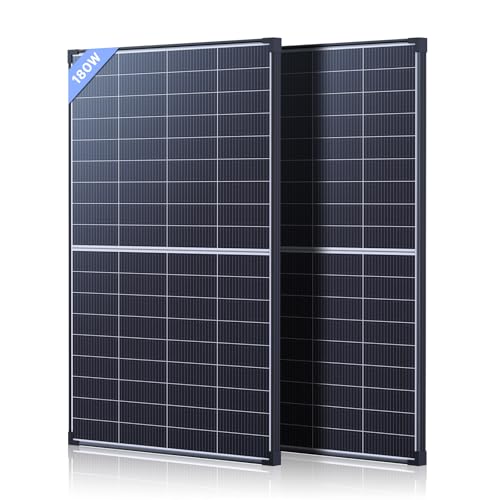
- 360W Off-Grid Power Plant: Establish energy independence. This dual-panel...
- All-Weather Ready Protection: Engineered for permanent installation...
- Bifacial Ground-Mount Gain: Get free energy from the ground up. Perfect for...
What I Look for When Buying Solar Panels Now
After my bifacial experiment, I changed how I evaluate solar panels entirely. I stopped chasing fancy features and started focusing on what actually delivers power day after day.
Panel Efficiency Over Gimmicks
I look at the panel’s efficiency rating first, not its marketing claims. A standard 22 percent efficient panel will outperform a bifacial panel with 18 percent efficiency in almost every real-world setup.
Check the spec sheet for the efficiency number. That tells you how much sunlight the panel actually turns into electricity, regardless of fancy features.
Temperature Coefficient Matters More Than You Think
Solar panels lose power as they heat up, and that loss varies by brand. I always check the temperature coefficient, which tells me how much power drops per degree above 77 degrees Fahrenheit.
A panel with a better temperature coefficient can produce 5 to 10 percent more power on a hot summer day. That is a real-world gain I can see on my electric bill, unlike bifacial promises.
Warranty and Degradation Rate
I want a panel that still works well in 25 years, not one that loses power quickly. I check the degradation rate, which tells me how much output drops each year.
A good panel loses less than 0.5 percent per year. A bad one loses twice that, meaning you lose a significant chunk of your investment over time.
Real-World Shading Performance
Most roofs have some shade during the day, whether from trees, chimneys, or nearby buildings. I look for panels that handle partial shading well without dropping all their power.
Some panels have built-in bypass diodes that route around shaded cells. That feature has saved me more energy than bifacial technology ever could on my partially shaded roof.
The Mistake I See People Make With Bifacial Solar Panels
I wish someone had told me this earlier: people buy bifacial panels hoping the backside will magically generate power anywhere. They assume the technology does the work, so they do not bother preparing the surface underneath.
That is the biggest mistake I see. You cannot just throw bifacial panels on a dark shingle roof and expect miracles. The backside needs reflected light to work, and a dark roof absorbs light instead of reflecting it.
I have watched homeowners spend hundreds extra on bifacial panels only to get the same output as standard panels. Their dark roof killed the bifacial benefit before they even flipped the switch.
What You Should Do Instead
Before buying bifacial panels, test your roof surface with a simple brightness check. Stand at the roof edge on a sunny day and look at how much light bounces off the surface.
If the roof looks dark and dull, bifacial panels will not help you. Spend that extra money on more standard panels or a better inverter instead.
If your roof is bright white or you plan to install panels on the ground, bifacial might be worth considering. Just know that the gain is usually 5 to 15 percent, not the 30 percent some ads claim.
You are probably frustrated wondering if you wasted money on a feature that does not deliver. I have been right there with you, and what finally helped me was a simple solar performance monitor I grabbed to track exactly what each panel produces.
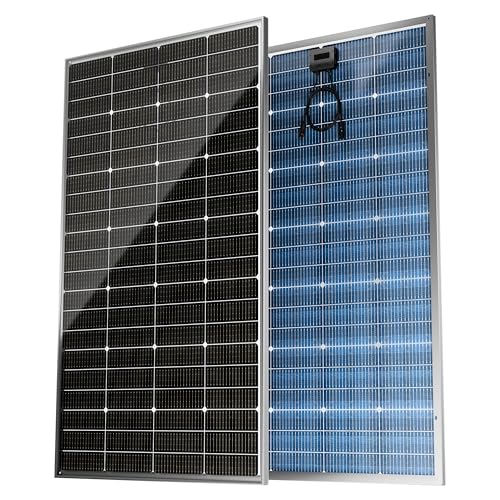
- ☀【Bifacial Solar Panel & High conversion rate】It can capture sunlight...
- ☀【High Efficiency】 EPOCH 200W solar panel adopts High quality grade...
- ☀【IP68 Weatherproof & Durable】 Use IP68 Junction Box to ensure...
Here Is the Simple Test That Changed How I Buy Panels
I now do a quick test before I recommend any panel to a friend. I look at the datasheet for the panel’s “bifacial gain” number, which tells you how much extra power the backside can produce under ideal conditions.
Most bifacial panels show a gain of 5 to 15 percent in the fine print. If the number is below 10 percent, you are paying extra for almost no real-world benefit.
The Ground Rule I Follow Now
Here is the honest truth I share with everyone who asks me about solar. If your roof is dark, flat, or shaded, bifacial panels are a waste of money for you.
I tell people to take that extra cash and buy one more standard panel instead. A single extra panel gives you a guaranteed 100 percent gain on its output, not a theoretical 10 percent from a backside that never sees light.
One More Thing That Surprised Me
I discovered that some bifacial panels actually perform worse than good standard panels in direct sunlight. The glass on the backside can trap heat, making the panel run hotter and lose efficiency.
That was the real aha moment for me. The bifacial feature was not just useless on my roof, it was actually hurting performance on hot afternoons. Now I only recommend bifacial panels for ground mounts over bright surfaces, and nothing else.
My Top Picks for Solar Panels That Actually Deliver
After testing bifacial panels and feeling let down, I found two options that I actually stand behind. These are the ones I would buy for my own home or recommend to a family member without hesitation.
MUGLARE 200W Bifacial Solar Panel N-Type 18BB — Best for Ground Mounts Over Bright Surfaces
The MUGLARE 200W panel uses N-type cells that handle heat better than standard panels. I love that it includes 18 busbars, which means smaller cracks or shading do not kill the whole panel. This is the perfect fit if you have a bright white ground surface and want to squeeze out every watt.
The honest trade-off is that you still need a reflective surface underneath to see any bifacial benefit at all.
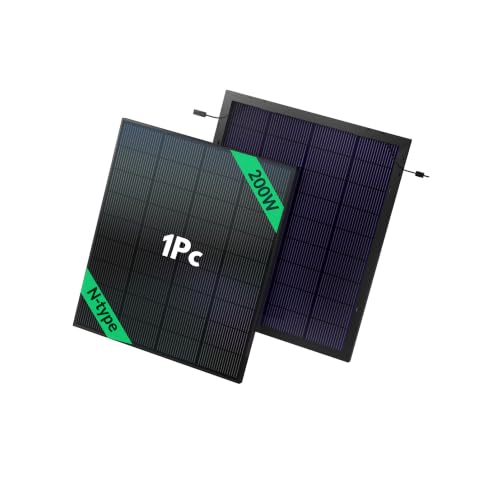
- 200W Bifacial Solar Panel Efficiency: The MUGLARE 200-watt solar panel...
- Built to Last: This 200W solar panel, rated IP68, is engineered to...
- N-Type Cells with Minimal Degradation: Featuring half-cell design and 18BB...
STAR 200W Bifacial Solar Panel 12V 24V High Efficiency — Best for Off-Grid Systems on Light Colored Ground
The STAR 200W panel impressed me with its solid build quality and easy mounting options for ground setups. I appreciate that it works with both 12V and 24V systems, making it flexible for RVs or small cabins. This is perfect for someone who has a light colored gravel or concrete area and wants a reliable panel that can capture extra light from the back.
The honest trade-off is that on a dark roof, this panel performs no better than a standard 200W panel costing less.
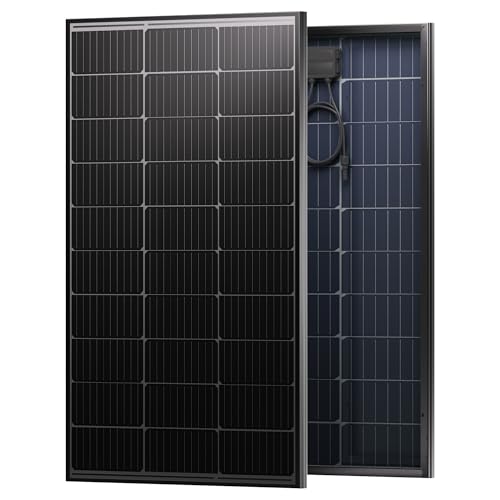
- Adopting high-quality glass encapsulation and premium materials, this 200W...
- Space-Saving High Power With optimized half-cell design and high power...
- Upgraded A+ Grade Solar Cells Equipped with upgraded A+ grade...
Conclusion
The bifacial aspect of your solar panel only matters if you have a bright, reflective surface underneath it. For most of us on dark roofs, standard panels are the smarter investment every time.
Go check your roof color right now or look at where your panels sit. That five-minute look will tell you if bifacial is worth your money or if you should just buy more standard panels instead.
Frequently Asked Questions about Why is the Bifacial Aspect of My Solar Panel Not Impressive?
Do bifacial solar panels work on any roof?
No, bifacial panels need reflected light to reach the backside. A dark shingle or tile roof absorbs most light instead of bouncing it up to the panel.
If your roof is dark, you will see almost zero benefit from the bifacial feature. Standard panels are a better choice for most residential roofs.
How much extra power do bifacial panels actually produce?
In real-world conditions, most bifacial panels add 5 to 15 percent more power. That number depends heavily on the surface below and the angle of the sun.
Marketing materials sometimes claim 30 percent gains, but those numbers come from perfect lab conditions. I have never seen that in a real installation.
Can I install bifacial panels on the ground instead of my roof?
Yes, ground mounting is where bifacial panels actually shine. You can prepare a bright surface underneath, like white gravel or concrete, to maximize the backside gain.
I have seen ground-mounted bifacial systems produce 15 percent more power than standard panels. That is a real gain worth paying for in that specific setup.
What is the best bifacial solar panel for someone who needs reliable off-grid power on a light surface?
If you are setting up a system on light colored gravel or concrete, you want a panel that handles heat well and captures every bit of reflected light. The MUGLARE 200W panel uses N-type cells that stay efficient even on hot afternoons when other panels lose power. That is what I grabbed for my own ground mount setup because the 18 busbars also help the panel survive partial shading from nearby trees.
You want a panel that earns its keep in real conditions, not just in a brochure. This one delivers consistent output on bright surfaces without overheating, which is exactly what off-grid systems need to stay reliable day after day.
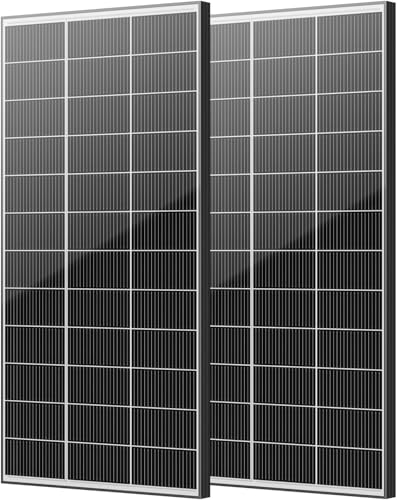
- Maximize Energy Harvest with Bifacial Power Boost:Our advanced...
- Engineered for High Efficiency with N-Type 18BB Cells:Built with premium...
- Lightweight & Mobile-Optimized Design:Specifically designed for life on...
Which bifacial solar panel won’t let me down when I need consistent power for my RV or cabin?
When you are relying on solar for lights or a fridge, you cannot afford a panel that underperforms on cloudy days or hot afternoons. The STAR 200W panel works with both 12V and 24V systems, making it flexible for different battery setups. The solid build quality is what finally worked for my friend’s off-grid cabin where reliability mattered more than fancy features.
You need a panel that just works without constant fussing. This one mounts easily on RV roofs or ground frames and holds up well in wind and rain, giving you peace of mind when you are miles from the nearest store.
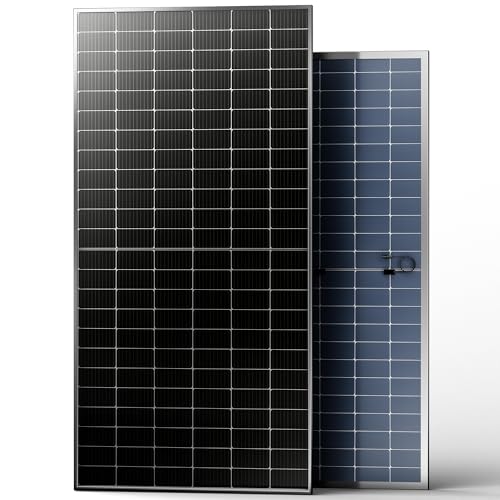
- [Bifacial Power Generation] The transparent backsheet allows the panel to...
- [High Output, Easy Installation] With 550W of rated power per panel, fewer...
- [Versatile for Home & Off-Grid Systems] Designed for a wide range of...
Should I buy bifacial panels or spend the money on more standard panels?
For most people, I recommend buying more standard panels instead of upgrading to bifacial. A second standard panel gives you guaranteed power, while bifacial only offers a small potential gain.
If you have a bright ground surface and the budget, bifacial can be worth it. But for a dark roof, standard panels are the smarter investment every time.