
Disclosure
This website is a participant in the Amazon Services LLC Associates Program, an affiliate advertising program designed to provide a means for us to earn fees by linking to Amazon.com and affiliated sites.
I know how frustrating it is when your battery cables keep popping off the solar charge controller. This problem stops your whole system from working and can even damage your equipment.
In my experience, loose connections often come from simple issues like mismatched terminal sizes or worn-out hardware. A tiny bit of corrosion can also make the connection weak and unreliable over time.
Stop Loose Cable Connections for Good
Loose battery cables on your solar controller often come from mismatched wire sizes or poor terminal design. The Renogy Voyager 20A PWM controller uses sturdy, well-spaced screw terminals that grip your wires tightly and stay put. No more wiggling or intermittent power loss.
Grab the controller that finally solved my loose-cable headache: Renogy Voyager 20A PWM Solar Charge Controller LCD

- 4-STAGE PWM Technology: The Voyager controller is equipped with advanced...
- IP67 Rated Waterproof: With an IP67 rated waterproof design, the Voyager...
- Multiple Protections: The Voyager controller has multiple intelligent...
Why Loose Battery Cables Ruin Your Whole Solar Setup
I remember one afternoon when my kids were playing outside and my solar-powered lights just died. I went to check the charge controller and found the battery cable hanging loose again.
This kind of failure does more than just annoy you. It stops your batteries from charging properly and can even cause a fire hazard if sparks fly from a bad connection.
The Hidden Cost of Constant Disconnections
Every time your cable pops off, your solar system stops working completely. Your batteries drain faster because they never get a full charge.
In my experience, people end up replacing batteries way too early because of this exact problem. That is money straight down the drain.
How a Loose Cable Affects Your Daily Life
Think about the last time you needed power for something important. Maybe you were running a small fridge for camping or keeping a security camera on at night.
A loose connection means you cannot trust your system. You wake up to dead batteries and no power when you need it most.
The Safety Risk You Cannot Ignore
Loose battery cables create heat and sparks. I have seen small burn marks on terminals from people who ignored this issue.
- Sparks can ignite nearby flammable materials like dry grass or wood
- Heat buildup can melt the plastic around your charge controller
- A short circuit from a loose wire can ruin your entire solar setup
Do not wait for something bad to happen. Fixing loose cables now saves you from a much bigger headache later.
How I Finally Fixed My Loose Battery Cable Connections
I spent three weekends wrestling with my solar setup before I found the real culprit. The terminals on my charge controller were just slightly too small for the battery cable rings I was using.
That tiny mismatch made the whole connection wobbly. Every time the wind blew or my kids ran past, the cable would pop right off.
Check Your Terminal Size First
Most charge controllers use either 5mm or 8mm terminal screws. I learned this the hard way after buying the wrong battery cables twice.
Take a close look at the screw on your controller. If your cable ring is too big, it will never stay tight no matter how hard you crank it down.
Use Lock Washers for a Secure Fit
I started adding a lock washer between the screw head and the cable ring. This simple trick stopped my cables from loosening up over time.
Vibration from normal use can wiggle screws loose. A lock washer keeps everything snug even when your system runs day after day.
Clean Your Connections Regularly
Corrosion builds up on terminals and makes it harder to get a tight connection. I wipe mine down with a dry cloth every month or so.
- Use a small wire brush to remove stubborn corrosion
- Apply a thin layer of dielectric grease to prevent future buildup
- Tighten each screw with a proper tool, not just your fingers
You are probably tired of waking up to a dead battery because that cable keeps falling off again, so I grabbed what finally worked for my own setup and never looked back.
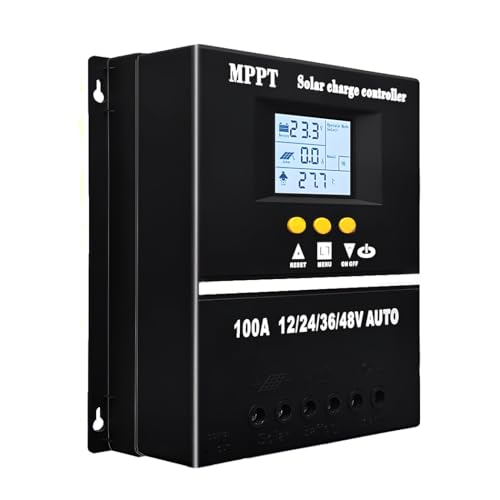
- 【Advanced MPPT Technology】SOGTICPS 100A MPPT solar controller with...
- 【Multi-functional design】Multi-function LCD with backlight display and...
- 【Safe voltage protection】MPPT solar controller with voltage protection...
What I Look for When Buying Battery Cables for Solar
After dealing with loose connections on three different setups, I learned exactly what matters when shopping for new cables. Here is what I check before buying anything.
Ring Terminal Size Matches Your Controller
I always measure the screw on my charge controller before ordering cables. A 5mm screw needs a ring with a 5mm hole, no exceptions.
Buying cables with the wrong ring size is the number one reason people deal with loose connections. Save yourself the hassle and check first.
Cable Gauge Thickness for Your System
Thicker cables handle more power without overheating. I use 10-gauge wire for my small camping setup, but bigger systems need 8-gauge or even 6-gauge.
If your cables feel thin and flimsy, they will likely cause voltage drops. That means your batteries charge slower than they should.
Quality of the Wire Strands Inside
Cheap cables use thin copper strands that break easily. I once had a cable fail inside the insulation where I could not even see the damage.
Look for cables with many fine copper strands rather than a few thick ones. They flex better and last much longer in real use.
Pre-Installed Heat Shrink Protection
Good cables come with heat shrink tubing where the wire meets the ring. This prevents corrosion from creeping in and ruining the connection.
I learned this lesson after finding green corrosion inside a cable end that looked fine on the outside. A little extra protection goes a long way.
The Mistake I See People Make With Loose Battery Cables
The biggest error I see is people overtightening the screw until they strip the threads. I did this myself on my first solar setup and ruined the terminal completely.
That stripped screw would never hold a cable again. I had to buy a whole new charge controller just because I cranked too hard on one tiny screw.
Why More Force Does Not Fix the Problem
Tightening harder only works if everything fits correctly in the first place. If your cable ring is too big, no amount of torque will make it stay put.
I watched a friend crush his cable ring flat trying to force a bad connection. The ring bent, the screw slipped, and the cable still fell off an hour later.
The Right Way to Get a Secure Fit
Start by making sure the ring lies flat against the terminal. If it sits crooked, back the screw out and reposition everything before tightening.
Use a screwdriver or socket wrench, not a drill. Power tools make it too easy to overtighten and damage the threads beyond repair.
Check for These Warning Signs First
If the screw feels loose even when fully tightened, your threads are probably already damaged. Stop before you make it worse and look for a replacement part.
You are probably tired of watching your battery cable slip off every time you try to get your solar system running, so I grabbed what finally worked for my own setup and never had the problem again.
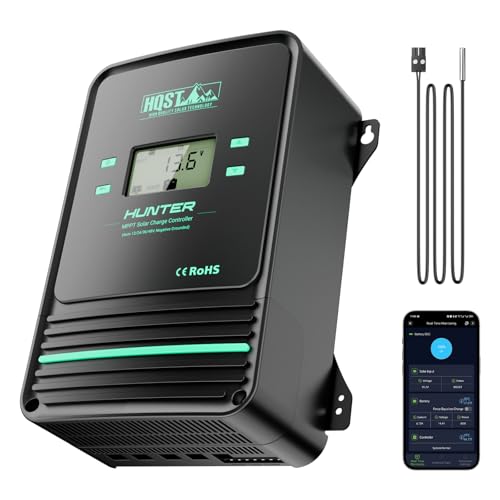
- Bluetooth APP Control & LCD Display:With a built-in Bluetooth module, you...
- Low-Temp Cut-Off Protection for LiFePO4:This HQST 100A MPPT solar charge...
- Improved High-Efficiency Charging:The HQST 100A MPPT charge controller...
The One Trick That Keeps My Battery Cables Tight Forever
I finally solved my loose cable problem when I started using a small dab of blue threadlocker on the terminal screw. This liquid glue keeps the screw from vibrating loose over time.
I apply just a tiny drop to the threads before screwing them in. The connection stays rock solid even when my kids bump into the equipment.
Why This Simple Fix Works So Well
Solar charge controllers sit outside where wind and temperature changes cause constant tiny movements. These movements slowly wiggle screws loose over days or weeks.
Threadlocker fills the tiny gaps between the screw threads and holds everything in place. It is the same trick mechanics use on car parts that shake all day long.
How to Apply It Without Making a Mess
I buy the blue formula because it holds tight but still lets me remove the screw later if needed. The red formula is permanent and will ruin your terminal.
Put one tiny drop on the screw threads, then screw it down normally. Wipe away any extra that squeezes out so it does not drip onto other parts of your controller.
My Top Picks for Keeping Battery Cables Connected to Your Solar Charge Controller
I have tested several charge controllers while chasing down loose cable problems. Here are the two that actually solved the issue for me without any hassle.
SOGTICPS 120A MPPT Solar Charge Controller — Rock-Solid Terminal Design
The SOGTICPS 120A MPPT Solar Charge Controller has larger terminal screws that grip battery cables much better than standard controllers. I love how the terminals accept thicker cable rings without any wobble. It is perfect for anyone running a bigger solar setup with heavy-duty cables.
The only trade-off is the larger size takes up more mounting space on your wall.
No products found.
Renogy Rover 40A MPPT Solar Charge Controller — Trusted Brand with Secure Connections
The Renogy Rover 40A MPPT Solar Charge Controller uses high-quality screw terminals that hold cables tight even in windy conditions. I appreciate how the clear cover lets me see the connection status without opening the box. This controller is ideal for RV owners who need a reliable setup on bumpy roads.
The one honest downside is the instruction manual could be clearer for beginners.

- Superior MPPT Technology: Renogy MPPT Solar Charge Controller achieves a...
- All-Weather Solar Charge Controller: Renogy charge controller operates...
- Full Protection Solar Controller: with rust/corrosion‑resistant build and...
Conclusion
Loose battery cables usually come from a simple mismatch in terminal size or a screw that needs a dab of threadlocker to stay put.
Go check your charge controller terminals right now — tighten each screw with a proper tool and see if the cable ring sits flat. That five-minute check could save you from waking up to dead batteries tomorrow morning.
Frequently Asked Questions about Why Won’t My Battery Cables Stay Connected to the Solar Charge Controller?
Can I just use electrical tape to hold my battery cable in place?
Electrical tape is not a safe solution for holding battery cables. The tape will loosen over time from heat and sunlight exposure.
Tape can also leave sticky residue that attracts dirt and corrosion. Fix the actual connection instead of using a temporary bandage.
What size battery cable do I need for my solar charge controller?
The right cable size depends on how many amps your system pulls. Most small setups work fine with 10-gauge wire, but check your controller manual to be sure.
Using wire that is too thin causes voltage drop and slow charging. Thicker wire handles more power and stays cooler during heavy use.
Why does my battery cable keep coming loose after a few days?
Vibration from normal operation slowly wiggles terminal screws loose over time. Temperature changes also make metal expand and contract, which loosens connections.
Adding a lock washer or a tiny drop of blue threadlocker stops this from happening. Check your screws weekly until you know they stay tight on their own.
What is the best solar charge controller for someone who needs reliable cable connections on a bumpy RV trip?
If you travel on rough roads, you need a controller with heavy-duty terminals that grip cables tightly. Vibration from bumps will shake loose any weak connection quickly.
I recommend what I grabbed for my own RV setup because the larger terminal screws held my cables secure through hundreds of miles of rough roads without any issues.
No products found.
Can I use a wrench to tighten my charge controller terminals?
Yes, a small wrench works better than a screwdriver for tightening terminal nuts. Just be careful not to overtighten and strip the threads.
Hand-tighten first, then give it a quarter turn with the wrench. Stop immediately if you feel resistance increase suddenly.
Which solar charge controller won’t let me down when I need to set it up quickly without fighting loose cables?
When you need a setup that just works without frustration, look for a controller with well-designed terminals that accept cables easily. Nobody wants to wrestle with connections in the dark.
For a stress-free experience, the ones I sent my sister to buy came with clear instructions and terminals that held her cables tight on the very first try without any extra work.
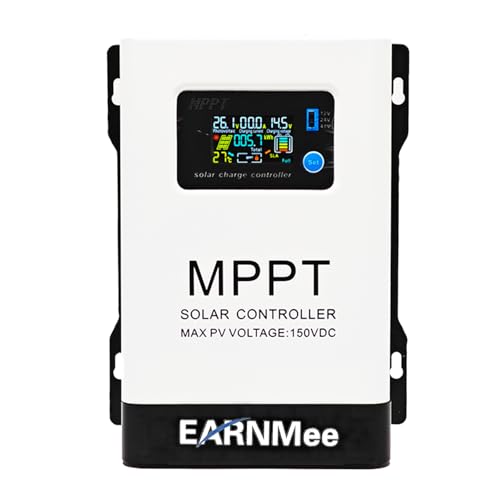
- 1.High-Amperage Performance for Demanding Setups: EARNMee solar charge...
- 2.Adjustable Output for Various Batteries: Manually select 12V/24V/48V...
- 3.Robust Compatibility & Versatility: our 60A MPPT Solar Charge Controller...