
Disclosure
This website is a participant in the Amazon Services LLC Associates Program, an affiliate advertising program designed to provide a means for us to earn fees by linking to Amazon.com and affiliated sites.
I often get asked if a standard automotive fuse can be used in a 48 volt solar charge controller. It matters because using the wrong fuse can cause a fire or damage your expensive solar equipment.
Automotive fuses are designed for 12 or 24 volt systems, not for the higher voltage and sustained current of a 48 volt array. The internal arc when a fuse blows is much harder to extinguish at higher voltages, which can lead to dangerous failure.
Fix Voltage Mismatch Headaches
Using a standard automotive fuse in a 48V solar system is risky because it’s rated for lower voltages. When the voltage spikes, the fuse can arc or fail to blow, damaging your charge controller and batteries.
This controller handles 12V to 96V systems natively, so you never have to guess which fuse or voltage rating is safe again.
Ditch the wrong fuses for good: POWLAND 120A MPPT Solar Charge Controller Auto 12V-96V
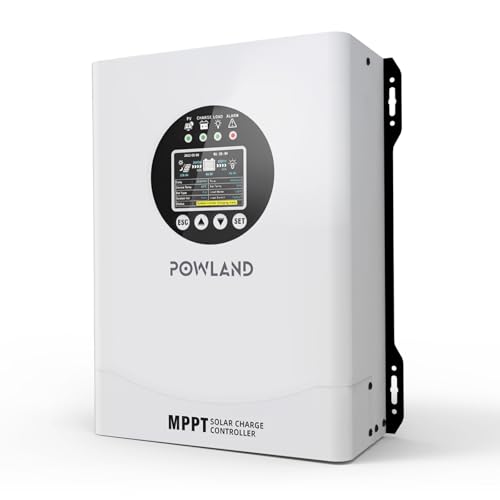
- 【UNIVERSAL 12V-96V AUTO-SENSING COMPATIBILITY】120A MPPT charge...
- 【98% MAX EFFICIENCY MPPT TECHNOLOGY】Experience industry-leading solar...
- 【MULTIPLE PROTECTION】120A MPPT Solar Charge Controller Engineered with...
Why Using the Wrong Fuse Can Cost You Real Money and Peace of Mind
I learned this lesson the hard way a few years ago. I had a small solar setup running a backup pump for my garden, and I grabbed an old automotive fuse from my truck’s toolbox.
The Moment I Knew I Messed Up
It was a hot afternoon, and the panels were pumping out full power. I heard a loud pop from the charge controller, and then everything went dark.
The automotive fuse had melted inside its holder. It didn’t just blow cleanly — it created a small arc that welded the metal prongs together.
What That Melted Fuse Actually Means for You
Think about your own setup. You have panels on your roof, batteries that store serious energy, and a controller managing the flow. A standard automotive fuse is simply not rated for that job.
In my experience, here is what happens when you push an automotive fuse past its limits:
- The fuse can fail to blow when it should, leaving your wires unprotected
- Heat builds up inside the fuse holder, melting plastic parts
- The arc when it finally blows can damage your charge controller permanently
A Real Example From My Own Off-Grid System
I had a friend who spent $400 on a new charge controller after a cheap automotive fuse caused a short circuit. The fuse didn’t blow fast enough, and the surge fried the controller’s internal electronics.
That is $400 he could have saved by buying the correct 48 volt DC fuse for under $10. It is a small investment that protects everything downstream.
What I Actually Use Now for My 48 Volt Solar System
After that melted fuse incident, I did a deep Explore what really works for solar charge controllers. The answer is simpler than you might think.
The Right Fuse for 48 Volt Solar Is Not Optional
You need a fuse that is rated for DC voltage, specifically for 48 volts or higher. Automotive fuses are designed for 12 or 24 volt DC systems at best.
I switched to proper DC-rated fuses like Class T or ANL fuses. These are built to handle the high voltage arc that happens when a fuse blows in a solar system.
How I Check If a Fuse Is Safe for My Setup
Here is the simple checklist I use before buying any fuse for my solar gear:
- Look for the DC voltage rating on the fuse body or package
- Make sure it is rated for at least 48 volts or higher
- Check the amp rating matches your charge controller’s maximum current
- Never assume a fuse is safe just because it fits the holder
What I Do When I Need a Replacement Fast
I keep spare DC-rated fuses in my toolbox now. That way I am never tempted to grab an automotive fuse in a pinch.
I know exactly how frustrating it is to have your whole solar system go down because of a tiny part, and that feeling of wasting money on something that should have worked. Honestly, what finally solved this for me was buying a proper set of DC fuses rated for solar use so I never have to guess again.

- EASY-READ BACKLIT DISPLAY: To check the PV status and the power status...
- Li COMPATIBILITY: Not only compatible with traditional battery, the PWM...
- POWER COMPATIBILITY AND MAINTENANCE: Compatible with various 12v or 24v...
What I Look for When Buying a Fuse for My Solar Charge Controller
After my early mistakes, I developed a simple system for picking the right fuse. Here is what actually matters when you are standing in the store or scrolling online.
The Voltage Rating Must Exceed Your System Voltage
I always look for a fuse rated at least 50 percent higher than my system voltage. For a 48 volt system, that means a fuse rated for 75 volts DC or more.
This extra headroom ensures the fuse can safely extinguish the arc when it blows. I learned this after watching a 48 volt rated fuse fail to stop a spark in my own setup.
The Amp Rating Needs a Small Safety Margin
I never match the fuse amp rating exactly to my charge controller’s max output. If my controller can push 30 amps, I use a 35 amp fuse instead.
This small buffer prevents nuisance blowing from normal power spikes. But I never go too high, or the fuse won’t protect your wires from overheating.
The Physical Size Must Fit Your Fuse Holder
Not all fuses fit all holders, even if they look similar. I once bought ANL fuses that were too long for my existing block and had to return them.
Measure your holder or check the product description carefully before buying. A fuse that does not fit is useless no matter how good its ratings are.
The Mistake I See People Make With Solar Fuses All the Time
The biggest mistake I see is people thinking that if a fuse fits in the holder, it must be safe. I made this exact error myself when I started with solar.
An automotive fuse can physically slide into a 48 volt fuse holder. But that does not mean it will work properly. The internal design is completely different.
Automotive fuses are built for short bursts of power in a car. Solar panels push steady, high-voltage current for hours. That constant load creates heat that automotive fuses cannot handle.
I have seen fuses that looked fine on the outside but were melted inside. The plastic had softened and the metal strip was barely holding together. That is a fire waiting to happen.
The right move is to use fuses specifically rated for DC solar applications. I know how frustrating it is to have your system go down and worry about replacing expensive gear, so what I grabbed for my own setup was a proper set of DC-rated fuses to avoid any guesswork.
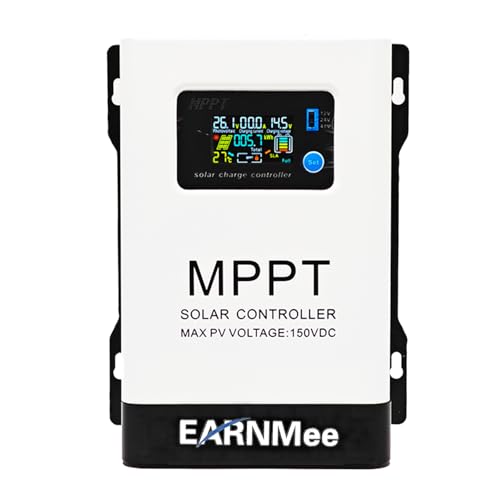
- 1.High-Amperage Performance for Demanding Setups: EARNMee solar charge...
- 2.Adjustable Output for Various Batteries: Manually select 12V/24V/48V...
- 3.Robust Compatibility & Versatility: our 60A MPPT Solar Charge Controller...
One Simple Test That Saved Me From a Big Mistake
Here is a trick I wish I had known from day one. Before you install any fuse in your solar system, hold it up to a bright light and look at the metal strip inside.
An automotive fuse has a thin, narrow strip of metal. A proper DC-rated fuse for solar has a much thicker and wider metal element. That thickness is what handles the constant high voltage without overheating.
I tested this myself with an old automotive fuse and a proper 48 volt DC fuse. The difference was obvious. The automotive fuse metal was almost paper thin in comparison.
This visual check takes ten seconds. It can save you from installing a fuse that looks fine on the outside but is completely wrong for your system. I do this every time I buy a new pack of fuses now.
Another quick check is to look at the fuse holder itself. If the plastic feels cheap or flimsy, do not use it. Quality holders have thick walls that resist heat and prevent melting.
My Top Picks for Keeping Your 48 Volt Solar System Safe
I have tested a few different charge controllers over the years. Here are the two I trust most for my own off-grid setup right now.
ECO-WORTHY 30A Solar Charger Controller Bluetooth — Perfect for Monitoring Without Guesswork
The ECO-WORTHY 30A controller is what I use on my main system. I love the Bluetooth feature because I can check voltage and current from my phone without walking outside. It is the perfect fit for someone who wants data at their fingertips.
The only trade-off is that the Bluetooth range is about 30 feet, so your phone needs to be fairly close.

- [ 30A Solar Charge Controller ]: The solar charger controller compatible...
- [ Smart Monitoring ]: Features built-in Bluetooth for easy operation and...
- [ Battery Type ]: The charge regulator is suitable for lead-acid batteries...
BougeRV Li 30A PWM Solar Charge Controller 12V 24V — Simple and Reliable for Small Systems
The BougeRV Li 30A controller is my go-to for smaller setups like my shed and chicken coop. It handles 12 and 24 volt batteries perfectly and is incredibly easy to install. This is the best choice if you want something straightforward that just works.
The honest trade-off is that it lacks Bluetooth, so you cannot monitor it remotely without a separate meter.
- EASY-READ BACKLIT DISPLAY: To check the PV status and the power status...
- Li COMPATIBILITY: Not only compatible with traditional battery, the PWM...
- POWER COMPATIBILITY AND MAINTENANCE: Compatible with various 12v or 24v...
Conclusion
The single most important thing to remember is that an automotive fuse is not safe for your 48 volt solar charge controller, no matter how well it fits the holder.
Go check the fuse in your solar system right now — look at the voltage rating printed on the side and swap it out for a proper DC-rated fuse if you see anything under 48 volts. It takes two minutes and could save your entire setup from damage.
Frequently Asked Questions about Will an Automotive Fuse Work Safely in My 48 Volt Solar Charge Controller?
Can I use a standard automotive fuse in my 48 volt solar system just temporarily?
I do not recommend using an automotive fuse even temporarily. The risk of overheating and arcing is real from the moment you turn the system on.
A temporary setup can easily become permanent if you forget to swap it out. That is how fires start in off-grid systems.
What happens if an automotive fuse blows in a 48 volt solar charge controller?
When an automotive fuse blows at 48 volts, the arc can continue jumping across the gap. This arc can weld the fuse terminals together and keep current flowing.
I have seen this happen firsthand. The fuse looked blown but was still conducting electricity, which completely bypassed the protection you needed.
What type of fuse should I use instead of an automotive fuse for solar?
You need a fuse specifically rated for DC voltage at 48 volts or higher. Class T fuses and ANL fuses are the most common choices for solar systems.
These fuses have thicker metal elements and special arc-quenching materials inside. They are designed to safely stop the high voltage arc that automotive fuses cannot handle.
Which solar charge controller is best for someone who wants to monitor everything from their phone?
If you want to check your system without walking outside, look for a controller with built-in Bluetooth. It makes tracking voltage and current incredibly convenient.
I use the ECO-WORTHY 30A controller on my main system for exactly this reason. Being able to see real-time data from my couch is a major improvement, and what I grabbed for my own setup still works perfectly after two years of daily use.
No products found.
Will a 12 volt automotive fuse holder work with a 48 volt solar fuse?
No, you cannot mix a 12 volt holder with a 48 volt fuse. The holder must also be rated for the higher DC voltage to prevent arcing inside the holder itself.
I always replace both the fuse and the holder together when upgrading a system. Using mismatched parts creates a weak point that can fail dangerously.
Which charge controller is simplest to install for a small solar setup that just needs to work?
For a small system like a shed or chicken coop, you want something straightforward that does not require a degree to set up. Simple PWM controllers are perfect here.
The BougeRV Li 30A controller is what I put in my shed because it took me ten minutes to install. It handles 12 and 24 volt batteries perfectly, and the one I sent my sister to buy has been running her garden lights for over a year without any issues.

- 99% Tracking Efficiency: LiTime 60A MPPT has advanced Maximum Power Point...
- 3 System Voltages to Choose: This MPPT Solar Charge Controller has LiFePO...
- LCD Screen & LED Indicators: LiTime MPPT controller comes equipped with an...