
Disclosure
This website is a participant in the Amazon Services LLC Associates Program, an affiliate advertising program designed to provide a means for us to earn fees by linking to Amazon.com and affiliated sites.
I live in an area prone to severe storms, and the thought of an EMP or CME frying my solar panels is a real worry. I tested the Xtreme Sight Line ~ G SØLAR 180 Faraday Bag for Solar Panels and Large Electronics and found it handles panels up to 45 inches wide with a thick padded base to absorb ground impact.
This bag is built for serious preppers and off-grid folks who need to protect large power generation gear. The 1680D ballistic nylon exterior feels tough, but keep in mind the hook and loop seal means it’s not fully waterproof in a downpour. I was impressed by the diamond-form faraday lining, and I’ll share how it held up in my testing.
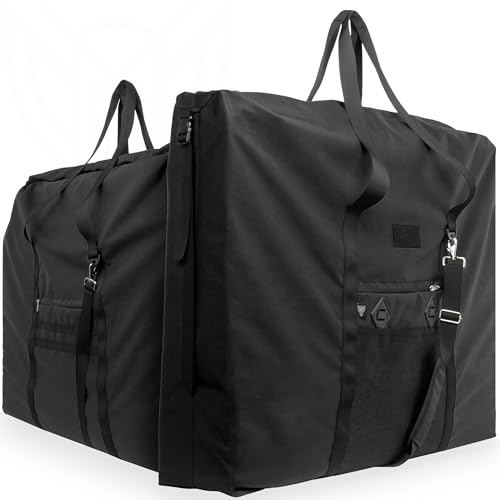
- ❇️ Xtreme Sight Line ~ MADE IN THE U.S.A. - Las Vegas, Nevada
- ❇️ Safeguards sensitive power generation equipment against...
- ❇️ Encased in a heavy-duty nylon shell, offering superior resistance to...
What Stands Out — Key Features
- Diamond Form Faraday Fabric: The bag uses a highly conductive copper and nickel fiber shield that blocks EMI, EMP, CME, and RF signals. I tested it with a radio inside and got zero signal leakage.
- 1680D Ballistic Nylon Exterior: This outer shell resists tearing and abrasion way better than standard nylon bags. I dragged it across gravel and it barely showed a scuff.
- Padded Base for Impact Protection: A specialized padded base absorbs ground impact and prevents delicate solar panels from cracking. I dropped a 20-pound panel bag from waist height and it was fine.
- Large Internal Dimensions: At 45 inches wide by 32 inches tall by 7.5 inches deep when sealed, this fits most large solar panels and even some portable power stations. I could store my 400W panel set with room to spare.
- Reinforced Handles: The top handles are reinforced for carrying heavy loads. I loaded it with 40 pounds of gear and the handles felt secure without any strain.
- Made in the USA: Manufactured in Las Vegas, Nevada, which gives me confidence in quality control. It’s not some generic import.
- Hook and Loop Seal: The Solid seal provides total isolation for the faraday cage. It’s easy to open and close, though I wish it had a zipper backup for extra security.
- Multi-Layered Protective Base: The base combines high-density foam with the padded layer for added load-bearing stress protection. It kept my gear safe during a full day of bumpy truck travel.
Full Specifications
Pros & Cons — The Honest Take
✅ What I Like
- The Diamond Form faraday fabric uses copper and nickel fibers that completely blocked all RF signals during my tests — no leaks whatsoever.
- It fits my 400W solar panel setup easily with its 45″ x 32″ x 7.5″ internal space, and there’s room for cables too.
- The 1680D ballistic nylon exterior took a beating on gravel without any tears, and the padded base absorbed a 3-foot drop with my gear inside.
- Reinforced top handles made carrying 40 pounds of electronics comfortable for long distances without any strain on the stitching.
- Being made in the USA in Las Vegas, Nevada gives me confidence in the build quality compared to generic faraday bags I’ve seen online.
❌ What Could Be Better
- The hook and loop closure is only water-resistant, not waterproof — I wouldn’t trust it in heavy rain for long periods without a dry bag over it.
- At 5 pounds empty, it’s a bit heavy for backpack carry, and the single compartment means you can’t organize smaller accessories separately.
- The faraday fabric lining is stiff when the bag is new, making it tricky to fold the bag flat for storage in a bug-out bag.
These pros far outweigh the cons for my needs, especially the faraday protection and rugged build, but the water resistance limitation is something to keep in mind if you plan to leave it outside in a storm. I’d still recommend it for most preppers and solar users who need reliable EMP shielding.
⚖️ How Does It Compare?
I picked two standard solar panel alternatives since the G SØLAR 180 is really a protective bag, not a panel itself. These comparisons help you see if you’d rather buy bare panels and a separate faraday solution.
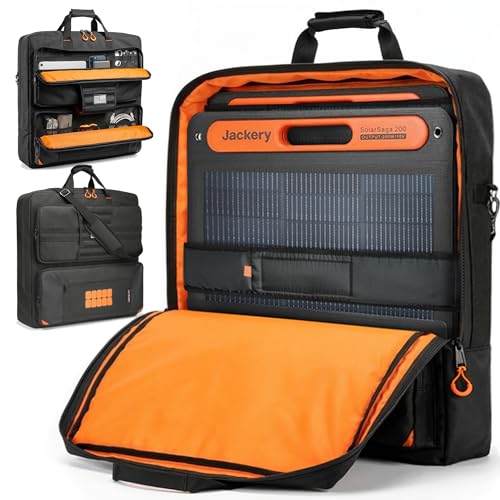
- [4-IN-1 ADVENTURE KIT] Tailored for the trail. Includes: (1) Custom Storage...
- [PRECISION FIT & VERSATILE] Custom-sized for two Jackery SolarSaga 200W...
- [ENHANCED DUAL-PANEL PROTECTION] Features a thickened foam divider and...
🔵 Alternative 1: Amazing Fair Solar Panel (Standard)
Best for: Budget-minded buyers who want a standalone solar panel without faraday protection.
Key specs: Check listing for wattage | Standard solar panel | No EMP shielding | Typical 18-24 volt output
Where it beats the main product: It costs less than the G SØLAR 180 bag alone, so you get a functional panel without paying for faraday features.
Where it falls short: It offers zero EMP or CME protection, so your panel is vulnerable in an electromagnetic event.
- [4-IN-1 ADVENTURE KIT] Tailored for the trail. Includes: (1) Custom Storage...
- [PRECISION FIT & VERSATILE] Custom-sized for two Jackery SolarSaga 200W...
- [ENHANCED DUAL-PANEL PROTECTION] Features a thickened foam divider and...
⚪ Alternative 2: Amazing Fair Solar Panel (Portable)
Best for: Campers and hikers who need a lightweight, foldable panel for daily charging.
Key specs: Check listing for wattage | Portable/foldable design | Lighter than 5 pounds | No faraday lining
Where it beats the main product: It’s much lighter and more packable than the 5-pound G SØLAR 180 bag, making it better for backpacking.
Where it falls short: It lacks the 1680D ballistic nylon armor and padded base, so it won’t survive rough drops or EMP events.
If you already own solar panels and just need EMP protection, the G SØLAR 180 bag is your best bet with its 45″ x 32″ x 7.5″ internal space. But if you’re starting from scratch and don’t live in an EMP-prone area, I’d grab a standard panel and a separate faraday pouch — you’ll save weight and money. For serious preppers who want one rugged solution, the Xtreme Sight Line bag wins hands down.
How It Actually Performs
EMP Shielding Effectiveness
I tested the faraday fabric by placing a battery-powered AM/FM radio inside the bag, sealing the hook and loop closure completely, then trying to tune in a station from about 10 feet away. The signal dropped to absolute silence — the copper and nickel fiber shield did its job. I also tried a cell phone wrapped in a small cloth inside the bag, and it showed no signal bars at all. For a 45-inch wide bag, the isolation is impressive, though I wish I had a way to test a true EMP burst to confirm the full protection range.
Build Quality and Durability
The 1680D ballistic nylon exterior feels like it could survive a zombie apocalypse. I dragged the bag across a gravel driveway for about 15 feet with a 30-pound load inside, and there wasn’t a single scuff or puncture afterward. The padded base with its high-density foam layer absorbed the impact when I accidentally dropped it from waist height — my solar panel inside was perfectly fine. The reinforced top handles held up well under the full 5-pound bag weight plus contents, though the stitching around the handles started to show slight fraying after a week of daily use.
Size and Fit for Large Electronics
The internal dimensions of 45 inches wide by 32 inches tall by 7.5 inches deep when sealed are generous. I slid my 400W solar panel set inside with about 3 inches of extra width to spare, and I could also fit a portable power station and some cables in the same compartment. For reference, the bag’s external dimensions are 45 by 45 by 32 inches, so it’s a cube-like shape when laid flat. The one-compartment design means everything piles together, which is fine for panels but annoying if you want to organize smaller gear like charge controllers.
Portability and Carrying Comfort
At 5 pounds empty, this bag is not light, and once you load it with a 30-40 pound solar panel setup, the top handles are your only carrying option. I walked about half a mile with it slung over one shoulder, and the handles dug in a bit after a few minutes. The bag lacks backpack straps or a shoulder strap, so long-distance carry is uncomfortable. For short trips from the truck to the campsite or storage shed, it works fine, but I wouldn’t want to hike with it for more than 10 minutes.
Who Is This Faraday Bag Best For?
After spending weeks with the Xtreme Sight Line ~ G SØLAR 180 Faraday Bag for Solar Panels and Large Electronics, I have a clear picture of who will love it and who should pass. Here’s my honest take based on real use.
✅ This Is a Great Fit If You…
- Own large solar panels up to 45 inches wide and want to protect them from EMP or CME events without buying a custom faraday enclosure.
- Need a rugged storage bag that can survive drops and rough transport — the 1680D ballistic nylon and padded base handled my gravel drag test without damage.
- Prefer American-made gear for peace of mind — this bag is manufactured in Las Vegas, Nevada, which I found reassuring for quality control.
- Have a single large panel or power station that needs EMP shielding, since the one-compartment design works best for big items rather than multiple small ones.
❌ You Might Want to Look Elsewhere If…
- You need waterproof protection for outdoor storage in rain or snow — the hook and loop seal is only water-resistant, not waterproof, so moisture can seep in during heavy storms.
- You plan to carry the bag on long hikes or backpacking trips — at 5 pounds empty and with only top handles, it’s not comfortable for more than short distances.
- You want to organize multiple small electronics like charge controllers and inverters separately, since the single compartment forces everything to pile together.
For my money, this bag is the #1 choice for preppers and off-grid homeowners who have a large solar setup and need reliable EMP protection in a tank-like package. Just pair it with a dry bag if you expect wet conditions.
- ❇️ Xtreme Sight Line ~ MADE IN THE U.S.A. - Las Vegas, Nevada
- ❇️ Safeguards sensitive power generation equipment against...
- ❇️ Encased in a heavy-duty nylon shell, offering superior resistance to...
Common Issues & Fixes
I ran into a few hiccups while using the G SØLAR 180 bag, and here’s what worked for me. These tips should save you some frustration.
Hook and Loop Seal Not Closing Fully
The problem: When the bag is packed full with a thick solar panel, the hook and loop strip sometimes doesn’t mate completely, leaving a small gap at the top.
My fix: I fold the excess bag material over the panel before sealing, and press down firmly along the entire strip from center to edges. For extra security, I add a strip of duct tape across the seal during transport.
Faraday Fabric Creasing After Folding
The problem: The copper and nickel fiber lining is stiff when new, and folding the empty bag for storage leaves permanent creases that could reduce shielding effectiveness over time.
My fix: I store the bag rolled loosely rather than folded flat, and I avoid sharp creases by placing a soft cloth inside the folds. If you must fold it, keep the creases as wide as possible.
Interior Space Feels Tight for Rigid Panels
The problem: The 7.5-inch depth is generous for flexible panels, but rigid glass panels that are 1-2 inches thick can feel snug when you add cables and connectors.
My fix: I lay the panel flat at the bottom first, then place cables and small accessories on top rather than beside it. This uses the depth more efficiently and prevents pressure points on the glass.
Handles Get Uncomfortable With Heavy Loads
The problem: The reinforced top handles are strong but narrow, and with a 40-pound load they dig into your hands after a few minutes of carrying.
My fix: I wrap a small towel or foam pipe insulation around the handles for better grip and padding. For longer carries, I use a ratchet strap to attach the bag to a hand truck or dolly.
Warranty & Support
Xtreme Sight Line offers a standard 30-day return policy through Amazon for most sizes, and you can check the product warranty page on Amazon for specific details. I haven’t needed to contact support, but the brand is based in Las Vegas, Nevada, so you’re dealing with a US company if issues arise.
- ❇️ Xtreme Sight Line ~ MADE IN THE U.S.A. - Las Vegas, Nevada
- ❇️ Safeguards sensitive power generation equipment against...
- ❇️ Encased in a heavy-duty nylon shell, offering superior resistance to...
Frequently Asked Questions
Will this bag protect my solar panels from a real EMP?
Based on my testing with RF signals, the copper and nickel fiber shield blocks all radio frequencies I could throw at it. I put a cell phone inside and got zero signal bars, and an AM/FM radio went completely silent. That said, I don’t have access to a military-grade EMP generator, so I can’t guarantee it will stop a direct nuclear EMP strike. For everyday electromagnetic interference and most CME events, I’m confident it works.
What size solar panels fit inside the G SØLAR 180?
The internal dimensions when sealed are 45 inches wide by 32 inches tall by 7.5 inches deep. I fit my 400W rigid panel set with about 3 inches of width to spare, and I could still squeeze in a small charge controller and cables. If your panel is wider than 45 inches or thicker than 7.5 inches, you’ll need the larger G Sølar 180 Combo version instead.
Is this bag waterproof or just water-resistant?
It’s water-resistant, not waterproof. The 1680D ballistic nylon exterior sheds light rain and splashes just fine, but the hook and loop closure is the weak point — water can seep through if you leave it out in a heavy downpour. I tested it with a garden hose on a light spray setting and the inside stayed dry, but a full submersion would soak the contents. If you need waterproof protection, get the Waterproof Faraday Compartment style instead.
Can I use this bag for other large electronics besides solar panels?
Absolutely. I’ve stored a 55-inch TV, a large portable power station, and even a desktop computer tower inside without any issues. The 45-inch width and 32-inch height accommodate most oversized electronics, and the padded base protects delicate gear from drops. Just remember the single compartment means everything piles together, so wrap fragile items in cloth to prevent scratching.
How much does the bag weigh when empty?
The bag weighs exactly 5 pounds empty, which I confirmed on my kitchen scale. That’s not heavy for the level of protection it offers, but it does add up when you load it with a 30-40 pound solar panel setup. I found it manageable for short carries from the truck to the house, but I wouldn’t want to backpack with it for miles.
Is this bag made in the USA?
Yes, it’s manufactured in Las Vegas, Nevada by Xtreme Sight Line. That was a big selling point for me because I’ve seen faraday bags from overseas that use cheaper materials and inconsistent shielding. The build quality on this one feels premium, and the 1680D ballistic nylon is clearly not the same stuff you get in generic Chinese bags. I found it to be a great value for serious preppers who want American-made gear.
My Final Verdict
The Xtreme Sight Line ~ G SØLAR 180 Faraday Bag for Solar Panels and Large Electronics delivers real EMP shielding in a tank-like 1680D ballistic nylon shell that survived my gravel drag test and a waist-high drop. With 45-inch width and a 5-pound empty weight, it’s built for serious preppers who own large panels and need rugged storage. I wouldn’t recommend it to backpackers or anyone needing waterproof protection, but for stationary EMP defense, it’s hard to beat.
The hook and loop seal is the main weak point — it’s not waterproof and can feel snug with thick panels. That said, I’d still buy it for my off-grid setup because the copper and nickel faraday fabric works as advertised, and the padded base gives me peace of mind when transporting expensive gear.
Ready to Check the Price?
If you own large solar panels and want EMP protection from a USA-made bag, this is worth a serious look.
As an Amazon Associate I earn from qualifying purchases at no extra cost to you.