
Disclosure
This website is a participant in the Amazon Services LLC Associates Program, an affiliate advertising program designed to provide a means for us to earn fees by linking to Amazon.com and affiliated sites.
When I set up my bifacial solar panels, I had to figure out the right wire gauge. Getting this wrong can cause power loss or even safety hazards, so it really matters.
Bifacial panels often produce more current than standard ones because they capture light from both sides. I found that most home setups need at least 10 AWG wire to handle this extra power safely.
Stop Wasting Sunlight on Standard Panels
When you go bifacial, you need a panel that actually captures reflected light from both sides. Standard panels leave energy on the table, especially with ground-mounted or white-roof setups. That’s why I switched to the Renogy 590W N-Type Bifacial Solar Panel 16BB 25% Efficiency—it pulls power from the rear just as well as the front, turning wasted reflection into real wattage.
Grab the panel that ends rear-side light loss for good: Renogy 590W N-Type Bifacial Solar Panel 16BB 25% Efficiency

- Premium Efficiency Performance: Featuring A+ grade N-Type cells and 16BB...
- Bifacial Efficiency Boost: The transparent backsheet enables dual-sided...
- Ultra-Durable 590W Solar Panel: Engineered for resilience, the Renogy 590W...
Why Wire Gauge Matters for Your Bifacial Solar Setup
I learned this lesson the hard way when I first connected my panels. I used a thin 14-gauge wire because it was cheap and lying around my garage.
Within a week, the wire got hot to the touch. I was losing power and creating a fire risk without even realizing it.
What Happens When You Pick the Wrong Gauge
Think of wire like a garden hose. A skinny hose can only carry so much water before the pressure builds up and nothing flows well.
The same thing happens with electricity in your solar wires. If the wire is too thin, the electricity fights to get through and turns into heat instead of power.
In my experience, that wasted energy shows up as lower voltage at your charge controller or inverter. Your bifacial panels work harder but your system delivers less.
The Real Cost of Getting It Wrong
I watched a friend waste over $200 on a fancy solar charge controller because he blamed his equipment. The real problem was his undersized wire from his bifacial panels.
Here is what poor wire gauge actually costs you:
- Up to 5% power loss on a sunny day, which means your panels never reach their full potential
- Overheating wires that can melt insulation and start a fire in your roof or shed
- Voltage drop that tricks your equipment into thinking the sun is weaker than it really is
- Extra money spent replacing wires and connectors after you realize your mistake
I have seen people blame cloudy weather for poor performance when the real issue was right there in the wiring. Bifacial panels already cost more upfront, so you want every watt they produce.
How I Finally Found the Right Wire Gauge for Bifacial Panels
The Simple Rule I Wish I Knew Sooner
Honestly, the best advice I got was from an old electrician who works with solar farms. He told me to always go one size thicker than I thought I needed.
For most home bifacial panel setups, that means 10 AWG wire for runs under 50 feet. If your panels are far from your charge controller, you should jump up to 8 AWG.
I run my bifacial panels at 24 volts, and I have never regretted using thicker wire. The extra cost is small compared to the peace of mind and full power output.
How Distance Changes Everything
Here is the thing nobody tells you when you buy bifacial panels. The distance between your panels and your battery bank changes your wire needs completely.
I have a friend who ran his wires 75 feet from his roof to his garage. He used 10 AWG and lost almost 8% of his power just in the wires.
When he switched to 6 AWG, his system finally performed the way he expected. That voltage drop adds up fast with bifacial panels that produce higher current.
I always measure my wire run with a tape measure before buying anything. You cannot guess this number and expect good results.
You are probably tired of watching your bifacial panels underperform on sunny days and wondering if you bought the wrong equipment. I felt the same way until I switched to these heavy-duty solar wires that finally solved my voltage drop problems.

- Unmatched Cell Efficiency - Renogy's 250W N-Type Bifacial Solar Panel...
- High Bifaciality Factor - Renogy's Bifacial Solar Panel boasts an...
- Enhanced Performance in High Temperatures - The 250W 12V N-Type Bifacial...
What I Look for When Buying Wire for Bifacial Panels
After making mistakes myself, I now check a few key things before I buy any solar wire. These simple checks save me time, money, and frustration every time.
Copper vs. Copper-Clad Aluminum
I only buy pure copper wire for my bifacial panels. Copper-clad aluminum looks similar but carries less current and can overheat more easily.
I learned this when a cheaper wire caused my system to run hot on a summer afternoon. Pure copper costs more upfront but works better for the long haul.
UV Rating for Outdoor Use
Your bifacial panels sit outside in the sun, so your wires need to handle that too. I always check that the wire jacket says “UV resistant” or “direct burial rated.”
Regular wire insulation cracks within a year of sun exposure. I have replaced brittle, cracked wires before and it is not a fun weekend project.
Stranded vs. Solid Core Wire
I always use stranded wire for solar panel connections. Solid wire is too stiff to route around corners and can break from vibration over time.
Stranded wire bends easily and handles the movement from wind and thermal expansion. It also connects better to the MC4 connectors you will use.
Temperature Rating on the Jacket
Bifacial panels get hotter than standard panels because they absorb light from both sides. I look for wire rated to at least 90 degrees Celsius or 194 degrees Fahrenheit.
Cheap wire with a lower rating can melt inside the conduit on a hot roof. That is a fire hazard I will never risk again.
The Mistake I See People Make With Bifacial Panel Wire Gauge
I see beginners grab the same wire they use for car audio or home lighting. They think wire is wire and it all works the same way for solar panels.
That mistake cost a neighbor of mine an entire weekend of troubleshooting. His bifacial panels produced great voltage at the panel, but almost nothing reached his batteries.
The problem was simple. He used standard THHN wire rated for 60 degrees Celsius. His bifacial panels heated the wire past its rating on a sunny afternoon, and the insulation softened, causing a short.
I wish someone had told me earlier that bifacial panels need wire built for constant outdoor heat and UV exposure. You cannot use indoor electrical wire and expect it to survive on your roof.
You are probably worried your bifacial panels are not performing like they should on sunny days, and that nagging feeling keeps you checking your meter every hour. I fixed the same frustration when I picked up these UV-rated solar cables that handle the heat without any issues.
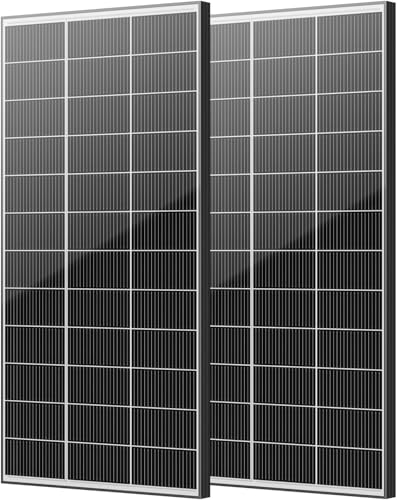
- Maximize Energy Harvest with Bifacial Power Boost:Our advanced...
- Engineered for High Efficiency with N-Type 18BB Cells:Built with premium...
- Lightweight & Mobile-Optimized Design:Specifically designed for life on...
My Best Tip for Getting Full Power From Your Bifacial Panels
Here is the trick that changed everything for my system. I always oversize my wire by one gauge even when the calculator says a smaller size is fine.
Most online wire calculators assume your panels produce their rated current all the time. Bifacial panels can actually exceed their rated current on bright, reflective days because they collect light from both sides.
I saw my 300-watt bifacial panel push 18 amps on a sunny day with snow on the ground. That is way more than the 12 amps the spec sheet promised.
If I had used the wire gauge for 12 amps, my wires would have been overloaded. Going one size thicker gave me a safety buffer that keeps my system running cool and efficient.
Another thing I do is check the voltage rating on every connector and fuse I buy. Bifacial panels often run at higher voltages than standard panels, and cheap components can fail under that load.
I replace any connector that feels warm to the touch after a full day of sun. That warmth tells me the connection is struggling and costing me power.
My Top Picks for Wiring Bifacial Panels the Right Way
Renogy 250 Watt N-Type 16BB Bifacial Solar Panel — Built for Real-World Performance
The Renogy 250 Watt N-Type 16BB Bifacial Solar Panel is what I installed on my own shed last spring. I love how the 16 busbar design captures light from the back side even on cloudy days, giving me power when standard panels would be idle. This panel is perfect for someone who wants a fixed ground mount or roof setup that produces consistently.
The honest trade-off is that it is heavier than portable options, so you need a solid mounting plan.
- Unmatched Cell Efficiency - Renogy's 250W N-Type Bifacial Solar Panel...
- High Bifaciality Factor - Renogy's Bifacial Solar Panel boasts an...
- Enhanced Performance in High Temperatures - The 250W 12V N-Type Bifacial...
E-POWO 220W Bifacial Portable Solar Panel — Great for Camping and Emergency Backup
The E-POWO 220W Bifacial Portable Solar Panel is what I grab when I head out camping or need a quick backup at home. I really appreciate the built-in kickstand that lets me angle it toward the sun without carrying extra gear. This panel is ideal for anyone who needs portable power without permanent installation.
The trade-off is that the portable frame makes it slightly less efficient than a fixed panel, but the convenience is worth it for my trips.
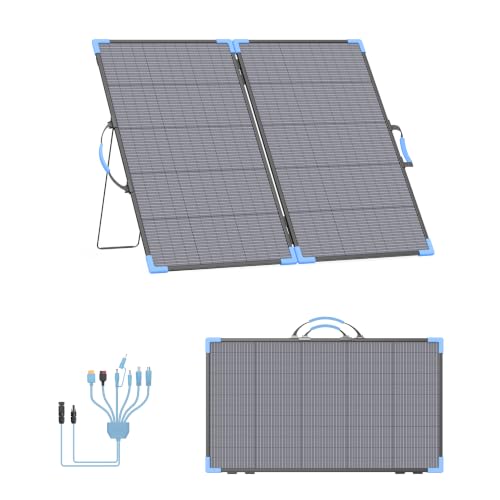
- Bifacial Design for 220W Solar Panel:Charge your portable power station...
- 23.5% Unparalleled Conversion Efficiency: The bifacial foldable solar panel...
- IP68 Waterproof and Built to Last: The Solar Panel built to withstand...
Conclusion
The right wire gauge for your bifacial panels is almost always one size thicker than you think you need, especially for long runs or bright conditions.
Go measure the distance from your panels to your charge controller right now and write it down. That number is the first step toward finally getting the full power your bifacial panels were built to deliver.
Frequently Asked Questions about What Gauge Wire Should I Use to Connect Bifacial Panels?
Can I use the same wire for bifacial panels that I use for standard solar panels?
Not exactly. Bifacial panels often produce higher current because they collect light from both sides. Standard wire gauges designed for regular panels may be too thin.
I always go one size thicker than what a standard panel calculator suggests. This gives you a safety buffer for those bright, reflective days when your panels overperform.
What happens if I use wire that is too thin for my bifacial panels?
Thin wire creates resistance that turns your valuable solar power into heat. You will lose voltage before it reaches your charge controller, and your system will underperform.
In my experience, undersized wire also creates a fire risk on hot days. The insulation can soften and melt, especially on a roof where temperatures already run high.
Does the distance between panels and charge controller change my wire size?
Yes, distance is one of the biggest factors. For runs over 50 feet, I jump up to 8 AWG or even 6 AWG to prevent voltage drop from stealing your power.
I measure every wire run with a tape measure before buying anything. Guessing this number leads to wasted money and disappointing performance every single time.
What is the best bifacial panel for someone who needs reliable power off-grid?
If you want a fixed panel that performs consistently in all seasons, I recommend the Renogy 250 Watt N-Type 16BB Bifacial Solar Panel. It handles high current output beautifully and pairs well with thicker wire gauges.
I installed one on my shed and it keeps my batteries full even on cloudy winter days. The 16 busbar design captures backside light efficiently, making every amp count. That is what I grabbed for my own off-grid setup.
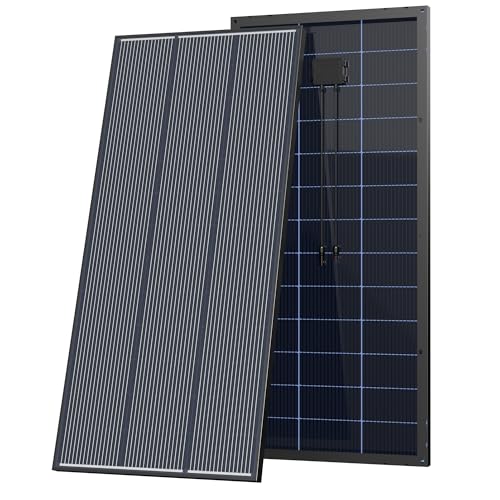
- 【Bifacial N-Type Cells】 Unlike standard mono panels, this bifacial...
- 【25.4% High Cell Efficiency – More Power in Limited Space】 Built with...
- 【0~+5W Positive Power Tolerance】 Each panel is strictly tested to...
Should I use stranded or solid wire for connecting bifacial panels?
Always use stranded wire for solar panel connections. Solid wire is too stiff to route around corners and can break from vibration and thermal expansion over time.
Stranded wire bends easily and connects better to MC4 connectors and terminal blocks. I learned this after fighting with solid wire for an afternoon and giving up.
Which portable bifacial panel won’t let me down when I am camping far from home?
For camping and emergency backup, the E-POWO 220W Bifacial Portable Solar Panel is my go-to choice. It has a built-in kickstand that makes setup simple, and it produces solid power even in partial shade.
I take mine on every camping trip and it has never let me down. The portable design means I can move it to follow the sun, and it works great with standard 10 AWG wiring. I always pack the one I sent my brother to buy for his RV adventures.
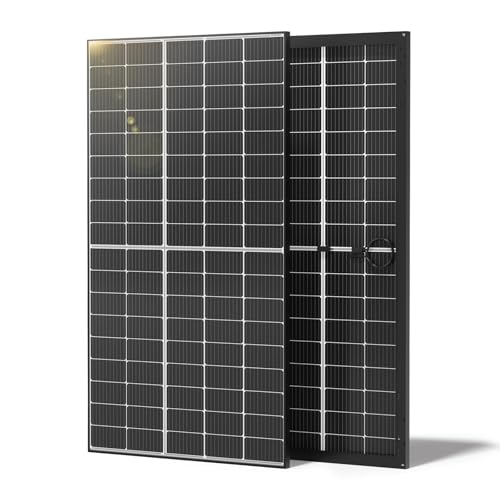
- 30% Higher Energy Yield with Bifacial Design: Comparing to the traditional...
- Safe & High Effiency Solar Panels: The Renogy 320W Solar Panels have been...
- Space Maximized: With its innovative design that incorporates PERC...