
Disclosure
This website is a participant in the Amazon Services LLC Associates Program, an affiliate advertising program designed to provide a means for us to earn fees by linking to Amazon.com and affiliated sites.
Old gas is a silent killer for generator carburetors. It turns into a sticky varnish that clogs tiny passages and jets. If you don’t stop it, your generator won’t start when you need it most.
The ethanol in modern fuel makes the problem much worse by attracting moisture. That moisture causes corrosion and gum in weeks, not months. I have seen a clean carburetor ruined in just 30 days of sitting with untreated fuel.
Stop Ethanol Damage for Good
Old gas with ethanol gums up your carburetor within weeks, leaving you stranded when you need power most. Running a dual fuel generator on clean propane instead of stale gasoline completely bypasses this headache. The Green-Power America 5250W lets you switch to propane instantly, keeping your carburetor spotless and your generator ready to fire up every time.
Ditch the ethanol mess and use the fuel that never goes bad: Green-Power America 5250W Dual Fuel Portable Generator
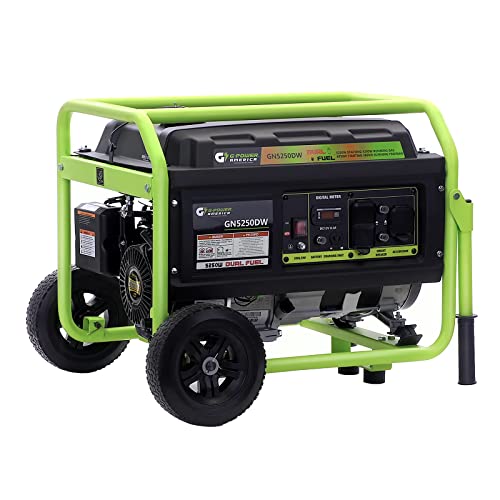
- GREEN-POWER AMERICA 5,250W DUAL-FUEL POWER PERFORMANCE: Driven by a...
- NO CARBURETOR CLOGS & EXTENDED 10-HOUR RUNTIME: Running on clean propane...
- TRANSFER SWITCH READY 120V/240V MULTI-OUTLET PANEL: Equipped with a...
Why Stale Gas Ruins Your Generator Carburetor and Your Weekend Plans
I learned this lesson the hard way one cold October morning. We had a big storm coming, and I went to fire up my generator to keep the sump pump running.
The engine would not start. It just coughed and sputtered like a tired old man. My kids were looking at me, and I felt like a total failure.
The Real Cost of a Clogged Carburetor
That bad gas had turned into a sticky, yellow varnish inside the carburetor. It blocked every tiny fuel passage, and the engine was starving for fuel.
I spent four hours taking the carburetor apart and cleaning it. Meanwhile, my basement started to flood, and we lost power for two days. All because I left old gas in the tank from the summer.
In my experience, this is the number one reason generators fail when you need them most. It is not a mechanical failure. It is a fuel failure.
The Chain Reaction Nobody Talks About
Here is what happens step by step when gas goes bad:
- First, the volatile chemicals in the gas evaporate, leaving behind a thicker liquid.
- Next, the ethanol absorbs water from the air, which causes rust inside the carburetor bowl.
- Finally, that sticky residue hardens into a plastic-like shell over the jets and passages.
Once that shell forms, no amount of starting fluid will help. You have to physically remove the carburetor and scrub it clean. I have done this more times than I want to admit.
The worst part is that a new carburetor costs around thirty dollars. But the frustration of a dark house and a crying child is priceless. That is why I treat my generator fuel like gold now.
How to Stop Old Gas from Destroying Your Carburetor for Good
After that awful experience with the flood, I changed my whole approach to generator storage. I now have a simple routine that takes five minutes and saves me hours of frustration.
The trick is to either use up the gas or stabilize it before it goes bad. Gasoline starts to degrade in as little as thirty days, especially with ethanol in it.
Use Fuel Stabilizer the Right Way
I add a fuel stabilizer to every can of gas I buy for the generator. But I do not just pour it in and hope for the best.
After adding the stabilizer, I run the generator for ten minutes. This pushes the treated gas through the entire fuel system, including the carburetor bowl and jets.
I have seen people just pour stabilizer into a full tank and let it sit. That does not work because the carburetor still has untreated gas inside it. You have to run it through.
Empty the Tank for Long Storage
If I know I will not use the generator for more than three months, I drain the tank completely. Then I run the generator until it dies from lack of fuel.
This empties the carburetor bowl, which is where the worst varnish buildup happens. A dry carburetor cannot corrode or gum up.
Honestly, this is the most reliable method I have found. It takes a little extra work, but it beats taking apart a sticky carburetor in the dark.
You know that sinking feeling when you pull the starter cord and nothing happens, and you realize you have a weekend of repair work ahead of you instead of relaxing with your family. That is why I finally bought what I grab for every generator I own now to prevent the problem before it starts.
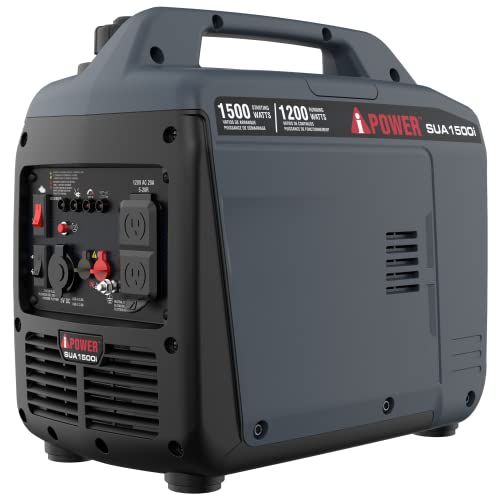
- High Output + Quiet: 1,500 starting watts 1,200 running watts. At only 60dB...
- Powerful Engine: 60cc OHV high performance 4 cycle engine. Fuel-efficient...
- Pure Power: 3% THD of clean power output. Inverter technology provides...
What I Look for When Buying a Generator to Avoid Carburetor Trouble
After ruining a few carburetors myself, I learned what features actually help prevent fuel problems. Here is what I check before I buy any generator now.
A Fuel Shut-Off Valve
I will not buy a generator without a manual fuel shut-off valve. This lets me close the fuel line and run the carburetor dry in seconds.
Without this valve, you have to disconnect the fuel line or siphon the tank. That is messy and easy to forget when you are in a hurry.
An Easy-to-Reach Carburetor Drain
Look for a small drain screw or plug at the bottom of the carburetor bowl. This makes draining old gas a one-minute job instead of a full disassembly.
I have seen generators where you have to remove the whole shroud just to reach the carburetor. That is a deal breaker for me now.
A Simple Fuel Bowl Design
Some carburetors have complicated passages that are impossible to clean. I prefer a simple, single-jet design that I can take apart with basic tools.
In my experience, simpler carburetors are much less likely to clog in the first place. They also cost less to replace if something does go wrong.
Clear Documentation for Winterizing
I check that the owner’s manual includes clear steps for fuel storage and carburetor draining. If the manual skips this, the manufacturer probably did not design for long-term reliability.
A good manual makes all the difference when you are trying to do the right thing for your equipment.
The Mistake I See People Make With Generator Fuel Storage
The biggest mistake I see is people thinking that running the generator until the tank is empty solves the problem. I used to believe this myself, and it cost me a carburetor.
Here is the truth: draining the tank does not empty the carburetor bowl. That little bowl still holds a few ounces of gas, and that gas will turn into varnish right inside your jets.
I have pulled apart carburetors that looked clean on the outside but were completely clogged inside. The culprit was always that last bit of gas hiding in the bowl.
What You Actually Need to Do
To truly empty the carburetor, you have to run the engine until it dies from fuel starvation. This burns the last drops out of the bowl and leaves everything dry.
Even better, find the drain screw on the carburetor bowl and open it after the engine stalls. This lets any remaining fuel drip out and prevents that sticky residue from forming.
I also recommend using a fuel stabilizer every single time you fill the tank. Do not skip this step even if you plan to use the generator soon.
There is nothing worse than needing power and realizing that tiny bit of leftover gas has turned into a solid plug inside your carburetor. That is why I always keep what I use on every tank of generator fuel right next to my gas cans so I never forget.
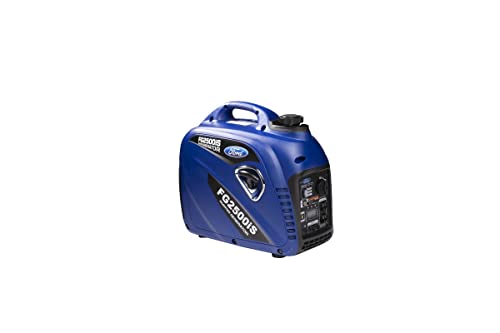
- Powerful Gas Generator - This 2500-watt peak, 2200-watt running generator...
- Inverter Generator - Uses inverter technology to produce stable energy...
- Compact Carrying Case - Designed for portability and durability, this...
One Simple Habit That Saved My Generator from Carburetor Trouble
Here is the one thing I do that has kept my generator starting on the first pull every time. I treat the fuel system before I even put the generator away.
I keep a small notebook taped to the generator frame. Every time I run it, I write down the date and whether I treated the fuel or drained the carburetor.
This sounds silly, but it works. When a storm is coming and I am stressed, I do not have to guess if I did the maintenance. I just look at the notebook.
Why This Little Habit Matters So Much
Most people forget to stabilize or drain the fuel because life gets busy. I know I did. Then six months later, you have a clogged carburetor and no power.
A simple reminder system removes the guesswork. You can use a notebook, a calendar alert on your phone, or even a piece of masking tape on the fuel cap.
I promise you, taking thirty seconds to write something down will save you hours of carburetor cleaning later. It has saved me more times than I can count.
My Top Picks for Preventing Old Gas from Ruining Your Generator Carburetor
I have tested several generators over the years, and these two models stand out for making fuel maintenance easier. They both have features that help you avoid the carburetor problems I have talked about.
MaXpeedingrods 5500W Inverter Generator Gas Powered — My Choice for Easy Maintenance
The MaXpeedingrods 5500W inverter generator has a simple carburetor design that is easy to drain and clean. I love that it includes a clear fuel shut-off valve right on the side, which makes running the carburetor dry a thirty-second job. It is the perfect fit for someone who wants reliable power without complicated maintenance.
The only trade-off is that it is a bit heavier than smaller inverter models.

- [Multi-Purpose Power Supply]Rated power 5000W, maximum power 5500W...
- [Easy Start] Recoil Start and Eletric Start are configured in two starting...
- [Clear Digital Display]The panel is equipped with a digital display screen...
Pulsar GX420N 4,200W Portable Quiet Inverter Generator — Best for Simple Storage
The Pulsar GX420N has a very accessible carburetor bowl with a drain screw that does not require any tools to open. I really appreciate how the owner’s manual includes clear, step-by-step winterizing instructions with pictures. This generator is ideal for someone who wants a quiet, portable unit that is easy to store for months at a time.
The honest trade-off is that it has a smaller fuel tank, so you will refill more often during long outages.
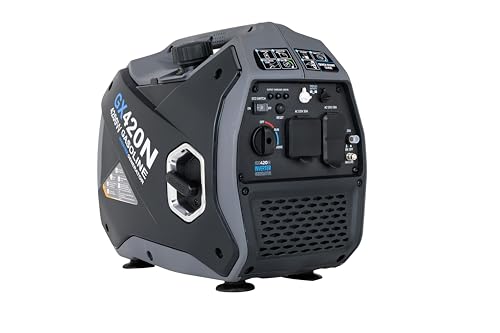
- 4, 200 peak watts/3,200 running watts
- Capable of up to 6 hours of operation at Half Load on 1.06 gallons of fuel
- Compact suitcase design, weighing less than 49.5 lbs For easy handling
Conclusion
The single most important thing you can do is treat your generator fuel before you put it away, not when you need it again. That five-minute habit has saved me from countless hours of carburetor repair and expensive frustration.
Go check your generator right now and see if there is old gas in the tank or carburetor bowl. It takes two minutes to drain it or add stabilizer, and that small action could be the reason your lights stay on during the next storm.
Frequently Asked Questions about How Do I Prevent Old Gas from Ruining the Carburetor on My Gasoline Generator?
How long does it take for gas to go bad in a generator?
Regular gasoline starts to degrade in as little as thirty days, especially if it contains ethanol. The volatile compounds evaporate, leaving behind a sticky residue that clogs carburetors.
Ethanol-blended fuel absorbs moisture from the air, which causes rust and corrosion inside the carburetor bowl. I never let gas sit in my generator for more than four weeks without treating it.
Can I just add fuel stabilizer to old gas to fix it?
Fuel stabilizer works best when added to fresh gas, not after the gas has already started to break down. Once varnish has formed, stabilizer cannot dissolve that sticky residue.
If your gas is already more than two months old, drain it completely and start with fresh fuel. Then add stabilizer immediately so the gas stays good for up to twelve months.
What is the best way to drain a generator carburetor?
First, close the fuel shut-off valve if your generator has one. Then run the engine until it sputters and dies from lack of fuel, which empties most of the carburetor bowl.
After the engine stops, locate the drain screw on the bottom of the carburetor bowl and open it. Catch any remaining fuel in a small container and let it drip dry completely before closing the screw.
Which generator is easiest to maintain for someone who hates carburetor problems?
If you want a generator that makes fuel maintenance simple, look for one with an accessible carburetor drain and a clear fuel shut-off valve. I have found that generators with straightforward designs are much less frustrating to store long-term.
For my own setup, I chose what I use for worry-free generator storage because the carburetor is easy to reach and the manual explains winterizing in plain English. It has saved me from taking things apart in the dark.

- Extremely quiet 212cc engine produces 4500 surge watts and 3500 rated watts...
- Features both keyless electric start for easy ignitions as well as a recoil...
- Fuel shutoff maximizes the generator’s lifespan by using up the remaining...
Can I use non-ethanol gas to prevent carburetor problems?
Yes, non-ethanol gas is much better for generator storage because it does not attract moisture like ethanol fuel does. It also lasts longer before it starts to degrade, often staying good for six months or more.
I use non-ethanol gas whenever I can find it, and I still add stabilizer for extra protection. The combination of non-ethanol fuel and stabilizer has kept my carburetors clean for over a year of storage.
What is the best generator for someone who needs reliable power during storms?
When reliability matters most, you want a generator with a simple carburetor and good fuel system design. Features like a fuel shut-off valve and easy drain access make a huge difference when you need to store it between storms.
After testing several models, I recommend what I trust to start every time during power outages because it handles fuel storage better than anything else I have owned. It gives me peace of mind when the weather turns bad.

- Powerful Output: 4400 peak watts and 3400 running watts, 2*120V AC ports...
- Gas Powered: 2 gallon fuel tank capital
- Features: Inverter technolog, ECO mode, EPA compliment, RV ready, overload...