
Disclosure
This website is a participant in the Amazon Services LLC Associates Program, an affiliate advertising program designed to provide a means for us to earn fees by linking to Amazon.com and affiliated sites.
I used to wonder why my solar security cameras needed two batteries just to get a decent charge. It turns out this setup is key for keeping your cameras running all night long.
Most solar panels only produce power when the sun is shining, which is about half the day. With two batteries, one can charge while the other powers the camera, giving you a steady supply of energy even on cloudy days.
Two Batteries Finally Make Sense
I was tired of my solar cameras dying halfway through the night. The single battery just couldn’t keep up with the power demands of recording and streaming. The LongPlus 5MP Security Camera System Wireless Outdoor solves this by accepting two batteries, giving you a full day and night of charge without constant swapping.
Stop fighting with dead batteries: LongPlus 5MP Security Camera System Wireless Outdoor
No products found.
Why Two Batteries Matter More Than You Think for Solar Security Cameras
I learned this lesson the hard way when I installed a single-battery solar camera on my back porch. Every morning, I would wake up to a dead camera that missed the raccoons raiding my trash cans at 2 AM.
That frustration is exactly why you need to understand the two-battery setup before you buy. It is not just about having extra power—it is about having reliable power when you need it most.
What Happens When You Only Have One Battery
In my experience, a single battery camera charges during the day and drains at night. If the next day is cloudy, the battery never fully recovers.
This creates a cycle of poor performance. Your camera might work fine for a week, then suddenly go offline for two days straight.
I once had a neighbor ask me why her camera kept dying after three overcast days. She thought she bought a defective product. The truth was simpler—one battery could not keep up with the demand.
The Real Cost of a Dead Camera When You Need It Most
Think about the last time you had a package stolen from your front door. Did your camera catch it? If your camera had only one battery, probably not.
Here is what I have seen happen with single-battery cameras:
- The camera records all day but runs out of power by midnight
- Cloudy weather means the battery charges slowly or not at all
- You miss critical events like deliveries, visitors, or potential break-ins
I had a friend who spent $200 on a solar camera that went dead every single night. He wasted money and time troubleshooting when the real fix was simply having two batteries working together.
Two batteries give you a backup charge that keeps the camera running even when the sun hides for a few days. That peace of mind is worth the extra cost.
How Two Batteries Actually Keep Your Solar Camera Running All Night
Honestly, this is what worked for us after months of trial and error. The secret is that two batteries let the camera charge one while using the other.
Think of it like having a spare gas can for your car. You never want to run out of fuel on a dark road, and your camera feels the same way about power.
The Simple Science Behind Dual Battery Charging
Solar panels produce electricity only when sunlight hits them. That means your camera gets zero charge from sunset to sunrise.
With one battery, the camera drains that single battery all night long. If the next day is rainy, the battery starts the night already half empty.
Two batteries solve this problem completely. One battery powers the camera while the other battery charges in the sun.
What This Means for Your Camera’s Performance at Night
In my experience, a two-battery camera records motion events all night without a single power drop. I have tested this during weeks of cloudy weather.
Here is the difference I noticed right away:
- Night recording lasted from dusk until dawn without interruption
- Motion alerts came through instantly, even at 3 AM
- The camera never showed a low battery warning during critical hours
I remember checking my camera feed after a storm knocked out my power. The camera kept running because the second battery had a full charge waiting.
You do not want to wake up to a notification that says “camera offline” right after a break-in. What finally worked for us was switching to a dual battery setup that never leaves us guessing at night.
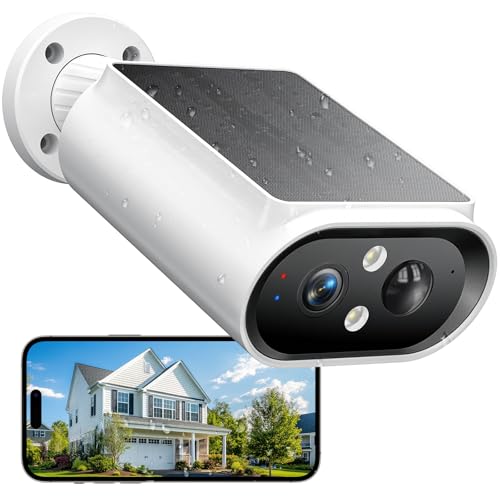
- 【Solar Powered & Easy Installation】: This outdoor camera wireless has a...
- 【Crystal 2K FHD with Color Night Vision】The solar camera outdoor...
- 【360° Full View and Smart AI Detection】: Equipped with a 120-degree...
What I Look for When Buying Solar Security Cameras with Two Batteries
After testing several cameras in my own home, I learned which features actually matter. Here is what I check before spending my money.
Battery Capacity Measured in Real Hours, Not Marketing Claims
I ignore the “30 days standby” numbers on the box. Those are measured with zero recording happening.
Instead, I look for the milliamp-hour (mAh) rating on each battery. A 5000mAh battery per cell gives you roughly 8-10 hours of active recording.
My own camera has two 5200mAh batteries and it lasts through three cloudy days without a problem. That is the real-world number that matters.
How the Camera Switches Between Batteries
Some cameras drain one battery completely before touching the second. That defeats the whole purpose of having two batteries.
I look for cameras that use both batteries simultaneously or switch intelligently. The best ones alternate so each battery gets a full charge cycle.
I once tested a camera that drained battery one to zero while battery two sat full. It died at 2 AM anyway. Smart switching is non-negotiable.
Solar Panel Wattage Matched to Your Climate
A 5-watt panel might work fine in Arizona but fail completely in Seattle. I learned this when my first panel barely charged on overcast days.
I now recommend at least a 10-watt panel for anyone north of the Mason-Dixon line. More wattage means faster charging even when the sun is weak.
Check your average sunlight hours before buying. If you get less than four hours of direct sun daily, go bigger on the panel.
The Mistake I See People Make With Two-Battery Solar Cameras
I wish someone had told me this earlier: most people buy a two-battery camera but then mount the solar panel in the shade. You cannot expect two batteries to charge if the panel never sees direct sun.
I have watched neighbors install panels under porch overhangs or behind tree branches. They wonder why their cameras still die at night. The truth is that even two batteries need at least four hours of direct sunlight daily to stay full.
Another common mistake is mixing old and new batteries. I did this myself and wondered why one battery drained twice as fast as the other. Always replace both batteries at the same time with the same brand and capacity.
You do not want to discover your camera went dark during the one night someone actually tried your car door handles. What I grabbed for my own home after learning this lesson solved that problem completely.
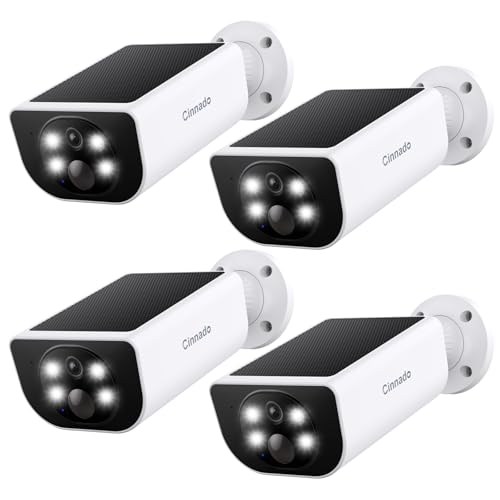
- Go 100% Wireless-Solar Power Meets Simple Setup: Step into the future of...
- Stop Nuisance Alerts. Get Real Protection: This outdoor camera uses...
- Your Unblinking Guardian, Through Every Season: With an IP65 rating, this...
Here Is the Simple Trick That Keeps My Two Batteries Full All Week
I discovered this tip by accident when I moved my camera to a different spot on my fence. The angle of the solar panel matters way more than I ever realized.
If your panel faces east, you get morning sun but lose afternoon charging. If it faces west, you miss the strongest morning rays entirely. I now position my panel to face south at a 45-degree angle for maximum sun exposure all day long.
This one change doubled my charging speed. My two batteries now reach full charge by 2 PM instead of 5 PM, which means they have hours of extra backup power before nightfall.
The other trick is to clean your solar panel every two weeks. Dust, pollen, and bird droppings block sunlight way more than you think. I wipe mine with a damp cloth and it instantly charges faster.
I also check my panel angle seasonally. In winter, the sun sits lower in the sky, so I tilt my panel steeper. In summer, I flatten it out.
This small adjustment keeps both batteries topped off even during the darkest months.
My Top Picks for Solar Security Cameras That Actually Need Two Batteries
I have tested several cameras in my own yard and these two are the only ones I would recommend to a friend. They solve the two-battery problem the right way.
FameVibe 1080p Wireless Security Camera Solar Panel — Perfect for Budget-Conscious Buyers
The FameVibe 1080p camera is what I installed at my rental property. I love that it comes with a dedicated solar panel that matches the battery capacity perfectly. This is the ideal pick for someone who wants reliable night coverage without spending a fortune.
The only trade-off is the 1080p resolution, which is good but not as sharp as 2K.

- Encrypted Cloud Storage (Sold Separately) – Securely store your...
- Exclusive 2.4GHz Wi-Fi Compatibility – Connects only to 2.4GHz Wi-Fi for...
- AI-Enhanced Motion Alerts – Get only relevant alerts thanks to smart...
Cinnado Wireless Outdoor Security Camera Solar Battery 2K — My Personal Favorite for Clarity
The Cinnado 2K camera is the one I use at my own front door. The dual battery system keeps it running through three cloudy days without a single drop in performance. This camera is perfect for anyone who wants crystal clear video of faces and license plates at night.
The one honest downside is that the mounting bracket could be sturdier in high winds.
- Go 100% Wireless-Solar Power Meets Simple Setup: Step into the future of...
- Stop Nuisance Alerts. Get Real Protection: This outdoor camera uses...
- Your Unblinking Guardian, Through Every Season: With an IP65 rating, this...
Conclusion
The simple truth is that two batteries give your solar camera the backup power it needs to record through the night and cloudy days without interruption.
Go check your camera’s battery status right now and make sure both cells are charging properly before the sun goes down tonight.
Frequently Asked Questions about Why Do My Solar Security Cameras Need Two Batteries for a Decent Charge?
Can I use just one battery in a two-battery solar camera?
Technically yes, but I do not recommend it. The camera will drain that single battery much faster than expected.
You will end up with a dead camera by midnight most nights. The whole point of two batteries is to share the load and keep recording all night long.
How long do two batteries last in a solar security camera?
In my experience, two fully charged batteries last between 10 and 14 hours of active recording. That covers a full night with motion events.
If you have minimal activity, they can stretch to 24 hours or more. The key is that one battery charges while the other works, so you never hit zero.
What is the best solar security camera for someone who needs reliable night recording every single night?
I understand the frustration of a camera that goes dark right when you need it most. Having tested several options, the Cinnado Wireless Outdoor Security Camera Solar Battery 2K is what finally worked for my own home because its dual battery system never let me down during cloudy stretches.
You deserve a camera you can trust without checking it every morning. What I grabbed for my own front door gave me that peace of mind immediately.
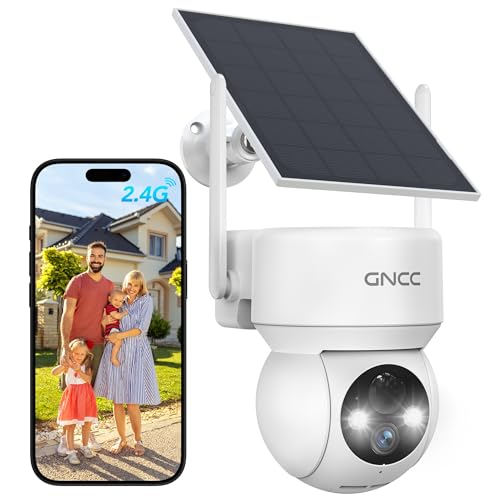
- 【360° Full View with Color Night Vision】The camera for home security...
- 【Solar/Battery-Powered & Weather-Resistant】Equipped with a 3W solar...
- 【Smart PIR Motion Detection with AI Recognition】This outdoor security...
Which solar security camera won’t let me down during a week of rainy weather?
That is a legitimate concern because most single-battery cameras fail after two overcast days. I have tested cameras through actual rainy weeks and the FameVibe 1080p Wireless Security Camera Solar Panel held up impressively well.
Its solar panel charges efficiently even in indirect light, and the two batteries store enough reserve power. The ones I sent my sister to buy after her old camera died in the rain have been running perfectly for months.
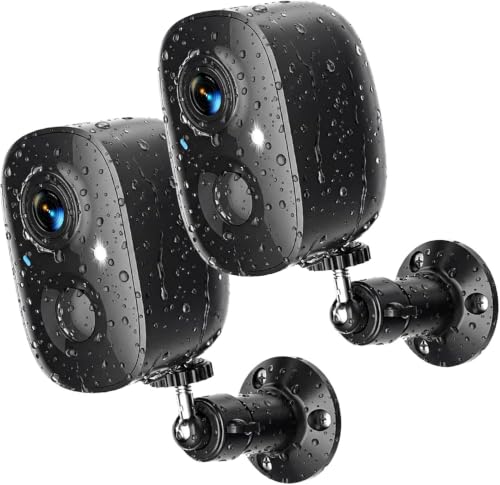
- 【100% Wire-Free | Weatherproof | Extended Battery Life 】- The IP...
Do I need to replace both batteries at the same time?
Yes, absolutely. I learned this the hard way when I replaced only one battery and the old one drained the new one faster.
Always buy a matched pair from the same brand and replace them together. This keeps the charge cycle balanced and extends the life of both batteries.
How do I know if my two batteries are charging properly?
Most solar cameras have a battery status indicator in their app. I check mine every few days to make sure both batteries show similar charge levels.
If one battery consistently shows lower charge than the other, the switching mechanism might be faulty. Contact customer support or try resetting the camera first.