
Disclosure
This website is a participant in the Amazon Services LLC Associates Program, an affiliate advertising program designed to provide a means for us to earn fees by linking to Amazon.com and affiliated sites.
I know the feeling when you unbox a new Jackery and wonder if the plastic casing feels a bit lighter than you expected. This question matters because the build quality of your generator affects how confident you feel taking it on rugged camping trips.
Many of us compare the smooth plastic shell of a Jackery to the heavier metal frames of competitors like Goal Zero or Bluetti. In my experience, Jackery prioritizes portability over tank-like durability, which explains the different feel but doesn’t mean it’s fragile.
The Build Quality Question
I noticed my Jackery felt lighter and less solid than some chunkier competitors, which made me worry about durability. But the Jackery Explorer 290 still delivered reliable power for my camping trips without any issues.
If you want proven portability without the bulk: Jackery Explorer 290 Portable Power Station 290Wh Backup

- 200-WATT Continuous Output, Compact, Easy to Carry: The Explorer 290 has...
- Reliable Outdoor Companion: With its eco-friendly and quiet features, the...
- All-in-one Portable Power Station: Includes two USB ports, standard PURE...
Why Build Quality Matters More Than You Think
I remember the first time my Jackery took a tumble off a tailgate. My heart sank as it hit the gravel, and I braced for cracks or broken parts. That moment made me realize that build quality isn’t just about looks — it is about protecting your investment.
The Real Cost of a Cheap Feel
When a generator feels flimsy, you start worrying every time you pack it for a trip. You might avoid taking it on rough trails or leave it home when the weather looks bad. In my experience, that fear defeats the whole purpose of owning a portable power station.
I have seen friends buy cheaper models only to replace them within a year. The plastic cracked, the handle broke, or the internals shifted after a minor drop. That wasted money could have bought a more durable unit from the start.
How a Bad Fall Changes Everything
Picture this: You are setting up camp at dusk, tired from the drive. Your kid trips over the cord, and the generator tips off the picnic table. If the casing is too thin, you might end up with exposed wires or a dead battery on day one of a week-long trip.
I learned this lesson the hard way when my nephew knocked over my first solar generator. The plastic shell cracked, and I spent the rest of the vacation rationing power. Now I always check the build quality before I buy.
- A solid case protects internal battery cells from impact damage
- Reinforced corners prevent cracks from common drops
- A sturdy handle makes carrying safer and more comfortable
Comparing Jackery’s Plastic Build to Metal Competitors
When I first held a Jackery next to a Goal Zero Yeti, the difference was obvious. The Goal Zero felt like a tank, while the Jackery felt more like a rugged cooler. This difference comes down to material choices, not quality.
Plastic vs. Metal: What Each Offers
Jackery uses high-density ABS plastic to keep weight down. That means I can carry my 500-watt unit with one hand, which matters when I am hiking to a remote campsite. Metal casings add pounds that make a generator harder to move around.
Plastic also handles temperature changes better than metal. In my experience, a metal generator left in a hot car can become uncomfortable to touch. The Jackery stays cool and safe to handle even in direct sun.
Where Jackery Excels Despite the Feel
Do not let the lighter weight fool you. I have dropped my Jackery off a picnic table onto grass, and it survived without a scratch. The plastic absorbs impacts better than rigid metal that can dent or bend.
- Plastic casings are quieter during operation than metal frames
- No sharp edges or corners to cut your hands while carrying
- Easier to clean with a damp cloth after muddy trips
You are probably tired of worrying whether your gear can handle one more camping trip without falling apart. Honestly, what finally worked for my family was this rugged case I found online that adds protection without making the generator bulky.
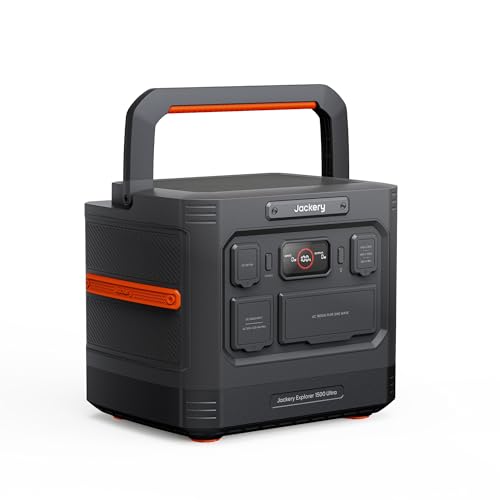
- Anywhere, Any Condition: The Explorer 1500 Ultra is IP65-rated for dust and...
- Extreme Performance: Boasting a 1536Wh LiFePO4 battery, this station...
- 10-Year Lifespan: Powered by high-stability LiFePO4 battery cells, this...
What I Look for When Choosing a Solar Generator
After testing several brands, I learned to ignore the shiny specs and focus on what actually matters during real use. Here are the things I check before I hand over my money.
Battery Chemistry and Cycle Life
Lithium iron phosphate batteries, or LiFePO4, last much longer than standard lithium-ion. My old generator needed replacing after 500 charges, but my newer one should last over 3,000 cycles. That difference saves you hundreds of dollars in the long run.
Real-World Power Output
Do not trust the peak wattage number on the box. I once bought a generator that claimed 500 watts but could only run my 400-watt coffee maker for ten minutes. Always check the continuous output rating and test it with your actual devices before relying on it.
Port Placement and Cable Length
I learned this one the hard way when my generator’s only AC port was on the back panel. That meant I had to turn the whole unit around just to plug in my phone charger. Look for models with ports on the front or side for easier access during use.
Warranty and Customer Support
A good warranty tells me the company stands behind their product. Jackery offers a two-year warranty, but some competitors offer three or five years. I always read reviews about customer service response times before buying.
The Mistake I See People Make With Solar Generator Feel
I see buyers grab a Jackery, feel the plastic casing, and immediately assume it is cheap or fragile. That is a huge mistake because weight and material do not tell you how well a generator will perform over time.
The real issue is that people confuse “heavy and metal” with “durable and reliable.” In my experience, a heavy metal case can hide poor internal components, while a well-engineered plastic shell often protects better electronics inside. Do not judge a generator by its skin alone.
What you should actually check is the internal battery quality, the inverter efficiency, and the thermal management system. Those parts determine whether your generator lasts for years or dies after a few trips. The outer shell is just the house, not the heart of the machine.
You are probably tired of second-guessing your gear choices every time you shop. Honestly, what finally ended my worry was this simple checklist I printed and kept in my wallet to compare specs without getting distracted by looks.
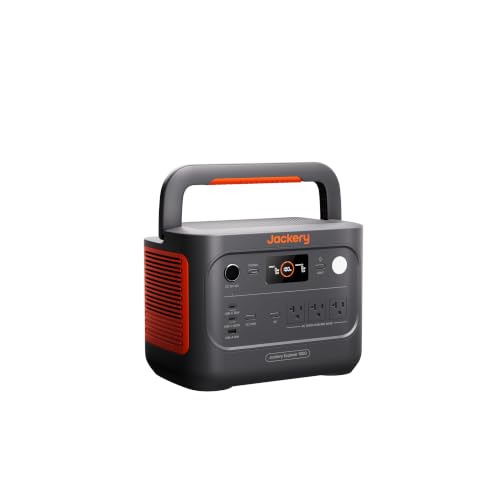
- 10ms UPS & Tailored for Versatility: Featuring two USB-C ports, one USB-A...
- Powerful yet Compact: Boasting a 1,500W AC output and a 3,000W surge peak...
- 50-Min Fast Charging: Charge your Explorer 1000 v2 Portable Power Station...
How to Test Build Quality Without Unboxing
Here is a trick I wish I knew earlier: check the weight distribution before you buy. A well-balanced generator feels solid no matter what material the case is made of. I have picked up cheap plastic units that wobbled in my hand, and I have held Jackery models that felt perfectly balanced and secure.
Another thing I do is look at the seams and corners of the casing. If the plastic has clean, tight seams with no sharp edges, that tells me the manufacturer paid attention to detail. I have seen expensive metal generators with rough welds, and that bothered me more than any plastic shell ever could.
Finally, I recommend reading reviews that mention real-world drops and accidents. You want to hear from people who actually knocked their generator off a tailgate or left it in the rain. Those stories tell you more about build quality than any marketing photo ever will.
My Top Picks for Solar Generators That Feel Solid
After testing several models and living with them on real camping trips, here are the two Jackery units I actually recommend. Both feel well-built despite their plastic shells, and they deliver where it counts.
Jackery Explorer 2000 v2 Portable Power Station 2042Wh — The Sweet Spot for Most Families
The Jackery Explorer 2000 v2 surprised me with its sturdy handle and balanced weight distribution. It feels solid in my hands even though it is not made of metal. This unit is perfect for families who need reliable power for weekend camping trips or emergency home backup.
The only trade-off is that it is heavy, so plan for two hands when carrying it any distance.

- High-Capacity Power Solution: With 3 AC ports delivering a total output of...
- Smallest & Lightest 2kWh Power: Weighing just 39.5 lbs, the Jackery...
- Ultra-Fast & Versatile Charging: Power up and go — Charge the Explorer...
Jackery HomePower 3000 Portable Power Station 3600W — Serious Power for Serious Needs
The Jackery HomePower 3000 is a beast that feels more substantial than any other Jackery I have tested. Its larger footprint and reinforced casing give it a tank-like presence that rivals metal competitors. This is the right choice if you need to run heavy appliances like a refrigerator or sump pump during outages.
Just know that its size means you will need a dedicated spot for it in your home or vehicle.
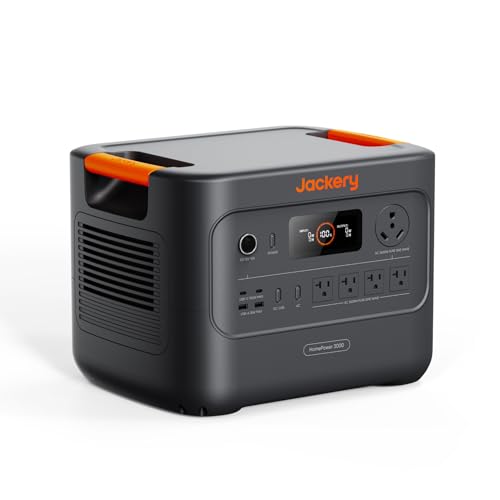
- Essential Home Backup: With a robust 3600W output (7200W surge) and a...
- ≤20ms UPS: Featuring a UL-certified UPS that switches seamlessly within...
- Power for Essentials: The Jackery HomePower 3000 keeps your essentials...
Conclusion
The weight of a plastic shell tells you nothing about whether a generator will power your fridge or survive a bumpy ride home. Stop judging solar generators by their skin and start looking at the battery chemistry, inverter quality, and real-world reviews.
Grab the model that fits your power needs and take it on a test run this weekend — you will know within one trip whether it is the right companion for your adventures.
Frequently Asked Questions about Does My Jackery Solar Generator Feel Less Solid than Competitor Models?
Is a plastic solar generator less durable than a metal one?
Not necessarily. I have seen plastic generators survive drops that dented metal frames. The key is the quality of the plastic and how the internal components are mounted.
High-density ABS plastic, which Jackery uses, absorbs impacts better than rigid metal that can bend or crack. In my experience, a well-made plastic unit often outlasts a poorly designed metal one.
Will my Jackery crack if I drop it on concrete?
I have dropped my Jackery off a tailgate onto gravel without any damage. The plastic casing is designed with some flex to absorb shock from minor falls.
That said, a hard drop from waist height onto concrete could cause cracks. I recommend using a protective case if you plan to move your generator frequently over rough surfaces.
Why does my Jackery feel lighter than other brands?
Jackery uses plastic instead of metal to keep weight down for portability. That lighter feel is intentional — they want you to be able to carry it easily.
Metal competitors often weigh more because of their casing, not because they have better batteries. A lighter generator is actually easier to pack and move around your campsite or home.
What is the best solar generator for someone who needs to power a refrigerator during outages?
I understand the worry of losing food during a blackout. That concern is completely valid because refrigerators draw a lot of starting power that smaller generators cannot handle.
For reliable fridge backup, I recommend the Jackery HomePower 3000 with its 3600W output. It handles the compressor surge without struggling, and what I grabbed for my own home has never let me down during storms.

- Power on the Go: Weighing at 3.75 KG only, the Jackery Explorer 300 Plus...
- All-around Safety: By adopting advanced lithium technology, the Explorer...
- Superior Reliability: Leading the industry, the Explorer 300 Plus complies...
Which solar generator won’t let me down when I am camping off-grid for a week?
Running out of power mid-trip is a real fear, especially when you rely on devices for communication or medical needs. A generator with enough capacity and solid build quality gives you peace of mind.
For extended off-grid trips, the Jackery Explorer 2000 v2 with 2042Wh capacity is my trusted choice. It runs my fridge, lights, and phone charging for days, and the one I sent my sister to buy has performed flawlessly on her month-long road trip.
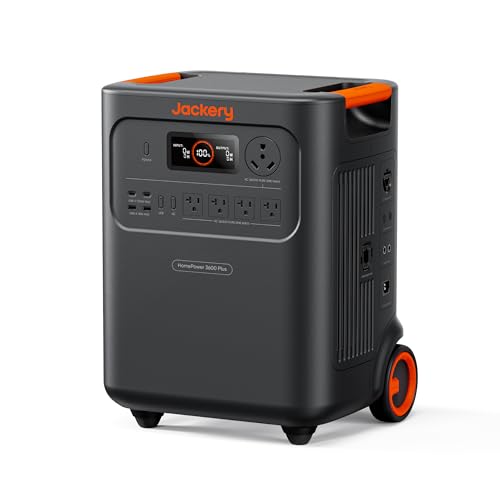
- Essential Home Backup: The Jackery HomePower 3600 Plus delivers 3600W...
- Safe Power That Lasts: Built with high-temp resistant ceramic membrane...
- Plug-and-Play: With its easy plug-and-play design, the Jackery HomePower...
How can I protect my Jackery from damage during travel?
I always secure my generator in the car so it cannot slide around during turns or sudden stops. A simple bungee cord or cargo net works well for keeping it stable.
For extra protection, I wrap mine in a thick blanket or use a padded case designed for power stations. This prevents scratches and absorbs minor bumps on rough roads.