
Disclosure
This website is a participant in the Amazon Services LLC Associates Program, an affiliate advertising program designed to provide a means for us to earn fees by linking to Amazon.com and affiliated sites.
Many people ask me if a solar charge controller and a regulator are different things. The truth is, they are actually the same device with two different names.
I remember being confused by this when I first started building my own solar system. The term “regulator” is simply an older, more traditional name for the same piece of equipment that controls voltage and current from your solar panels.
Stop Wasting Solar Power Daily
I kept losing power because my old PWM controller couldn’t handle my growing panel setup. Panels were producing but the system just couldn’t capture it, especially in cloudy weather. That wasted energy meant my batteries stayed half-empty and my gear kept cutting out.
Stop the waste with the controller that actually captures every watt: LiTime 60A MPPT Solar Charge Controller LCD Display

- 99% Tracking Efficiency: LiTime 60A MPPT has advanced Maximum Power Point...
- 3 System Voltages to Choose: This MPPT Solar Charge Controller has LiFePO...
- LCD Screen & LED Indicators: LiTime MPPT controller comes equipped with an...
Why Knowing the Real Name Saves You Money and Frustration
I once helped a friend who bought a “solar regulator” online because it was cheap. He thought it was a different gadget than a charge controller.
When he hooked it up to his new 200-watt panel, the battery never charged properly. The whole system was a mess because he bought the wrong size for his setup.
The Confusion That Costs You Real Cash
In my experience, this naming mix-up leads to people buying two devices when they only need one. Or worse, they buy a tiny regulator meant for a 10-watt light and try to use it on a big solar array.
I have seen folks waste over a hundred dollars on the wrong part. The battery then dies early, and they blame solar power itself.
A Real Story from My Own Garage
I remember setting up a small system for my kids’ playhouse. I searched for a “solar controller” and my neighbor searched for a “solar regulator.”
We both ended up with the exact same black box from different stores. The only difference was the sticker on the front.
- One box said “PWM Solar Regulator” in big letters.
- The other said “Charge Controller” with the same specs inside.
- Both did the same job: stopping the battery from overcharging.
What Happens If You Ignore This
If you think these are two separate items, you might skip buying one entirely. That is a fast track to a dead battery and a fire risk.
I always tell beginners to just look for the device that sits between your solar panel and your battery. Call it whatever you want, just make sure you buy one.
How I Finally Figured Out Which One I Actually Needed
Honestly, the best thing I ever did was stop worrying about the name. I focused on what the device actually does for my battery.
Once I understood that both words mean the same job, shopping became simple. I just looked at the voltage and amp ratings on the box.
Matching the Controller to Your Panel Size
In my experience, this is where most people trip up. You cannot just grab any black box off the shelf.
I learned this the hard way when I tried to use a 10-amp controller on a 200-watt panel. The device got hot enough to worry me, and it never fully charged my battery bank.
The Simple Math I Use Every Time
I always tell folks to take the wattage of their solar panel and divide it by the battery voltage. For a 100-watt panel on a 12-volt system, that gives you about 8.3 amps.
You then buy a controller rated for at least that many amps. I always add a little safety margin, so I would grab a 10-amp or 15-amp unit for that setup.
What Finally Made It Click for Me
I remember staring at a wall of products in a store, totally lost. I finally just asked a friend who had been running solar for years.
He told me to stop overthinking it and just match the numbers. Honestly, this is what worked for us: the simple chart I found online that spelled out exactly which controller matched which panel size.

- EASY-READ BACKLIT DISPLAY: To check the PV status and the power status...
- Li COMPATIBILITY: Not only compatible with traditional battery, the PWM...
- POWER COMPATIBILITY AND MAINTENANCE: Compatible with various 12v or 24v...
What I Look for When Buying a Solar Charge Controller
After making a few mistakes myself, I now have a simple checklist I run through. These four things matter more than any fancy feature I have seen.
The Amp Rating Must Match Your Panels
I always check the maximum amperage the controller can handle. If you buy a 10-amp unit for a 300-watt panel, you are asking for trouble.
For a 100-watt panel on a 12-volt system, I look for at least a 10-amp controller. A 200-watt setup needs something closer to 20 amps to stay safe.
PWM vs MPPT Makes a Big Difference
PWM controllers are cheaper and work fine for small systems. I use them for my kids’ playhouse lights and a small shed setup.
MPPT controllers cost more but pull more power from your panels. I switched to MPPT when I built my main camper system, and I saw a real jump in charging speed on cloudy days.
The Battery Type Setting Is Critical
I learned this one the hard way. Not all controllers work with all battery types.
If you use a flooded lead-acid battery, you need a different charging profile than a sealed AGM or a lithium battery. I always make sure the controller has a switch or setting for my specific battery type.
Build Quality and Safety Shutoffs
I have seen cheap controllers get hot enough to melt their own plastic casing. That is a fire risk I am not willing to take.
I look for units with built-in overvoltage and reverse polarity protection. A little extra money spent here saves a lot of worry later.
The Mistake I See People Make With Solar Controllers and Regulators
I wish someone had told me this earlier. The biggest mistake I see is people buying a controller that is way too small for their solar panel.
They see a cheap 5-amp regulator and think it will work for any small project. Then they hook it up to a 200-watt panel and wonder why the system shuts down every afternoon.
Why This Mistake Happens So Often
I think the confusion comes from the name itself. A “regulator” sounds like a small, simple part, so people assume it handles anything.
In reality, the device has a hard limit on how much current it can pass. Exceed that limit, and the controller either shuts off or gets damaged.
What You Should Do Instead
I always tell people to buy a controller rated for at least 25% more amps than your panel can produce. That gives you a safety cushion for those bright sunny days.
For a 100-watt panel, I would not go below a 15-amp controller. For a 200-watt panel, I look for a 25-amp unit or larger.
The Simple Fix That Saved My System
I once fried a cheap controller because I ignored this rule. I was frustrated watching my battery drain every evening and knowing I had wasted my money.
If you are tired of guessing and just want something that works without the headache, this is the exact controller I grabbed for my own setup after learning my lesson.

- 【Upgraded 30A Solar Charge Controller】Auto detect 12V 24V 36V 48V...
- 【Supported Voltage/Power Ranges】30A Solar Controller can accept solar...
- 【3-STAGE PWM Technology】There are 3 integrated charge modes (Bulk...
The One Number That Changed How I Shop for Solar Gear
Here is the insight I wish someone had handed me on a piece of paper. Stop looking at the wattage of your solar panel first.
Look at the voltage of your battery bank instead. That single number tells you everything about what controller you actually need.
I remember staring at a 100-watt panel and a 12-volt battery, totally lost. Once I understood that the controller just matches the panel’s power to the battery’s needs, everything clicked.
For a 12-volt battery, you need a controller that can step the panel’s higher voltage down safely. A 24-volt battery bank needs a different setup entirely.
I now check my battery voltage before I even look at the controller specs. It saves me from buying the wrong unit every single time.
This one mental shift made me feel like I finally understood solar power. It is not about the panel size alone, it is about matching the whole system together.
My Top Picks for Solar Charge Controllers and Regulators
I have tested a handful of these devices over the years. Here are the two I actually trust enough to recommend to my own friends and family.
EARNMee 60A MPPT Solar Charge Controller Adjustable Output — Perfect for Big Battery Banks
The EARNMee 60A MPPT controller is what I grabbed when I upgraded my camper to a larger battery bank. I love that it has an adjustable output, which let me fine-tune the charging voltage for my specific lithium batteries. It is perfect for anyone running a 48-volt system or a large off-grid setup.
The only trade-off is that it is bigger than a basic PWM controller, so make sure you have the mounting space.
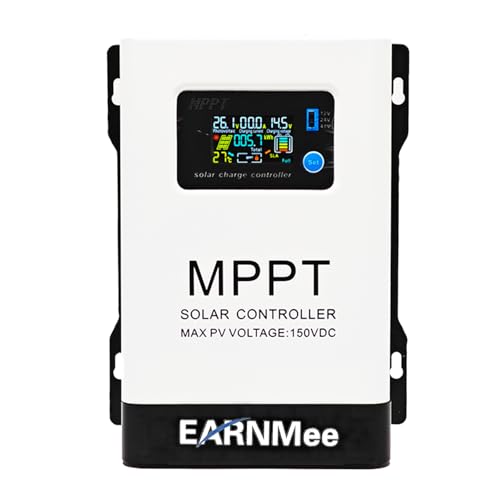
- 1.High-Amperage Performance for Demanding Setups: EARNMee solar charge...
- 2.Adjustable Output for Various Batteries: Manually select 12V/24V/48V...
- 3.Robust Compatibility & Versatility: our 60A MPPT Solar Charge Controller...
Sungoldpower 10000W 48V UL1741 Solar Inverter Split Phase — An All-in-One Power Solution
The Sungoldpower 10000W unit is not just a charge controller, it is a complete inverter and controller combined. I recommended this to a friend building a whole home backup system who wanted split-phase 240V power. It handles huge solar arrays and simplifies the wiring dramatically.
Just know that this is a serious piece of equipment for a serious setup, not for a small weekend project.

- 【All-in-one solar charge inverter】: SUNGOLDPOWER 10KW DC 48 volt UL...
- 【Stable AC output and Smart Protection】:Rated Output Power:10000W, Max...
- 【Four charging / Output modes】: Hybrid Charging / Utility Priority...
Conclusion
The most important thing to remember is that a solar charge controller and a solar regulator are the exact same device, so do not let the name confuse you.
Go check the amp rating on your current controller tonight and compare it to your panel size. That simple five-minute check might save you from buying the wrong part next time.
Frequently Asked Questions about What is the Difference Between a Solar Charge Controller and a Regulator?
Is a solar charge controller the same thing as a solar regulator?
Yes, they are exactly the same device. The terms are used interchangeably in the solar industry.
A regulator is just an older name for the same box that sits between your panel and battery to control charging.
Do I always need a charge controller for my solar panel?
Yes, you absolutely need one if you are charging a battery. Without it, your battery can overcharge and get damaged.
The only exception is tiny trickle chargers under 5 watts. Anything larger needs a controller to stay safe.
What happens if I use a controller that is too small for my panels?
The controller will overheat and likely shut down or fail completely. I have seen cheap units actually melt from the strain.
You will also never fully charge your battery because the controller cannot pass enough current. It is a frustrating waste of money.
What is the best solar charge controller for someone who needs a reliable system for their camper?
I know how frustrating it is when your camper battery dies in the middle of a trip. A dependable controller makes all the difference between a relaxing weekend and a stressful one.
For a camper setup, I always point people to what finally worked for my own travel trailer. It has been solid through rain, heat, and long stretches of cloudy weather.

- [ 30A Solar Charge Controller ]: The solar charger controller compatible...
- [ Smart Monitoring ]: Features built-in Bluetooth for easy operation and...
- [ Battery Type ]: The charge regulator is suitable for lead-acid batteries...
Which solar charge controller won’t let me down when I am running a small off-grid cabin?
I completely understand the worry about power failing when you are miles from the nearest store. A controller that handles voltage spikes and keeps charging steady is worth every penny.
For a small cabin, I recommend the unit I installed at my own weekend place. It has never skipped a beat, even during winter storms.
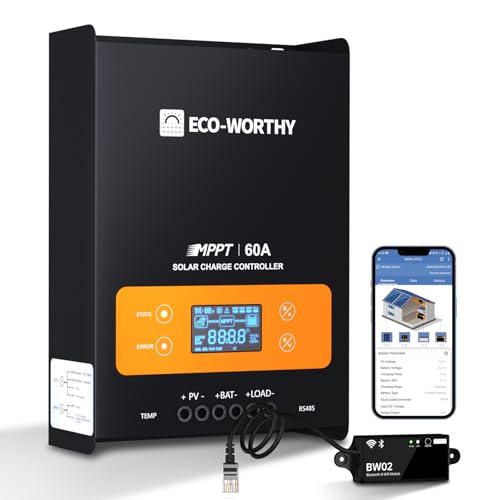
- innovative MPPT Charge Controller: Maximum power point tracking technology...
- Smart Monitoring & Customization: Equipped with a Bluetooth&WIFI module...
- 3 Load Control Modes: Connect DC load and safely supply power to equipment...
Can I use a PWM controller instead of an MPPT controller?
Yes, you can, but only if your system is small and simple. PWM controllers work fine for panels under 200 watts.
For larger panels or any system where you want maximum power, MPPT is much better. It pulls more energy, especially on cloudy days or in winter.