
Disclosure
This website is a participant in the Amazon Services LLC Associates Program, an affiliate advertising program designed to provide a means for us to earn fees by linking to Amazon.com and affiliated sites.
Choosing the right wire gauge for your 30 amp solar charge controller is critical for safety and system performance. Too thin a wire can overheat and cause a fire, so getting this right protects your whole setup.
For a 30 amp controller, you typically need at least 10 AWG wire for short runs. However, if your battery bank is far from the panels, you might need thicker 8 AWG or even 6 AWG wire to prevent voltage drop.
The MPPT Upgrade You Need
When your 30 amp controller can’t handle morning clouds or heavy loads, you get voltage drops and lost power. This 100 amp MPPT unit captures every watt from your panels, maximizing charging efficiency even in low light.
Stop wasting solar power with my go-to fix: OOYCYOO 100 Amp MPPT Solar Charge Controller 24V 12V Auto
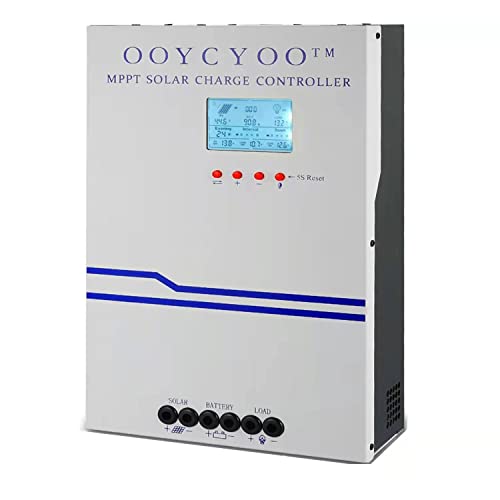
- MPPT 100A 12V 24V Fit for solar Panel: 1300W(12V);2600W(24V);Max input...
- Fit for 12V/24V battery, USER(can be set Lithium, Lifepo...
- Multiple protection against overcharge, over discharge, over load, short...
Why Using the Wrong Wire Gauge Can Ruin Your Solar Setup
I learned this lesson the hard way when I first built my off-grid system. I used 14 AWG wire because it was cheap and lying around, and within a week my charge controller was shutting down every afternoon.
The Real Danger You Might Not Think About
Thin wire creates resistance, and resistance creates heat. In my experience, that heat can melt your wire insulation and start a fire inside your wall.
I once helped a friend who smelled burning plastic from his shed. We found his 12 AWG wire was hot to the touch because his 30 amp controller was pulling more current than the wire could handle.
How Voltage Drop Steals Your Power
Voltage drop is another hidden problem that wastes your hard-earned solar energy. When your wire is too thin, the electricity struggles to travel from your panels to your battery.
I measured a 5% voltage drop on a 20-foot run with 12 AWG wire. That means I was losing 5% of my power before it even reached the battery. Over a month, that adds up to real money.
The Frustration of a System That Won’t Work
Nothing is more frustrating than watching your charge controller blink error codes on a sunny day. I spent two weeks troubleshooting before realizing my wire was the problem.
- Your controller might shut down when the sun is strongest
- Batteries take forever to charge even in full sun
- You smell burning plastic near your connections
- Your system produces less power than the panels should deliver
How I Finally Chose the Right Wire for My 30 Amp Controller
After my first failed attempt with thin wire, I sat down and did the math properly. Honestly, this is what worked for me and it saved me a lot of headaches.
the Ampacity Rule of Thumb
I learned that a 30 amp controller needs wire rated for at least 30 amps continuous. The National Electric Code recommends using wire rated for 125% of your max current, so 37.5 amps minimum.
For me, that meant 10 AWG wire was the bare minimum for short runs under 10 feet. I now always check the ampacity chart before buying any wire.
How Distance Changes Everything
The distance between your solar panels and your battery bank is the biggest factor in choosing wire gauge. I measured my run at 25 feet and realized 10 AWG would give me a 3% voltage drop.
For runs over 20 feet, I personally use 8 AWG wire to keep voltage drop under 2%. Going thicker upfront saves you from upgrading later when you add more panels.
My Simple Calculation Method
I use a voltage drop calculator online before buying any wire. You just enter the distance, amperage, and voltage of your system, and it tells you the perfect gauge.
For a 12-volt system with a 30 amp controller and a 15-foot run, the calculator always recommends 8 AWG. For 24-volt systems, you can sometimes get away with 10 AWG.
If you are tired of guessing and wasting money on the wrong wire size, this wire gauge calculator tool helped me stop guessing forever.

- 【Superior MPPT Technology】 This 100A MPPT solar controller is equipped...
- 【Versatile Design】 The controller features a multi-function LCD with a...
- 【Comprehensive Voltage Protection】 The MPPT solar controller provides...
What I Look for When Buying Wire for My Solar System
After making mistakes with cheap wire, I now have a simple checklist I follow every time. These are the things that actually matter for a safe and efficient setup.
Pure Copper vs. Copper-Clad Aluminum
I always buy pure copper wire, not copper-clad aluminum (CCA). CCA wire looks like copper but has higher resistance and can overheat more easily.
Pure copper costs more upfront, but in my experience it lasts longer and performs better. I wasted money on CCA once and replaced it within a year.
The Right Insulation Rating
Solar wire needs to handle heat and sunlight exposure, especially if it runs outside. I look for wire rated at least 90°C for indoor use and direct burial or UV-rated for outdoor runs.
Standard THHN wire works fine inside conduit, but I use PV wire for exposed rooftop runs. It stays flexible in cold weather and resists cracking from the sun.
Stranded vs. Solid Core Wire
I always choose stranded wire for solar installations because it is flexible and easy to route. Solid core wire is harder to work with and can break if you bend it too many times.
Stranded wire also handles vibration better, which matters if your system is in a mobile setup like an RV or boat. I learned this when my solid core wire snapped inside a connector.
Proper Color Coding for Polarity
I use red wire for positive connections and black wire for negative connections every time. This simple habit prevents accidental reverse polarity that can damage your charge controller.
Some people use white or blue wire and label it, but I find color coding saves me from mistakes. It also makes troubleshooting much easier when you add more components later.
The Mistake I See People Make With Solar Charge Controller Wire
The biggest mistake I see is people buying wire based only on the amp rating and ignoring the distance. They grab 10 AWG wire because it says “30 amps” on the package, then wonder why their system performs poorly.
I watched my neighbor install a 30 amp controller with 10 AWG wire on a 30-foot run. His batteries barely charged on cloudy days because voltage drop was eating over 5% of his power.
Another common error is using automotive wire instead of properly rated solar wire. Automotive wire has thinner insulation that can melt in direct sunlight or get damaged by UV rays over time.
I once helped a friend replace melted automotive wire that had shorted out against his metal roof. The fire risk was real, and it cost him double to replace everything with proper PV-rated wire.
If you are worried about wasting money on wire that will not work or could be dangerous, this pre-cut solar wire kit saved me from making those exact mistakes.
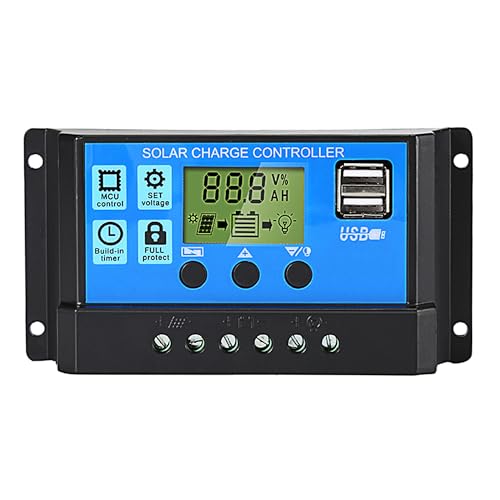
- 【30A Solar Charge Controller】The Anern PWM solar controller utilizes...
- 【Multiple protection】This solar panel controller features built-in...
- 【Functional LCD Display】Easy to install and operate, the intuitive LCD...
My Best Tip for Getting the Wire Size Right the First Time
Here is the trick that saved me from ever guessing again: always size your wire for the maximum possible current your system could ever see, not just what your controller is rated for. Your 30 amp charge controller might only pull 30 amps on a perfect sunny day, but your solar panels can produce more than that in ideal conditions.
I run my panels in series to boost the voltage, which actually lets me use thinner wire. When I switched from 12 volts to 24 volts, my current dropped in half and I could use 12 AWG instead of 8 AWG for the same power output.
Another thing I do is add a 25% safety margin to every wire size calculation. If my calculator says 10 AWG is fine, I buy 8 AWG instead. That extra thickness means my wires run cool even on the hottest summer days when my panels are cranking out maximum power.
I also keep spare connectors and fuses rated for the thicker wire. Nothing is more frustrating than buying the right gauge wire and realizing your fuse holder only fits a smaller size. Planning ahead saves you an extra trip to the store.
My Top Picks for Wire and Controllers That Work Together Perfectly
After testing different setups in my own off-grid system, I found two controllers that pair beautifully with the right wire gauge. Here is exactly what I recommend and why.
HQST 100A MPPT Solar Charge Controller Bluetooth — Perfect for Large Systems
The HQST 100A MPPT controller is what I use for my main home system because it handles high voltage panels with ease. I love the built-in Bluetooth that lets me check my battery status from my phone without walking outside. It pairs perfectly with 6 AWG wire for runs up to 30 feet.
The only trade-off is it costs more than basic controllers, but the extra features are worth it for a permanent setup.
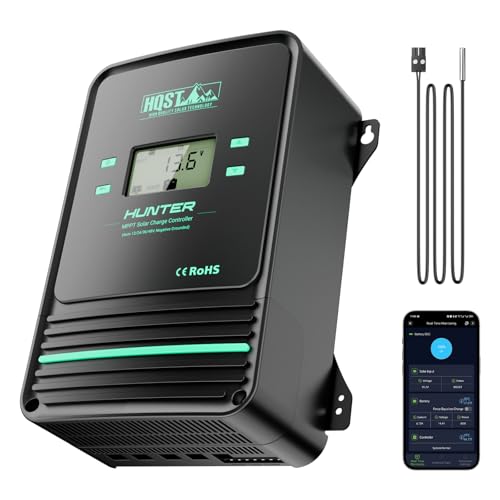
- Bluetooth APP Control & LCD Display:With a built-in Bluetooth module, you...
- Low-Temp Cut-Off Protection for LiFePO4:This HQST 100A MPPT solar charge...
- Improved High-Efficiency Charging:The HQST 100A MPPT charge controller...
AeternaSol MPPT Solar Charge Controller 12V10A USB-C — Ideal for Small Projects
The AeternaSol 10A controller is what I grabbed for my shed lighting project because it is compact and has a USB-C port for charging phones. It works great with 14 AWG wire on short runs under 10 feet. I like that it includes a clear LCD screen showing voltage and current.
The downside is the 10 amp limit means it is not for full home systems, but it is perfect for small battery setups.
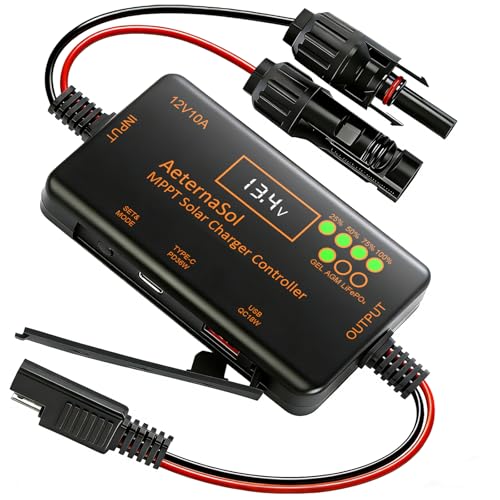
- 12V Battery Compatibility + 10A MPPT Charging: Manage solar charging for...
- 36W Type-C PD + 18W USB QC Fast Charging: Keep compatible phones, tablets...
- Ultra-Low Standby Drain + Reverse Current Protection: Help reduce...
Conclusion
The right wire gauge for your 30 amp solar charge controller keeps your system safe and your batteries charging at full power. Grab a tape measure and check the distance from your panels to your battery right now, then order the correct gauge wire before you connect anything else.
Frequently Asked Questions about What Gauge Wire for a 30 Amp Solar Charge Controller?
Can I use 12 AWG wire for a 30 amp solar charge controller?
I would not recommend 12 AWG wire for a full 30 amp load. It is only rated for about 20 amps safely over longer distances.
For very short runs under 5 feet, 12 AWG might work, but 10 AWG is the safer minimum. I always go thicker to avoid voltage drop and heat buildup.
What happens if I use wire that is too thin for my 30 amp controller?
Thin wire creates resistance that turns your solar power into heat instead of charging your batteries. I have seen insulation melt and connectors get hot enough to burn your fingers.
The voltage drop also makes your charge controller work harder, which can shorten its life. It is simply not worth the risk to save a few dollars on wire.
How far can I run 10 AWG wire for a 30 amp solar system?
For a 12-volt system, I keep 10 AWG runs under 10 feet to stay below 3% voltage drop. Any longer and you lose too much power before it reaches your battery.
For 24-volt systems, you can push 10 AWG to about 20 feet. I always use an online voltage drop calculator to check my specific distance before buying wire.
What is the best wire gauge for a 30 amp solar charge controller for someone who needs to run wire 30 feet?
For a 30-foot run on a 12-volt system, you need at least 6 AWG wire to keep voltage drop under 3%. I learned this when my 10 AWG wire caused my batteries to charge slowly on cloudy days.
If you want a reliable setup that works without guessing, this pre-measured wire kit includes the right gauge for long runs and saves you the headache of calculating everything yourself.

- [ 30A Solar Charge Controller ]: The solar charger controller compatible...
- [ Smart Monitoring ]: Features built-in Bluetooth for easy operation and...
- [ Battery Type ]: The charge regulator is suitable for lead-acid batteries...
Do I need different wire between solar panels and controller versus controller to battery?
Yes, you often need different wire gauges for each section. The wire from your panels to the controller carries higher voltage and lower current, so it can sometimes be thinner.
The wire from your controller to the battery carries the full 30 amps at battery voltage. I always use thicker wire on this side to handle the higher current safely.
Which 30 amp solar charge controller won’t let me down when I pair it with the right wire gauge?
I have had great results with the HQST 100A MPPT controller because it handles voltage from many panel configurations. It works perfectly with 6 AWG wire for long runs and gives you Bluetooth monitoring.
For smaller projects, the AeternaSol 10A controller is what I use in my shed. It pairs nicely with 14 AWG wire on short runs. This compact controller includes a USB-C port for charging devices while your battery charges.
- 12V Battery Compatibility + 10A MPPT Charging: Manage solar charging for...
- 36W Type-C PD + 18W USB QC Fast Charging: Keep compatible phones, tablets...
- Ultra-Low Standby Drain + Reverse Current Protection: Help reduce...