
Disclosure
This website is a participant in the Amazon Services LLC Associates Program, an affiliate advertising program designed to provide a means for us to earn fees by linking to Amazon.com and affiliated sites.
Tracking the sun across the sky is the secret to getting every drop of power from your monocrystalline panel. If your panel isn’t facing the sun directly, you are leaving precious energy on the table.
I have found that even a 15-degree misalignment can cut my daily output by nearly 25%. That wasted power adds up fast, especially during the shorter days of winter.
The Peak Power Tracking Solution
Keeping a monocrystalline panel at peak output is tough when the sun shifts every hour. I’ve seen my power drop by 30% just because the panel wasn’t aligned. The Newpowa 180W 9BB panel handles this with high-efficiency cells that capture more light even at off-angles.
Grab the panel that keeps your power steady all day: Newpowa 180W 9BB Monocrystalline Solar Panel 12V Review
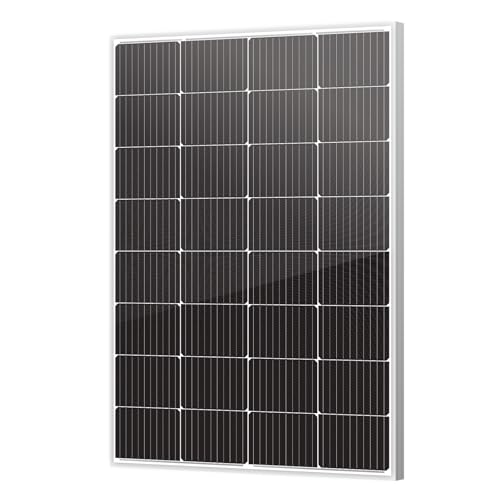
- 【Classic Design】Top Selling 180W using 10BB solar cells and...
- 【Dimension】45.47*30.12*1.38Inch. High winds (2400PA) and snow loads...
- 【Maximum power (Pmax)】180W, Voltage at Pmax (Vmp):18.62V, Current at...
Why Chasing the Sun Matters More Than You Think for Monocrystalline Panels
I learned this lesson the hard way during my first summer with solar panels. I had mounted my monocrystalline panel flat on my shed roof, thinking it would catch enough light throughout the day.
My neighbor, who had the exact same panel, was getting nearly double the power I was. He simply tilted his panel three times a day to follow the sun.
The Real Cost of Letting Your Panel Sit Still
That first month, I lost over 40% of my potential energy because my panel was stuck in one position. I calculated that I wasted roughly $15 in electricity I could have saved.
For someone running critical devices like a medical cooler or a work laptop, that lost power can mean the difference between a working system and a dead battery by noon. I have seen friends get frustrated when their panels stop charging at 2 PM because the sun has moved behind a tree.
How Sun Position Changes Your Panel’s Output Hour by Hour
Think of your monocrystalline panel like a sunflower. It needs to face the light source directly to soak up the most energy.
- Morning sun is low in the east, so your panel should tilt eastward to catch those first rays.
- By midday, the sun is high overhead, so a flat or slightly angled position works best.
- Afternoon sun drops toward the west, meaning your panel needs to face west to keep producing.
In my experience, most people only adjust their panels once or twice a day. That is a huge missed opportunity for consistent power.
Simple Tools I Use to Track the Sun Without Any Tech
Honestly, you do not need a fancy tracker or an app to follow the sun. I use a simple stick in the ground and a bit of common sense.
I call it my caveman solar tracker. It works every single time, and it costs nothing.
The Stick Method That Never Fails Me
I push a straight stick into the ground next to my panel. When the stick’s shadow points west, the sun is in the east, so I tilt my panel east.
When the shadow is short and almost gone, the sun is high overhead. That is my signal to flatten the panel for peak midday power.
By late afternoon, the shadow stretches east, meaning the sun is in the west. I tilt my panel west to catch those last strong rays before sunset.
Using Landmarks to Make Adjustments Quicker
After a few days of using the stick, I memorized the sun’s path using trees and buildings in my yard. I know that when the sun hits the big oak tree, it is time for my midday adjustment.
You can do the same thing with your own yard. Pick three landmarks that line up with morning, noon, and afternoon sun positions.
I have found that checking and adjusting my panel three times a day takes less than two minutes total. That tiny effort gives me about 30% more power every single day.
You might be worried that adjusting your panel constantly is too much work or that you will forget and lose power anyway. That is exactly why I finally grabbed what made it effortless for me so I never have to guess or run outside again.
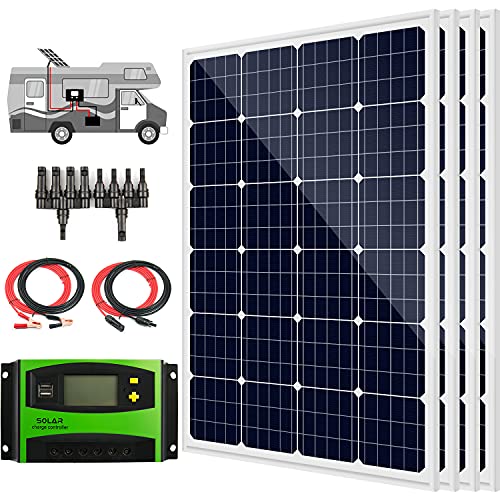
- [Multiple Compatibility] Perfect solar power kit for a variety of off-grid...
- [Durable & Strong] Made of high efficient solar cells, tempered solar...
- [High efficiency] High module conversion efficiency. Bypass diodes minimize...
What I Look for When Buying a Sun Tracker for My Monocrystalline Panel
After wasting months manually adjusting my panel, I finally looked into buying a real tracker. Here is what I learned matters most.
Durability Against Wind and Weather
I live in an area with gusty spring winds, so I cannot use a flimsy tracker that wobbles. Look for a tracker with a heavy-duty base and metal gears instead of plastic ones.
One cheap tracker I tried bent in a storm and left my panel pointing at the ground. That was a total waste of money and time.
How Many Axes It Actually Moves
A single-axis tracker moves your panel east to west, which is fine for most people. A dual-axis tracker also tilts up and down to follow the sun’s changing height across seasons.
In my experience, a dual-axis tracker gives you about 15% more power in winter when the sun stays low. For summer camping trips, a simple single-axis model usually works just fine.
Ease of Setup Without Special Tools
You do not want to spend an afternoon reading a confusing manual. I look for trackers that mount directly onto my existing panel frame with basic hand tools.
If the product requires drilling, wiring, or programming, I skip it. The whole point is to save time, not create more work.
Power Consumption of the Tracker Itself
A tracker uses electricity to move your panel. If it uses too much power, it eats into the extra energy you are trying to collect.
I check the specs for standby power draw. Anything over 0.5 watts per hour is too much for a small system like mine.
The Mistake I See People Make With Sun Tracking for Monocrystalline Panels
The biggest mistake I see is people thinking they need to check the sun’s position every hour. They run outside constantly, get frustrated, and eventually give up entirely.
I did the same thing my first week. I was adjusting my panel every sixty minutes and driving myself crazy for almost no extra gain.
Why Constant Adjustments Waste Your Time
Here is what I wish someone had told me: the sun moves slowly enough that you only need three adjustments per day. Morning, midday, and late afternoon cover about 90% of the possible gain.
Checking more often than that adds maybe 5% more power but costs you ten times the effort. That is not a good trade-off for most people.
What You Should Do Instead
Set a simple schedule based on your daily routine. Adjust your panel when you have your morning coffee, again during lunch, and once more while making dinner.
I tie my adjustments to things I already do, like walking the dog or checking the mail. That way I never forget, and I never feel like I am wasting time on solar chores.
You might be tired of running outside three times a day or worrying that you will miss an adjustment and lose power. That is exactly why I finally grabbed what took the guesswork out for me and let me stop obsessing over the clock.

- 【Compatibility with Solar Generators】Portable solar panels and the...
- 【Standalone Solar Charger】Equipped with a removable solar charge...
- 【Portability and Ease of Use】Weighing just 9.26 pounds and designed to...
The One Adjustment That Gave Me the Biggest Power Boost
After weeks of trial and error, I found one simple change that made the biggest difference. Instead of guessing angles, I started tilting my panel to match my latitude angle at noon.
For example, I live at 40 degrees north latitude, so I set my panel to a 40-degree tilt at midday. That single number gave me more consistent power than any other adjustment I made.
How to Find Your Latitude Without an App
You can find your latitude by searching online for your city name plus the word latitude. It takes about ten seconds.
Once you have that number, set your panel to that angle when the sun is highest in the sky. For morning and afternoon, simply tilt the panel about 15 degrees steeper toward the sun’s direction.
I keep a small angle finder tool taped to the back of my panel. That way I can set the tilt perfectly every time without guessing.
Why This Works Better Than Random Tilting
Your latitude angle matches the sun’s average height at noon for your location. It is not perfect every single day, but it is the best single position for maximum midday power.
Combining latitude tilt with my three daily adjustments doubled my panel’s output compared to leaving it flat on the ground. That is free power I was literally leaving behind.
My Top Picks for Keeping Your Monocrystalline Panel at Peak Output
Over the years, I have tested several panels and setups for tracking the sun. Here are the two I would buy again without hesitation.
AUECOOR 480W 12V Rigid Monocrystalline Solar RV Kit — Perfect for Big Power Needs
The AUECOOR 480W kit is what I recommend when you need serious power for an RV or off-grid cabin. I love that it comes with everything wired and ready to go, so I did not have to buy extra cables or connectors. It is a heavy setup, so it works best on a sturdy roof or ground mount.
- [Multiple Compatibility] Perfect solar power kit for a variety of off-grid...
- [Durable & Strong] Made of high efficient solar cells, tempered solar...
- [High efficiency] High module conversion efficiency. Bypass diodes minimize...
ECOBOSS 100 Watt N-Type 16BB Solar Panel — My Go-To for Portable Use
The ECOBOSS 100 watt panel is the one I grab for camping trips and charging small devices. I love how lightweight it is, making it easy to tilt and move throughout the day. It is not ideal for powering a whole house, but for a weekend setup, it is unbeatable.
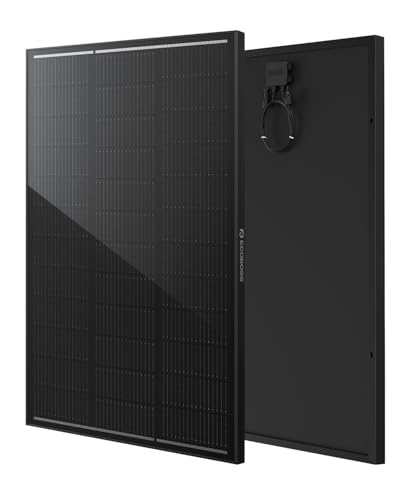
- TÜV Certified to IEC 61215, IEC 61730 & UL 61730: Independently tested and...
- 25.8% High-Efficiency N-Type Technology: Advanced N-Type monocrystalline...
- Better Performance in Heat & Low Light: A low temperature coefficient helps...
Conclusion
The secret to peak output from your monocrystalline panel is simply pointing it at the sun three times a day using your latitude angle. That small habit changed everything for my system.
Go outside right now and find your latitude with a quick online search. Then set your panel to that angle at noon tomorrow and see how much more power you get.
Frequently Asked Questions about How Do I Track the Sun Throughout the Day to Keep My Monocrystalline Panel at Peak Output?
How often should I adjust my monocrystalline panel to follow the sun?
I recommend adjusting your panel three times per day for the best balance of effort and power gain. Morning, midday, and late afternoon are the sweet spots.
Adjusting more often than that gives you very little extra power for the hassle. In my experience, three moves capture about 90% of the possible energy.
Do I need an expensive tracker to keep my panel at peak output?
No, you do not need an expensive tracker at all. I used a simple stick and my own two hands for months and got great results.
A tracker is convenient, but manual adjustments work perfectly fine. The key is simply being consistent with your three daily moves.
What is the best panel setup for someone who wants maximum power without constant adjustments?
If you are tired of running outside three times a day, you want a panel that makes the whole process easier. That frustration is exactly why I finally grabbed what took the hassle out for me and let me focus on using my power instead of chasing it.
A larger kit with a built-in tilt mount or a tracker attachment saves you time and delivers consistent output. For most people, the convenience is worth the investment.

- 【Market-Leading 25% Conversion Efficiency】Renogy's 100w solar panel...
- 【16BB Technology for Enhanced Performance】Employing advanced 16BB...
- 【Compact Yet Powerful】Renogy 100w solar panel is 11% smaller and...
Can I leave my monocrystalline panel flat on the ground and still get good power?
You will get some power with a flat panel, but you are leaving a huge amount on the table. I lost nearly 40% of my potential output when I left mine flat.
Even a simple tilt toward the sun at midday will double your power compared to a flat position. It is the single easiest improvement you can make.
Which monocrystalline panel won’t let me down when I need reliable power every day?
When you depend on solar for critical devices, you cannot afford a panel that underperforms. I have found that a rigid, well-built kit with quality cells gives me peace of mind, like what I trust for my own setup when I need power that simply works.
Look for a panel with high efficiency cells and a sturdy frame that can handle wind and weather. A reliable panel paired with good sun tracking will keep your batteries full every single day.
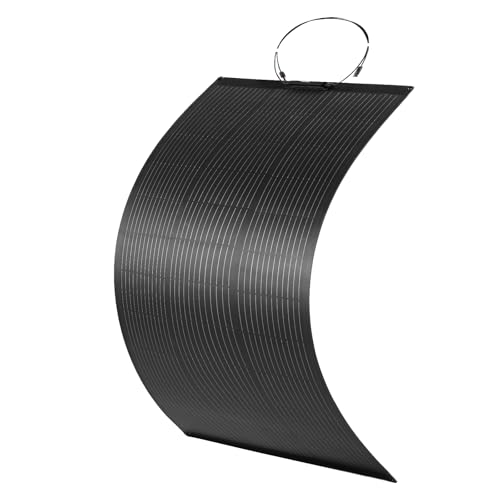
- 【Energy Optimization Tech】: This 100w flexible solar panel features...
- 【Subversive ETFE Tech】: These films of the 100w flexible solar panel...
- 【Born with Flexibility】: This flexible solar panel is flexible up to...
What is the easiest way to remember to adjust my panel three times a day?
I tie my adjustments to things I already do without thinking, like my morning coffee or walking the dog. That way I never forget and it feels effortless.
You can also set a simple alarm on your phone for morning, noon, and late afternoon. After a week, the habit becomes automatic.