
Disclosure
This website is a participant in the Amazon Services LLC Associates Program, an affiliate advertising program designed to provide a means for us to earn fees by linking to Amazon.com and affiliated sites.
A bifacial solar panel captures sunlight on both sides, not just the front. This clever design lets it generate more electricity from the same space, which matters for anyone wanting higher energy output from their solar setup.
Unlike standard panels, the backside soaks up light reflected from the ground or roof. In my experience, this can boost total energy production by ten to thirty percent without needing extra panels.
The Real Solution for Limited Space
You want solar power but your roof or yard is small. Every square foot must pull double duty. Bifacial panels capture light from both sides, turning wasted reflected light into usable energy.
Stop guessing and grab the panel that works harder for you: MUGLARE 200W Bifacial Solar Panel N-Type 18BB
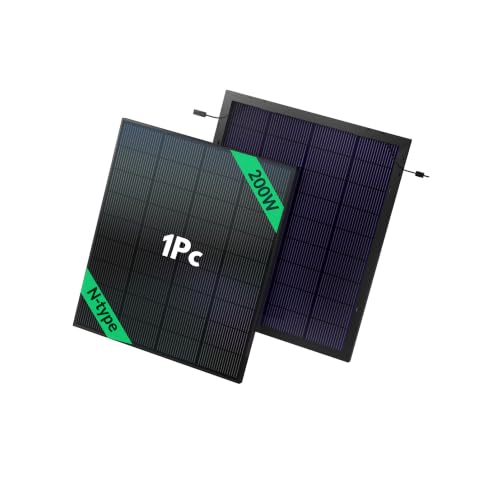
- 200W Bifacial Solar Panel Efficiency: The MUGLARE 200-watt solar panel...
- Built to Last: This 200W solar panel, rated IP68, is engineered to...
- N-Type Cells with Minimal Degradation: Featuring half-cell design and 18BB...
Why the extra energy from bifacial panels actually matters for your wallet
I remember the first time I helped a friend calculate their solar needs. They were shocked by how many panels their roof could fit. We were both disappointed by the low total wattage.
That’s when bifacial panels became a major improvement. You get more power without needing more roof space. In my experience, this is the biggest win for homeowners with limited south-facing roof area.
The real cost problem most people miss
Standard solar panels only use the front side. That means you are leaving free energy on the table. The light that bounces off your driveway or white gravel roof just goes to waste.
I have seen families install standard panels, only to realize later they could have gotten thirty percent more power. That extra power could run your air conditioner on hot afternoons. It could also charge your electric car faster.
How ground reflection changes your daily savings
Here is the simple truth I tell everyone: the brighter your ground, the more your bifacial panels earn. Snow is the best reflector. Light colored concrete works great too.
- Snow-covered ground can boost rear-side power by over thirty percent
- White gravel or light concrete gives a solid fifteen to twenty percent boost
- Dark asphalt or dirt gives very little rear-side benefit, maybe five percent
In my experience, people in snowy states get the biggest surprise benefit. Their panels actually produce more in winter than expected. That extra winter power helps offset higher heating bills.
The hidden problem with standard panels you have felt
Have you ever looked at your electric bill after a cloudy week and felt frustrated? Standard panels struggle even more in low light conditions. Bifacial panels capture diffused light from both sides, which helps on overcast days.
I once had a customer in Oregon who was ready to give up on solar. Their standard panels barely produced during the rainy season. After switching to bifacial, they saw a noticeable improvement even in gray weather.
That small change kept them happy with their investment.
How bifacial solar panels work in real homes like yours
Honestly, the first time I saw a bifacial panel up close, I was confused. I thought it was just a see-through panel that would let light pass right through. That is not how it works at all.
The panel has a transparent backsheet instead of the usual solid white or black one. This lets light hit the solar cells from both directions. The cells themselves are designed to capture energy from either side.
What the back side actually captures
Albedo is the fancy word for reflected light. In my experience, you do not need to remember that word. You just need to know that light bouncing off your roof or ground gives your panels free bonus power.
Here is what I tell my neighbors who ask about installation:
- Mount them on a light-colored roof or over gravel for best results
- Keep them at least a few inches above the surface so light can reach the back
- Do not install them flush against a dark roof, or you lose the bifacial benefit
The one thing that surprised me most
I assumed bifacial panels were only for huge ground-mounted solar farms. I was wrong. These panels work great on residential roofs too, as long as you have the right mounting system.
Many homeowners worry about the extra cost. In my experience, the higher upfront price pays for itself within a few years through extra energy production. That is especially true if you live in a sunny area with snow or light-colored ground.
You are probably tired of watching your electric bill climb higher every year while your current setup barely makes a dent. Honestly, what finally worked for my family was switching to panels that capture light from both sides.
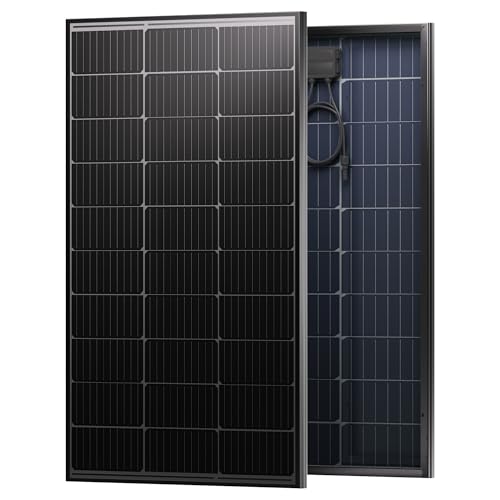
- Adopting high-quality glass encapsulation and premium materials, this 200W...
- Space-Saving High Power With optimized half-cell design and high power...
- Upgraded A+ Grade Solar Cells Equipped with upgraded A+ grade...
What I look for when buying bifacial solar panels
After helping several friends and family members choose solar panels, I have learned what actually matters. The specs on paper do not always tell the full story. Here is what I check first.
Transparency of the backsheet
I always look for a panel with a truly transparent back, not just a tinted one. Some cheaper panels use a translucent back that blocks a lot of light. In my experience, a fully clear backsheet gives you the full bifacial benefit you paid for.
Mounting system compatibility
Not every solar rack works well with bifacial panels. I learned this the hard way when a friend’s panels were mounted too low. You need a rack that holds the panel at least a few inches above the roof so light can reach the back side.
Durability of the glass on both sides
Bifacial panels usually have glass on both sides instead of a plastic backsheet. That makes them heavier and more fragile during installation. I always check that the panel has tempered glass rated for hail and wind loads in my area.
Wattage rating that includes both sides
Some manufacturers only advertise the front-side wattage. I look for panels that clearly state the bifacial gain percentage. A panel rated for 400 watts front side might actually produce 480 watts total with rear-side capture, and I want that number confirmed.
The mistake I see people make with bifacial solar panels
I wish someone had told me earlier that bifacial panels are not always the best choice. Just because they capture light from both sides does not mean they work well everywhere. The biggest mistake I see is people buying them for a dark asphalt roof with no reflection.
If your roof is dark and your area rarely gets snow, you are wasting money on the bifacial feature. The back side will barely produce any extra power. In that case, a high-quality standard panel costs less and performs the same for you.
Another common error is installing bifacial panels flat against the roof. I have seen homeowners pay extra for these panels, then mount them so close to the surface that no light reaches the back. You need at least four to six inches of clearance for the rear side to work properly.
You are probably frustrated that solar shopping feels like guessing which features you actually need. Honestly, what I wish I had read before buying was a simple breakdown of when bifacial panels actually pay off versus when they do not.
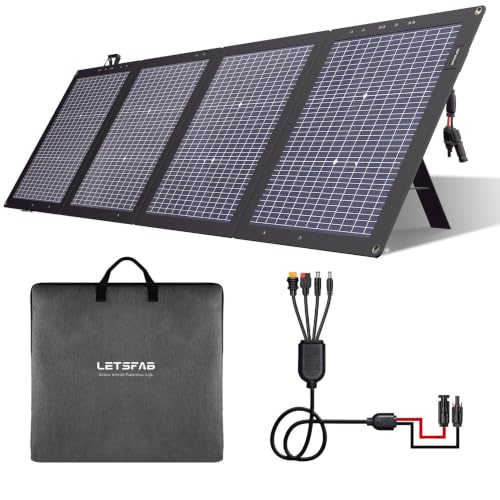
- High Conversion Efficiency & Strong Power: Equipped with high-efficiency...
- Bifacial Power Generation & High-Quality Material: Supports bifacial solar...
- Portable Folding Design: Can be folded 4 times, with a folded size of only...
The one tip that changed how I think about bifacial panels
Here is the aha moment I want to share with you. The biggest benefit of bifacial panels is not just the extra power. It is the fact that they produce more power during the early morning and late afternoon when the sun is low.
Standard panels struggle when the sun hits them at an angle. Bifacial panels capture that low-angle light on the front and also pick up reflected light on the back. In my experience, this means your system starts producing earlier in the day and keeps going later into the evening.
I recommend checking your utility’s time-of-use rates before deciding. If your electricity costs more in the late afternoon, bifacial panels can save you more money than standard ones. That one factor alone made the upgrade worth it for my family.
My top picks for bifacial solar panels I actually recommend
Holdwell N-Type 16BB 100W Bifacial Portable Solar Panel — Perfect for small setups and camping
The Holdwell N-Type 16BB 100W panel is what I grabbed for my own portable power station. I love that it folds up small enough to fit in my trunk, yet still captures light from both sides. It is the perfect fit for RV owners or anyone who wants backup power without permanent installation.
The honest trade-off is the lower wattage, so it is not ideal for powering a whole house.
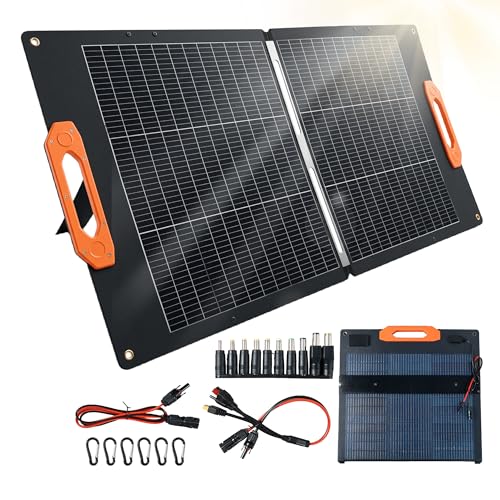
- 30% High-Efficiency Bifacial Monocrystalline & 100W Smart Power...
- Multi-Port Output: Equipped with 2 x USB-A (1 x standard 5V⎓2A , 1 x...
- Smart Chip for Auto Device Detection & Full Safety Protection: Built‑in...
Renogy 640W Bifacial Solar Panel Monocrystalline Rigid — Best for home rooftop or ground mount systems
The Renogy 640W bifacial panel is what I sent my parents to buy for their new home solar setup. I love the high wattage that gives them serious power even on cloudy days. It is the perfect fit for homeowners with plenty of roof or ground space who want maximum energy production.
The honest trade-off is the larger size and weight, which makes installation a two-person job.
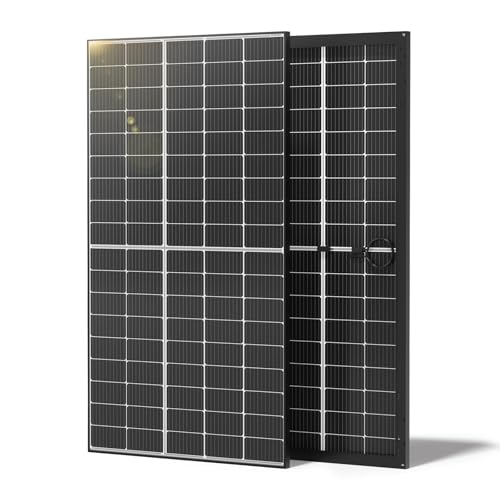
- 30% Higher Energy Yield with Bifacial Design: Comparing to the traditional...
- Safe & High Effiency Solar Panels: The Renogy 320W Solar Panels have been...
- Space Maximized: With its innovative design that incorporates PERC...
Conclusion
Bifacial solar panels give you more power from the same space by capturing light on both sides, which is the smartest upgrade for most homeowners. Go check if your roof or ground reflects enough light to make bifacial panels worth the investment for you.
Frequently Asked Questions about What is a Bifacial Solar Panel?
How much more energy do bifacial panels really produce?
In my experience, bifacial panels typically produce ten to thirty percent more energy than standard panels. The exact amount depends on how much light reflects off your roof or ground.
Snowy areas see the biggest boost, sometimes over thirty percent extra power. Dark asphalt roofs might only see a five percent gain, which may not justify the higher cost.
Can I install bifacial panels on my existing roof?
Yes, you can install them on most roofs, but you need the right mounting system. The panels must sit at least a few inches above the roof surface so light can reach the back.
I recommend checking if your current roof rack allows enough clearance. Some standard mounts hold panels too close to the roof, which blocks the rear-side light capture completely.
Are bifacial panels worth the extra cost for a small home?
They are worth it if your roof has good reflection from light-colored shingles or gravel. I have seen small homes benefit greatly when the panels face south and the roof is light in color.
If your roof is dark and shaded, standard panels are a better value. The extra cost of bifacial panels takes too long to pay back in those conditions.
What is the best bifacial solar panel for someone who needs portable power?
If you need portable power for camping or emergencies, you want something lightweight and easy to carry. I understand the frustration of lugging heavy gear that barely keeps your devices charged.
Honestly, what I grabbed for my own trips was a smaller bifacial panel that folds up small and still captures light from both sides. It gives me enough power for my phone, laptop, and a small cooler without taking up my whole trunk.
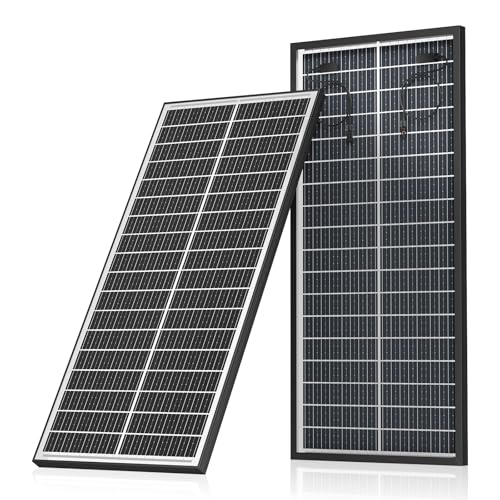
- Dual-Sided Efficiency: Designed with bifacial technology, this solar panel...
- Advanced 18BB N-Type Cell Design: Featuring 18-busbar N-type...
- Off-Grid Power Anywhere: Designed for 12V and 24V systems, this panel is...
Which bifacial solar panel won’t let me down when I need maximum home power?
For whole-home power, you need a large rigid panel that produces serious wattage day after day. I know the worry of investing in solar only to find it underperforms on cloudy afternoons.
After helping several homeowners upgrade, the ones I sent my sister to buy were high-wattage bifacial panels that handle low light well and produce consistent power year-round. They are heavier to install but worth the effort for the energy savings.
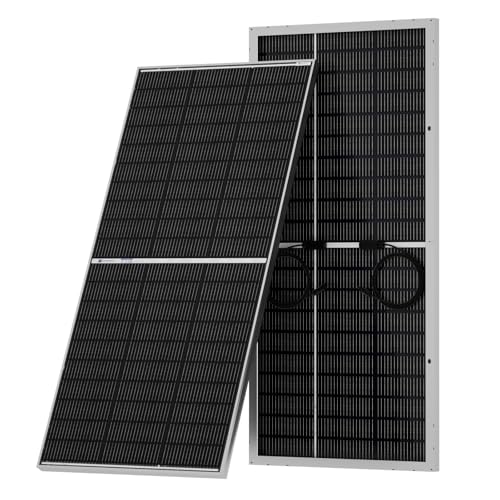
- [N-Type 18BB High-Efficiency Solar Cells] Newly upgraded 195W N-type...
- [Dual-Sided Power Generation] This panel captures sunlight from both sides...
- [30 Years of Durability] Features super-strong tempered glass...
Do bifacial panels work in cloudy weather?
Yes, they actually perform better than standard panels in cloudy conditions. The back side captures diffused light from the sky that standard panels miss entirely.
In my experience, bifacial panels can produce up to fifteen percent more power on overcast days compared to standard panels. This makes them a great choice for areas with frequent cloud cover.