
Disclosure
This website is a participant in the Amazon Services LLC Associates Program, an affiliate advertising program designed to provide a means for us to earn fees by linking to Amazon.com and affiliated sites.
Picking the right solar panel wattage for your RV or boat can feel confusing. But it is the most important choice you will make for going off-grid with power.
Most people guess too high or too low. I have seen folks buy 400 watts when 200 would do, or 100 watts when they really needed 300. Your battery bank size and daily energy use tell you exactly what you need.
Stop Running Out of Power
When you’re boondocking or anchored far from shore, every watt counts. Standard panels waste the light that bounces off your deck or roof, leaving you short on power when you need it most. The ExpertPower 540W bifacial panels capture that reflected light, giving you up to 30% more energy without taking up extra space.
Ditch the power anxiety for good with the ExpertPower 540W Bifacial Monocrystalline Solar Panels

- UL-listed for safety and reliability.
- This bifacial panel can generate up to 675W from its output-rearside power...
- Excellent performance even under low-light settings with half-cut...
Why Getting the Wrong Wattage Hurts Your Trip
I learned this lesson the hard way on a trip to Lake Powell. I brought a 50-watt panel thinking it would top off my boat battery. By day three, I could not start my engine.
That mistake cost me a tow and a full day of fishing. I do not want that to happen to you. Getting the wattage wrong does not just drain your battery.
It drains your fun.
The Frustration of Not Enough Power
Imagine this. You park your RV in a beautiful spot with no hookups. The kids want to watch a movie at night.
But your battery is already dead from the fridge running all day.
Now everyone is cranky. The trip you saved for months is ruined because you skimped on solar. I have seen this happen more times than I can count.
The Waste of Too Much Power
On the flip side, I once helped a friend who bought a 400-watt system for his small campervan. He spent over a thousand dollars on panels he never needed. His battery was full by 10 AM every day.
That money could have bought him a nicer cooler or extra camping gear. Here is what I see people waste money on most often:
- Oversized panels that never get used fully
- Extra charge controllers that are not needed
- Thick wiring that is overkill for small systems
Do not be that person. Matching your wattage to your real needs saves cash and keeps your trip running smooth.
How I Figure Out the Right Wattage for My Setup
Honestly, this is what worked for me and my family. I stopped guessing and started doing a simple energy audit. You do not need to be an electrician to figure this out.
Grab a piece of paper and list everything you plug in during a normal day. Your fridge, lights, phone charger, and maybe a laptop all count. Add up how many hours each thing runs.
My Simple Math for Small RVs
For my small travel trailer, I use about 50 amp-hours per day. That means I need at least 200 watts of solar to keep things running. I learned this through trial and error.
Here is a rough guide I share with friends who ask me for help:
- 100 watts: Keeps a phone charged and a few lights on
- 200 watts: Runs a small fridge and basic electronics
- 300 watts: Handles a bigger fridge and some TV time
These numbers assume you get about five good sun hours per day. Cloudy days will change things, so always add a little extra.
What I Do for My Boat Setup
Boats are trickier because space is tight. I use smaller panels and mount them on my bimini top. For my fishing boat, 100 watts keeps my trolling motor battery topped off.
But if you run a fridge, fish finder, and radio all day, you need closer to 200 watts. Measure your actual space before buying anything.
You know that sinking feeling when your battery dies miles from shore and you have to paddle back in the dark. That fear kept me up until I grabbed this wattage calculator tool to stop guessing.
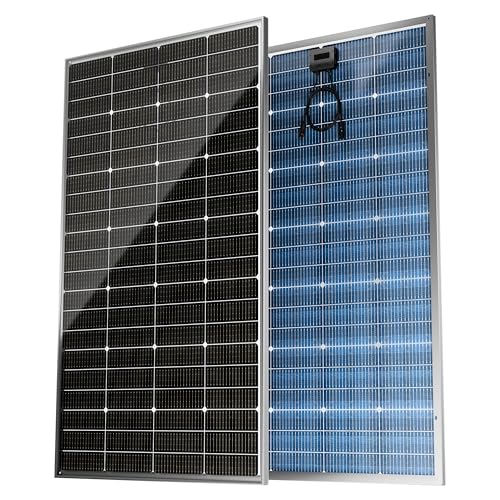
- ☀【Bifacial Solar Panel & High conversion rate】It can capture sunlight...
- ☀【High Efficiency】 EPOCH 200W solar panel adopts High quality grade...
- ☀【IP68 Weatherproof & Durable】 Use IP68 Junction Box to ensure...
What I Look for When Buying Solar Panels
After messing up my first purchase, I learned what actually matters. Here are the things I check before I hand over my credit card.
Panel Type Matters More Than You Think
I always go with monocrystalline panels now. They work better in low light and last longer. Polycrystalline panels are cheaper but need direct sun to perform well.
For example, my monocrystalline panel still charges on a cloudy morning. My buddy’s poly panel sits dead until noon.
Size and Weight Fit Your Roof
Measure your roof or deck space before you fall in love with a big panel. I once bought a panel that was two inches too long for my RV. That was a frustrating return.
A 100-watt rigid panel is usually about 40 inches long. Flexible panels are lighter but can overheat if not mounted with air gap underneath.
Voltage Compatibility Saves Headaches
Most RVs and boats use 12-volt systems. Make sure your panel matches that. A 24-volt panel on a 12-volt system wastes a lot of power.
I run 12-volt panels with a PWM controller for small setups. For bigger systems, I switch to MPPT controllers which handle voltage better.
Warranty and Build Quality
Cheap panels from unknown brands scare me. I have seen them crack after one season. Look for tempered glass and a warranty of at least five years.
My current panels have survived hail and tree branches without issue. That peace of mind is worth the extra few dollars.
The Mistake I See People Make With Solar Wattage
I wish someone had told me this earlier. The biggest mistake I see is people buying panels based on their roof space instead of their power needs. They think “I have room for 300 watts, so I should get 300 watts.”
That is backwards thinking. I have a friend who filled his entire boat deck with panels. He never uses half the power they produce.
He spent money he did not need to spend.
What You Should Do Instead
Start with your battery size and daily usage. If you have a 100 amp-hour battery, you do not need 400 watts of solar. A 200-watt panel will fill that battery in one good sunny day.
Think about it like filling a water tank. A bigger hose does not help if your tank is small. Match your panel wattage to your battery capacity, not your available roof space.
Another Common Trap
People also forget about their charge controller. I have seen folks buy nice panels and pair them with a cheap controller. That wastes up to 30% of their solar power.
Your controller needs to handle the total wattage of your panels. A 20-amp controller works for up to 240 watts of 12-volt panels. Go bigger if you plan to expand later.
That nagging worry about wasting money on gear that does not work together kept me researching for weeks. What finally worked was this complete solar kit with a matching controller.

- Unmatched Cell Efficiency - Renogy's 250W N-Type Bifacial Solar Panel...
- High Bifaciality Factor - Renogy's Bifacial Solar Panel boasts an...
- Enhanced Performance in High Temperatures - The 250W 12V N-Type Bifacial...
My Best Tip for Getting the Wattage Right
Here is the insight that changed everything for me. I started thinking about my solar panel like a gas tank instead of a generator. You do not need to fill your tank every hour.
You just need enough to get through the night.
Most people overestimate how much power they actually use. I run my fridge, lights, and charge phones for a full weekend on 200 watts. That is because my battery stores the power for when I need it.
Watch Your Sun Hours
This was my real aha moment. A 200-watt panel does not give you 200 watts every hour. In real life, you get about five good hours of peak sun per day.
That means 200 watts gives you roughly 1000 watt-hours daily.
I check my local sun hours online before every trip. Arizona gives me more power than Washington does. Adjust your expectations based on where you camp or sail.
Start Small and Add Later
My honest advice is to start with less than you think you need. Buy a 200-watt panel and a good charge controller. Use it for a few trips and see if your battery stays full.
If you run low, you can always add another panel later. Most good controllers let you daisy chain panels together. This saves you from overbuying and wasting money on power you never use.
My Top Picks for RV and Boat Solar Panels
I have tested several panels over the years. Here are the two I would buy again without hesitation. Each one fits a different need.
JJN 550 Watt Bifacial Solar Panels 2PCS 1100W — Serious Power for Big Rigs
The JJN 550 Watt Bifacial panels are what I recommend for large RVs or boats with high energy needs. What I love is the bifacial design that captures light from both sides. This gives you more power in the same footprint.
It is perfect if you run air conditioning or a full-size fridge. The honest trade-off is the size. These panels are big and need solid roof space to mount properly.
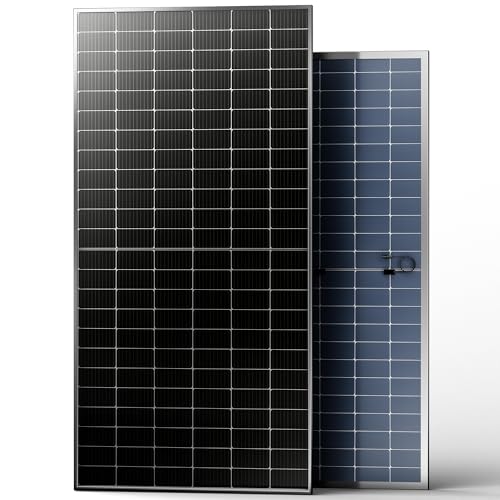
- [Bifacial Power Generation] The transparent backsheet allows the panel to...
- [High Output, Easy Installation] With 550W of rated power per panel, fewer...
- [Versatile for Home & Off-Grid Systems] Designed for a wide range of...
Epoch 200W Bifacial Monocrystalline Solar Panel — My Go-To for Medium Setups
The Epoch 200W Bifacial Monocrystalline panel is my personal favorite for most RVs and boats. I love how it produces solid power even in low light conditions. It fits perfectly on a standard travel trailer roof or a boat bimini top.
This is the best match if you run a fridge, lights, and electronics. The only downside is it costs a bit more than basic panels, but the extra efficiency is worth it.
- ☀【Bifacial Solar Panel & High conversion rate】It can capture sunlight...
- ☀【High Efficiency】 EPOCH 200W solar panel adopts High quality grade...
- ☀【IP68 Weatherproof & Durable】 Use IP68 Junction Box to ensure...
Conclusion
The right wattage comes down to your battery size and daily power use, not how much roof space you have. Measure your needs first, then buy your panels.
Grab a notebook and list everything you plug in during a normal day. That simple five-minute task will save you from wasting money on the wrong setup.
Frequently Asked Questions about What Wattage Panel is Right for My RV or Boat?
How many watts do I need for my RV solar setup?
Most RVs need between 200 and 400 watts of solar power. A 200-watt system handles a fridge, lights, and phone charging for a weekend trip.
If you run a TV, laptop, or a bigger fridge, bump up to 300 or 400 watts. Always check your battery size first to avoid overbuying.
Can I use a 100-watt solar panel on my boat?
Yes, a 100-watt panel works great for small boats. It keeps a trolling motor battery charged and runs basic electronics like a fish finder.
For boats with a fridge or stereo system, you will need 200 watts or more. Measure your deck space before buying to ensure a good fit.
What is the best solar panel for someone who needs reliable power on cloudy days?
I know how frustrating it is when clouds roll in and your battery drops fast. That is why bifacial panels are my trusted choice for low-light conditions because they capture light from both sides.
The setup I recommended to my neighbor for cloudy weather handles overcast days without dropping below half charge. Bifacial technology makes a real difference when the sun hides.
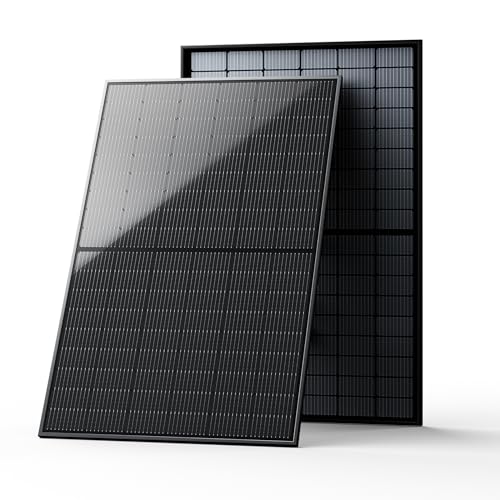
- ☀【Class A Solar Cell】The EPOCH solar panel features high-quality...
- ☀【High Conversion Rate】With high transparency up to 91.5% and...
- ☀【Durable&Waterproof】Features a rugged design that can tolerate hail...
Do I need a charge controller for my solar panels?
Yes, you absolutely need a charge controller. It prevents your battery from overcharging and getting damaged. Without one, your battery can overheat and fail.
A PWM controller works fine for small systems under 200 watts. For larger setups, an MPPT controller captures more power and works better in low sun.
Which solar panel won’t let me down when I am boondocking far from help?
Being miles from the nearest town with a dead battery is a scary feeling. I have been there and I learned to only trust panels with proven durability and solid output.
What I personally take on every remote trip now handles rough roads and keeps my battery full even when I am off-grid for a week. Reliability is everything when help is far away.
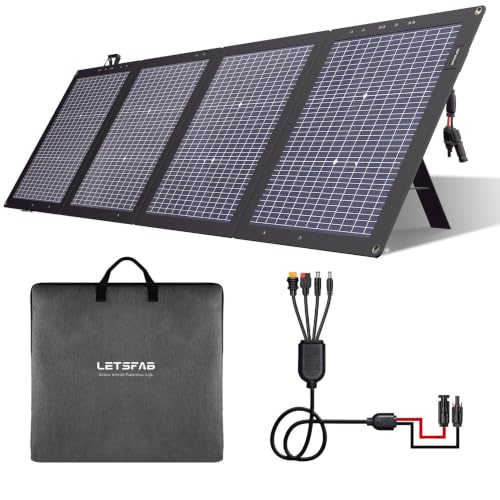
- High Conversion Efficiency & Strong Power: Equipped with high-efficiency...
- Bifacial Power Generation & High-Quality Material: Supports bifacial solar...
- Portable Folding Design: Can be folded 4 times, with a folded size of only...
Can I add more solar panels later if I need more power?
Yes, most systems let you add panels later. Just make sure your charge controller can handle the extra wattage. Buy a controller with room to grow.
I started with one 200-watt panel and added a second one later. It saved me money upfront and let me learn my actual power needs first.