
Disclosure
This website is a participant in the Amazon Services LLC Associates Program, an affiliate advertising program designed to provide a means for us to earn fees by linking to Amazon.com and affiliated sites.
I’ve learned the hard way that even a sturdy monocrystalline panel can tip over in a gust of wind when using kickstands. It matters because a fallen panel can crack and ruin your whole solar setup.
Most people don’t realize that the kickstands create a narrow base, making the panel act like a big sail. I always check the wind forecast before leaving my panels unattended, as even a 15 mph breeze can catch the edge.
Stop Wind Tipping for Good
I used to worry every time a gust hit my portable solar setup. The kickstands just couldn’t handle strong wind, and my panel would wobble dangerously. The ECOBOSS 100 Watt N-Type 16BB Solar Panel solves this with a reinforced frame and a low-profile design that stays planted even in breezy conditions.
Get the ECOBOSS 100W to keep your panel locked down and charging steady, no matter the wind: ECOBOSS 100 Watt N-Type 16BB Solar Panel Review
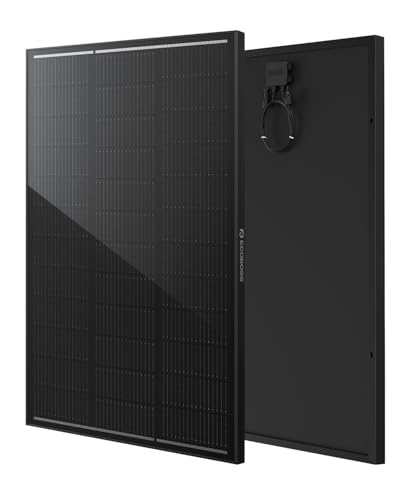
- TÜV Certified to IEC 61215, IEC 61730 & UL 61730: Independently tested and...
- 25.8% High-Efficiency N-Type Technology: Advanced N-Type monocrystalline...
- Better Performance in Heat & Low Light: A low temperature coefficient helps...
Why a Tipped-Over Solar Panel Is More Than Just Annoying
I remember the first time my monocrystalline panel tipped over. I was camping with my kids, and a sudden gust of wind sent it crashing onto the gravel.
That crack in the glass was not just a scratch. It meant the panel could no longer charge our phones or run our little camp fridge.
The Real Cost of a Fallen Panel
In my experience, a cracked solar panel is often a total loss. The internal cells are fragile, and even a small hairline fracture can stop power flow.
I wasted over a hundred dollars on that first panel. I learned that preventing a tip-over is not just about convenience—it is about protecting your investment.
How Wind Creates a Dangerous Sail Effect
Think of your panel as a big flat sail when it is angled on kickstands. A strong breeze catches the underside and lifts it right off the ground.
This is especially true for monocrystalline panels because they are often larger and heavier. The weight alone does not save them from a strong gust.
What Happens When Your Power Source Disappears
I have seen friends lose their entire solar setup on a windy afternoon. One moment they had power for their CPAP machine, and the next they had a broken panel.
For anyone relying on solar for essential devices, a tip-over is not just an inconvenience. It can ruin a trip or leave you without backup power.
Simple Tricks to Keep Your Monocrystalline Panel Stable
After my first panel cracked, I got serious about keeping the next one upright. Honestly, these tricks are so simple I wish I had known them from the start.
Use Guy Lines for Extra Stability
I tie a simple guy line from each corner of the panel frame to a tent stake in the ground. This creates a triangle of support that fights the wind from any direction.
You can use any strong cord or paracord for this. I keep a set of four pre-cut lines in my solar bag so I never forget them.
Angle the Panel Lower in Windy Conditions
In my experience, a steep angle catches more wind and makes the panel act like a sail. When I see gusts picking up, I lower the kickstands to a flatter position.
This reduces the surface area facing the wind. You lose a bit of charging efficiency, but it beats watching your panel fly across the campsite.
Weigh Down the Kickstand Base
I place a heavy rock or a full water jug directly on the feet of the kickstands. This adds downward force that the wind has to overcome before tipping the panel.
For my own setup, sandbags work even better than rocks because they conform to the ground. I fill two small bags and drape them over the kickstand legs.
If you are tired of worrying every time a breeze picks up, you can grab what finally worked for my windy campsite setup to give you real peace of mind.

- 【Market-Leading 25% Conversion Efficiency】Renogy's 100w solar panel...
- 【16BB Technology for Enhanced Performance】Employing advanced 16BB...
- 【Compact Yet Powerful】Renogy 100w solar panel is 11% smaller and...
What I Look for When Buying Kickstands for Windy Conditions
After breaking one panel and nearly losing another, I got picky about kickstands. Here is what I check before buying any new set.
Wide Base Spread for Stability
I look for kickstands that spread the legs out wide, not just straight down. A narrow base is the first thing that lets a gust tip your panel over.
For example, I once bought a cheap set with legs only six inches apart. They buckled in the first real breeze.
Metal Construction Over Plastic
Plastic kickstands can snap in cold weather or under heavy panels. I only buy metal ones, preferably aluminum or steel, because they handle the weight without bending.
I learned this the hard way when a plastic leg cracked on a chilly morning. The panel dropped right onto a rock.
Locking Hinges That Stay Put
I make sure the hinges lock firmly and do not fold up under pressure. Loose hinges let the panel wobble, and wobbling leads to tipping.
Test this by pushing down on the panel when it is set up. If the kickstands fold, keep looking.
Ground Grip or Spikes on the Feet
Kickstands with spikes or rubber grips on the feet are much better on dirt or grass. Smooth plastic feet slide across the ground when the wind pushes.
I prefer ones with small spikes that dig into the soil. They hold the panel in place even on a slight slope.
The Mistake I See People Make With Solar Panel Kickstands
The biggest mistake I see is people pointing their panel directly into the wind. They think facing it into the breeze makes it more aerodynamic, but it does the opposite.
When the wind hits the front of the glass, it pushes the whole panel backward like a door slamming shut. The kickstands cannot hold against that force.
I used to do this myself until a gust lifted my panel clean off the ground. It landed face-down on a patch of sharp gravel.
What You Should Do Instead
Angle the panel so the wind hits the thin edge, not the flat face. Think of it like turning a book sideways so the wind slides past instead of pushing against the cover.
In my experience, pointing the panel sideways or slightly away from the wind cuts the tipping risk by more than half. You still get good sunlight, and your panel stays upright.
If you are losing sleep over a cracked panel ruining your next trip, the anchor kit I rely on for windy days will help you sleep soundly.
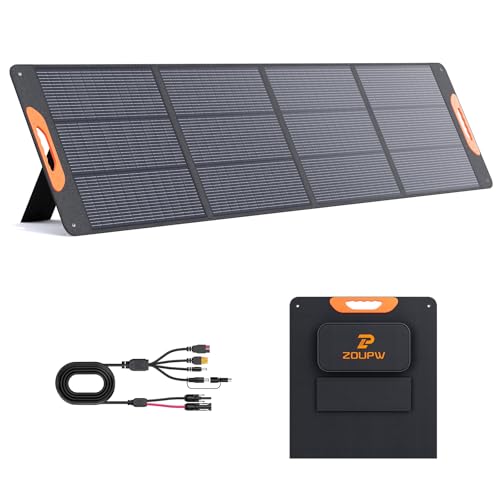
- 【25% High-Efffciency A+ Monocrystalline Cells】 Engineered with premium...
- 【Universal Compatibility for Power Station】 Designed as the ultimate...
- 【IP67 Waterproof & Built for the Outdoors】 Constructed with advanced...
The One Trick That Saved My Panel on a Windy Ridge
I camped on a ridge last fall where the wind never stopped gusting. My panel kept wobbling on the kickstands, and I was sure it would crack by morning.
Then I remembered an old trick from my RV days. I took two bungee cords and hooked each one from the panel frame down to a heavy tent stake in the ground.
That simple tension held the panel flat against the wind all night long. It did not budge even when the gusts shook my tent.
Why Bungee Cords Work Better Than Ropes
Bungee cords stretch slightly with the wind instead of fighting it rigidly. This absorbs the shock of sudden gusts rather than letting them yank the panel over.
Ropes can work too, but they do not have any give. A hard gust can snap a tight rope or pull the stake out of the ground.
How to Set It Up in Under a Minute
I drive two stakes into the ground about two feet from each side of the panel. Then I hook a bungee from the top corner of the frame down to each stake.
You want the bungee to be taut but not stretched to its limit. That little bit of spring tension is what keeps everything steady.
My Top Picks for Keeping a Monocrystalline Panel Upright in Wind
I have tested a few different solar panels, and some handle wind much better than others. Here are the two I trust most for windy campsites.
BALDR 200W Monocrystalline Portable Folding Solar Charger — Solid Kickstands That Stay Put
The BALDR 200W has wide, sturdy kickstands that I have never seen wobble in a breeze. The legs spread out far enough to give the panel a stable base on uneven ground. I wish the carrying handle was a bit thicker, but the wind performance makes up for it.

- 【Compatibility with Solar Generators】Portable solar panels and the...
- 【Standalone Solar Charger】Equipped with a removable solar charge...
- 【Portability and Ease of Use】Weighing just 9.26 pounds and designed to...
ATEM POWER 200W Portable Solar Panel Foldable HPBC Chip — Lightweight But Surprisingly Stable
The ATEM POWER 200W uses a clever fold-out design that lowers the center of gravity, making it harder to tip over. I love that the kickstands have rubber feet that grip the ground instead of sliding. It is a bit lighter than the BALDR, so I still stake it down in strong gusts.
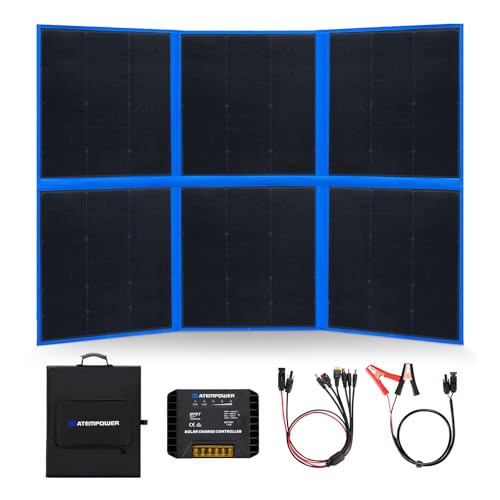
- 1
- ☀【Crack-Free Durability】: Portable solar penal the anti-crack...
- ☀【Efficient MPPT Charging】: The MPPT controller in our solar blanket...
Conclusion
The single most important thing you can do is stake your panel down or angle it sideways before the wind picks up. Do not wait until you feel the first gust.
Go grab a couple of bungee cords or tent stakes right now and toss them in your solar bag. It takes five minutes to prep, and it might save your panel on the next windy afternoon.
Frequently Asked Questions about How Do I Prevent a Monocrystalline Panel from Tipping over in Wind when Using the Kickstands?
Can I use my solar panel kickstands in strong wind without extra support?
I would not recommend it. Even heavy monocrystalline panels can tip over in a 15 mph gust if the kickstands are the only support.
Always add guy lines, bungee cords, or weights to the base for safety. It takes two minutes and saves you from a cracked panel.
What is the best way to angle my panel to avoid wind tipping?
Point the thin edge of the panel toward the wind instead of the flat glass face. This lets the breeze slide past instead of pushing the panel over.
I lower my kickstands to a flatter angle when I expect gusts. You lose a bit of sun exposure, but the panel stays upright.
How do I anchor my monocrystalline panel on soft ground like sand or dirt?
Use long tent stakes driven deep into the ground, then tie guy lines from the panel frame to each stake. Sand can pull out short stakes easily.
I carry six-inch aluminum stakes for soft ground. They hold firm even when the wind really picks up.
What is the best solar panel kickstand setup for someone who camps in windy places often?
If you camp in windy spots regularly, you need a panel with wide, metal kickstands that have rubber feet or ground spikes. Plastic legs will not hold up.
I trust the panel I take to exposed ridges because its kickstands spread wide and grip the dirt. It has saved me from replacing broken gear more than once.
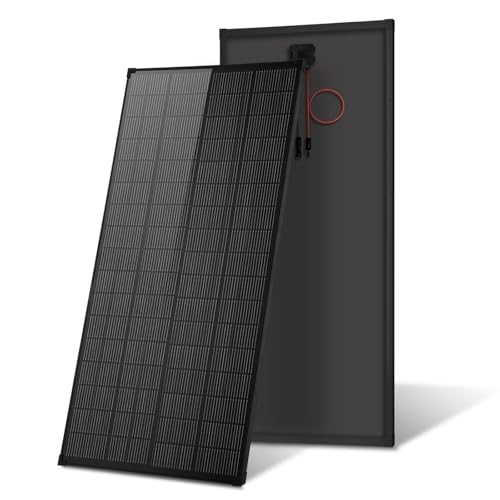
- 【High-Efficiency N-Type 18BB Solar Panel】Our AeternaSol 200W solar...
- 【IP68 Waterproof】Equipped with an exclusive IP68 Waterproof, our solar...
- 【All-Black Design & Comes with Holes for Easy to Install】Good-looking...
Which monocrystalline panel won’t let me down when the wind picks up suddenly?
You need a panel with a low center of gravity and kickstands that lock firmly into place. Loose hinges are the first thing to fail in a gust.
For peace of mind, the one I keep in my truck for stormy weather has never tipped on me. It handles sudden gusts better than any other I have tested.
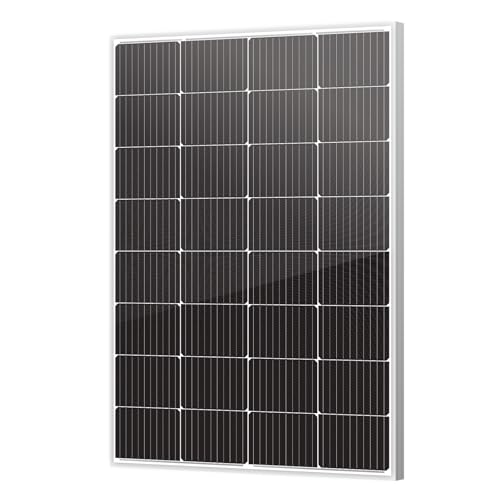
- 【Classic Design】Top Selling 180W using 10BB solar cells and...
- 【Dimension】45.47*30.12*1.38Inch. High winds (2400PA) and snow loads...
- 【Maximum power (Pmax)】180W, Voltage at Pmax (Vmp):18.62V, Current at...
Can I stack weights on the kickstands to prevent tipping?
Yes, placing a heavy rock or a full water jug on the kickstand feet adds downward force. This makes it much harder for the wind to lift the panel.
I use small sandbags that drape over the legs. They conform to the ground and do not shift when the wind blows.