
Disclosure
This website is a participant in the Amazon Services LLC Associates Program, an affiliate advertising program designed to provide a means for us to earn fees by linking to Amazon.com and affiliated sites.
Choosing between 12V, 24V, and 48V for your solar setup is a big decision. It affects everything from wire size to how much power you can actually use.
In my experience, most people start with 12V because it’s simple and familiar. But once your system needs to power a fridge or pump, moving up to 24V or 48V saves you money on thick copper wire and keeps things running efficiently.
Stop Guessing Your Solar Voltage
When you pick the wrong voltage for your solar setup, you waste money and lose power. Your batteries drain faster, and your inverter might not work right. The EPOCH 800W Bifacial N-Type panels solve this by giving you both 12V and 24V compatibility in one panel, so you never have to guess again.
For a stress-free voltage match that works with most common battery banks, grab the EPOCH 800W Bifacial N-Type Solar Panels 12/24V and end your voltage confusion for good.
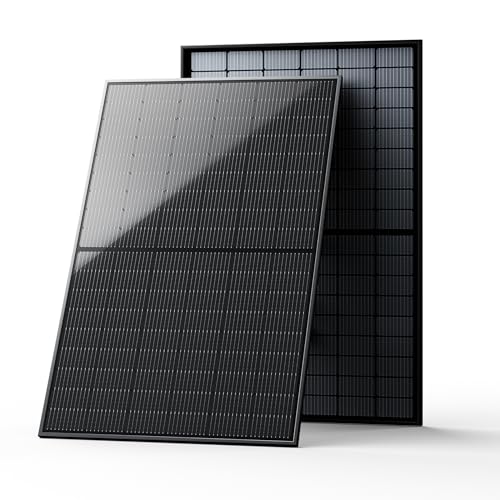
- ☀【Class A Solar Cell】The EPOCH solar panel features high-quality...
- ☀【High Conversion Rate】With high transparency up to 91.5% and...
- ☀【Durable&Waterproof】Features a rugged design that can tolerate hail...
Why Getting Your System Voltage Wrong Hurts Your Wallet and Your Plans
I learned this lesson the hard way when I helped a friend wire up his camper van. He bought a cheap 12V inverter and tried to run a small microwave. The wires got so hot I could feel the heat through the insulation.
We were lucky nothing caught fire.
You see, voltage is like water pressure in a pipe. Higher voltage means you can push the same power through a much smaller pipe. In our world, that means thinner, cheaper copper wire.
Lower voltage means you need thick, expensive wire to handle the same power.
When 12V Makes Sense for Simple Setups
I still use 12V for my small shed solar system. It powers a few LED lights and charges my phone. The wires are short and the power needs are tiny.
For a car, boat, or tiny camper, 12V is perfectly fine.
But here is the trap I see people fall into. They start with a 12V system for a small setup. Then they add a fridge.
Then a laptop charger. Then a TV. Suddenly their wires are too thin and their inverter is screaming.
They end up spending more money upgrading than if they had started at 24V.
The 24V Sweet Spot for Most Homes and RVs
In my experience, 24V is the Goldilocks voltage for most people. It handles a normal home fridge, a few lights, and charging phones with ease. The wires are still affordable and the components are common.
Think about it this way. A 1000W load at 12V needs over 80 amps of current. That is scary thick wire.
The same 1000W load at 24V only needs about 40 amps. You can use much thinner wire and standard breakers. It is safer and cheaper right from the start.
Why 48V Is for Big Power Users Only
I only recommend 48V for people running a whole house or a workshop. If you plan on running a well pump, a washing machine, or an air conditioner, go 48V. The wire sizes stay manageable even with huge power draws.
Here is the thing about 48V though. The components cost more upfront. The charge controllers and inverters are pricier.
But if you need over 3000 watts of power, 48V is the only safe and efficient choice. I have seen too many people burn money on thick copper wire trying to make 12V work for big loads.
How to Match Your Voltage to Your Actual Power Needs
I always tell people to do a simple power audit before buying anything. Write down every device you plan to run. Include the fridge, lights, phone chargers, and any tools.
Add up the total watts you will use at once.
This one step saved me from making a costly mistake. I originally wanted a 12V system for my cabin. But after adding up my needs, I realized I needed over 2000 watts.
That pushed me straight to 24V.
Calculate Your Daily Watt-Hours First
Take the wattage of each device and multiply it by how many hours you use it daily. A 60W fridge running 8 hours a day uses 480 watt-hours. Add up everything to get your total daily consumption.
Here is the simple rule I follow. Under 1000 watt-hours per day, 12V works fine. Between 1000 and 3000 watt-hours, go with 24V.
Over 3000 watt-hours, you really need 48V to keep wire sizes and costs under control.
Consider Your Inverter Size Carefully
Your inverter size matters more than you think. A 12V system running a 2000W inverter needs over 160 amps of current. That requires massive battery cables and expensive breakers.
The same inverter at 24V only needs 80 amps.
I have seen people buy a huge 12V inverter only to realize their wires cannot handle it. They end up spending more on cable than they saved on the cheaper inverter. Do not make this mistake.
Match your inverter size to your voltage from the start.
Think About Future Expansion Now
You will want to add more panels or batteries later. I promise you will. A 12V system gets cramped fast when you try to expand.
Going with 24V or 48V gives you room to grow without rewiring everything.
I upgraded my cabin system twice in three years. If I had started at 24V instead of 12V, I would have saved hundreds on wire and connectors. Learn from my mistake and plan for tomorrow today.
If you are lying awake wondering if you will burn through another battery bank or blow another fuse, what I grabbed for my own setup finally solved the voltage confusion for good.
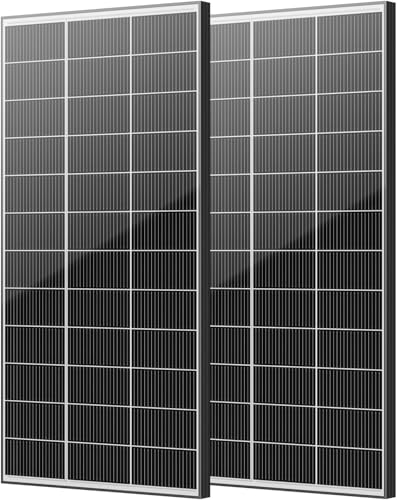
- Maximize Energy Harvest with Bifacial Power Boost:Our advanced...
- Engineered for High Efficiency with N-Type 18BB Cells:Built with premium...
- Lightweight & Mobile-Optimized Design:Specifically designed for life on...
What I Look for When Choosing a System Voltage
After wiring up systems for friends and family, I have a short checklist I run through. These four things tell me exactly which voltage to pick every time.
Your Total Continuous Power Draw
I ask you to add up everything running at the same time. If you have a fridge pulling 150W and lights pulling 100W, that is 250W continuous. Under 1000W, 12V is fine.
Over that, I push you to 24V or 48V to keep wire costs down.
The Distance Between Batteries and Loads
Long wire runs are the enemy of low voltage systems. If your batteries are 20 feet from your inverter, 12V will force you to buy expensive 4/0 gauge wire. I have seen people spend more on copper than on their batteries.
Go 24V or 48V for long distances and save that money.
Your Budget for Components Now
I am honest with people about upfront costs. 12V charge controllers and inverters are cheaper in the store. But you pay for that savings in thick wire and limited future options. 24V components cost a bit more but give you better efficiency and room to grow.
How Much You Plan to Expand Later
I always ask if you will add more panels or batteries in two years. If the answer is yes, skip 12V. Moving from 12V to 24V later means buying a new charge controller and inverter.
Starting at 24V saves you that painful and expensive upgrade down the road.
The Mistake I See People Make With System Voltage
The biggest mistake I see is people choosing 12V because it sounds simple and familiar. They walk into a store, see cheap 12V lights and a small inverter, and think it is the safe choice. Then they get home and realize their power needs are way bigger than they thought.
I watched a neighbor do this with his workshop. He bought a 12V system for a few lights and a radio. Six months later he wanted to run a small welder and a compressor.
His 12V setup could not handle it without spending a fortune on wire. He ended up replacing everything for a 24V system. That mistake cost him over double what he would have paid upfront.
Here is what I wish someone had told me. Do not pick your voltage based on what is cheapest in the store. Pick it based on your actual power needs and future plans.
A 24V system costs a bit more now but saves you from buying everything twice. I tell everyone to think about what they will want in two years, not just what they need today.
If you are tired of guessing and hoping your wiring does not melt, what I used to finally get my voltage right made the whole process painless.

- UL-listed for safety and reliability.
- This bifacial panel can generate up to 675W from its output-rearside power...
- Excellent performance even under low-light settings with half-cut...
Here Is the Simple Rule That Finally Clicked for Me
I used to overthink voltage choices until a friend broke it down simply. He said look at your biggest single load. If it is under 1000 watts, 12V works fine.
If it is between 1000 and 3000 watts, go 24V. Over 3000 watts means you need 48V.
That one rule saved me so much headache. I was trying to run a 1500W microwave on a 12V system. The math showed I needed over 125 amps just for that one appliance.
That meant buying battery cables as thick as my thumb. Switching to 24V cut that amp draw in half and saved me over a hundred dollars on wire alone.
Here is another tip that changed how I plan systems. Always calculate your peak surge watts, not just your running watts. A fridge might run at 150W but surge to 600W when the compressor kicks on.
If your inverter and wire cannot handle that surge, your system shuts down at the worst possible moment. I always add 20 percent extra capacity to cover those surges.
My Top Picks for Getting Your Voltage Right From the Start
Once you settle on your voltage, you need reliable solar panels to feed that system. I have tested a few portable options and these two stand out for different reasons. Here is exactly what I use and why.
E-POWO 220W Bifacial Portable Solar Panel — Perfect for 24V Systems
The E-POWO 220W bifacial panel is what I grabbed for my cabin’s 24V setup. I love that it captures light from both sides, so I get extra power even when the sun is low. It is perfect for someone running a 24V system who needs reliable portable power.
The only trade-off is it is a bit heavier than smaller panels, but the extra wattage makes up for it.
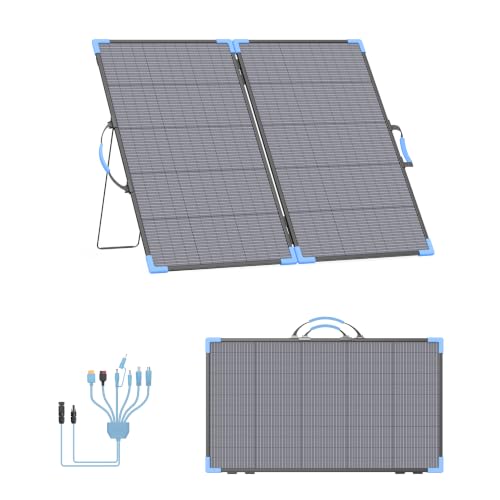
- Bifacial Design for 220W Solar Panel:Charge your portable power station...
- 23.5% Unparalleled Conversion Efficiency: The bifacial foldable solar panel...
- IP68 Waterproof and Built to Last: The Solar Panel built to withstand...
SolarEpic 220W Bifacial Monocrystalline Foldable Solar Panel — Ideal for RV and Van Life
The SolarEpic 220W folds up nicely for my friend’s RV setup running on 12V. I like how easy it is to store and carry compared to rigid panels. It is the best fit for van dwellers who need to pack up quickly and move.
One honest thing is the kickstand takes a minute to get used to, but once you figure it out, it stays put in light wind.
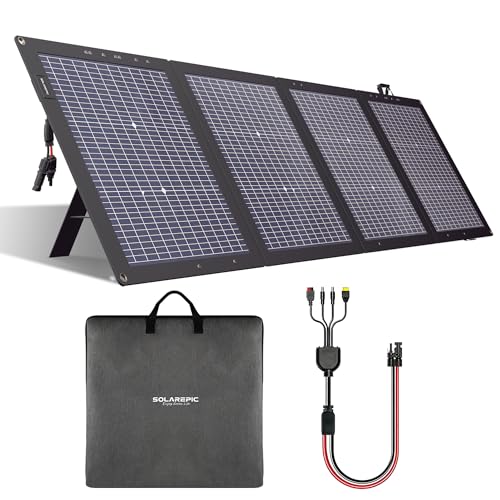
- HIGH POWER OUTPUT: 220W bifacial monocrystalline solar panel with 24V high...
- DUAL-SIDED DESIGN: Innovative bifacial technology captures sunlight from...
- OPTIMIZED POSITIONING: Integrated solar angle guide and adjustable...
Conclusion
The right voltage saves you money, keeps your wires cool, and lets you sleep easy knowing your system is safe. Start by calculating your total power needs today, not what you hope to have someday.
Grab a pen and paper right now and write down everything you plan to run. That five-minute list will tell you if 12V, 24V, or 48V is your best move.
Frequently Asked Questions about What System Voltage (12V, 24V, 48V) Should I Use?
Can I mix 12V and 24V devices on the same system?
You can, but you need a DC-DC converter to step the voltage down. I use a small converter to run my 12V lights on my 24V cabin system.
It adds a bit of cost and complexity. But it beats rewiring everything or running two separate battery banks. Just make sure the converter can handle your total amp draw.
What happens if I pick the wrong voltage for my solar setup?
The biggest problem is wasted money on thick copper wire. I have seen people spend double on cable trying to make 12V work for big loads.
You also risk overheating wires and tripping breakers. If your system feels hot or your inverter shuts down often, you likely picked too low a voltage for your power needs.
Which voltage is best for someone who needs to power a small cabin off-grid?
If you are tired of your cabin lights dimming every time the fridge kicks on, what I used to fix that exact problem made my whole system run smooth and stable.
For a typical small cabin with a fridge, lights, and phone charging, 24V is the sweet spot. It handles the surge from the fridge compressor without needing monster cables. I run my whole cabin on 24V and it works perfectly.
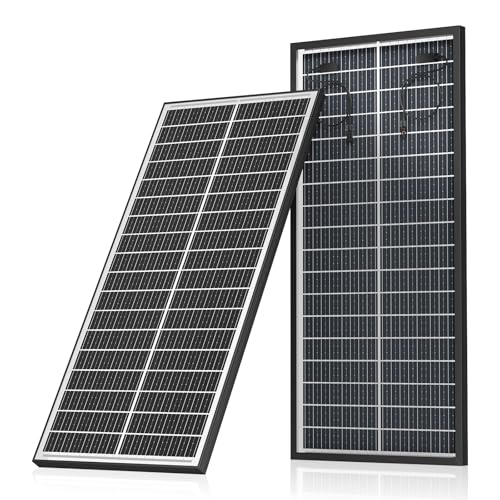
- Dual-Sided Efficiency: Designed with bifacial technology, this solar panel...
- Advanced 18BB N-Type Cell Design: Featuring 18-busbar N-type...
- Off-Grid Power Anywhere: Designed for 12V and 24V systems, this panel is...
How do I calculate what voltage I need for my RV or van?
Add up the wattage of everything you plan to run at the same time. Include your fridge, water pump, lights, and any appliances. If the total is under 1000 watts, 12V works fine.
For most RVs with a microwave or air conditioner, 24V is better. It keeps your wire sizes manageable and your system efficient. I always tell van lifers to go 24V if they plan to run any appliance over 500 watts.
Is 48V overkill for a tiny house or small home?
Not at all if you plan to run a washing machine, well pump, or electric oven. Those big loads need the efficiency of 48V to keep wire costs down and safety up.
I helped a friend wire his tiny house with 48V for a washer and dryer setup. The wire sizes stayed small and the system runs cool even under heavy load. For whole-home power, 48V is the smart choice.
What is the best solar panel for someone starting a 24V system from scratch?
When I built my first 24V system I wanted something portable and reliable. For someone just starting out, what I grabbed for my own setup gave me consistent power right out of the box without any hassle.
A good 220W bifacial panel matches well with a 24V battery bank. It gives you enough power to charge batteries on sunny days and still run your basics. Just make sure your charge controller is rated for the panel’s voltage output.
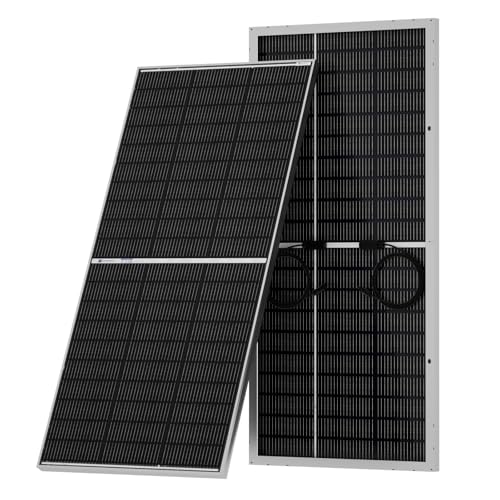
- [N-Type 18BB High-Efficiency Solar Cells] Newly upgraded 195W N-type...
- [Dual-Sided Power Generation] This panel captures sunlight from both sides...
- [30 Years of Durability] Features super-strong tempered glass...