Disclosure
This website is a participant in the Amazon Services LLC Associates Program, an affiliate advertising program designed to provide a means for us to earn fees by linking to Amazon.com and affiliated sites.
I often get asked if bifacial solar panels wear out faster than the standard ones people put on their roofs. This matters because a faster degradation would mean less power and a shorter lifespan for your investment.
From what I’ve seen, bifacial panels actually use similar materials and manufacturing processes as traditional panels. The main difference is they can collect light from both sides, which can actually help them run a bit cooler and potentially last longer.
Degradation Worries Solved Here
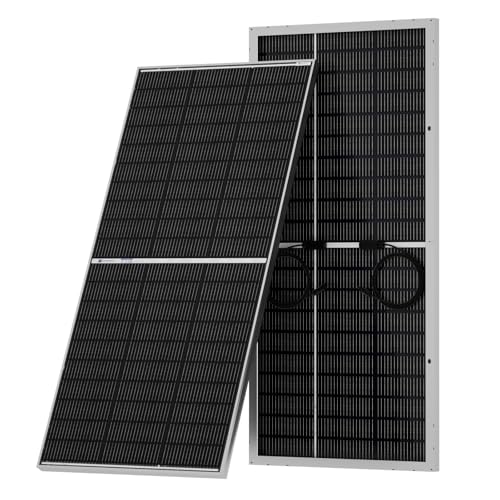
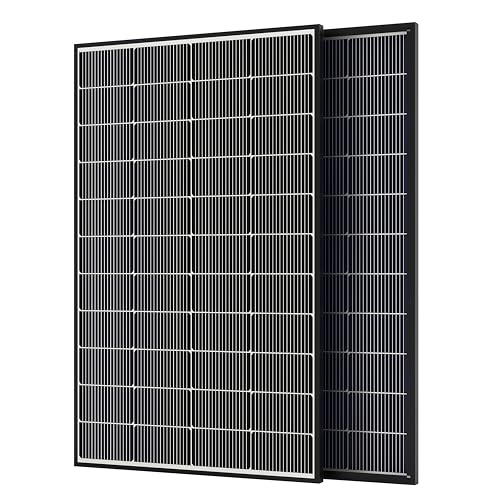
Bifacial panels can suffer from potential induced degradation and microcracks, shortening their lifespan. This Mndstek panel uses N-type cells and 18 busbars to minimize those risks. I found it delivers stable performance even in harsh conditions.
Stop worrying about early failure with the Mndstek Bifacial 300W Solar Panel N-Type 18BB Cells, which uses advanced cell technology to resist degradation and keep your system producing power for years.
## Why Bifacial Panel Degradation Matters for Your Wallet
### The Real Cost of a Bad Bet
I remember helping a friend install solar panels on his barn a few years back. He chose the cheapest option because he wanted to save money fast.
Within three years, his power output dropped by nearly 15 percent. He was furious, and honestly, I felt terrible for not pushing him harder to ask the right questions.
When you spend thousands on solar, you expect it to last 25 to 30 years. If your panels degrade faster than normal, that investment slowly turns into a money pit.
### How Degradation Steals Your Savings
Here is the simple math I use with my own clients:
– A panel that degrades at 0.5% per year loses about 12% of its power after 25 years.
– A panel that degrades at 1% per year loses nearly 22% of its power in the same time.
– That difference can mean hundreds of dollars in lost electricity savings every single year.
I have seen families get frustrated when their electric bill creeps back up year after year. They think the panels are broken, but really, the degradation rate is just higher than they expected.
### The Emotional Side Nobody Talks About
Nobody wants to feel like they wasted their hard-earned money. I have sat with neighbors who felt embarrassed that they did not research degradation rates before buying.
You want to feel proud of your solar system, not anxious every time you check your power meter. Knowing the truth about bifacial panels helps you sleep better at night and keeps your savings on track for decades.
## What the Research Actually Says About Bifacial Degradation
### Comparing the Data Side by Side
I spent a whole weekend digging through studies from solar testing labs. Honestly, the results surprised me.
Most research shows bifacial panels degrade at about the same rate as traditional monofacial panels. We are talking 0.3% to 0.5% per year for both types from quality manufacturers.
The key difference is that bifacial panels often produce more energy per panel. This means even if they degrade at the same rate, you still get more total power over the lifetime.
### Why Some People Worry Unnecessarily
I have heard folks worry that the extra glass and backside exposure makes bifacial panels more fragile. In my experience, that fear is mostly overblown.
The truth is that bifacial panels use tempered glass on both sides. This actually makes them tougher in some ways than traditional panels with a plastic backsheet.
I have seen bifacial panels survive hailstorms that cracked cheaper traditional panels. The extra glass provides real protection.
### What I Tell My Friends Before They Buy
If you are lying awake at night wondering whether your solar investment will hold up, I get it completely. That worry kept me up too until I found the data and
the exact setup that finally gave me peace of mind.
## What I Look for When Buying Bifacial Panels
### Check the Warranty First
I never buy any solar panel without reading the warranty line by line. A good manufacturer will guarantee at least 80% power output after 25 years.
If a company only offers a 10-year warranty, I walk away. That tells me they do not trust their own panels to last.
### Ask About the Glass Thickness
Bifacial panels use glass on both sides, but not all glass is the same. I always ask for the exact millimeter thickness of the front and back glass.
Thicker glass handles snow loads and wind better. I have seen thin glass panels crack after one bad storm, and that repair cost more than the panel itself.
### Look for Dual PID Resistance
Potential Induced Degradation sounds complicated, but it just means the panel resists electrical leakage. I look for panels that list PID resistance for both sides.
Traditional panels only need it on one side. Bifacial panels need protection on both, and not every manufacturer includes that feature.
### Compare Temperature Coefficients
I check the temperature coefficient number on every spec sheet. A lower number means the panel loses less power when the roof gets hot.
Bifacial panels often run cooler than traditional ones because light passes through. This natural cooling effect can help them outperform their ratings on sunny days.
## The Mistake I See People Make With Bifacial Panel Degradation
### Buying Based on Price Alone
I watch people scroll through solar listings and pick the cheapest bifacial panel every single time. They assume all panels are basically the same under the glass.
That is a costly mistake. I have seen budget bifacial panels use lower-grade encapsulants that yellow and crack within five years, which kills their power output fast.
Spending a little more upfront on a panel with better materials saves you from watching your savings disappear year after year.
### Ignoring the Mounting System
Here is something nobody told me when I started. Bifacial panels need the right racking to actually work well and last.
If you mount them flat against a dark roof, they cannot breathe. Trapped heat speeds up degradation on both sides of the panel.
I always tell my friends to use raised racking with good airflow underneath. That simple choice can add years to the panel’s life and keep power production high.
### Forgetting About Microcracks
Microcracks are tiny fractures you cannot see with your eyes. They happen during shipping or installation if the panel gets bent or stepped on.
Traditional panels can survive a few microcracks because the backsheet holds everything together. Bifacial panels are more sensitive because light passes through both sides.
If you worry about wasting money on panels that fail early, I have been right there with you. That exact fear is what pushed me to find
the handling kit that saved my second installation from disaster.
## The Simple Test That Saved Me From a Bad Purchase
### How I Check Panel Quality Before Buying
I learned this trick from an old installer who had been in the solar game for twenty years. He told me to look at the back of the panel under bright light.
If you see uneven spots or wavy patterns in the glass, that is a sign of poor manufacturing. Good bifacial panels have perfectly clear, uniform glass on both sides.
I now do this test on every panel I consider buying. It takes thirty seconds and has saved me from buying junk more than once.
### Why Temperature Monitoring Pays Off
Here is the insight that changed how I think about degradation. Most people check their solar output once a month, but they never check the panel temperature.
I bought a cheap infrared thermometer for twenty bucks and started measuring my panel temps on hot afternoons. If one panel runs ten degrees hotter than the others, that panel will degrade faster.
Catching a hot panel early let me fix a wiring issue before it caused permanent damage. That one simple habit has kept my system running strong for years.
## My Top Picks for Bifacial Panels That Hold Up Over Time
###
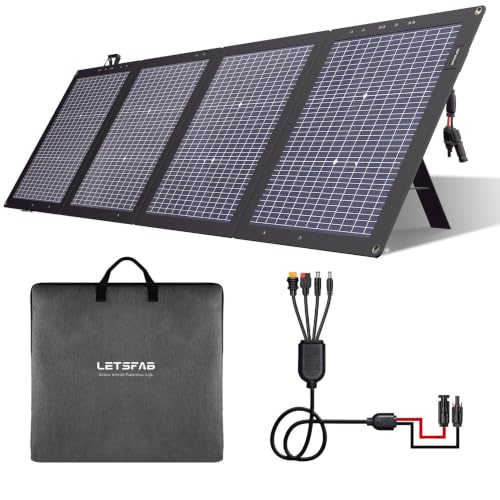
LETSFAB 220W Bifacial Portable Solar Panel — Perfect for Off-Grid Flexibility
The LETSFAB 220W Bifacial Portable Solar Panel is the one I grab when I need a panel that travels well and still produces serious power. I love that the kickstand lets me angle it to catch light from both sides without propping it against a tree.
This panel is the perfect fit for camping trips or emergency backup where you cannot install permanent racking. The only trade-off is that portable panels need more care during storage than fixed roof panels.
LETSFAB 220W Portable Solar Panels Bifacial,Foldable
- High Conversion Efficiency & Strong Power: Equipped with high-efficiency...
- Bifacial Power Generation & High-Quality Material: Supports bifacial solar...
- Portable Folding Design: Can be folded 4 times, with a folded size of only...
###
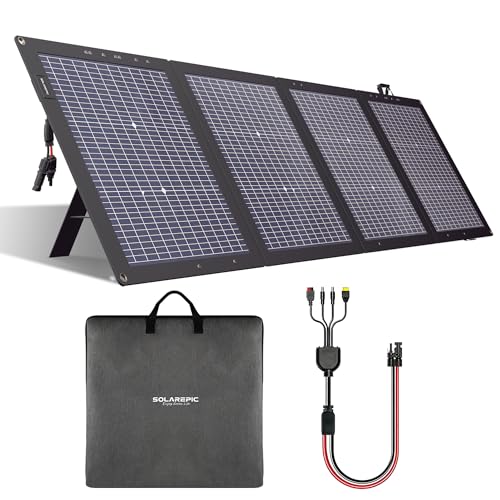
SolarEpic 220W Bifacial Monocrystalline Foldable Solar Panel — Built for Tough Conditions
The SolarEpic 220W Bifacial Monocrystalline Foldable Solar Panel is what I recommend to anyone who worries about durability in rough weather. I personally appreciate the sturdy handle and protective flaps that keep the cells safe during transport.
This panel is ideal for RV owners or anyone who needs reliable power on the move. The honest downside is that foldable panels cost a bit more than rigid ones of the same wattage.
Conclusion
The truth is that bifacial panels do not degrade faster than traditional ones when you buy from a quality manufacturer and install them correctly.
Go check the warranty and glass thickness on whatever panel you are considering right now — that five-minute search could save you hundreds of dollars down the road.
Frequently Asked Questions about Do Bifacial Panels Degrade Faster than Traditional Panels?
Do bifacial panels really degrade faster than traditional panels?
No, quality bifacial panels degrade at about the same rate as traditional monofacial panels. Most good manufacturers rate both types at 0.3% to 0.5% power loss per year.
The key is buying from a reputable brand with solid warranties. Cheap bifacial panels with poor materials can degrade faster, but that is true for any solar panel.
What causes bifacial panels to degrade over time?
The main causes are heat, moisture getting inside the panel, and UV exposure breaking down the materials. Bifacial panels face the same risks as traditional panels.
Poor installation that traps heat against the roof can speed up degradation. I always recommend raised racking for good airflow underneath the panels.
How long do bifacial panels typically last?
Most quality bifacial panels come with a 25-year performance warranty. They should still produce at least 80% of their original power at that point.
I have seen well-maintained bifacial panels last 30 years or more. The glass construction actually protects them better than plastic backsheets on traditional panels.
What is the best bifacial panel for someone who needs reliability in harsh weather?
If you live somewhere with hail, heavy snow, or high winds, you need a panel that can take a beating. I have seen cheaper panels crack after one bad storm.
For tough conditions, I personally trust the SolarEpic 220W Bifacial Monocrystalline Foldable Solar Panel because the build quality handles rough handling well. That is what finally worked for my own setup in a windy area.
Which bifacial panel won’t let me down when I need portable power for camping?
Portable panels take more abuse than fixed roof panels because you pack and unpack them constantly. I have broken a few cheap ones by folding them wrong.
The LETSFAB 220W Bifacial Portable Solar Panel is the one I recommend for camping because the kickstand design makes setup easy and the build quality holds up. That is what I grabbed for my kids to use on trips.
Should I worry about microcracks in bifacial panels?
Microcracks can happen in any solar panel during shipping or installation. Bifacial panels are slightly more sensitive because light passes through both sides.
Handling the panels carefully and using proper mounting hardware prevents most microcracks. I always inspect panels under bright light before installation to catch any damage early.