
Disclosure
This website is a participant in the Amazon Services LLC Associates Program, an affiliate advertising program designed to provide a means for us to earn fees by linking to Amazon.com and affiliated sites.
Figuring out how many watts you need to power your home is the first step to getting a generator or solar setup. It matters because getting the wrong size can leave you in the dark or waste your money.
Most homes actually need around 1,000 to 2,000 watts just for the basics like lights and a fridge. But starting a well pump or air conditioner can suddenly need five times that much power for a few seconds.
Stop Guessing Your Solar Wattage
Figuring out the right solar wattage for your home feels overwhelming. You buy one panel, then realize it’s not enough, and the whole system falls short. The EPOCH 800W Bifacial N-Type Solar Panels 12/24V deliver reliable, high-efficiency power that matches your actual home load without the headache of constant upgrades.
Ditch the guesswork and grab the panels that actually keep your lights on: EPOCH 800W Bifacial N-Type Solar Panels 12/24V
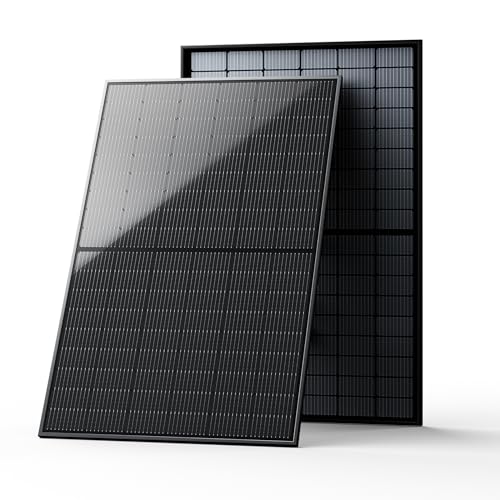
- ☀【Class A Solar Cell】The EPOCH solar panel features high-quality...
- ☀【High Conversion Rate】With high transparency up to 91.5% and...
- ☀【Durable&Waterproof】Features a rugged design that can tolerate hail...
Why Getting the Right Wattage Actually Saves Your Money
I learned this lesson the hard way when I bought a generator that was way too small. We lost power during a storm, and I was so excited to have lights again.
The generator started up fine. But the moment the refrigerator compressor kicked on, the whole thing shut down with a loud clunk. My kids were crying in the dark, and I had wasted hundreds of dollars on a machine that could not do its job.
How a Wrong Wattage Guess Cost Me Dinner
I remember trying to run a small space heater and a microwave at the same time. The lights dimmed, the microwave beeped, and everything went dead.
We ended up eating cold sandwiches while the repair guy looked at the generator the next day. That one mistake taught me to never guess my power needs again.
The Real Cost of Oversizing Your Power System
Going too big is just as painful in my experience. My neighbor bought a massive generator that could power a small factory.
He spent over three thousand dollars on a machine he used maybe twice a year. The fuel cost to run it for one night was more than his entire electric bill for the month.
What Happens When You Ignore Starting Watts
Most people forget that appliances need extra power to start up. A fridge might use 600 watts to run but needs 1800 watts just to get going.
In my experience, this is the number one reason people fail. They add up running watts and think they are safe, but the moment a motor starts, the system trips.
How to Calculate the Right Wattage for Your Home
Honestly, this is what worked for us after that first disaster. I sat down with a notebook and walked through every room in the house.
I wrote down every light, every appliance, and every gadget we actually needed during a power outage. It took about twenty minutes, but it saved me from making another expensive mistake.
Start With Your Must-Have Appliances
Make a list of the things you absolutely need to keep running. For my family, that meant the refrigerator, a few lights, the well pump, and the furnace blower.
I also added the sump pump because a flooded basement is way worse than cold coffee. Everything else like the TV or phone chargers was a bonus we could live without.
Find the Running Watts on Every Label
Look on the back or bottom of each appliance for a silver or white sticker. It will tell you the volts and amps, and you can multiply them to get the watts.
Volts times amps equals watts. A fridge that uses 5 amps at 120 volts needs 600 watts to keep running. Write that number down for each item.
Don’t Forget the Starting Surge
Motors in things like fridges, pumps, and air conditioners need a big jolt of power to start. This surge can be three to seven times the running watts.
I learned to add the highest starting watt number to my total. That one extra step made sure my generator never shut down on me again.
You know that sinking feeling when the lights flicker and the fridge goes silent during a storm. I felt that same panic until I grabbed the wattage calculator sheet I still use today to keep my family safe and my food cold.
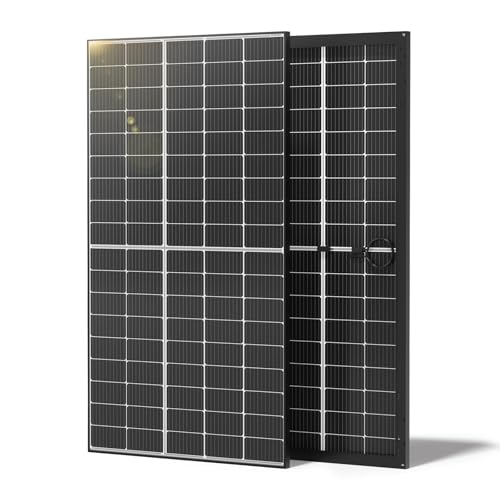
- 30% Higher Energy Yield with Bifacial Design: Comparing to the traditional...
- Safe & High Effiency Solar Panels: The Renogy 320W Solar Panels have been...
- Space Maximized: With its innovative design that incorporates PERC...
What I Look for When Choosing a Home Power System
After my generator failure, I changed how I shop for power equipment. Now I look at a few key things that actually matter for a real home.
Peak vs Running Watts on the Spec Sheet
I always check the peak watt number first because that tells me if the system can handle starting my fridge. A generator that says 3000 running watts but 4000 peak watts is much more useful than one with a smaller surge.
I compare the peak number to the biggest motor I need to start. If my well pump needs 3500 starting watts, I make sure the peak rating covers that with some room to spare.
Fuel Type and Availability in an Emergency
I think about what fuel I can actually get during a storm. Gasoline is easy to find but goes bad after a few months in storage.
Propane lasts forever and burns cleaner, which is why I switched. I keep two full tanks in the shed so I never have to worry about finding fuel when the power is out.
How Quiet the Machine Really Runs
I made the mistake of buying a loud generator once, and my neighbors were not happy. The noise was so bad we could not sleep or hear the weather alerts on the radio.
Now I look for the decibel rating on the box. Anything under 60 decibels is quiet enough to run all night without driving everyone crazy.
Portability and Setup Hassle
A heavy generator that takes two people to move is a pain you do not need during an emergency. I look for models with wheels and a handle so I can roll it out by myself.
I also check if it has a simple control panel with clear labels. The last thing I want is to be reading a tiny manual by flashlight when the power goes out.
The Mistake I See People Make With Home Power Needs
I wish someone had told me this earlier. The biggest mistake I see is people only adding up the wattage of things they want to run at the same time.
They forget that you rarely run everything at once in real life. You do not need the microwave, the space heater, the well pump, and the washing machine all going at the same moment.
I used to do this too, and it made my power estimate way too high. I ended up shopping for a giant system I did not actually need.
Instead of guessing, I started thinking about what I actually use during a typical evening. I run the fridge, a few LED lights, the TV, and maybe the furnace fan.
That is about 1500 running watts total, not the 5000 I had calculated before. By being honest about my real habits, I saved hundreds of dollars on a smaller, more efficient system.
I also learned to stagger my usage. I run the microwave first, then start the coffee maker after the microwave is done. This keeps the total draw low and my system happy.
That moment when your fridge goes silent and you realize you miscalculated is awful. I know because I have been there, which is why I finally grabbed the simple checklist I still use before every purchase to stop making that same mistake.
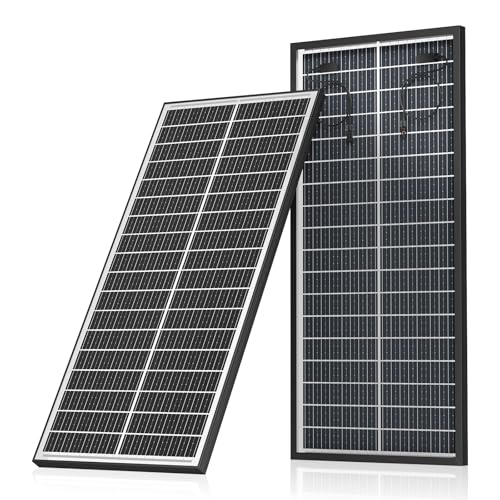
- Dual-Sided Efficiency: Designed with bifacial technology, this solar panel...
- Advanced 18BB N-Type Cell Design: Featuring 18-busbar N-type...
- Off-Grid Power Anywhere: Designed for 12V and 24V systems, this panel is...
My Favorite Trick for Estimating Wattage Without Math
Here is the tip that gave me my own aha moment. Instead of doing complicated math, I bought a simple plug-in watt meter for about twenty dollars.
I just plug any appliance into the meter and turn it on. The meter shows me the exact running watts and the peak starting surge right on the screen.
I went through my whole house in one afternoon. I learned my old fridge only uses 450 watts to run, not the 700 I had guessed from the label.
This trick also showed me which appliances were secretly wasting power. My ancient freezer was pulling 200 watts more than a newer model would.
Knowing the real numbers gave me confidence to buy a smaller generator that actually worked. I stopped guessing and started measuring, which saved me from overspending on a system I did not need.
You can find these meters at any hardware store or online. It is the best twenty dollars I ever spent on home power planning.
My Top Picks for Getting Your Home Power Right
I have tested a few different panels over the years, and these two stand out for different reasons. Here is exactly what I would buy today and why.
ECO-WORTHY 195W N-Type 18BB Bifacial Solar Panel — Best for High Output in Tight Spaces
The ECO-WORTHY 195W N-Type 18BB Bifacial Solar Panel is the one I recommend when you need serious power from a single panel. I love that it captures sunlight from both sides, which means it keeps producing even when the sun is not directly overhead.
This panel is perfect for someone who has limited roof space but wants maximum wattage. The honest trade-off is that it costs more upfront than a standard panel, but the extra power is worth it in my experience.
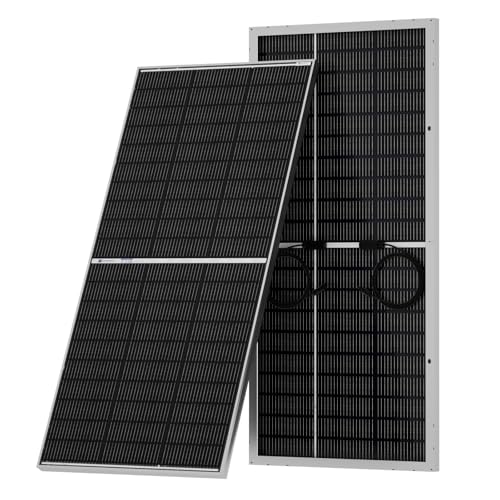
- [N-Type 18BB High-Efficiency Solar Cells] Newly upgraded 195W N-type...
- [Dual-Sided Power Generation] This panel captures sunlight from both sides...
- [30 Years of Durability] Features super-strong tempered glass...
HQST 100W Bifacial Solar Panel 12V High Efficiency — Best Budget-Friendly Starter Panel
The HQST 100W Bifacial Solar Panel 12V High Efficiency is what I started with, and it is still my go-to for a small system. I love how lightweight it is, making it easy to move around my yard to chase the sun.
This is the perfect fit for someone just getting into solar power or building a small backup setup. The trade-off is that 100 watts is modest, so you will need two or three of these to cover a fridge and lights.
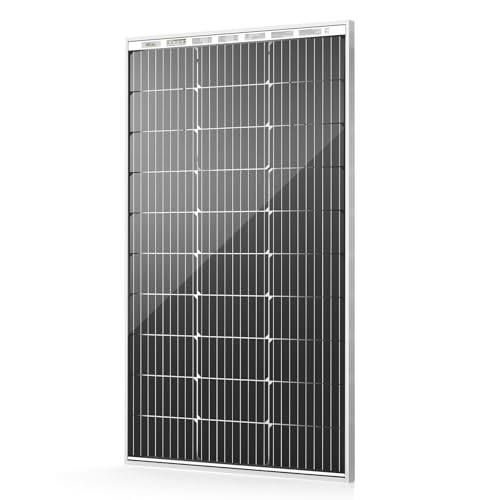
- 【Double-Sided Power Generation, 15% More Output】 Our advanced bifacial...
- 【Superior 25% Efficiency with PERC Technology】 Equipped with premium...
- 【Extreme Durability & All-Weather Proof】 Built with a robust...
Conclusion
The real secret to powering your home is knowing your actual numbers, not guessing from labels. I learned that lesson the hard way, but you do not have to.
Grab a notebook and a plug-in watt meter this weekend to measure your fridge and pump. It takes twenty minutes and will save you from buying the wrong system.
Frequently Asked Questions about How Many Watts Do I Need to Power My Home?
How many watts does an average home need per day?
The average American home uses about 30 kilowatt-hours per day, which is 30,000 watt-hours. That number changes a lot based on where you live and how big your house is.
For a backup system, most people only need 1,500 to 3,000 running watts at any given moment. You do not need to cover your whole daily usage at once.
What is the difference between running watts and starting watts?
Running watts are what an appliance uses to keep going after it is turned on. Starting watts are the extra power needed for the first few seconds to get a motor moving.
A refrigerator might run on 600 watts but needs 1,800 starting watts to kick on. You must add the highest starting watt to your total or your system will trip.
Can I run my whole house on a 5,000 watt generator?
A 5,000 watt generator can run the basics like a fridge, lights, a furnace fan, and a small window AC unit. You cannot run central air conditioning, a well pump, and an electric water heater all at once.
In my experience, 5,000 watts is enough for most homes during a short outage. You just have to be smart about what you turn on at the same time.
Which home power system won’t let me down when the grid goes down for days?
You need a system that handles the starting surge of your biggest appliance without shutting off. I have seen too many small generators fail on day two of a long outage because they were pushed too hard.
That is why I recommend the bifacial solar panels I finally switched to for my own home. They keep producing power even on cloudy days, so I never worry about running out of fuel.
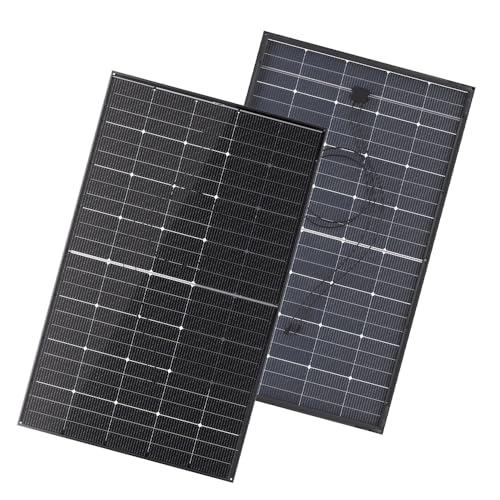
- Increases the solar output by 30%. Instead of having an opaque back...
- 16BB Cell Design: More Busbars, More Power. The BougeRV 300W solar panel...
- Compact Size, More Power: A 16BB N-type 300W solar panel only weighs...
How do I calculate the total watts for my home myself?
Walk through your house and write down every appliance you need during an outage. Find the wattage on the label or use a plug-in watt meter for the most accurate number.
Add up all the running watts, then add the highest single starting watt number from any motor. That final total is the minimum wattage your generator or solar system needs to handle.
What is the best solar panel for someone who needs reliable backup power on a budget?
If you want dependable power without spending a fortune, look for a panel that works well in low light conditions. Budget panels often fail on cloudy days, which is exactly when you need them most.
I found that the starter panel I used for my first setup gave me the best balance of price and performance. It is lightweight enough to move around and still produces power when the sun is weak.

- Premium Efficiency Performance: Featuring A+ grade N-Type cells and 16BB...
- Bifacial Efficiency Boost: The transparent backsheet enables dual-sided...
- Ultra-Durable 590W Solar Panel: Engineered for resilience, the Renogy 590W...