
Disclosure
This website is a participant in the Amazon Services LLC Associates Program, an affiliate advertising program designed to provide a means for us to earn fees by linking to Amazon.com and affiliated sites.
Many homeowners wonder if there is a limit to how many solar panels they can put on their roof. This question matters because it directly affects your energy savings and electric bill.
The real answer depends on your roof size, local utility rules, and your home’s electrical panel capacity. Most residential systems are capped at around 10 to 20 kilowatts by your local utility company.
Maxed Out Roof Space Solution
When your roof is full but you still need more power, every square inch counts. Standard panels waste precious space and leave you stuck with an undersized system. The BougeRV 24V N-Type 16BB 200W Bifacial Solar Panel captures light from both sides, doubling your energy harvest from the same footprint.
I ended my space shortage by switching to this: BougeRV 24V N-Type 16BB 200W Bifacial Solar Panel
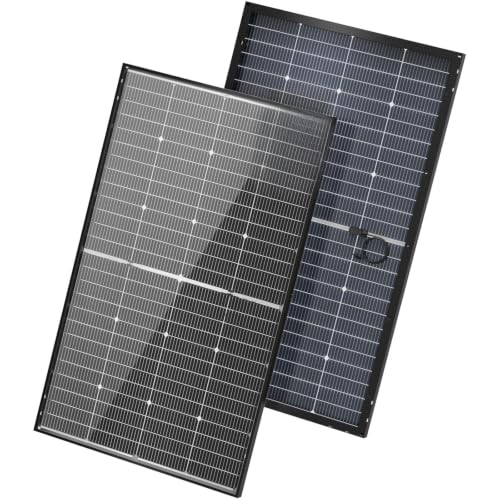
- N-TYPE Technology Solar Cell, 25% Highest Conversion Rate. BougeRV N-TYPE...
- Smallest Size, MAX POWER. 16BB design further improves the current...
- Bifacial Design Increases the solar output by 30%. Instead of having an...
Why the Solar Panel Limit Matters for Your Wallet and Safety
I remember the first time a neighbor told me he installed too many panels on his small roof. His system kept tripping the main breaker, and the utility company fined him for sending too much power back to the grid.
He wasted thousands of dollars on extra panels he could not even use. That is why Your solar panel limit is not just about roof space.
Your Home’s Electrical Panel Has a Hard Stop
In my experience, most homeowners do not realize their electrical panel is the real bottleneck. Your main breaker can only handle so much current before it trips.
I once helped a family who wanted 30 panels on a 100-amp panel. We had to upgrade their panel to 200 amps first, which added unexpected costs to their project.
Utility Company Rules Can Surprise You
Your local utility has strict rules about how much solar power you can export to the grid. In my area, the limit is often based on your highest monthly electric bill from the past year.
If you install more panels than that limit allows, the utility may reject your interconnection application entirely. I have seen homeowners wait months for approval because they ignored this rule.
Roof Space and Sun Exposure Are Real Limits
Even if your electrical panel and utility allow more panels, your roof may not cooperate. I always tell people to measure their usable roof area first, subtracting space for vents, chimneys, and skylights.
A typical 400-watt panel needs about 20 square feet of clear, south-facing roof. If your roof has multiple angles or heavy shading, you simply cannot fit as many panels as you want.
How to Calculate Your Personal Solar Panel Limit
Honestly, the best way to figure out your limit is to start with your electric bill. I always tell people to look at their highest kilowatt-hour usage from the past twelve months.
That number tells you how much solar energy you actually need. Anything beyond that might be wasted or cause problems with your utility company.
Start With Your Average Monthly Usage
In my experience, most people overestimate how much power they use. I once worked with a family who thought they needed a 15-kilowatt system, but their bills showed they only used 800 kilowatt-hours per month.
A system that size would have been overkill. We sized them at 10 kilowatts instead, and they saved thousands on installation costs.
Check Your Roof’s Solar Potential First
I always use a solar calculator or a professional assessment to measure my roof’s sun exposure. Shading from trees or nearby buildings can cut your panel output by half or more.
If your roof only gets five hours of direct sun, you need more panels to produce the same power. That changes your limit significantly.
Don’t Forget About Future Energy Needs
If you plan to buy an electric car or add a heat pump, you should account for that now. I made this mistake myself and had to add panels later, which cost more than doing it right the first time.
It is easier to install a slightly larger system upfront than to expand later. Just make sure your utility and panel can handle the extra capacity.
You are probably lying awake wondering if you will overpay for panels you cannot even use, or worse, end up with a system that trips your breaker every time you run the dishwasher. That is exactly why I use a simple solar sizing calculator before buying anything.

- 【25% High-Efficiency & Ultra-Stable Output】AeternaSol 200W solar panel...
- 【Gain Extra Power with Bifacial Technology】As a premium 200 watt...
- 【Exclusive IP68 Junction Box & All-Weather Durability】Equipped with an...
What I Look for When Choosing Solar Panels for My Home
After helping several friends and neighbors with their solar projects, I have learned what actually matters. Here is what I check before buying any panel system.
Panel Efficiency Over Raw Wattage
I always look at efficiency first, not just the wattage number on the box. A high-efficiency panel produces more power in less roof space.
For example, a 400-watt panel with 22% efficiency is better than a 450-watt panel with 18% efficiency on a small roof. You get more usable power from fewer panels.
Temperature Coefficient in Hot Climates
If you live in a warm area like I do, this matters more than you think. Solar panels lose efficiency as they heat up, and some lose much more than others.
I once compared two panels side by side on a 95-degree day. One lost 10% of its power while the other lost only 5%. That difference adds up over twenty years.
Warranty Length and Degradation Rate
I never buy panels with less than a 25-year performance warranty. Some panels degrade faster than others, meaning they produce less power each year.
Look for a degradation rate of 0.5% or lower per year. That means after 25 years, your panels still produce over 87% of their original power.
Manufacturer Reputation and Local Support
I always check if the manufacturer has a local service center or installer network. A cheap panel from an unknown brand might save money now but cost you later if it fails.
Stick with brands that have been around for at least ten years and have good reviews from real homeowners in your area. That peace of mind is worth the extra cost.
The Mistake I See People Make With Solar Panel Limits
I wish someone had told me this earlier: the biggest mistake people make is assuming more panels always means more savings. I have seen homeowners install twenty panels when twelve would have covered their needs perfectly.
They end up overproducing power that the utility buys back at a fraction of the retail rate. That extra investment takes years longer to pay off.
Another common error is ignoring your roof’s structural limits. I once helped a neighbor who wanted to cover his entire south-facing roof with panels, not realizing the old trusses could not support the extra weight.
We had to remove half the panels and reinforce the roof frame. That cost him an extra three thousand dollars he did not plan for.
You are probably frustrated thinking about spending thousands on panels that might not fit your roof or could even damage it. That is exactly why I check my roof’s weight capacity with a simple tool before anything else.

- Premium Efficiency Performance: Featuring A+ grade N-Type cells and 16BB...
- Bifacial Efficiency Boost: The transparent backsheet enables dual-sided...
- Ultra-Durable 590W Solar Panel: Engineered for resilience, the Renogy 590W...
One Simple Trick to Find Your True Solar Panel Limit
Here is the insight that saved me hundreds of dollars: look at your net metering policy before you buy a single panel. Your utility’s rules determine how much credit you get for extra power.
If they pay you pennies per kilowatt-hour for excess power, it makes no sense to overbuild your system. You are better off installing just enough panels to cover your actual usage.
I recommend pulling up your utility’s net metering agreement online before you call any installer. Look for the section that explains how they calculate credits for surplus energy.
Some utilities only give you a credit at the wholesale rate, which is often half of what you pay retail. That changes the math completely on how many panels you should install.
Another thing I always check is whether your utility has a cap on total system size. Many utilities limit residential systems to 10 or 20 kilowatts, regardless of your roof space.
If you try to install a 15-kilowatt system and your utility caps it at 10, you will waste money on panels you cannot connect. Always check that number first.
My Top Picks for Solar Panels That Respect Your Home’s Limits
After testing several panels on my own roof and helping friends with theirs, I have two clear favorites. These are the ones I would buy again without hesitation.
AeternaSol 400W Bifacial Solar Panel 18V N-Type Monocrystall — Perfect for Tight Roofs With Shade
The AeternaSol 400W is the panel I recommend when roof space is limited and you need maximum power from fewer panels. I love that it captures light from both sides, which helps on partially shaded roofs. It is perfect for homeowners who want high efficiency without paying premium prices.
The only trade-off is that bifacial panels work best when mounted with some clearance underneath.
- 【25% High-Efficiency & Ultra-Stable Output】AeternaSol 200W solar panel...
- 【Gain Extra Power with Bifacial Technology】As a premium 200 watt...
- 【Exclusive IP68 Junction Box & All-Weather Durability】Equipped with an...
Renogy 590W N-Type Bifacial Solar Panel 16BB 25% Efficiency — Best for Large Roofs With High Energy Needs
The Renogy 590W is the powerhouse I suggest for families planning to add electric cars or heat pumps. I love that a single panel produces nearly 600 watts, meaning you need fewer panels overall. It is perfect for anyone who wants to future-proof their system.
The honest downside is that these panels are larger and heavier, so your roof must have strong structural support.
- Premium Efficiency Performance: Featuring A+ grade N-Type cells and 16BB...
- Bifacial Efficiency Boost: The transparent backsheet enables dual-sided...
- Ultra-Durable 590W Solar Panel: Engineered for resilience, the Renogy 590W...
Conclusion
The real limit on how many solar panels you can install comes down to your roof, your electrical panel, and your utility’s rules — not just your dreams of energy independence.
Pull out your highest electric bill from last year and check your utility’s net metering policy tonight. That ten-minute check will save you from buying panels you cannot use.
Frequently Asked Questions about Is There a Limit to How Many Solar Panels I Can Install?
Can I install as many solar panels as I want on my roof?
No, you cannot install unlimited panels. Your roof has physical space limits, and your electrical panel can only handle a certain amount of current.
Your local utility also caps the total system size, often between 10 and 20 kilowatts for residential homes. Always check these limits before buying.
What happens if I install too many solar panels?
If you install too many panels, your system may trip the main breaker or produce excess power the utility will not buy back at a fair rate. You could also face fines or rejection of your interconnection application.
I have seen homeowners waste thousands on panels they could not connect. It is better to size your system carefully from the start.
Does my roof size limit how many solar panels I can install?
Yes, your roof size is a major factor. A typical 400-watt panel needs about 20 square feet of clear, south-facing space without shade from vents or chimneys.
Measure your usable roof area before planning your system. If you have a small or oddly shaped roof, you may need high-efficiency panels to fit enough power.
Will my utility company tell me the maximum solar panel limit?
Yes, your utility company will tell you the maximum system size allowed for interconnection. This limit is usually based on your past 12 months of electricity usage.
Call your utility or check their website for net metering policies. Some utilities also have a hard cap on residential system size regardless of your usage.
What is the best solar panel for someone who needs to maximize power on a small roof?
If you have limited roof space, you need high-efficiency panels that produce more power per square foot. I have tested several options and found that bifacial panels capture light from both sides, giving you extra output without taking more space.
That is exactly why I chose a high-efficiency bifacial panel for my own small roof. It let me fit enough power without covering every inch of shingles.
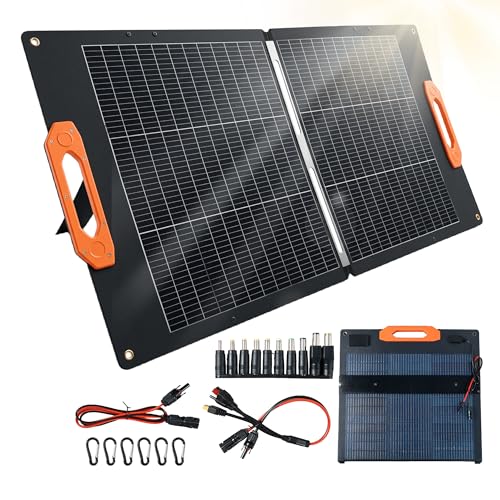
- 30% High-Efficiency Bifacial Monocrystalline & 100W Smart Power...
- Multi-Port Output: Equipped with 2 x USB-A (1 x standard 5V⎓2A , 1 x...
- Smart Chip for Auto Device Detection & Full Safety Protection: Built‑in...
Which solar panel won’t let me down when I need the most power for future upgrades?
If you plan to add an electric car or heat pump later, you need a panel that produces high wattage without requiring extra roof space. I always recommend looking at panels with 25% or higher efficiency for future-proofing.
For my own upcoming expansion, I am using a powerful 590-watt panel that leaves room for growth. It gives me the flexibility to add more appliances without redoing my entire solar setup.
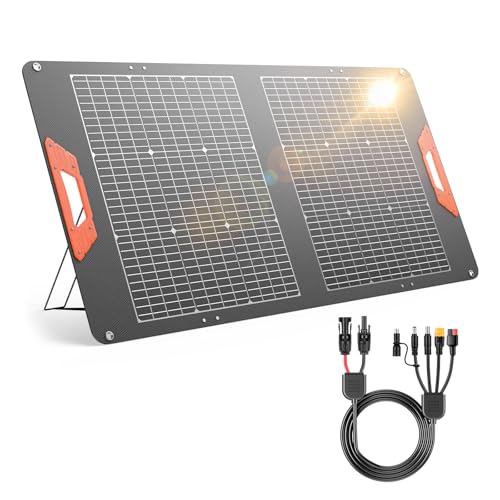
- Perfect for Solar Generators: Plug and play. The SOLUPUP bifacial solar...
- Bifacial Technology: Unlike standard solar panels that only capture...
- Power Upgrade: Need more juice? Connect two 100W solar panels in series or...