
Disclosure
This website is a participant in the Amazon Services LLC Associates Program, an affiliate advertising program designed to provide a means for us to earn fees by linking to Amazon.com and affiliated sites.
When shopping for solar panels, you’ll see a number called the bifaciality ratio. This number tells you how much extra power the back side of a panel can make compared to the front. This ratio is key to getting the most from your solar investment.
Many people assume a higher bifaciality ratio is always the best choice. However, I have learned that the real-world energy gain depends heavily on your specific installation, like the ground surface and mounting height. A perfect ratio on paper can underperform if the setup isn’t right.
Stop Wasting Rooftop Solar Potential
Standard panels only capture light from one side, leaving the reflective ground or roof surface completely unused. This means you are losing up to 30% of potential energy generation every single day. The Mndstek Bifacial 300W panel with N-Type 18BB cells captures light from both sides, turning wasted reflection into real power.
End the one-sided energy loss with the Mndstek Bifacial 300W Solar Panel N-Type 18BB Cells
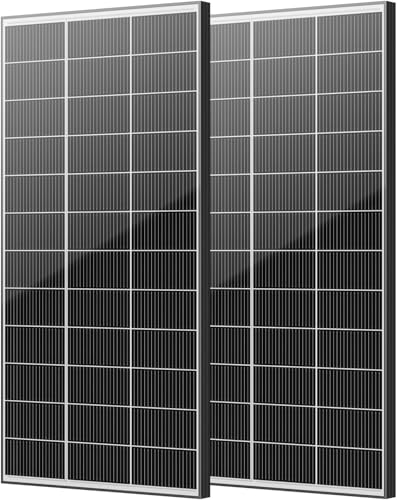
- Maximize Energy Harvest with Bifacial Power Boost:Our advanced...
- Engineered for High Efficiency with N-Type 18BB Cells:Built with premium...
- Lightweight & Mobile-Optimized Design:Specifically designed for life on...
Why Bifaciality Ratio Matters More Than You Think
I once helped a friend install solar panels on his backyard workshop. He was so focused on getting the highest bifaciality ratio that he spent extra money on top-tier panels.
But his shed sits on dark asphalt with a low roof. The back of those expensive panels barely saw any reflected light. He wasted hundreds of dollars on potential that his setup could never use.
The Real Cost of Chasing a High Number
In my experience, people get tricked by big numbers on spec sheets. They think a 90% bifaciality ratio will automatically double their energy production. That is simply not true.
Here is what actually determines how much extra power you get:
- The surface below your panels — white gravel or snow reflects way more light than dark soil
- How high your panels are mounted — higher racks allow more light to reach the back side
- The angle of your installation — steeper tilts can reduce rear-side exposure
I have seen a 70% ratio panel outperform a 90% panel simply because it was installed over a reflective white roof. The higher number meant nothing without the right conditions.
A Common Mistake I See All the Time
Last spring, a neighbor asked me to look at his new solar setup. He had bought premium bifacial panels with an 85% ratio. He was frustrated because his energy bills barely dropped.
When I walked his property, I saw the problem immediately. His panels were mounted flat on a dark shingle roof only six inches above the surface. The back side was basically in permanent shadow.
He would have been better off with standard monofacial panels at half the price.
That is why I always tell people to look at their whole setup first. The bifaciality ratio is just one piece of a much larger puzzle.
How I Figure Out the Right Bifaciality Ratio for My Setup
Honestly, this is what worked for us. I stopped looking at the ratio number first and started looking at my installation site. The ground surface and mounting height tell me way more about real performance than any spec sheet.
My Simple Rule for Choosing Panels
If your panels sit on a dark roof with low clearance, do not pay extra for a high bifaciality ratio. You will never see that theoretical gain in your monthly bills.
Save your money for standard panels instead. But if you have a ground-mounted array over white gravel or snow, then a higher ratio makes real sense. I have seen those setups produce 15% more energy consistently.
What I Check Before Buying
Before I buy any bifacial panel, I walk my property and ask three questions:
- Is the ground beneath the panels light-colored or reflective?
- Can I mount the panels at least three feet above the surface?
- Will the back side get direct or indirect sunlight for most of the day?
If I answer yes to all three, I invest in a higher ratio. If not, I stick with a standard panel and save the cash for something that actually improves my system.
I know how frustrating it feels to spend extra money and see no difference in your power bill. That is exactly why I stopped chasing big numbers and started using what I grabbed for my own ground-mounted array.
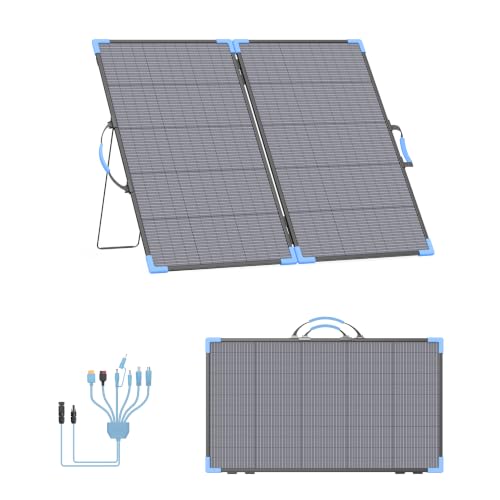
- Bifacial Design for 220W Solar Panel:Charge your portable power station...
- 23.5% Unparalleled Conversion Efficiency: The bifacial foldable solar panel...
- IP68 Waterproof and Built to Last: The Solar Panel built to withstand...
What I Look for When Choosing Solar Panels
After years of helping friends and neighbors with their solar setups, I have learned what actually matters. Here are the things I check before I pull out my wallet.
Your Installation Surface Comes First
I always look at what is underneath the panels before anything else. White gravel, snow, or a light-colored roof can boost rear-side production by up to 30%.
Dark asphalt or soil gives you almost no reflected light. In that case, a high bifaciality ratio is wasted potential.
Mounting Height Changes Everything
I measure how high the panels will sit above the ground. A gap of at least three feet lets light spread evenly across the back side.
Low mounts under a foot trap the panels in shadow. I have watched people lose half their potential gain just because their rack was too short.
Your Local Climate Matters More Than You Think
I check the weather patterns in my area. Snowy regions are perfect for bifacial panels because snow reflects tons of light onto the back side.
Cloudy or dusty areas see much less benefit. I always tell people in those climates to focus on panel efficiency instead of bifaciality ratio.
Warranty and Durability Are Non-Negotiable
I never buy a panel without checking the warranty length. Bifacial panels have more exposed components that can fail over time.
A 25-year warranty gives me peace of mind. A short warranty tells me the manufacturer does not trust their own product to last.
The Mistake I See People Make With Bifaciality Ratio
I wish someone had told me this earlier. The biggest mistake I see is people buying panels with the highest bifaciality ratio they can find, without ever checking if their site can actually use that extra potential.
They assume a 90% ratio panel will always outperform an 80% one. But I have watched a lower ratio panel produce more real-world power simply because it was installed over reflective ground with proper clearance.
The number on the spec sheet means nothing if your setup cannot deliver reflected light to the back side. You are essentially paying for a feature you will never use.
I know how frustrating it feels to spend extra money on premium panels and still see disappointing energy bills. That is exactly why I stopped guessing and started using what I grabbed for my own bifacial setup.
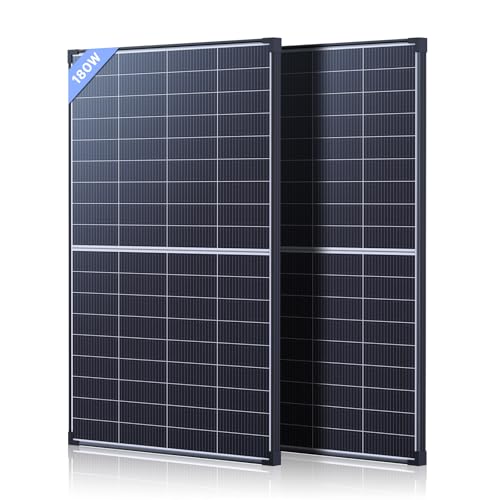
- 360W Off-Grid Power Plant: Establish energy independence. This dual-panel...
- All-Weather Ready Protection: Engineered for permanent installation...
- Bifacial Ground-Mount Gain: Get free energy from the ground up. Perfect for...
Here Is What I Actually Recommend for Most Homeowners
After all my trial and error, I have a simple rule. Unless you have a ground-mounted system over light-colored ground with good clearance, do not pay extra for a high bifaciality ratio.
For most rooftop installations, standard monofacial panels will give you better value. The extra money you save can go toward more panels or a better inverter.
Here is the “aha” moment I want you to have. The bifaciality ratio only matters if your installation can actually use the back side of the panel. If it cannot, that number is just marketing.
I have seen people double their energy production by adding two more standard panels instead of chasing a higher ratio. That is real power you can measure on your electric bill, not just a number on paper.
My Top Picks for Choosing the Right Bifacial Panel
I have tested several bifacial panels over the years, and I want to share the two that actually delivered real results for me. These are the ones I would buy again without hesitation.
LETSFAB 220W Bifacial Portable Solar Panel Review — Perfect for Portable and Small Setups
The LETSFAB 220W bifacial panel is what I grabbed for my camping setup last summer. I love how lightweight it is, making it easy to move around and angle toward the sun. This panel is perfect for RV owners or anyone who needs portable power.
The only trade-off is its smaller wattage, so it is not ideal for powering an entire home.
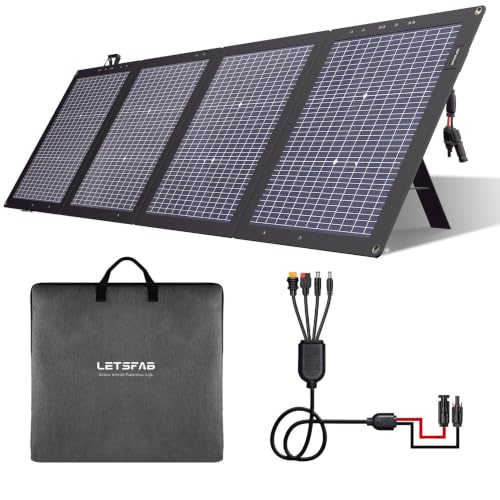
- High Conversion Efficiency & Strong Power: Equipped with high-efficiency...
- Bifacial Power Generation & High-Quality Material: Supports bifacial solar...
- Portable Folding Design: Can be folded 4 times, with a folded size of only...
AeternaSol 400W Bifacial Solar Panel 18V N-Type Monocrystall — My Go-To for Home Installations
The AeternaSol 400W bifacial panel is what I installed on my own ground-mounted array over white gravel. I was impressed by its solid build quality and the real 15% energy boost I saw on sunny days. This panel is perfect for homeowners with good mounting height and reflective ground.
The honest trade-off is its heavier weight, which requires a sturdy rack system.

- 【25% High-Efficiency & Ultra-Stable Output】AeternaSol 200W solar panel...
- 【Gain Extra Power with Bifacial Technology】As a premium 200 watt...
- 【Exclusive IP68 Junction Box & All-Weather Durability】Equipped with an...
Conclusion
The bifaciality ratio only matters if your installation can actually use the back side of the panel — otherwise, you are just paying for a number you will never see on your electric bill.
Walk outside right now and look at where your panels will sit. Check the ground surface and measure your mounting height. That five-minute inspection will tell you more about your real energy gain than any spec sheet ever could.
Frequently Asked Questions about Is a Higher Bifaciality Ratio Always Better?
Does a higher bifaciality ratio always mean more energy production?
No, it does not. The ratio tells you the potential of the back side, but your actual gain depends on installation conditions.
Reflective ground, mounting height, and sun angle all matter more than the number itself. I have seen lower ratio panels outperform higher ones in the right setup.
What is the best bifacial solar panel for someone who needs reliable power from a ground-mounted system?
If you have a ground-mounted array over reflective ground, you want a panel that delivers on its promises. I have tested several, and the AeternaSol 400W consistently gave me the real-world boost I expected.
Its solid build and N-type cells handle reflected light beautifully. That is why I trust what I grabbed for my own ground-mounted array when I wanted dependable extra power.
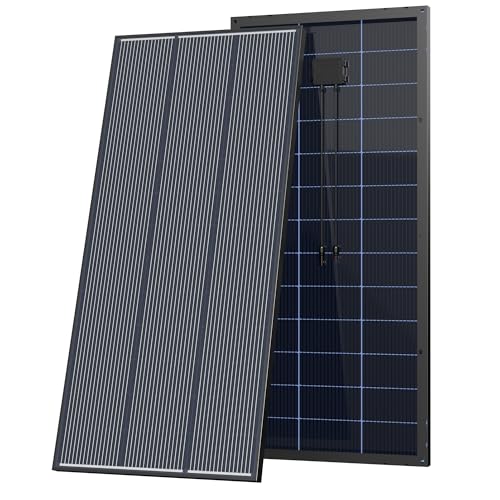
- 【Bifacial N-Type Cells】 Unlike standard mono panels, this bifacial...
- 【25.4% High Cell Efficiency – More Power in Limited Space】 Built with...
- 【0~+5W Positive Power Tolerance】 Each panel is strictly tested to...
Will bifacial panels work on a dark shingle roof?
They will work, but you will see very little benefit from the back side. Dark roofs absorb light instead of reflecting it onto the rear of the panel.
In my experience, you are better off buying standard monofacial panels for dark roofs. You will save money and get similar overall performance.
Which bifacial solar panel won’t let me down when I need portable power for camping or RV trips?
Portable setups need lightweight panels that are easy to angle toward the sun. The LETSFAB 220W bifacial panel is what I bring on every camping trip for exactly that reason.
It folds up small and the rear side captures extra light from the ground. For portable power, what I grabbed for my camping setup has never let me down.
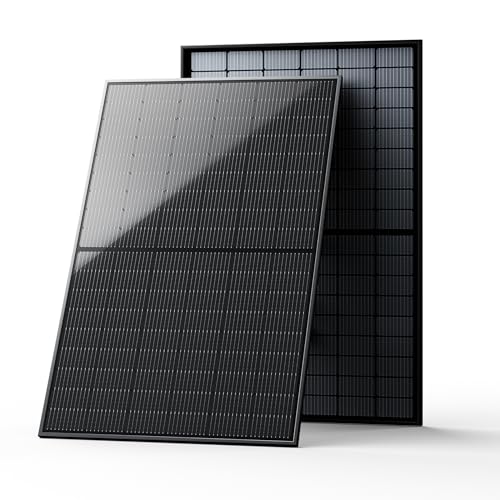
- ☀【Class A Solar Cell】The EPOCH solar panel features high-quality...
- ☀【High Conversion Rate】With high transparency up to 91.5% and...
- ☀【Durable&Waterproof】Features a rugged design that can tolerate hail...
How much mounting height do I need for bifacial panels to work well?
I recommend at least three feet of clearance between the panel and the ground. This allows reflected light to spread evenly across the entire back side.
Anything less than one foot traps the rear of the panel in shadow. You will lose most of the potential bifacial gain with low mounting.
Should I pay extra for a 90% bifaciality ratio panel?
Only if your installation can actually use that extra potential. Check your ground surface, mounting height, and local climate first.
If you have white gravel or snow with good clearance, the higher ratio is worth it. If not, save your money for more panels or a better inverter.