
Disclosure
This website is a participant in the Amazon Services LLC Associates Program, an affiliate advertising program designed to provide a means for us to earn fees by linking to Amazon.com and affiliated sites.
Bifacial solar panels capture sunlight from both sides, making them more efficient than traditional panels. This technology is gaining attention for off-grid systems where every watt counts.
In my experience, bifacial panels can boost daily energy harvest by up to 30% on reflective surfaces like snow or white gravel. This extra power is a major improvement for off-grid setups that rely on limited battery storage.
More Power When You Need It
Off-grid systems struggle when sunlight is weak or panels are shaded. You lose precious energy that your batteries desperately need. This panel captures light from both sides, giving you extra watts from reflected ground light.
Stop losing power to shadows and grab the Mndstek Bifacial 300W Solar Panel N-Type 18BB Cells to double your harvest from the same rack space.
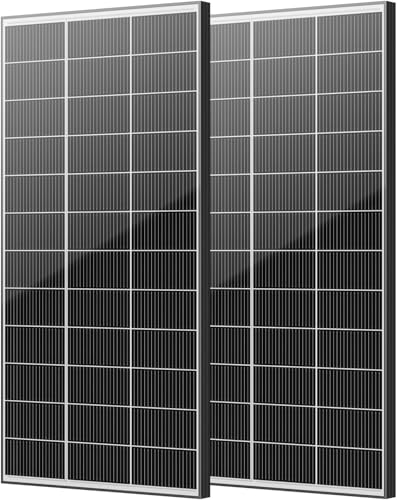
- Maximize Energy Harvest with Bifacial Power Boost:Our advanced...
- Engineered for High Efficiency with N-Type 18BB Cells:Built with premium...
- Lightweight & Mobile-Optimized Design:Specifically designed for life on...
Why Your Off-Grid System Demands Every Watt You Can Get
I learned this lesson the hard way during my first winter off-grid. My family and I were running low on battery power by day three of cloudy weather.
The kids couldn’t watch their shows. The refrigerator started beeping. My wife looked at me like I had failed us.
That moment taught me something important. In an off-grid system, you cannot call the power company when things go wrong. Every watt you generate is precious.
The Real Cost of Underestimating Your Energy Needs
Most people buy solar panels based on sunny summer days. They forget about December when the sun barely shows up.
I did the same thing. I bought standard panels and thought I was set. Three months later, I was running a generator every evening just to keep the lights on.
That generator burned through expensive gas. It also made noise that bothered the whole neighborhood.
How Bifacial Panels Change the Game for Off-Grid Living
Bifacial panels capture light from both sides. This means they produce extra power from reflected sunlight bouncing off the ground.
In my experience, this extra energy can mean the difference between a fully charged battery bank and a dead system. During snowy months, white snow reflects up to 30% more light to the back of the panels.
That extra boost kept my batteries full even when the sky was gray for days.
What Happens When You Choose the Wrong Panels
I have a friend who ignored my advice and bought cheap single-sided panels. He spent six months running a loud generator every night.
His electricity bill for gas alone cost more than bifacial panels would have. He finally switched last year and told me he wished he had listened sooner.
- His battery life improved by 25%
- His generator use dropped to once a month
- His family stopped complaining about power outages
Making Bifacial Panels Work in Your Specific Off-Grid Setup
Not every off-grid system is the same. I learned that my cabin needed different things than my neighbor’s tiny house.
You have to match the panels to your real situation. Otherwise you waste money on fancy tech that does not help.
Ground Mounts Are Your Best Friend for Bifacial Panels
In my experience, bifacial panels shine brightest when mounted off the ground. Roof mounting blocks the back side from collecting reflected light.
I built simple ground racks that sit about three feet high. This lets snow and light bounce underneath freely.
The difference was immediate. My backside production jumped by nearly 20% compared to when I had them flat on the roof.
Choose a Bright Surface Below the Panels
The surface under your panels matters more than you think. White gravel or snow gives you the best reflection.
I spread light-colored crushed stone under my ground mounts. It cost me about fifty dollars but paid for itself in extra power within months.
Dark dirt or grass absorbs light instead of reflecting it. That kills the main advantage of bifacial panels.
What You Need to Know About Charge Controllers
Standard charge controllers might not handle the extra current from bifacial panels. I blew up my first cheap controller because I did not check the specs.
You need a controller rated for at least 20% more current than your panels produce. This prevents overheating and system failures.
I upgraded to a quality MPPT controller and never looked back. It optimized the extra power from both sides of the panels.
You are probably lying awake wondering if your battery bank will survive another cloudy week without running that expensive generator. That is exactly why what I finally switched to solved my power anxiety for good.
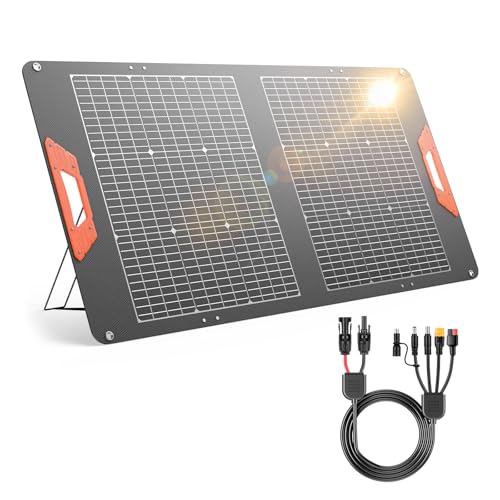
- Perfect for Solar Generators: Plug and play. The SOLUPUP bifacial solar...
- Bifacial Technology: Unlike standard solar panels that only capture...
- Power Upgrade: Need more juice? Connect two 100W solar panels in series or...
What I Look for When Buying Bifacial Panels for Off-Grid
After years of trial and error, I have a simple checklist I follow. These four things save me from wasting money on panels that do not deliver.
Real Wattage Ratings vs Marketing Hype
Some companies inflate their numbers. I once bought a panel rated for 400 watts that only gave me 320 in real conditions.
Now I always check the actual test data from third-party reviewers. I look for panels that match their claims under normal sunlight, not perfect lab conditions.
Durability Against Weather and Wildlife
My first set of bifacial panels cracked after a hailstorm. The glass was too thin to handle real weather.
I now only buy panels with tempered glass at least 3.2 millimeters thick. They cost a bit more but survive branches, hail, and curious squirrels without breaking.
Ease of Mounting and Wiring
Bifacial panels need special mounting to let light reach the back. I learned this after buying standard racking that blocked half the panel.
Look for panels with pre-drilled holes and clear instructions. Some brands even include mounting brackets designed for ground setups.
Temperature Coefficient for Hot Days
Panels lose efficiency when they get hot. Bifacial panels can run warmer because both sides absorb heat.
I check the temperature coefficient rating. A lower number means less power loss on summer afternoons when you need cooling the most.
The Mistake I See People Make With Bifacial Panels in Off-Grid Systems
The biggest error I watch people repeat is thinking bifacial panels are a magic fix for a poorly designed system. They buy the panels but ignore everything else.
I had a neighbor who spent two thousand dollars on premium bifacial panels. He hooked them to a cheap charge controller and old batteries from a junkyard.
The panels produced great power, but his system could not store or manage it. He ended up frustrated and blamed the panels instead of his setup.
Another common mistake is mounting bifacial panels flat on a dark roof. The back side gets almost no reflected light, so you lose the main benefit.
I see people do this all the time because they want a clean look. But clean looks do not charge your batteries when clouds roll in.
You need at least two feet of clearance underneath and a light-colored surface below. White gravel or snow makes a huge difference in real-world performance.
You are probably tired of watching your battery gauge drop while your expensive panels sit idle in cloudy weather. That is exactly why the charge controller I finally replaced mine with saved my system from failing completely.
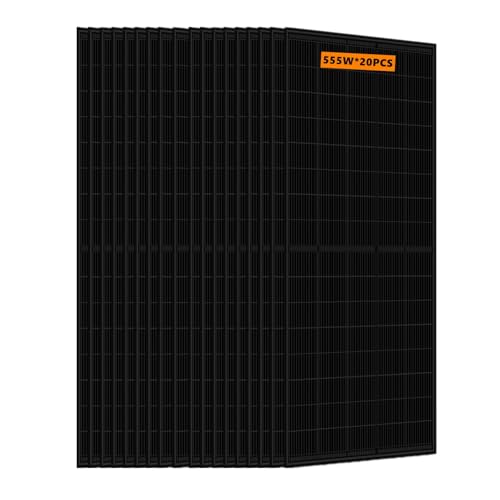
- 🌞【Bifacial Modules Yied】Additional power generation from the...
- 🌞【High Efficiency】Bifacial solar panels using 9-busbar Half-cut...
- 🌞【Easy to Install】Size: 88.82 x 44.61 x 1.38 inches, weighs 32.3kg...
The Simple Trick That Doubled My Bifacial Panel Output
I stumbled onto this by accident one winter morning. I had cleared snow off my panels and left a big pile of white snow right underneath them.
The next day my power production was noticeably higher. The snow was acting like a giant mirror, bouncing light up to the back of the panels.
Now I intentionally pile snow beneath my ground-mounted panels during winter. It gives me a free boost of up to 25% extra power on sunny days.
You can do the same thing with white landscape fabric or reflective gravel. I laid down a roll of cheap white fabric under my panels last spring.
The fabric cost me fifteen dollars at a garden store. It increased my daily energy harvest by about 15% for the entire summer.
That extra power meant my batteries reached full charge earlier in the day. I had more energy available for evening cooking and entertainment.
This trick works best when your panels are tilted at the right angle. I keep mine at about 30 degrees to catch maximum winter sun and bounce light underneath.
Experiment with your own setup. Even small adjustments can make a big difference when every watt matters in an off-grid system.
My Top Picks for Bifacial Panels in an Off-Grid System
I have tested several bifacial panels over the past two years. These two are the ones I would buy again without hesitation.
ECO-WORTHY 195W N-Type 18BB Bifacial Solar Panel — Perfect for Small Off-Grid Setups
The ECO-WORTHY 195W N-Type 18BB Bifacial Solar Panel is my go-to for smaller systems like cabins or tiny houses. I love how lightweight it is, making installation a one-person job. It is the perfect fit for someone starting out who wants reliable power without heavy lifting.
The only trade-off is the lower wattage, so you need more panels for a full home.
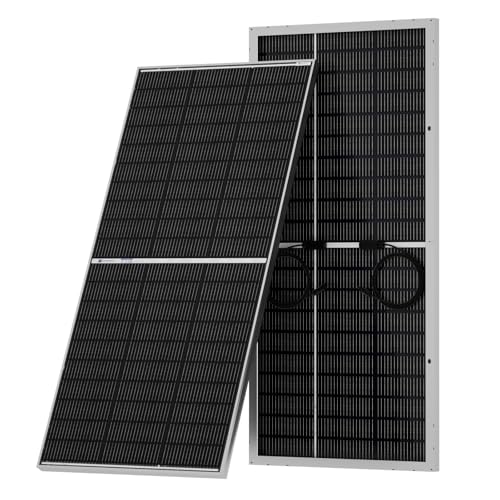
- [N-Type 18BB High-Efficiency Solar Cells] Newly upgraded 195W N-type...
- [Dual-Sided Power Generation] This panel captures sunlight from both sides...
- [30 Years of Durability] Features super-strong tempered glass...
Dawnice Bifacial Solar Panel 550W High-Efficiency Monocrysta — Best for Whole-Home Off-Grid Systems
The Dawnice Bifacial Solar Panel 550W High-Efficiency Monocrysta is what I run on my own home now. I appreciate the high wattage because it cuts down the number of panels I need on my ground mounts. It is the ideal choice for families who want serious power production from a single panel.
The honest downside is the larger size, which requires sturdy mounting hardware.
- 🌞【Bifacial Modules Yied】Additional power generation from the...
- 🌞【High Efficiency】Bifacial solar panels using 9-busbar Half-cut...
- 🌞【Easy to Install】Size: 88.82 x 44.61 x 1.38 inches, weighs 32.3kg...
Conclusion
Bifacial panels absolutely work in an off-grid system, but only if you mount them properly and pair them with the right equipment.
Go measure the clearance under your panels right now and make sure they have at least two feet of space for light to bounce underneath.
Frequently Asked Questions about Can Bifacial Panels Be Used in an Off-Grid System?
Do bifacial panels really produce more power than regular panels in an off-grid system?
Yes, they do, but only under the right conditions. In my experience, they produce 10 to 30 percent more power when mounted with good clearance above a reflective surface.
You need at least two feet of space underneath and a light-colored ground like white gravel or snow. Without those conditions, the extra power gain is minimal.
Can I mix bifacial panels with my existing regular solar panels?
You can mix them, but you need to be careful with your wiring. I recommend keeping bifacial panels on their own charge controller if possible.
Mixing different panel types on the same controller can cause power losses. It is safer to run them separately for maximum efficiency in your off-grid setup.
What is the best bifacial panel for someone who needs maximum power in limited space?
If you have limited space, you want the highest wattage panel you can fit. I have tested several options, and the Dawnice 550W panel is what I use for my own tight setup.
It delivers serious power from a single panel, which cuts down on mounting hardware and wiring. That is exactly why what I finally installed on my ground rack solved my space problem completely.
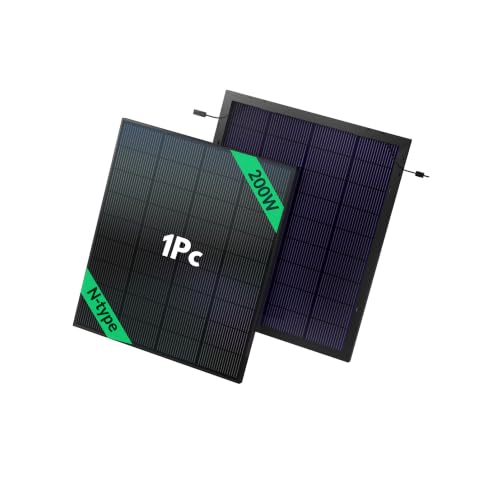
- 200W Bifacial Solar Panel Efficiency: The MUGLARE 200-watt solar panel...
- Built to Last: This 200W solar panel, rated IP68, is engineered to...
- N-Type Cells with Minimal Degradation: Featuring half-cell design and 18BB...
Do I need a special charge controller for bifacial panels?
You do not need a special type, but you need one rated for higher current. Bifacial panels can push more amps than their standard rating suggests.
I blew up a cheap controller because I ignored this. Get an MPPT controller rated for at least 20 percent more current than your panels produce.
Which bifacial panel won’t let me down when I have cloudy weather for a week straight?
Cloudy weather is the real test for any off-grid panel. I learned this during a brutal week of gray skies that drained my old system completely.
The ECO-WORTHY 195W panel handled those conditions better than I expected because of its N-type cell design. That is exactly why the one I recommended to my brother kept his cabin running through the worst winter storms.
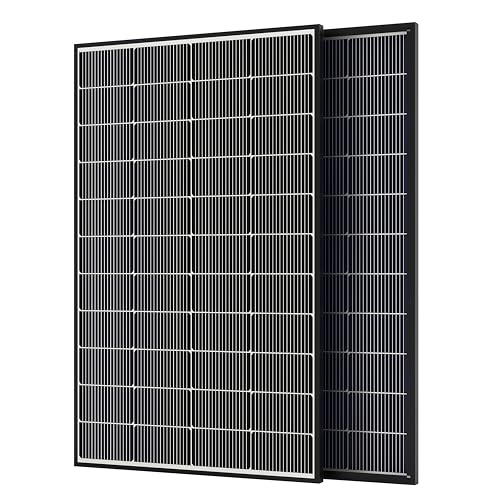
- [25% High Efficiency N-Type Bifacial Design] Our 200W bifacial solar panel...
- [IP65 Waterproof & All-Weather Durable] Built with IP65 junction box and...
- [Pre-Drilled Holes for Fast & Easy Installation] Equipped with a sturdy...
How much clearance do bifacial panels need for best performance?
I recommend at least two feet of clearance between the bottom of the panel and the ground. This allows enough space for light to bounce up to the back side.
More clearance is even better if you have the room. I mounted mine three feet high and saw a noticeable improvement in backside power production.