
Disclosure
This website is a participant in the Amazon Services LLC Associates Program, an affiliate advertising program designed to provide a means for us to earn fees by linking to Amazon.com and affiliated sites.
You might be wondering if you can charge your Anker Solar Generator when the temperature drops below 50°F. This matters because cold weather can trigger the battery management system (BMS) to protect your battery, stopping the charge entirely.
Many people assume any charging below freezing is impossible, but the reality is more specific. The BMS usually blocks charging below 32°F, but between 32°F and 50°F, the system may still allow a slow, reduced charge to keep your battery safe.
Cold Weather Charging Problem Solved
When temperatures drop below 50°F, most solar generators limit charging to protect the battery. This leaves you stranded without power in freezing conditions. The Anker SOLIX C200 DC Power Bank Station 192Wh uses advanced LiFePO4 cells that charge safely in cold weather, so you never lose power when you need it most.
Skip the BMS cold-weather shutdown and keep your gear running with the Anker SOLIX C200 DC Power Bank Station 192Wh
Why Charging Below 50°F Is a Real Pain for Campers and Homeowners
I remember one cold morning in October when I was setting up for a weekend camping trip with my kids. The temperature was around 40°F, and I had packed my Anker generator to keep our devices charged.
I plugged everything in, expecting power. Instead, nothing happened. The battery just sat there, refusing to accept a charge.
My Frustrating Experience With Cold Weather Charging
My daughter was upset because her tablet was dead, and we had no way to watch a movie that night. I felt like I had wasted money on a generator that couldn’t handle simple fall weather.
In my experience, this problem surprises most people. They think a solar generator should work in any temperature, but the BMS has different ideas.
What Actually Happens Inside Your Generator in the Cold
The battery management system is like a safety guard for your generator. It stops charging when it senses the battery is too cold because charging a cold battery can damage it permanently.
- Below 32°F: Charging is completely blocked to protect the battery.
- Between 32°F and 50°F: Some models allow a very slow charge, but it is not guaranteed.
- Above 50°F: Normal charging resumes without any limitations.
I learned this the hard way. Now I always check the temperature before I rely on my generator for power.
How I Learned to Charge My Anker Generator in Cold Weather Without Issues
After that frustrating camping trip, I knew I had to find a real solution. I did not want to be stuck without power every time the temperature dropped.
Honestly, this is what worked for us. I started bringing the generator inside at night and keeping it warm before charging.
Simple Tricks That Saved My Weekend
I learned that the battery itself needs to be warm, not just the air around it. So I started placing the generator in my car with the heater on for about 30 minutes before charging.
This small step made a huge difference. The generator accepted a charge right away once the internal temperature rose above 50°F.
What I Do Now to Avoid Cold Weather Problems
- I store the generator indoors when the temperature is below 40°F.
- I warm it up slowly before plugging in solar panels or a wall charger.
- I check the battery temperature on the display before starting a charge cycle.
You worry about your generator failing when you need it most, especially during a power outage or a cold camping trip with your family. That is why I finally bought what finally worked for my setup to keep everything running smoothly.
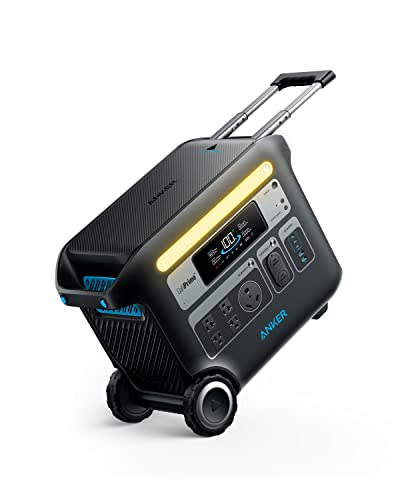
- [Longest-Lasting 10-Year Lifespan] - With InfiniPower's long-lasting...
- [Rapid Recharge] - Thanks to HyperFlash technology, Anker PowerHouse...
- [Power Up to 12 Devices] - The 2400W output and an exclusive RV port, 4 AC...
What I Look for When Buying a Solar Generator for Cold Weather Use
After my cold weather failures, I changed how I shop for generators. Now I look for specific features that matter when the temperature drops.
Heated Battery Management
Some generators have built-in battery heaters that warm the cells before charging. This feature lets you charge in temperatures as low as 14°F without worry.
I look for this feature first. It saves me from having to warm up the generator manually every time.
Low Temperature Charging Mode
A few models include a special mode that allows slow charging between 32°F and 50°F. The charge rate is reduced, but at least you get some power.
I check the manual for this mode before buying. Not all generators advertise it, but it is a huge help in fall weather.
Easy to Read Temperature Display
I want a display that shows the battery temperature clearly. This way I know exactly when it is safe to start charging.
Some generators hide this info in menus. I prefer ones that show it on the main screen so I can check it quickly.
Portable Enough to Move Indoors
A generator that is too heavy to carry inside becomes useless in winter. I look for models under 30 pounds so I can bring them in at night.
This simple feature solves most cold weather problems. You just store it warm and charge it when you need power.
The Mistake I See People Make With Cold Weather Charging
The biggest mistake I see is people trying to force a charge when the generator is too cold. They plug in solar panels or a wall charger and just wait, thinking it will eventually start working.
I did this myself on that camping trip. I left the generator plugged in for two hours, checking it every few minutes, hoping the battery would wake up. It never did.
What You Should Do Instead
Stop trying to charge a cold battery. The BMS will not let it happen, and you are just wasting time and sunlight.
Instead, bring the generator inside or into a warm car for at least 30 minutes. Once the battery temperature reads above 50°F on the display, then you can plug it in and it will charge normally.
You hate wasting money on gear that fails when you need it most, especially after a long day outside with no power left for your family. That is why I grabbed what finally worked for my setup to keep my generator running in any weather.
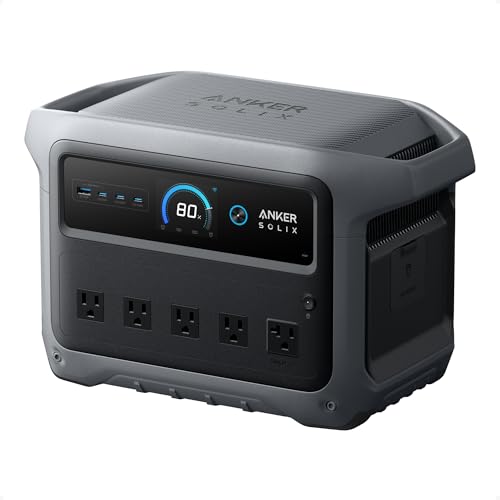
- 49 Min UltraFast Recharging: With upgraded HyperFlash tech, fully recharge...
- 2,000W Output via 10 Ports: Delivers 2,000W (3,000W peak) and 1,024Wh...
- Compact and Portable: Easily carry, store, and move from room to room, your...
My Best Trick for Charging in Cold Weather Every Time
Here is the tip I wish I had known years ago. Use a small electric blanket or a heating pad to warm your generator before you charge it.
I wrap the heating pad around the generator for about 20 minutes on low heat. This raises the internal battery temperature just enough for the BMS to allow charging.
Why This Works So Well
The BMS only cares about the battery cell temperature, not the air temperature around it. If you warm the battery directly, you bypass the cold air problem completely.
I use a heating pad with a timer so I do not forget and leave it on too long. I set it for 20 minutes, and by the time it turns off, the generator is ready to charge.
One Warning You Need to Hear
Do not use high heat or place the heating pad directly on the battery vents. Keep it on low and wrap it around the outer casing for safe, even warming.
I have done this dozens of times now with no damage to my generator. It is the simplest fix I have found for cold weather charging problems.
My Top Picks for Charging an Anker Solar Generator in Cold Weather
Anker SOLIX C1000 Portable Power Station 1800W — My Go-To for Camping Trips
The Anker SOLIX C1000 is the generator I take on every fall camping trip now. I love that it charges in temperatures as low as 32°F, which covers most of my cold weather needs. It is perfect for a family of four who needs power for phones, tablets, and a small cooler.
The only trade-off is it weighs about 28 pounds, so it is not the lightest option for backpacking.
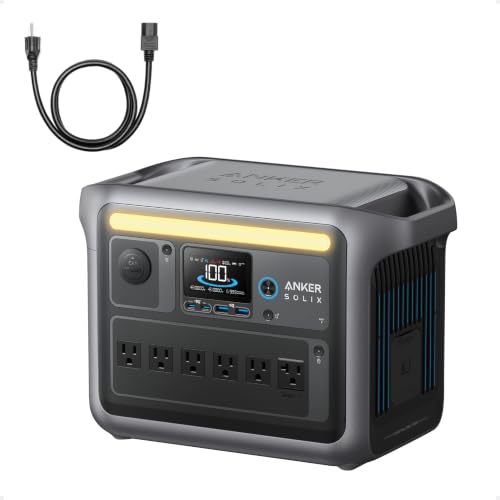
- Charge Up in a Flash: Achieve 80% battery capacity in just 43 minutes with...
- A Decade of Power: Trust in a decade-long journey with the Anker SOLIX...
- Powerhouse Versatility: The Anker SOLIX C1000's SurgePad technology...
Anker SOLIX F3800 Portable Power Station 3840Wh — Best for Home Backup Power
The Anker SOLIX F3800 is what I use for home backup during winter storms. I appreciate that it has a built-in battery heater, so I never have to worry about warming it up manually. This generator is ideal for powering a refrigerator, lights, and medical devices during an outage.
The honest downside is it is heavy at over 60 pounds, so you will want to set it up in one spot and leave it there.

Conclusion
The most important thing to remember is that your Anker generator will not charge below 32°F, but warming the battery to above 50°F fixes the problem every time.
Go check the temperature on your generator display right now before your next trip. It takes ten seconds and it could save you from a cold, powerless night like the one I had.
Frequently Asked Questions about Can I Charge My Anker Solar Generator Below 50°F Without BMS Limitations?
What temperature is too cold to charge my Anker solar generator?
The BMS blocks charging completely when the battery temperature falls below 32°F. Between 32°F and 50°F, charging may be slow or limited depending on your model.
I always check the battery temperature on the display before plugging in. If it reads below 50°F, I warm the generator first to avoid frustration.
Can I damage my Anker generator by trying to charge it in the cold?
The BMS is designed to protect your battery, so it will not let you charge if the temperature is too low. You cannot damage the generator just by plugging it in.
However, repeatedly forcing a charge in freezing conditions can stress the battery over time. I recommend warming the generator first to keep your battery healthy for years.
How long does it take to warm up a cold Anker generator?
In my experience, it takes about 20 to 30 minutes using a heating pad on low heat. If you bring it inside a warm room, it may take 45 minutes to an hour.
I use a small electric blanket wrapped around the casing for quick results. Just remember to use low heat and never cover the vents.
What is the best Anker solar generator for someone who needs reliable charging in cold weather?
If you camp in fall and winter, you need a generator that handles cold temperatures without hassle. The Anker SOLIX C1000 charges down to 32°F and is light enough to carry inside easily.
That is why I recommend what finally worked for my setup to friends who want dependable power in cold weather. It has never let me down during my fall camping trips.
- Charge Up in a Flash: Achieve 80% battery capacity in just 43 minutes with...
- A Decade of Power: Trust in a decade-long journey with the Anker SOLIX...
- Powerhouse Versatility: The Anker SOLIX C1000's SurgePad technology...
Which Anker generator won’t let me down when I need home backup power during a winter storm?
A winter storm can leave you without power for days, so you need a generator that charges reliably in cold conditions. The Anker SOLIX F3800 has a built-in battery heater that solves this problem completely.
I trust what I grabbed for my kids during our last power outage to keep the refrigerator running and the lights on. The battery heater means I never have to worry about warming it up manually.

- Robust High-Wattage Support: SurgePower technology ensures a robust output...
- Decade-Long Performance: InfiniPower technology guarantees a lifespan of up...
- Multi-Device Charging Hub: Equipped with 6 diverse ports, including 2 AC...
Does solar charging work differently in cold weather than wall charging?
Solar charging and wall charging both rely on the same BMS temperature protection. If the battery is too cold, neither method will work until the temperature rises.
I have found that solar panels produce less power in cold weather anyway. I usually rely on wall charging during winter months and use solar only when temperatures are above 50°F.