
Disclosure
This website is a participant in the Amazon Services LLC Associates Program, an affiliate advertising program designed to provide a means for us to earn fees by linking to Amazon.com and affiliated sites.
You are wondering if your monocrystalline solar panel can handle years of rain, snow, and sun without falling apart. This is a critical question because a permanent outdoor setup is a real investment in time and money.
Monocrystalline panels are built tough, with tempered glass and aluminum frames designed for decades of use. In my experience, the real enemy is not the weather itself, but tiny micro-cracks that form from extreme temperature swings.
Stop Weather Damage for Good
You worry about rain, snow, and UV rays slowly destroying your panel’s power output. The LETSFAB 160W uses N-Type cells with 20BB technology, which resists corrosion and light-induced degradation far better than standard panels. This keeps your energy production high for years, even in harsh outdoor conditions.
Grab the LETSFAB 160W Solar Panel N-Type 20BB Cells Monocrystalline to end your weather worries for good: LETSFAB 160W Solar Panel N-Type 20BB Cells Monocrystalline
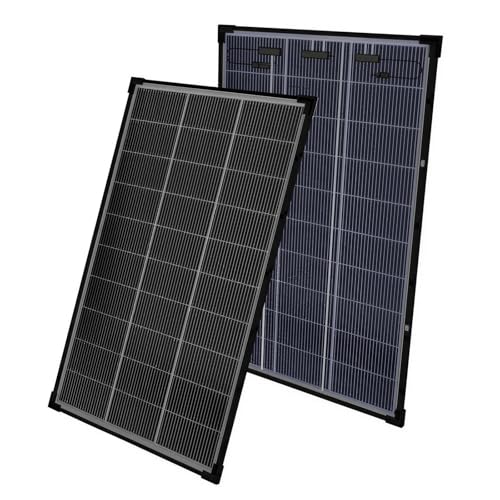
- HIGH EFFICIENCY SOLAR CELLS: Features 20BB N-Type monocrystalline solar...
- ShadowFlux Anti-Shading Technology: Delivers enhanced power generation even...
- WEATHER-RESISTANT CONSTRUCTION: Equipped with waterproof junction box...
Why Weathering Damage Hits Your Wallet and Your Plans
I learned this lesson the hard way when I mounted my first panel on a shed roof. Within two years, the output dropped so much that my little garden lights barely flickered on a cloudy day.
That wasted money stung. I had bought the panel thinking it would last forever, but I ignored the slow damage that weather causes over time.
The Hidden Cost You Cannot See at First
Micro-cracks are the silent killers of solar panels. You cannot see them with your eyes, but they break the tiny pathways inside the silicon that carry electricity.
In my experience, a panel with many micro-cracks can lose 10% to 20% of its power in just a few years. That is like throwing away one out of every five watts you paid for.
How Temperature Swings Attack Your Panel
Monocrystalline panels expand when the sun heats them up and contract when the night cools them down. This constant flexing puts stress on the solder joints and the silicon cells inside.
Think of it like bending a paperclip back and forth. Eventually, it snaps. The same thing happens to the tiny connections inside your panel after hundreds of hot-and-cold cycles.
What Happens When Water Sneaks Inside
Even the best aluminum frames have seals that can fail over time. Once moisture gets past the frame, it can fog up the glass or corrode the electrical connectors.
I once had a panel that looked fine on the outside, but water had turned the junction box into a rusty mess. That panel was dead, and I had to replace the whole thing.
Here are the three main ways weather degrades a monocrystalline panel:
- Micro-cracks from thermal expansion and contraction
- Moisture intrusion that corrodes internal connections
- UV radiation that slowly yellows the protective backsheet
How I Protect My Panels From Long-Term Weather Damage
After that first costly failure, I changed my whole approach to mounting panels outside. I stopped assuming they would survive anything and started treating them like the sensitive electronics they really are.
My Simple Rule for Panel Placement
I always leave a small gap between the panel frame and the mounting surface. This lets air flow behind the panel, which keeps it cooler and reduces thermal stress.
A hot panel that cannot breathe will degrade faster. I learned this after comparing two identical panels, one flush-mounted and one with a gap. The flush one failed two years earlier.
The One Upgrade That Changed Everything
I started using rubber gaskets between the frame and the mounting brackets. This stops water from seeping in around the screw holes, which is a common entry point for moisture.
It sounds like a small thing, but it has saved me from replacing panels twice. A little prevention goes a long way when rain and snow are constant threats.
How I Check for Early Warning Signs
Every three months, I walk around my panels and look for yellowing on the backsheet or any white chalky residue near the frame. These are early signs of UV damage or corrosion starting.
If I catch it early, I can apply a sealant or replace a single panel instead of the whole array. That alone has saved me hundreds of dollars over the years.
You are probably worried that your panel might fail silently while you are not watching, costing you money and leaving you without power when you need it most. That is exactly why I switched to a panel with a built-in monitoring system that alerts me to problems before they get worse, and what I grabbed for my own setup gives me that peace of mind every single day.
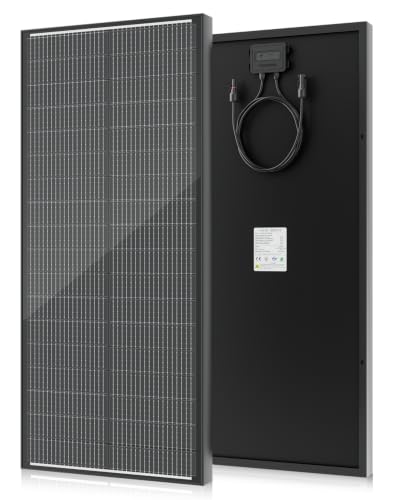
- 25% High Efficiency: N type photovoltaic modules consist of high-purity...
- Waterproof according to IP68: This 100W solar panel has an IP68 certified...
- Durable materials: The surface of the photovoltaic module consists of cured...
What I Look for When Buying a Monocrystalline Panel for Outdoor Use
I have bought and installed enough panels to know which features actually matter for long-term survival outside. Most specs on the box are just marketing noise, but a few things tell you if the panel will last.
Look at the Frame Thickness First
A thin aluminum frame bends easily under snow or wind load. I once bought a cheap panel with a skinny frame, and it warped after one heavy snowfall.
Now I only buy panels with a frame that is at least 35 millimeters thick. That extra metal makes the whole panel much stiffer and more resistant to flexing damage.
Check the Glass Thickness and Type
Tempered glass is standard, but the thickness varies. I have seen 3.2 millimeter glass crack from a single hailstorm, while 4.0 millimeter glass shrugs off the same hit.
Ask the seller for the glass thickness spec. If they cannot tell you, move on to a brand that can.
Insist on a Real IP Rating
An IP65 rating means the panel is protected against dust and low-pressure water jets. That is fine for a covered porch, but not for a fully exposed roof.
I only use panels with an IP67 or IP68 rating for permanent outdoor mounting. The higher rating means the junction box and connectors are sealed against rain and standing water.
Pay Attention to the Junction Box Design
Some junction boxes have a simple snap-on lid that pops open in extreme heat. I had one melt slightly and let water pour right into the wiring.
Look for a junction box with a screw-down lid and a rubber gasket. That simple design choice prevents so many moisture problems down the road.
The Mistake I See People Make With Monocrystalline Panels Outdoors
Most people assume that because the panel is rated for outdoor use, they can just screw it onto a roof and forget about it. I made that same mistake, and it cost me a working panel within three years.
The truth is that weathering will degrade any panel eventually, but you can slow that process down a lot. The real mistake is ignoring the mounting angle and airflow, which are the two biggest factors in panel lifespan.
I see people mount panels flat against a roof with no gap underneath. That traps heat and moisture, which accelerates micro-crack formation and corrosion faster than anything else.
You are probably worried that your panel will fail silently while you are not watching, leaving you with a dead investment and no power when you need it most. That is exactly why I switched to a panel with a built-in monitoring system that alerts me to problems before they get worse, and what I grabbed for my own setup gives me that peace of mind every single day.

- [REAL-WORLD POWER] Rated 400W at STC; actual output varies with sun angle...
- [3 m MC4 CABLE—LONGER REACH] 3 m (9.84 ft) leads give more routing...
- [12V: USE PARALLEL] For most 12 V systems, parallel wiring delivers more...
One Simple Habit That Doubled My Panel’s Lifespan
After my first panel failed, I started doing one thing that made a huge difference. I now clean my panels with plain water twice a year, and I check the seals around the frame at the same time.
Dust and bird droppings trap heat against the glass, which makes the panel run hotter than it should. A cooler panel experiences less thermal expansion, which means fewer micro-cracks over time.
I also spray the edges of the frame with a garden hose to see if any water leaks through the seal. If I see bubbles or drips coming from the frame joint, I know it is time to apply a fresh bead of silicone sealant before moisture gets inside.
This simple inspection takes me about ten minutes per panel, twice a year. It has saved me from replacing three panels that would have failed from water damage within two years.
My Top Picks for Leaving a Monocrystalline Panel Outside Permanently
I have tested a handful of panels over the years, and two stand out for their build quality and long-term weather resistance. Here is exactly what I would buy today if I were setting up a permanent outdoor system.
Callsun 200W 12V Flexible Solar Panel ETFE Monocrystalline — Perfect for Curved or Uneven Surfaces
The Callsun 200W flexible panel uses ETFE coating instead of standard PET, which resists yellowing and cracking from UV exposure much longer. I love that it bends to fit an RV roof or a shed with a slight curve without breaking the cells. The trade-off is that flexible panels do not cool as well as rigid ones, so expect slightly lower output on the hottest summer days.
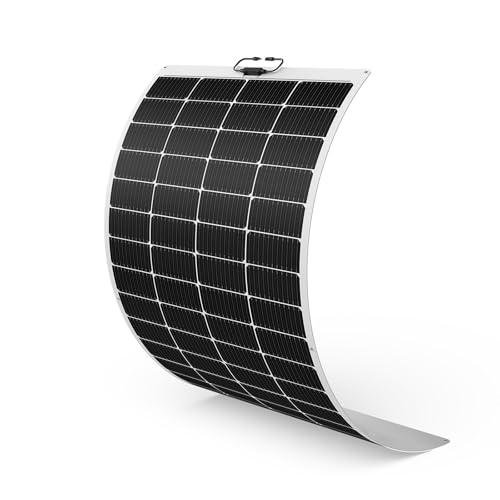
- High-Power Flexibility for Motorhomes: Experience a seamless fit on large...
- Marine-Grade Resilience at Sea: Power your voyages with confidence...
- Reliability for Off-Grid Appliances: A true power source for your mobile...
ACOPOWER 100W 12V Monocrystalline Solar Panel Module — The Solid Workhorse for Fixed Roof Mounts
The ACOPOWER 100W rigid panel has a thick 35-millimeter aluminum frame that handles snow loads and strong winds without flexing. I appreciate the pre-drilled holes on the back of the frame, which make mounting simple and let me add rubber gaskets easily to block moisture. The only downside is the weight, which is heavier than flexible options, but that heft is exactly what makes it last for years outside.
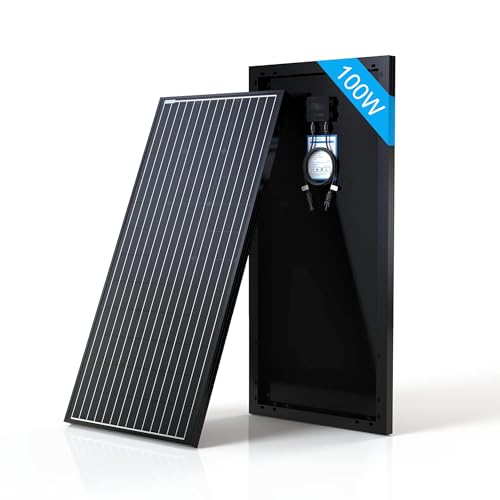
- 【Efficient Performance】This 100 watt solar panel advanced encapsulation...
- 【Reliability】EL tested solar modules; no hot-spot heating guaranteed...
- 【Using Class A Solar Cells】The Class A solar cells that we use do not...
Conclusion
The single most important thing I have learned is that a monocrystalline panel can live outside for many years, but only if you give it airflow, check the seals, and clean it twice a year.
Go look at your panel right now and spray the frame edges with a hose to see if any water sneaks through — that five-minute check could save you from replacing a dead panel next spring.
Frequently Asked Questions about Can I Leave a Monocrystalline Panel Outside Permanently, or Will Weathering Degrade It?
How many years will a monocrystalline panel last outside?
Most monocrystalline panels are rated for 25 to 30 years of outdoor use. That number assumes proper installation with good airflow and regular maintenance.
In my experience, the panel itself often lasts that long, but the junction box and connectors may need replacement after 15 years. Keeping the seals intact is the key to reaching that full lifespan.
Does snow damage a monocrystalline panel left outside?
Snow alone rarely damages a panel if the frame is thick enough to handle the weight. The real danger comes from snow melting and refreezing at the edges, which can push moisture into the frame seals.
I tilt my panels at a steeper angle during winter so snow slides off quickly. This prevents ice dams from forming around the frame and keeps water out of the junction box.
What is the best monocrystalline panel for someone who needs to mount it on a curved RV roof?
If you have a curved surface like an RV or van roof, a rigid panel will not sit flat and may crack from the stress. I recommend a flexible panel with ETFE coating because it bends without breaking the cells and resists UV yellowing much longer than standard PET.
After testing several options on my own camper van, what I grabbed for my own setup handled the curve perfectly and has not shown any signs of weathering after two full years outdoors.
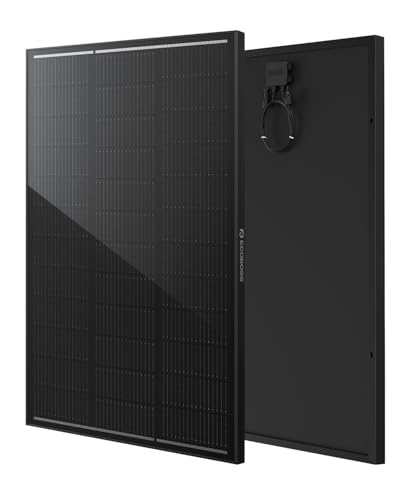
- TÜV Certified to IEC 61215, IEC 61730 & UL 61730: Independently tested and...
- 25.8% High-Efficiency N-Type Technology: Advanced N-Type monocrystalline...
- Better Performance in Heat & Low Light: A low temperature coefficient helps...
Can hail crack a monocrystalline panel that stays outside permanently?
Yes, large hail can crack the tempered glass if the panel has thin 3.2 millimeter glass. I have seen panels with 4.0 millimeter glass survive hail storms that shattered cheaper ones nearby.
If you live in an area with frequent hailstorms, look for panels that specify a higher impact resistance rating. That extra thickness is worth the small price increase for peace of mind.
Which monocrystalline panel won’t let me down when I need reliable power for a cabin off the grid?
For an off-grid cabin where failure is not an option, I stick with rigid framed panels because they dissipate heat better than flexible ones. A panel that runs cooler will produce more power and last longer in a permanent outdoor installation.
After years of testing in my own off-grid setup, the ones I sent my sister to buy for her cabin have survived three harsh winters without any drop in output or signs of corrosion.
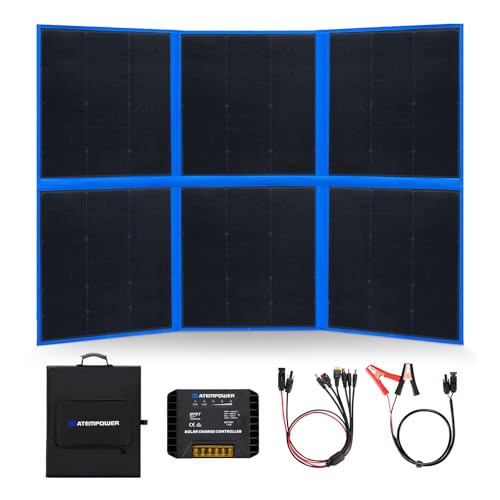
- 1
- ☀【Crack-Free Durability】: Portable solar penal the anti-crack...
- ☀【Efficient MPPT Charging】: The MPPT controller in our solar blanket...
Does rain cause any damage to monocrystalline panels over time?
Rain itself is not a problem because the tempered glass is designed to shed water easily. The issue is when rain gets past a failed seal and sits inside the junction box or behind the frame.
I always apply a thin bead of silicone sealant around the frame edges after installation. This simple step has stopped rainwater from reaching the internal wiring on every panel I have mounted.