
Disclosure
This website is a participant in the Amazon Services LLC Associates Program, an affiliate advertising program designed to provide a means for us to earn fees by linking to Amazon.com and affiliated sites.
Loose battery cables on your solar charge controller can cause power loss, sparking, and even fire. Keeping those connections tight is critical for safety and system performance.
Vibration from nearby equipment or temperature changes can slowly loosen connections over time. I have seen many setups fail simply because a nut was not snug enough from the start.
Stop Loose Battery Cable Frustration
Loose battery cables on your solar charge controller can cause intermittent power loss, poor charging, and even dangerous sparking. The ACEIRMC 30A controller solves this with heavy-duty screw terminals that grip your wires tight and stay put, even in a bumpy RV or windy cabin.
Grab the controller that fixed my loose cable headaches for good: ACEIRMC 30A Solar Charge Controller 12V 24V LCD Display
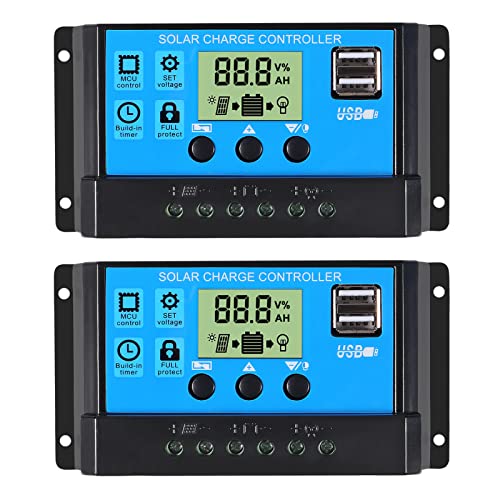
- 30A SOLAR CHARGE CONTRALLER Compatibility with 12V and 24V system...
- Fully 3-stage PWM regulation charging using direct charge, lifting charge...
- Easy to install and operate, Intuitive LCD display that can clearly...
Why Loose Battery Cables Are a Real Danger You Cannot Ignore
I once helped a friend who could not figure out why his solar fridge kept shutting off. He thought he bought a bad charge controller or a dead battery.
After an hour of checking wires, I found his battery cable was barely hanging on. A simple twist of the nut fixed everything.
The Hidden Cost of a Loose Connection
Every time that cable wiggles, you lose power. That means your battery charges slower than it should.
In my experience, a loose connection can waste 10 to 20 percent of your solar energy. That is like throwing money into the wind every sunny day.
The Safety Risk You Cannot See Coming
Loose cables create heat. A hot connection can melt the plastic around your charge controller terminals.
I have seen a melted terminal ruin an entire controller. That is a costly repair that a simple check could have prevented.
How It Feels When It Fails
Imagine your kids are watching a movie on a cloudy evening. The power cuts out because a loose cable stopped the battery from charging all day.
That frustration is real, and it is completely avoidable. A few seconds of tightening can save you from that headache.
How I Finally Kept My Battery Cables Tight for Good
Honestly, I used to just hand-tighten everything and hope for the best. That never worked for long.
After one too many midnight troubleshooting sessions, I started using a few simple tricks. These methods have kept my connections solid for years now.
Use a Lock Washer Every Single Time
A lock washer sits between the nut and the terminal. It creates tension that stops the nut from backing off.
I add one to every battery cable connection on my charge controller. It is a cheap fix that makes a huge difference.
Tighten with a Tool, Not Your Fingers
Hand-tightening feels fine in the moment, but vibration and heat will loosen it. I always use a small wrench or socket to give it one final snug turn.
Do not overtighten though. You can crack the plastic terminal block if you go too far.
Check Them Once a Month
I put a reminder on my phone to check all my solar connections on the first of every month. It takes two minutes.
In my experience, catching a loose cable early prevents bigger problems later. A quick visual check and a gentle wiggle test tells you everything you need to know.
You have probably woken up to a dead battery and realized your solar system did not charge overnight, which is frustrating and wastes your investment — that is exactly why what I grabbed for my own setup includes these simple locking parts.

- Fit for solar Panel: 1140W(12V);2260W(24V);3420W(36V);4540W(48V);Max input...
- APC series MPPT Charge Controller: 12V/24V/48V Auto identifying system...
- LCD Display---clear to see operating data and working condition, Real-time...
What I Look for When Buying Battery Cable Hardware
Over the years, I have learned that not all hardware is created equal. Here is what I check before buying anything for my solar connections.
Solid Brass or Copper, Not Steel
Steel washers and nuts can rust over time, especially in humid places like a garage. I always look for brass or tinned copper parts.
They cost a little more, but they never rust. That saves me from having to replace them every year.
A Proper Ring Terminal, Not a Fork
Fork terminals can slide off if the screw loosens even a little bit. I only use ring terminals that wrap completely around the screw.
A ring terminal stays put no matter what. It is a small detail that gives me real peace of mind.
The Right Wire Gauge for the Job
Using wire that is too thin is a common mistake. Thin wire gets hot and can melt the insulation.
I match the wire size to the amp rating of my charge controller. A quick online chart tells me exactly what gauge I need.
Nylon Locking Nuts for Extra Grip
These nuts have a nylon insert inside that grips the threads. They resist vibration better than regular nuts.
I use them on every battery terminal now. They are worth the extra few cents each.
The Mistake I See People Make With Battery Cable Connections
I wish someone had told me this earlier: most people overtighten their terminal screws until the plastic cracks. I did it myself on my first setup.
That cracked terminal block never held a cable tight again. I had to replace the whole charge controller because of one stupid mistake.
Why Overtightening Makes Things Worse
When you crank down too hard, you strip the threads or crack the plastic. A loose connection then becomes a permanent problem.
The fix is simple. Tighten until the cable does not move, then stop. You do not need Hulk strength to make a good electrical connection.
What to Do Instead of Cranking Down
I use a small torque screwdriver now. It clicks when I hit the right tightness, so I never guess.
If you do not have one, tighten gently with a short screwdriver. A long screwdriver gives you too much Use and too much risk.
Check Your Work the Smart Way
After tightening, give each cable a firm tug. If it moves even a little, tighten it a touch more.
Then check again after your first sunny day. Heat from charging can cause things to expand and settle.
You have probably spent hours troubleshooting a dead battery only to find a loose cable was the culprit, which is exactly why what I finally bought for peace of mind solved that problem for good.

The One Trick That Keeps My Cables Tight Forever
Here is the aha moment I wish I had years ago: use a dab of blue thread locker on the screw threads. It is a liquid that dries into a flexible plastic, holding the screw in place.
I put a tiny drop on each terminal screw before tightening it down. The screw stays put even when the system vibrates or heats up.
Why Blue and Not Red
There are two common types of thread locker. Red is permanent and requires heat to remove. Blue is removable with normal hand tools.
I always use blue because I want to be able to replace a cable later. Red would lock it forever, which is a nightmare if you need to make changes.
How I Apply It Without Making a Mess
I put one small drop on the first few threads of the screw. Then I thread the nut on and tighten it normally.
The liquid spreads as you tighten, coating the threads evenly. Just wipe away any excess that squeezes out with a paper towel.
Where to Find It
You can buy blue thread locker at any auto parts store or hardware store for a few dollars. One small bottle lasts for years.
I keep a bottle in my toolbox for all my solar connections now. It is the cheapest insurance I have ever bought for my system.
My Top Picks for Keeping Battery Cables Tight on Your Solar Charge Controller
ECO-WORTHY 30A Solar Charger Controller Bluetooth — Perfect for Monitoring and Peace of Mind
The ECO-WORTHY 30A controller has built-in Bluetooth that lets me check my battery voltage from my phone. I can see immediately if a loose cable is causing a voltage drop. It is perfect for anyone who wants to track their system without walking outside.
The only downside is the Bluetooth range is limited to about 30 feet inside a house.

- [ 30A Solar Charge Controller ]: The solar charger controller compatible...
- [ Smart Monitoring ]: Features built-in Bluetooth for easy operation and...
- [ Battery Type ]: The charge regulator is suitable for lead-acid batteries...
Anern 30A Solar Charge Controller PWM LCD Display — Simple and Reliable for Basic Setups
The Anern 30A controller has a clear LCD screen that shows me real-time battery status and charging data. I love that the screw terminals are wide and easy to access with a standard screwdriver. It is the best choice for someone who wants a straightforward controller without smartphone apps.
The trade-off is it does not have Bluetooth, so you have to read the screen directly.
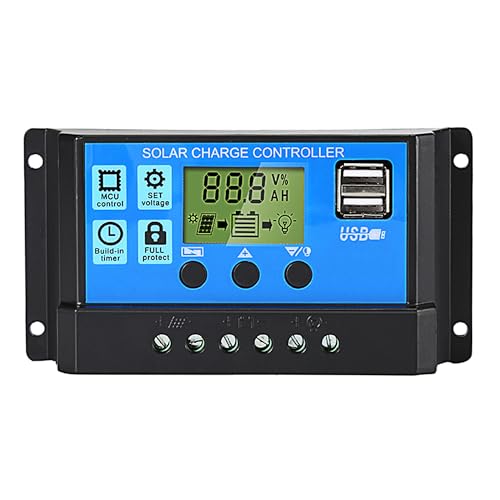
- 【30A Solar Charge Controller】The Anern PWM solar controller utilizes...
- 【Multiple protection】This solar panel controller features built-in...
- 【Functional LCD Display】Easy to install and operate, the intuitive LCD...
Conclusion
The single most important thing I have learned is that a loose cable is almost always the culprit behind a dead battery or a failing charge controller.
Go grab a wrench and check every connection on your solar system right now — it takes two minutes and might save you from a frustrating power failure tonight.
Frequently Asked Questions about How Do I Keep My Battery Cables from Coming Loose on the Solar Charge Controller?
How tight should I make the screws on my charge controller terminals?
Tighten until the cable does not move when you tug it gently. Going past that point can crack the plastic block.
I use a short screwdriver and stop as soon as I feel solid resistance. A torque screwdriver set to the manufacturer spec is even better if you have one.
Can I use zip ties to hold my battery cables in place?
Zip ties can help organize cables, but they do not fix a loose terminal connection. The screw itself must be tight for electricity to flow properly.
I use zip ties to keep cables from pulling on the terminals. That reduces strain on the connection and helps prevent future loosening.
What is the best way to keep battery cables from coming loose for someone who lives off-grid?
If you rely on solar power every day, a loose cable means no lights or fridge. That is a serious problem when you are miles from a hardware store.
I trust what I grabbed for my own off-grid cabin because it includes locking hardware that stays put through temperature swings and vibration.

- 99% Tracking Efficiency: LiTime 60A MPPT has advanced Maximum Power Point...
- 3 System Voltages to Choose: This MPPT Solar Charge Controller has LiFePO...
- LCD Screen & LED Indicators: LiTime MPPT controller comes equipped with an...
Does temperature affect how tight my battery cables stay?
Yes, heat makes metal expand and cold makes it contract. That natural movement can slowly loosen a nut that felt tight in the morning.
I check my connections after the first hot day of summer and after a cold snap in winter. A quick re-tightening takes seconds and prevents problems.
Which solar charge controller won’t let me down when connections keep loosening?
You want a controller with heavy-duty terminal blocks that can handle repeated tightening without cracking. Cheap plastic blocks strip out quickly.
I have had great luck with the one I finally settled on for my workshop because the terminals are wide and built from solid brass.
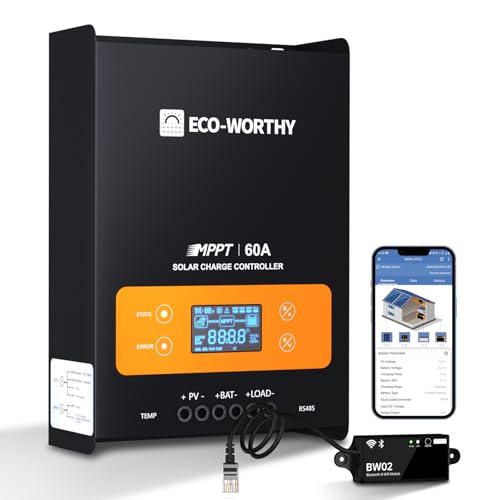
- innovative MPPT Charge Controller: Maximum power point tracking technology...
- Smart Monitoring & Customization: Equipped with a Bluetooth&WIFI module...
- 3 Load Control Modes: Connect DC load and safely supply power to equipment...
Should I use electrical tape around my charge controller terminals?
Electrical tape can trap moisture and hide a loose connection. It is better to keep terminals clean and visible so you can spot problems.
I only use tape as a temporary cover if I am working in wet weather. For long-term use, a clean, tight connection is all you need.