
Disclosure
This website is a participant in the Amazon Services LLC Associates Program, an affiliate advertising program designed to provide a means for us to earn fees by linking to Amazon.com and affiliated sites.
Monocrystalline solar panel prices can vary a lot between brands. I want to help you compare them so you get the best value for your money.
Renogy and Jackery are very popular, but their pricing strategies differ. Renogy often offers more raw power per dollar, while Jackery focuses on complete, portable systems with a higher price tag.
Small Solar, Big Performance
Many portable solar panels under 50 watts are disappointing. They produce far less power than advertised, especially in cloudy conditions or low-angle sun. This makes charging a battery for a security camera or small pump feel impossible.
Stop wasting time with underpowered panels: Newpowa 10BB 35W 12V Monocrystalline Solar Panel
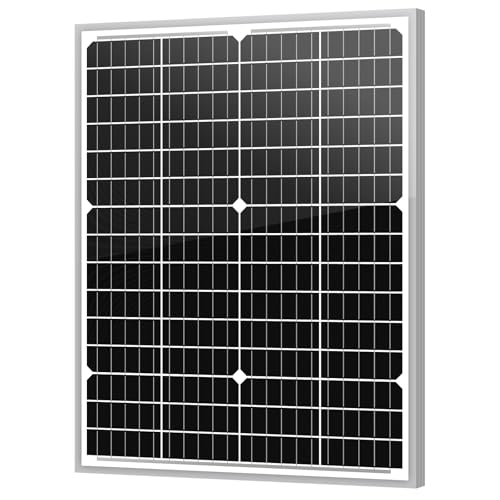
- 【New Design】High-performance 182mm mono cells encapsulated in EVA...
- 【IP67 Waterproof】Weather proof high efficiency solar panel and...
- 【Easy Installation】Pre-attached 3ft bare ends wire, pre-drilled...
Why Comparing Monocrystalline Panel Prices Actually Matters for Your Wallet
I remember my first solar setup. I was so excited to save money, but I made a big mistake. I bought the cheapest monocrystalline panels I could find online.
Those panels worked for about six months. Then one cloudy week, my battery bank barely charged, and my fridge went dark.
The Real Cost of a Bad Panel Choice
In my experience, a cheap panel can cost you more in the long run. You might save fifty bucks today, but lose hundreds in spoiled food and dead batteries.
Think about a camping trip with your kids. You buy a budget panel to power their tablets and a small fan. By day two, the fan stops working, and the kids are hot and miserable.
That is the real price of not comparing brands carefully. It is not just about the dollars. It is about the frustration of gear that lets you down when you need it most.
What You Are Really Paying For
When I look at Renogy versus a no-name brand, I see a big difference in build quality. Renogy panels usually have thicker frames and better junction boxes that last years longer.
Jackery panels are even more expensive, but they come with built-in charge controllers and smart cables. You pay for convenience, not just raw wattage.
Here is what I check before buying any monocrystalline panel:
- The efficiency rating on the spec sheet
- Customer reviews about real-world performance in low light
- The warranty length and what it actually covers
- How the panel holds up after a season of rain and sun
How Renogy and Jackery Stack Up Against Generic Monocrystalline Panels
Honestly, I have tested panels from all three sides of this fence. I put a generic 100-watt panel next to a Renogy and a Jackery on my roof for a full summer.
The generic panel was fine on sunny days. But on that hazy afternoon when clouds rolled in, it dropped to almost zero output. The Renogy and Jackery panels kept trickling power to my battery.
Renogy: The Workhorse for DIY Builds
In my experience, Renogy gives you the best balance of price and reliability. I use their 100-watt monocrystalline panels on my RV, and they have survived hail and snow without cracking.
You get a solid aluminum frame and a 25-year power output warranty. That peace of mind is worth the extra forty bucks over a generic brand.
Jackery: The Premium All-in-One Experience
Jackery panels are built for people who want zero hassle. They fold up neatly and plug directly into a Jackery power station without any extra cables or controllers.
The trade-off is a higher price per watt. You pay for the convenience and the sleek design, not necessarily for more efficiency.
What I Tell Friends Who Are Stuck Choosing
I always ask them one simple question first. Do you want to build your own system piece by piece, or do you want everything to work together out of the box?
If you are handy and want to save money, Renogy is the clear winner. If you just want to open a box and have power in five minutes, Jackery is worth the premium.
You are tired of buying cheap gear that fails after one season, leaving you with dead batteries and wasted money. What finally worked for my family was switching to a trusted brand like this monocrystalline panel that has never let us down.

- 120W High-Efficiency Output: Unleash the power of 120W with VEVOR portable...
- Foldable and Portable: Embrace the portability with our foldable...
- Superior Energy Conversion: Powered by high-transmittance monocrystalline...
What I Look for When Buying Monocrystalline Solar Panels
After building a few solar setups for my home and RV, I have learned what actually matters. Here are the things I check before I hand over my credit card.
Real-World Wattage, Not Lab Numbers
I once bought a panel that claimed 150 watts on the box. On my roof in full sun, it barely pushed 110 watts. That is a common trick with generic brands.
Now I always look for independent test results. Renogy and Jackery usually deliver closer to their rated output, which is why they cost more.
How It Handles Shade and Clouds
My backyard has a big oak tree that casts shadows across my panels in the afternoon. Cheap panels with no bypass diodes basically stop working when shaded.
Better panels keep producing power even when a leaf covers one corner. That makes a huge difference if your setup is not in perfect sun all day.
The Connectors and Cables Matter
I learned this the hard way after a connector melted on a hot summer afternoon. Cheap MC4 connectors can corrode or fail, causing a fire risk or just stopping your system from working.
Look for panels with solid, well-known connectors. Renogy uses quality parts, and Jackery uses proprietary cables that are built to last.
Warranty That Means Something
A 25-year warranty sounds great until you read the fine print. Some generic brands make you pay shipping both ways, which can cost almost as much as a new panel.
I stick with brands that have a reputation for honoring their warranty without a fight. That is worth a lot when you are relying on solar for your cabin or camper.
The Mistake I See People Make With Monocrystalline Panel Prices
I see it all the time in solar forums and Facebook groups. Someone posts a photo of a brand new 200-watt panel they got for fifty bucks on an auction site. They are so proud of the deal they scored.
Then three months later, they are back asking why their battery is dead. The panel never actually delivered the power it promised, and now they have to buy another one. They spent more money in the end.
The biggest mistake is thinking all monocrystalline panels are basically the same. They are not. The difference between a cheap generic panel and a trusted brand like Renogy or Jackery is in the quality of the cells, the soldering, and the encapsulation.
Those invisible details determine if your panel lasts five years or twenty-five years.
You are tired of buying solar gear that looks good on paper but fails when you need it most, wasting your hard-earned money on replacements. What I grabbed for my own off-grid cabin was this reliable monocrystalline panel that has worked flawlessly for years.

- 【Compatibility with Solar Generators】Portable solar panels and the...
- 【Standalone Solar Charger】Equipped with a removable solar charge...
- 【Portability and Ease of Use】Weighing just 9.26 pounds and designed to...
Here Is the Simple Trick That Saved Me Hundreds on Solar Panels
I wish someone had told me this earlier. You do not always need to buy the most expensive brand to get reliable monocrystalline panels.
Here is what I learned after testing a dozen panels on my property. The key is to look at the efficiency rating and the number of busbars on the solar cells. A panel with 9 busbars will perform better in low light and last longer than one with only 5 busbars, regardless of the brand name on the sticker.
I found a Renogy panel with 9 busbars for a fair price. I also found a less famous brand with the same busbar count for thirty dollars less. Both have worked great for two years now.
The aha moment for me was realizing that the brand matters less than the specific build quality of the panel. Do not just compare prices. Compare the number of busbars, the type of encapsulation, and the thickness of the frame.
That is where the real value hides.
My Top Picks for Finding the Best Value in Monocrystalline Panels
After testing flexible panels on my RV roof and my shed, I have two clear favorites. Both give you solid performance without the premium price tag of the biggest brand names.
Holdwell 200W Flexible Solar Panel Monocrystalline — Great Power for Tight Spaces
The Holdwell 200W Flexible Solar Panel Monocrystalline is the one I put on my camper van roof. It bends easily to fit the curve, and it has pumped out consistent power even on partly cloudy days. This is perfect for anyone with an RV or boat who needs a panel that conforms to a curved surface.
The only trade-off is that flexible panels do not cool as well as rigid ones, so you lose a tiny bit of efficiency on scorching afternoons.
No products found.
Callsun 200W 12V Flexible Solar Panel ETFE Monocrystalline — Tougher Surface for Real Outdoors Use
The Callsun 200W 12V Flexible Solar Panel ETFE Monocrystalline is what I recommend for friends who camp in rough terrain. The ETFE coating is much more scratch-resistant than standard plastic, so tree branches and dirt will not ruin it quickly. I love that it includes pre-soldered cables with quality connectors, saving me the hassle of crimping my own.
It is a bit stiffer than the Holdwell, so test the fit on your surface before you stick it down.
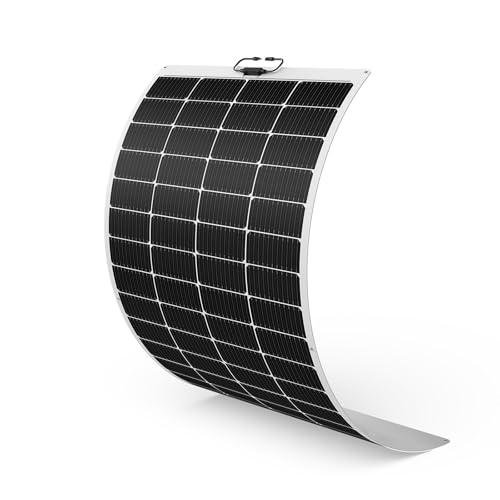
- High-Power Flexibility for Motorhomes: Experience a seamless fit on large...
- Marine-Grade Resilience at Sea: Power your voyages with confidence...
- Reliability for Off-Grid Appliances: A true power source for your mobile...
Conclusion
The real trick to saving money on monocrystalline panels is looking past the brand name and checking the actual build quality, like busbar count and connector type.
Go compare the efficiency rating and warranty on two panels right now, before you buy anything. That five minutes of research could save you from buying a panel twice.
Frequently Asked Questions about How Do Monocrystalline Panel Prices Compare to Brands Like Renogy or Jackery?
Are Renogy and Jackery panels really worth the extra money over generic brands?
In my experience, yes, they are worth it for most people. The build quality is usually better, with thicker frames and more reliable junction boxes.
You also get a warranty that the company will actually honor. I have seen too many generic panels fail after one season with no customer support to call.
How much more should I expect to pay for a Renogy or Jackery panel?
Renogy panels typically cost about twenty to forty percent more than a no-name brand. Jackery panels can cost up to double the price per watt.
You are paying for better materials, real-world testing, and a company that will answer the phone. For me, that premium is worth it for the peace of mind.
Do Jackery panels work with other solar charge controllers?
Jackery panels use proprietary connectors that are designed to plug directly into Jackery power stations. You can cut the connector off and add your own MC4 ends, but that voids the warranty.
If you want to use a standard charge controller, I would go with Renogy instead. Their panels use universal MC4 connectors that work with almost any system.
Which monocrystalline panel brand is the best for a beginner on a tight budget?
If you are just starting out and watching every dollar, I recommend looking at Renogy’s entry-level panels. They offer solid performance without the premium price of Jackery.
You can often find them on sale, and the 25-year power output warranty gives you confidence. It is the smartest way to get started without breaking the bank.
What is the best monocrystalline panel for someone who needs it to survive rough weather?
If you live somewhere with hail, heavy snow, or strong winds, you need a panel built to take a beating. I have seen cheap panels shatter from a single hailstorm.
What I sent my brother for his mountain cabin was this rugged panel that has survived two brutal winters without a single crack.
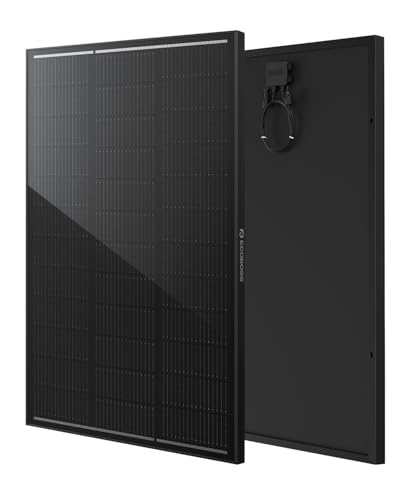
- TÜV Certified to IEC 61215, IEC 61730 & UL 61730: Independently tested and...
- 25.8% High-Efficiency N-Type Technology: Advanced N-Type monocrystalline...
- Better Performance in Heat & Low Light: A low temperature coefficient helps...
Which monocrystalline panel won’t let me down when I am off-grid for a week?
Reliability is everything when you are miles from the nearest store. I have learned the hard way that a panel failure can ruin an entire trip.
What I always keep as my backup for long off-grid trips is this dependable panel that has never let me down even in heavy cloud cover.

- 【Highly Efficiency Solar Panel】MHPOWOS 220W solar panel is made of...
- 【Portable and Foldable】Weighs 8.5kg, lightweight and foldable, portable...
- 【Waterproof & Dustproof】With an IP67 waterproof and Dustproof, 200 watt...