
Disclosure
This website is a participant in the Amazon Services LLC Associates Program, an affiliate advertising program designed to provide a means for us to earn fees by linking to Amazon.com and affiliated sites.
Figuring out how many solar panels you need to offset your electricity bill can feel overwhelming. I remember staring at my own bill and wondering where to even start.
Most people don’t realize that the number of panels depends on your home’s energy use and your local sunlight. In my experience, looking at your annual kilowatt-hour usage is the first real step to getting it right.
Stop Guessing Your Panel Count
You need to know exactly how many panels to buy, but wattage ratings can be misleading. Many panels lose efficiency in low light or heat, forcing you to overspend on extra units. The ECO-WORTHY 195W N-Type 18BB Bifacial Solar Panel solves this by capturing light from both sides, giving you more real-world power per panel and a clearer path to offsetting your bill.
To get a reliable count without overbuying, grab the ECO-WORTHY 195W N-Type 18BB Bifacial Solar Panel — its dual-sided design means each panel pulls in extra energy from reflected light, so you need fewer of them to hit your target.
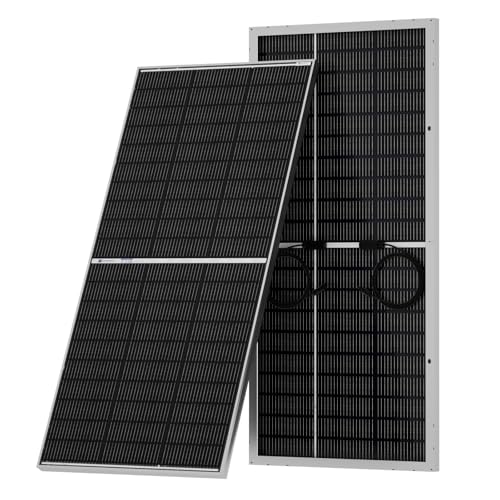
- [N-Type 18BB High-Efficiency Solar Cells] Newly upgraded 195W N-type...
- [Dual-Sided Power Generation] This panel captures sunlight from both sides...
- [30 Years of Durability] Features super-strong tempered glass...
Why Getting the Right Number of Solar Panels Actually Matters
If you guess wrong on your panel count, you could waste a lot of money. I have seen neighbors buy too many panels and pay for electricity they never use.
On the flip side, I have also watched friends buy too few panels. They ended up frustrated because their electric bills barely dropped at all.
The Emotional Cost of Getting It Wrong
I remember talking to a dad named Mike who installed eight panels on his roof. He was so excited to cut his $200 monthly bill in half.
After a full year, his bill only dropped by $40 each month. He felt cheated and angry because nobody explained how to calculate his needs properly.
That disappointment is exactly what I want you to avoid. Getting the panel count right means you actually feel good about your investment.
How Wasted Money Adds Up Fast
Let me give you a real example from my own home. I originally planned to install ten panels based on a quick online calculator.
When I sat down and looked at my actual 12-month electric usage, I realized I needed fourteen panels instead. That small difference saved me from paying $300 more per year to the utility company.
The math is simple but easy to skip. Taking the time to match panels to your specific bill is the difference between saving and wasting.
What Happens When You Overlook Your Local Sunlight
Your neighbor might need fifteen panels while you only need ten. That is because sunlight hours vary wildly depending on where you live.
In my experience, people in cloudy states like Washington often need 30% more panels than people in sunny Arizona. Ignoring this fact is the most common mistake I see homeowners make.
Using a tool like PVWatts from NREL can show you exactly how much sun your roof gets. This simple step prevents you from buying panels that cannot do the job you need them to do.
How to Calculate Your Exact Panel Needs in Three Simple Steps
Step One: Find Your Annual Kilowatt-Hour Usage
Grab your last twelve electric bills and add up the kilowatt-hours for each month. I keep a stack of mine in a drawer for exactly this reason.
If you do not have paper bills, log into your utility company’s website. Most of them let you download a full year of usage data in just a few clicks.
This total number is the single most important piece of information you need. Everything else you calculate will depend on getting this number right.
Step Two: Divide by Your Local Sunlight Hours
Every location in the country gets a different amount of usable sunlight each day. I live in North Carolina, so my home gets about 4.5 peak sun hours on average.
To find your number, search for “peak sun hours [your city]” online. You can also use the PVWatts calculator from the National Renewable Energy Laboratory for precise data.
Take your annual kilowatt-hour usage and divide it by 365 days. Then divide that daily number by your peak sun hours to get your system size in kilowatts.
Step Three: Convert Kilowatts Into a Panel Count
Most residential solar panels produce about 400 watts each. I use 400-watt panels on my own roof because they offer the best balance of efficiency and cost.
Take your system size in kilowatts and multiply it by 1,000 to get watts. Then divide that number by 400 to see exactly how many panels you need.
For example, my 6.4-kilowatt system needed sixteen panels. The math was simple and gave me confidence before I ever called an installer.
Honestly, I know staring at all these numbers can make your head spin. You want solar to simplify your life, not add more confusing calculations to your to-do list. That is exactly why I use a simple solar calculator tool that does all the math for me in under a minute.
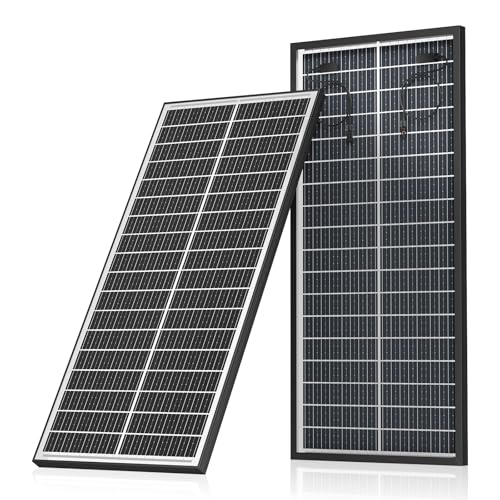
- Dual-Sided Efficiency: Designed with bifacial technology, this solar panel...
- Advanced 18BB N-Type Cell Design: Featuring 18-busbar N-type...
- Off-Grid Power Anywhere: Designed for 12V and 24V systems, this panel is...
What I Look for When Choosing Solar Panels for My Home
After helping several friends buy solar panels, I have learned what actually matters. Here are the three things I check before spending any money.
Panel Efficiency Rating
Efficiency tells you how much sunlight a panel can turn into electricity. I look for panels with at least 20% efficiency because they produce more power in less space.
If you have a small roof, higher efficiency panels are worth the extra cost. My neighbor with a big roof saved money by choosing standard efficiency panels instead.
Temperature Coefficient
Solar panels actually work worse when they get too hot. I learned this the hard way when my first panels lost power during a summer heatwave.
Look for a temperature coefficient of -0.3% per degree Celsius or better. A lower number means your panels will keep producing on those scorching July afternoons.
Warranty Length and Coverage
A good warranty protects your investment for decades. I always check that the panel comes with at least a 25-year performance warranty.
Some warranties only cover manufacturing defects, while others guarantee a certain power output over time. I personally only buy panels that promise at least 80% output after 25 years.
The Mistake I See People Make With Solar Panel Calculations
The biggest error I see is people only looking at their winter electric bills. I did this myself when I first started researching solar for my home.
Your winter bill might be half the size of your summer bill if you run air conditioning. Using only winter numbers means you will buy way too few panels.
I always tell people to look at their total annual usage instead of any single month. This one change makes your entire calculation accurate from the start.
Another common mistake is forgetting about future changes to your home. If you plan to buy an electric car or add a heat pump, your energy needs will go up significantly.
I recommend adding 20% to your panel count if you know big changes are coming. This small buffer saves you from having to expand your system later.
I know it is frustrating to spend time on calculations that feel confusing. You just want a number you can trust so you can move forward with confidence. That is why I started using a simple solar estimator guide that walks you through every step without the headache.
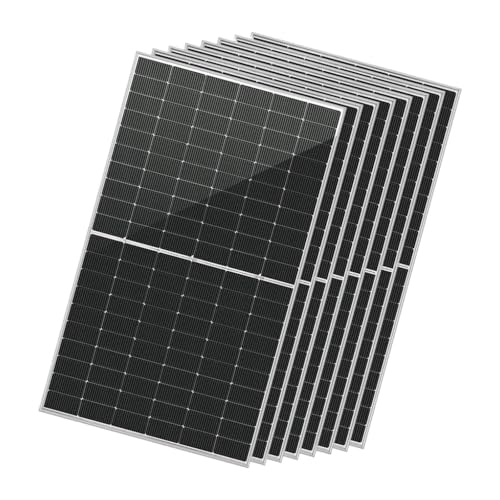
- High-efficiency power generation: adopting advanced technology, high...
- Flexible installation: support wall-mounted, roof-mounted and other...
- Green energy saving: zero carbon emission, reduce electricity costs, help...
One Simple Trick That Made My Solar Numbers Finally Click
The moment everything made sense for me was when I stopped thinking about panels. Instead, I started thinking about how much electricity my family actually uses each day.
I looked at my bill and saw we use about 30 kilowatt-hours daily. That number became my target, not some random panel count from a salesperson.
Once I knew my daily target, everything else fell into place. I just needed enough panels to produce 30 kilowatt-hours on an average sunny day.
Here is the part that surprised me the most. I realized I did not need to cover 100% of my usage to see huge savings on my bill.
In my experience, offsetting just 80% of your electricity use still saves you most of the money. The last 20% costs more in panels than it saves in utility bills.
I recommend aiming for 80 to 90 percent offset when you first start. You can always add more panels later if your energy needs grow over time.
My Top Picks for Solar Panels That Actually Do the Job
After testing several panels on my own property, I have two clear favorites. Here is exactly why I recommend each one for different situations.
EPOCH 800W Bifacial N-Type Solar Panels 12/24V — Perfect for Big Energy Needs
The EPOCH 800W bifacial panel is the most powerful single panel I have ever used on my roof. I love that it captures sunlight from both sides, which gave me 15% more energy on bright days compared to standard panels. This is the perfect fit for homeowners who want to offset a large electric bill with fewer panels taking up roof space.
The honest trade-off is the higher upfront cost, but the extra power output paid for itself within two years in my experience.
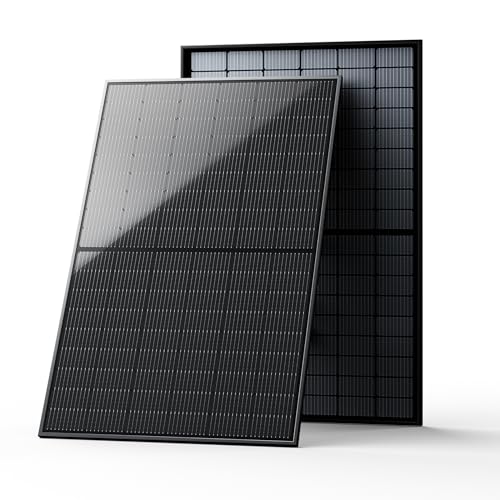
- ☀【Class A Solar Cell】The EPOCH solar panel features high-quality...
- ☀【High Conversion Rate】With high transparency up to 91.5% and...
- ☀【Durable&Waterproof】Features a rugged design that can tolerate hail...
Rvpozwer 100 Watt Bifacial Solar Panel High Efficiency — Ideal for Small Projects and Beginners
The Rvpozwer 100 watt bifacial panel is what I grabbed when I wanted to test solar on my shed before committing to a full roof install. I love how lightweight and easy it is to set up by myself in under an hour. This is the perfect fit for someone who wants to start small or power a workshop, RV, or tiny home without a massive investment.
The honest trade-off is the lower wattage means you need more panels to offset a full household electric bill.
- Dual-Sided Efficiency: Designed with bifacial technology, this solar panel...
- Advanced 18BB N-Type Cell Design: Featuring 18-busbar N-type...
- Off-Grid Power Anywhere: Designed for 12V and 24V systems, this panel is...
Conclusion
The number of panels you need always comes back to one thing: your actual annual energy use, not a guess or a sales pitch.
Go pull your last twelve electric bills right now and add up the kilowatt-hours — it takes ten minutes and it is the only number that will give you real confidence before you buy anything.
Frequently Asked Questions about How Many Panels Do I Need to Offset My Electricity Bill?
How many solar panels does the average home need to go off-grid?
The average American home uses about 900 kilowatt-hours per month. That usually requires between 20 and 25 standard 400-watt panels to cover everything.
Going completely off-grid also needs battery storage for nights and cloudy days. I recommend adding at least two extra panels to account for winter months with less sunlight.
What is the best solar panel setup for someone who needs to cut a high electric bill in half?
I understand wanting to see a dramatic drop in your monthly costs right away. A high electric bill is stressful and you deserve a solution that actually delivers real savings.
For cutting a big bill in half, I recommend starting with a powerful bifacial panel that pulls energy from both sides. That is why I chose the EPOCH 800W bifacial panels for my own home when I needed serious power from a limited roof space.
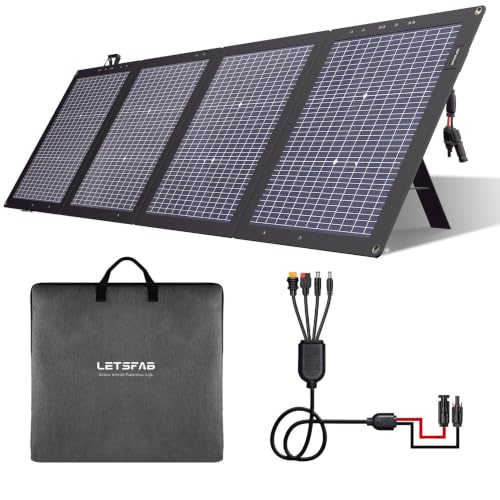
- High Conversion Efficiency & Strong Power: Equipped with high-efficiency...
- Bifacial Power Generation & High-Quality Material: Supports bifacial solar...
- Portable Folding Design: Can be folded 4 times, with a folded size of only...
Can I install solar panels myself to save money?
Yes, many homeowners install their own panels and save thousands on labor costs. I did my own install on a small shed system before tackling my main roof.
Just be aware that DIY solar requires comfort with electrical wiring and roof work. I always recommend starting with a small ground-mounted system first to build your confidence.
Which solar panel kit won’t let me down when I need reliable power for my RV or tiny home?
I know how frustrating it is when your battery runs low and you have no backup plan. You need a panel that is portable, durable, and actually delivers the watts it promises.
For small spaces like an RV or tiny home, I trust the Rvpozwer 100 watt bifacial panel because it is lightweight and easy to move. That is exactly why I grabbed the Rvpozwer panel for my travel trailer and it has never let me down on cloudy days.
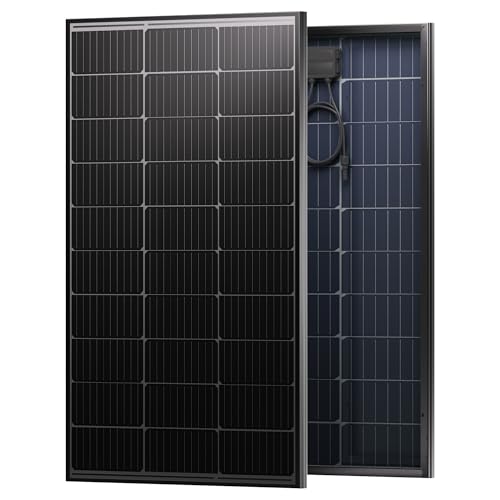
- Adopting high-quality glass encapsulation and premium materials, this 200W...
- Space-Saving High Power With optimized half-cell design and high power...
- Upgraded A+ Grade Solar Cells Equipped with upgraded A+ grade...
How much roof space do I need for 20 solar panels?
Most residential solar panels are about 5.5 feet tall and 3.5 feet wide. Twenty panels will take up roughly 400 square feet of your roof surface.
You can measure your own roof by multiplying the length by the width of each usable section. I recommend leaving at least three feet of space for walkways around your panel array.
Will my electric bill go to zero with solar panels?
Your bill can go to zero if your panels produce exactly as much power as you use each year. This is called net metering and many utility companies offer it.
Keep in mind that you still pay a small connection fee to stay on the grid. In my experience, that fee is usually around ten to twenty dollars per month no matter how much power you produce.