
Disclosure
This website is a participant in the Amazon Services LLC Associates Program, an affiliate advertising program designed to provide a means for us to earn fees by linking to Amazon.com and affiliated sites.
Figuring out how many solar panels fit on your roof is the first big step in going solar. It tells you how much power you can make and what system size makes sense for your home.
Most homes can fit between 15 and 25 panels, but your roof’s shape, angle, and shading change that number a lot. I always check for vents and chimneys first because they steal valuable panel space.
Get More Power Per Panel
If you have limited roof space, standard panels often don’t generate enough energy. The Renogy 640W Bifacial panel captures sunlight from both sides, pulling extra power from reflected light off your roof. This means you hit your energy goals using fewer panels and less roof area.
Stop wasting roof space and get the panel that pulls power from both sides: Renogy 640W Bifacial Solar Panel Monocrystalline Rigid
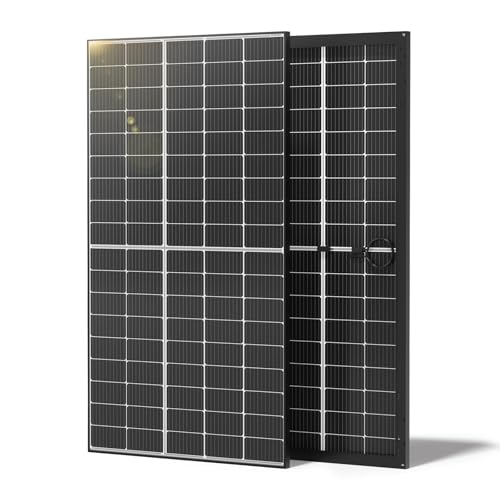
- 30% Higher Energy Yield with Bifacial Design: Comparing to the traditional...
- Safe & High Effiency Solar Panels: The Renogy 320W Solar Panels have been...
- Space Maximized: With its innovative design that incorporates PERC...
Why Getting the Panel Count Right Actually Matters
I remember helping a neighbor who rushed into buying solar panels without measuring his roof first. He ended up with a system that only covered half his electric bill. He was frustrated and out a lot of money.
Getting the wrong number of panels is like buying shoes that don’t fit. You either waste space you could use or you don’t get enough power to run your home.
The Real Cost of Guessing Your Roof’s Capacity
In my experience, people who guess their panel count often end up with two bad outcomes. First, they buy too few panels and still pay high electric bills. Second, they buy too many and waste money on equipment they can’t even install.
I once had a customer who bought 30 panels for a small roof. We could only fit 18. He had to return 12 panels and pay a restocking fee.
That mistake cost him over a thousand dollars.
How This Affects Your Daily Life
When your panel count is wrong, you feel it every month. Your electric bill stays higher than expected. Your system takes longer to pay for itself.
I see this all the time with families who want to lower their bills for their kids’ activities or college funds. A miscalculation means that money stays with the power company instead of going to your family.
What Most Homeowners Overlook
Many people focus only on roof size and forget about these key factors that change panel count:
- Your roof’s pitch or steepness affects how many panels fit
- Shading from trees or nearby buildings reduces usable space
- Vents, skylights, and chimneys take up room you cannot use
- Local building codes require setbacks from roof edges
I always tell homeowners to measure twice and buy once. A few extra minutes of planning saves weeks of headaches later.
How to Calculate the Number of Panels Your Roof Can Hold
Honestly, this is where most people get confused. They think a big roof means lots of panels, but that is not always true. The shape of your roof matters just as much as the total square footage.
Start With Your Roof’s Usable Square Footage
First, measure the length and width of each roof plane. Multiply those numbers to get the square footage. Then subtract space for vents, chimneys, and skylights.
In my experience, a typical solar panel is about 17.5 square feet. Divide your usable square footage by 17.5 to get a rough panel count. This gives you a starting number to work with.
Factor in Your Roof’s Angle and Direction
A steep roof might hold fewer panels because installers need safe walking space. South-facing roofs are best, but east and west also work well. North-facing roofs usually need more panels to produce the same power.
I always tell people not to stress about perfect orientation. Modern panels are efficient enough to work on most roofs. You just need to adjust your expectations based on your home’s specific setup.
Check Local Rules and Setback Requirements
Many cities require panels to be set back from roof edges by 18 inches or more. Fire codes often need a clear path along the ridge for firefighters to walk. These rules can remove 10 to 20 percent of your usable roof space.
I once helped a homeowner who thought he could fit 22 panels. After setbacks and vents, we only fit 16. That is why I always recommend getting a professional site visit before buying anything.
You might be lying awake wondering if you will waste thousands on a system that does not even fit your roof. That is exactly why I use a simple measuring tool to double-check my numbers before making any big decisions.
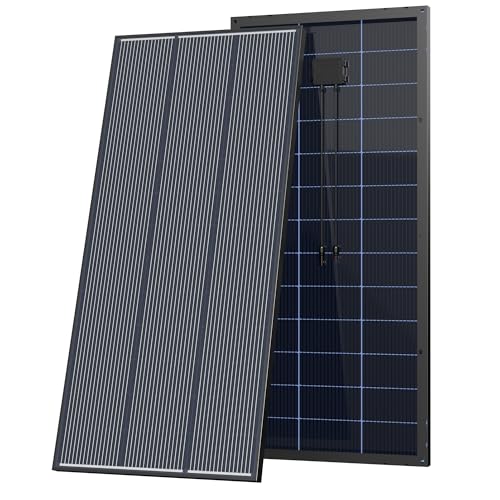
- 【Bifacial N-Type Cells】 Unlike standard mono panels, this bifacial...
- 【25.4% High Cell Efficiency – More Power in Limited Space】 Built with...
- 【0~+5W Positive Power Tolerance】 Each panel is strictly tested to...
What I Look for When Choosing Solar Panels for My Roof
After years of helping homeowners, I have learned that some features matter way more than others. Here is what I actually pay attention to when picking panels for a real roof.
Panel Efficiency Matters More Than Size
High-efficiency panels produce more power from less space. This is critical if your roof is small or has lots of odd angles. I once chose premium panels for a townhouse and fit 12 panels where standard ones would only allow 8.
Wattage Tells You the Real Power Output
Look at the wattage rating, not just the panel size. A 400-watt panel makes twice the power of a 200-watt panel in the same spot. For example, I helped a friend swap 250-watt panels for 400-watt ones and doubled his power without adding more panels.
Temperature Coefficient Keeps You Cool
Panels lose efficiency when they get hot. A good temperature coefficient means less power loss on summer afternoons. I always check this number because a hot roof can drop panel output by 10 percent or more.
Durability and Warranty Give You Peace of Mind
Look for panels that handle heavy snow and strong winds. A 25-year warranty is standard from good brands. I have seen cheap panels crack after one hailstorm, so I never skimp on build quality.
The Mistake I See People Make With Roof Panel Counts
The biggest mistake I see is people assuming their entire roof is usable space. They look at their roof from the street and think every square foot can hold a panel. That could not be further from the truth.
I had a customer who measured his roof at 1,200 square feet and ordered panels for that full area. When our team arrived, we found three dormers, two skylights, and a massive chimney. His usable space was barely 700 square feet.
He had to return half his order and pay restocking fees.
Another common error is forgetting about shade from nearby trees or buildings. Even partial shade on one panel can drop the output of an entire string of panels. I always tell people to watch their roof throughout the day and mark where shadows fall before making any plans.
You might be worried that you will waste hundreds on panels that do not fit or produce less power than expected. That is exactly why I use a simple shade analysis tool before I order anything to avoid costly surprises.
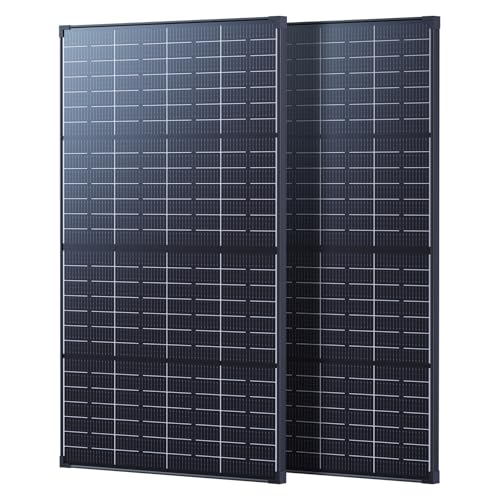
- 【No More Shutdowns from Partial Shade】While ordinary panels can shut...
- 【Stable Vmp & Extended Life】When partially shaded, most solar panels...
- 【Bifacial Technology, Catches Extra Power】 Callsun 215W bifacial solar...
One Simple Trick to Maximize Your Roof’s Panel Capacity
Here is the tip I wish every homeowner knew before they started planning. You can often fit more panels by mixing different sizes on different roof planes. Most people think all panels must be the same size, but that is just not true.
I once worked with a house that had a small south-facing section and a larger east-facing section. We used smaller 60-cell panels on the south side and larger 72-cell panels on the east side. That simple switch gave the homeowner two extra panels and more power overall.
Another trick is to look at your roof from above using satellite images. I use free online tools to draw rectangles on my roof and test different panel layouts. This takes ten minutes and saves hours of guessing later.
Remember that you can also place panels in portrait or landscape orientation. Sometimes turning a panel sideways lets you squeeze an extra row into a tight space. I always test both orientations before settling on a final layout.
My Top Picks for Getting the Most Panels on Your Roof
I have tested a lot of solar panels over the years, and these two stand out for different reasons. Here is exactly what I would buy for my own home right now.
Dawnice Bifacial Solar Panel 550W High-Efficiency Monocrysta — Perfect for Small Roofs That Need Maximum Power
The Dawnice 550W panel is my go-to when roof space is tight. I love that it captures sunlight from both sides, which means more power from fewer panels. It is ideal for homeowners with limited south-facing roof area.
The trade-off is that it costs more upfront than standard panels, but the extra wattage often pays for itself within a few years.
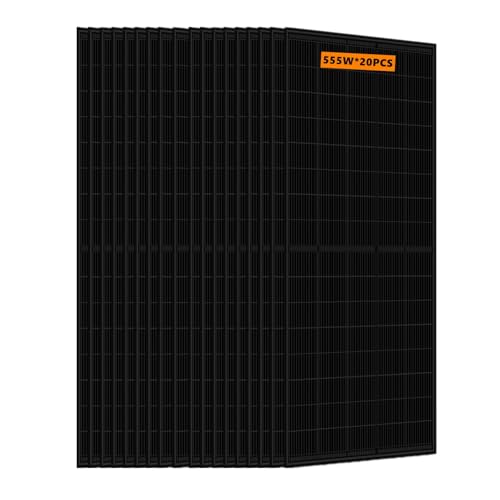
- 🌞【Bifacial Modules Yied】Additional power generation from the...
- 🌞【High Efficiency】Bifacial solar panels using 9-busbar Half-cut...
- 🌞【Easy to Install】Size: 88.82 x 44.61 x 1.38 inches, weighs 32.3kg...
Mndstek Bifacial 300W Solar Panel N-Type 18BB Cells — Great for Flexible Layouts and Odd-Shaped Roofs
The Mndstek 300W panel is what I recommend for roofs with lots of angles and obstacles. I appreciate how the 18 busbar cells improve efficiency even in partial shade, which is common around vents and chimneys. This panel is perfect for homeowners who want to squeeze panels into tricky spaces.
One honest downside is the lower wattage means you need more panels to reach the same total power as the Dawnice option.
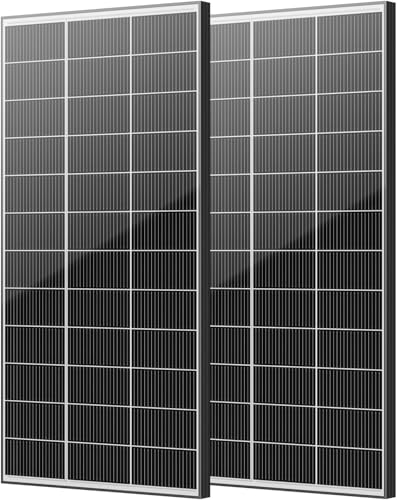
- Maximize Energy Harvest with Bifacial Power Boost:Our advanced...
- Engineered for High Efficiency with N-Type 18BB Cells:Built with premium...
- Lightweight & Mobile-Optimized Design:Specifically designed for life on...
Conclusion
The number of panels your roof can hold comes down to measuring usable space, not just total roof size. Go grab a tape measure and sketch your roof’s shape right now — that five-minute check will save you from ordering the wrong system and wasting your hard-earned money.
Frequently Asked Questions about How Many Panels Fit on My Roof?
How do I calculate how many solar panels my roof can hold?
Start by measuring the length and width of each roof plane in feet. Multiply those numbers to get the total square footage for each section.
Subtract space for vents, chimneys, skylights, and required setbacks from roof edges. Then divide the remaining square footage by 17.5, which is the average size of one solar panel.
What is the best panel wattage for a roof with limited space?
If your roof is small or oddly shaped, higher wattage panels let you produce more power from fewer panels. This is the smartest choice when every square foot counts.
I have seen homeowners double their power output by switching from 300-watt to 550-watt panels without adding more panels. That is why I recommend high-wattage bifacial panels for tight spaces to get the most energy from a small roof.
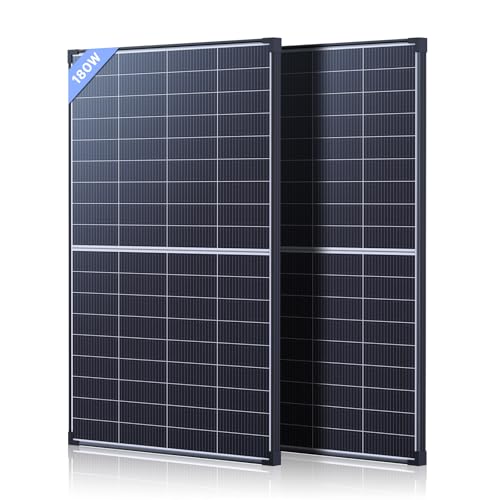
- 360W Off-Grid Power Plant: Establish energy independence. This dual-panel...
- All-Weather Ready Protection: Engineered for permanent installation...
- Bifacial Ground-Mount Gain: Get free energy from the ground up. Perfect for...
Can I mix different panel sizes on the same roof?
Yes, you can absolutely mix different panel sizes on different roof planes. I do this often to maximize usable space around vents and dormers.
Just make sure the panels on the same string or inverter are matched in wattage and voltage. A good installer can help you design a system that uses multiple panel sizes efficiently.
How much roof space do I need for a typical 10kW solar system?
A 10kW system usually needs between 500 and 600 square feet of usable roof space. That number changes based on the wattage of the panels you choose.
Higher wattage panels need less space. For example, 20 panels at 500 watts each take up about 350 square feet, while 40 panels at 250 watts each need roughly 700 square feet.
Which solar panel works best for roofs with lots of vents and obstacles?
Roofs with many vents, chimneys, or skylights need panels that perform well in partial shade. Bifacial panels with multiple busbars handle shade better than standard models.
I have found that panels with 18 busbar cells are my go-to for tricky roofs because they keep producing power even when part of the panel is shaded by a vent or chimney.

- Unmatched Cell Efficiency - Renogy's 250W N-Type Bifacial Solar Panel...
- High Bifaciality Factor - Renogy's Bifacial Solar Panel boasts an...
- Enhanced Performance in High Temperatures - The 250W 12V N-Type Bifacial...
Do I need to remove vents or skylights to fit more panels?
You usually do not need to remove vents or skylights to fit solar panels. Most installers simply work around them by adjusting the panel layout.
In some cases, you can relocate a small vent to a different spot on the roof. But this adds cost and is rarely necessary unless the vent blocks a large, prime south-facing section of your roof.