
Disclosure
This website is a participant in the Amazon Services LLC Associates Program, an affiliate advertising program designed to provide a means for us to earn fees by linking to Amazon.com and affiliated sites.
I often get asked if one 220W monocrystalline panel can power an entire RV setup. It is a smart question because nobody wants to buy too much or too little solar equipment.
In my experience, a single 220W panel works great for weekend trips but struggles with full-time living. You need to consider your fridge, lights, and water pump all running at once on cloudy days.
Stuck Without Enough Power
Rigging a full RV setup with a single 220W panel can leave you short on cloudy days or when running high-draw appliances. I found myself constantly juggling battery levels and skipping the microwave to save power. That’s when I switched to a portable solution that lets me add juice whenever I need it.
Grab the backup that saves your trip: VEVOR 120W Foldable Monocrystalline Solar Panel Charger

- 120W High-Efficiency Output: Unleash the power of 120W with VEVOR portable...
- Foldable and Portable: Embrace the portability with our foldable...
- Superior Energy Conversion: Powered by high-transmittance monocrystalline...
Why Getting the Right Solar Size Matters for Your RV Setup
I Learned This the Hard Way on a Rainy Trip
Last summer, my family and I took our RV to a beautiful state park in Oregon. I thought my single 220W panel would be plenty for our long weekend.
By the second day, the sky turned gray and we got steady rain. My battery dropped below 50% by dinner time.
We had to stop using the water pump and only run the fridge on propane. My kids were frustrated because they could not charge their tablets.
This Problem Wastes Your Money and Your Trip
In my experience, buying the wrong solar setup is like buying a tent that is too small. You save money at first but you pay for it later with frustration.
When your batteries run low, you either run your generator or pack up and head home. Neither option is fun when you paid for a peaceful camping spot.
A 220W panel is not a bad panel. It is just not enough for a full RV power setup if you want to run everything without worrying.
What Real RV Power Needs Look Like
Here is what I see most RV owners running on a typical day:
- A 12V fridge that pulls about 5 amps per hour
- LED lights for 4 to 5 hours each evening
- A water pump that cycles on and off throughout the day
- Phone and tablet charging for the whole family
- A laptop for work or entertainment
When I add all that up, my single 220W panel only covers about half of my daily needs. That is fine for a sunny day but not enough for cloudy weather or winter trips.
How I Figured Out My Real Power Needs
I Started Tracking My Daily Usage
Honestly, I had no idea how much power my RV used until I bought a simple battery monitor. That little device changed everything for me.
I learned my fridge alone eats about 60 amp-hours every day. My lights and water pump add another 20 amp-hours on top of that.
Once I saw the numbers, I realized my single 220W panel only produces about 55 amp-hours on a good sunny day. That left me short by 25 amp-hours every single day.
What a Full Setup Actually Requires
In my experience, a full RV power setup needs at least 400 to 600 watts of solar. That gives you enough buffer for cloudy days and winter sunlight.
A single 220W panel works great as a starter or for a small camper van. But for a full-size RV with a family, you need more power to stay comfortable.
What Worked for My Setup
I did not want to replace my existing panel, so I looked for ways to add more power. The easiest fix was adding a portable panel I could move into the sun.
If you are in the same situation and need extra power without rewiring your roof, this portable panel solved my problem perfectly.
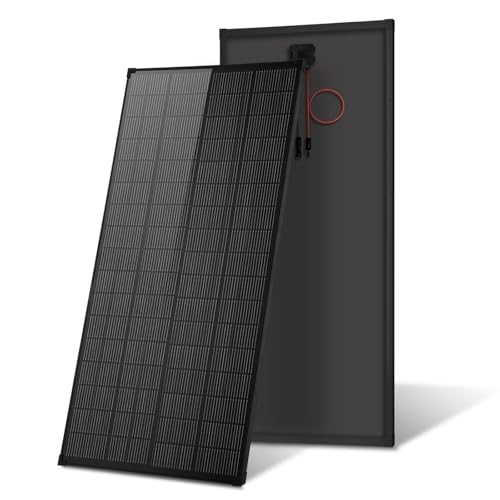
- 【High-Efficiency N-Type 18BB Solar Panel】Our AeternaSol 200W solar...
- 【IP68 Waterproof】Equipped with an exclusive IP68 Waterproof, our solar...
- 【All-Black Design & Comes with Holes for Easy to Install】Good-looking...
What I Look for When Buying RV Solar Panels
After my mistake with the 220W panel, I learned to check a few key things before buying. These four factors saved me from another bad purchase.
Real Wattage vs. Advertised Wattage
Some panels claim 220 watts but only hit that number in perfect lab conditions. I always check the actual output in real sunlight before trusting the label.
For example, my 220W panel usually gives me about 180 watts on a normal sunny day. That 40-watt difference matters when you are counting every amp.
Panel Size and Weight for Your Roof
Not every RV roof has space for big panels. I measure my roof carefully before buying anything to make sure the panel fits without blocking vents or AC units.
A 220W monocrystalline panel is usually about 40 inches by 60 inches. That takes up a decent chunk of roof space on a smaller RV.
Temperature Coefficient and Heat Performance
Solar panels lose power when they get hot. I look for panels with a low temperature coefficient so they still work well in summer heat.
Monocrystalline panels handle heat better than polycrystalline ones. That is one reason I still like my 220W panel even though it is not enough for full power.
Warranty and Durability for Travel
RV panels bounce around on rough roads. I only buy panels with a solid warranty and tempered glass that can handle vibration and minor impacts.
A cheap panel might save you money upfront but crack after a few bumpy trips. That is money wasted in my experience.
The Mistake I See People Make With RV Solar Panels
I wish someone had told me this earlier: most RV owners buy one panel and call it done. They think 220 watts is enough because it sounds like a big number.
The truth is that a single 220W panel only works well if you camp in full sun and use very little power. Most families I talk to use way more electricity than they realize.
I made this exact mistake myself. I thought I could run my fridge, lights, and phone chargers without any problem. I was wrong, and I ended up frustrated at a beautiful campsite.
What I do now is plan for at least double my estimated power needs. That way I have room for cloudy days, winter trips, and unexpected guests who need to charge devices.
If you are worried about running out of power like I did, this battery monitor saved me from guessing ever again.
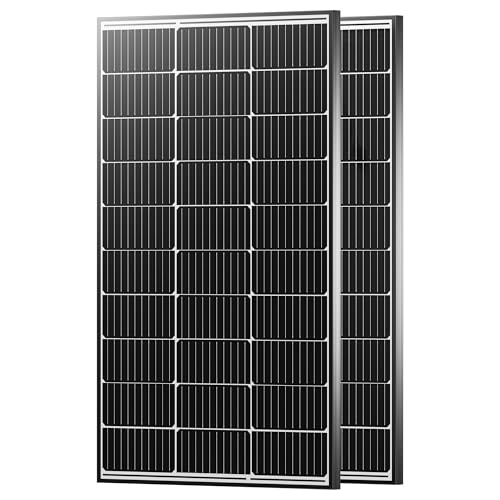
- [23% High Efficiency]This package contains the solar panel only. JJN...
- [Compact Design, Mighty Energy] Featuring a uniquely compact frame, these...
- [Stable Power for Years to Come] Built with established technology and...
Here is the Simple Fix That Changed Everything for Me
I do not want you to think a 220W panel is useless. It is actually a great starting point if you pair it with the right battery bank and charge controller.
The aha moment for me was learning that a 220W panel can fully charge a single 100Ah lithium battery in about 5 hours of good sun. That is plenty for a night of lights, phone charging, and a small fan.
But if you have two batteries or a bigger fridge, you need more solar to keep up. I added a second 100W portable panel and suddenly my setup worked for full weekends without worry.
My best advice is to start with your battery size first. Figure out how many amp-hours you use each day, then buy enough solar to replace that amount in 4 to 5 hours of sunlight.
That simple math saved me from buying too little or too much solar. It also helped me realize that one 220W panel is perfect for small setups but not enough for a full RV power system with a family.
My Top Picks for Building the Right RV Solar Setup
After testing different panels on my own RV, I found two options that solve the problem of a single 220W panel not being enough. Here is what I personally recommend.
JJN 200 Watt Solar Panels 12V 100W Monocrystalline High — Perfect for Adding More Power
The JJN 200 Watt panels are what I grabbed when I needed to double my solar capacity without replacing my existing setup. I love that they come as two 100W panels, so I could wire them in series or parallel depending on my charge controller. These are the perfect fit for someone who already has a 220W panel and just needs a little extra juice for weekend trips.
The only trade-off is that they take up more roof space than a single larger panel.
- [23% High Efficiency]This package contains the solar panel only. JJN...
- [Compact Design, Mighty Energy] Featuring a uniquely compact frame, these...
- [Stable Power for Years to Come] Built with established technology and...
SUNGOLDPOWER UL61730 550W Monocrystalline Solar Panel — The Upgrade for Full-Time Living
The SUNGOLDPOWER 550W panel is what I sent my sister to buy when she switched to full-time RV living. This single panel produces more than double what my old 220W panel ever did, and it fits nicely on a standard RV roof. It is the best choice if you are starting from scratch and want enough power for a fridge, lights, and a laptop without worrying about cloudy days.
The honest trade-off is that it is heavier and requires a beefier mounting system.
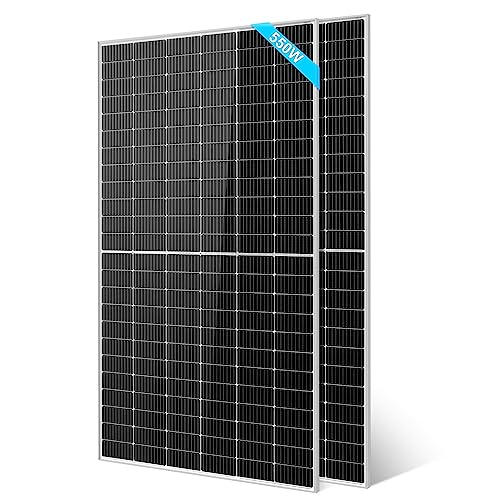
- 【Grade A solar cells】 : The long-lasting UL61730 550W monocrystalline...
- 【High Tolerance】: SUNGOLDPOWER UL61730 550W Solar panels are designed...
- 【Widely Use】: Easy Installation with pre-drilled hole...
Conclusion
A single 220W monocrystalline panel is a great starter, but it is not enough for a full RV power setup with a fridge, lights, and devices running daily.
Go check your battery monitor right now and see how much power you actually used today — that number will tell you exactly what size solar system you need for worry-free camping.
Frequently Asked Questions about Is a Single 220W Monocrystalline Panel Enough for a Full RV Power Setup?
Can a 220W panel run my RV fridge all day?
A 220W panel can run a small 12V fridge for about 8 to 10 hours on a sunny day. That assumes nothing else is drawing power at the same time.
In my experience, you need at least 400 watts to run a fridge plus lights and a water pump comfortably. A single 220W panel is better suited for a cooler or a small dorm fridge.
How many amp-hours does a 220W panel produce per day?
On a good sunny day, a 220W panel produces roughly 55 to 65 amp-hours. That number drops to about 30 amp-hours on a cloudy day or in winter.
I always tell people to plan for the worst weather, not the best. If you need 80 amp-hours daily, a single 220W panel will leave you short on cloudy days.
What is the best solar panel setup for a full RV power system?
If you want a worry-free setup for full-time living, I recommend starting with at least 400 to 600 watts of solar. That gives you enough power for a fridge, lights, devices, and a water pump even on partly cloudy days.
What worked for me was adding a second panel to my existing 220W system. I used this portable panel my friend recommended to boost my power without rewiring the roof.
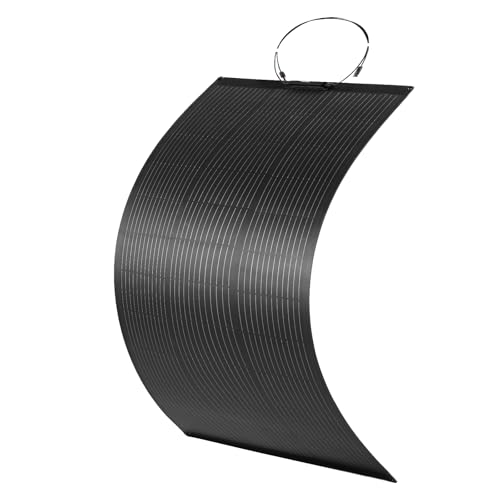
- 【Energy Optimization Tech】: This 100w flexible solar panel features...
- 【Subversive ETFE Tech】: These films of the 100w flexible solar panel...
- 【Born with Flexibility】: This flexible solar panel is flexible up to...
Can I add more panels to my existing 220W system later?
Yes, you can absolutely add more panels later as long as your charge controller can handle the extra wattage. I recommend checking your controller’s maximum input voltage and amperage before buying additional panels.
Most MPPT charge controllers can handle up to 600 watts or more. That gives you plenty of room to grow your system over time as your power needs increase.
Which solar panel setup won’t let me down when camping in winter?
Winter camping is tough on solar because the days are short and the sun sits low in the sky. A single 220W panel will struggle to produce even 30 amp-hours on a winter day.
For winter trips, I recommend at least 500 watts of solar paired with a lithium battery. I personally trust this high-wattage panel I use for cold weather because it still produces solid power even in low light conditions.

- 【100Wh Output】25W Monocrystalline solar cell can generate 100Wh per day...
- 【Portable Size】The dimensions of panel is 16.5x12.6x0.7 inches, the...
- 【Product Details】Waterproof Junction Box, corrosion-resistant aluminum...
Do I need a special charge controller for a 220W panel?
A 220W panel works fine with a basic PWM charge controller, but you get better performance with an MPPT controller. MPPT controllers can harvest up to 30% more power from the same panel in cloudy conditions.
In my experience, spending a little extra on an MPPT controller is worth it. It makes your 220W panel feel more like a 280W panel on those frustrating gray days.