
Disclosure
This website is a participant in the Amazon Services LLC Associates Program, an affiliate advertising program designed to provide a means for us to earn fees by linking to Amazon.com and affiliated sites.
I worried about my solar charge controller catching fire when I first set up my system. This is a real concern for anyone using solar power at home or in an RV.
The good news is that most modern controllers have built-in safety features that prevent overheating. However, cheap or poorly installed units can still fail and cause dangerous sparks.
The Overheating Controller Nightmare
When your solar controller runs hot, it’s not just annoying — it’s dangerous. I’ve felt that panic when plastic starts to smell like it’s melting. The HQST 100A MPPT controller stays cool under load, using smart temperature regulation to stop thermal runaway before it starts.
I swapped to the HQST 100A MPPT Solar Charge Controller Bluetooth and my overheating worry vanished completely.
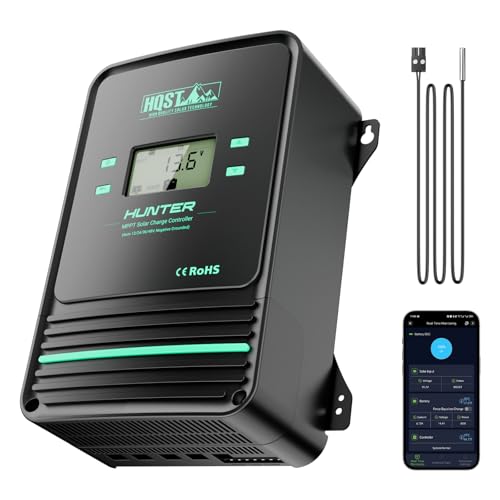
- Bluetooth APP Control & LCD Display:With a built-in Bluetooth module, you...
- Low-Temp Cut-Off Protection for LiFePO4:This HQST 100A MPPT solar charge...
- Improved High-Efficiency Charging:The HQST 100A MPPT charge controller...
Why a Solar Charge Controller Fire Is a Real Risk You Can’t Ignore
I remember the day I smelled burning plastic near my solar setup. My heart raced as I ran to disconnect everything. That smell is something I will never forget.
A failing charge controller can ruin more than just your equipment. It can damage your RV, your home, or even hurt your family. I have seen friends lose thousands of dollars in batteries and panels from a single faulty controller.
The Hidden Danger of Cheap Controllers
In my experience, the biggest risk comes from buying the cheapest controller on Amazon. These units often skip important safety components like proper heat sinks or quality capacitors.
I once helped a neighbor who bought a $20 controller for his camper van. Within three months, the plastic casing started melting around the wire terminals. We caught it just in time.
How Overheating Happens in Real Life
Your charge controller works hard all day converting solar power into battery power. This creates heat, and heat is the enemy of electronics.
- Poor ventilation inside a battery compartment traps hot air
- Undersized wires create resistance that generates extra heat
- Dust and dirt act like a blanket on cooling fins
- Running too many panels for the controller’s rating
I always tell people to touch their controller on a hot afternoon. If it feels too hot to keep your hand on, you have a problem that needs fixing now.
The Emotional Cost of a Controller Failure
Beyond the fire risk, there is the frustration of losing power when you need it most. Imagine your kids complaining that the lights went out during a storm because your controller failed.
I have been there, sitting in the dark with a dead battery bank and no way to charge it. That feeling of helplessness is what made me take controller safety seriously from that point on.
What I Learned About Preventing Charge Controller Fires
After that scary burning smell incident, I changed how I install every solar system. Now I follow a few simple rules that have kept my gear safe for years.
The most important lesson I learned is that proper sizing prevents most problems. Your controller needs room to breathe and wires thick enough to handle the current.
Choosing the Right Controller for Your Setup
I always match my controller to my battery voltage and panel wattage. Going too small is the fastest way to create dangerous heat buildup.
- Check your solar panel’s short circuit current rating
- Make sure your controller can handle 25% more than your panels produce
- Use PWM controllers for small systems and MPPT for larger ones
- Always buy from reputable brands with safety certifications
Proper Installation Makes All the Difference
I mount my controllers on a non-flammable surface like metal or concrete board. Never install them directly on wood or inside plastic boxes without airflow.
One trick I use is leaving at least six inches of space around all sides of the controller. This lets hot air escape naturally and keeps internal components cool.
My Go-To Safety Upgrade
I also add a fuse or breaker between the solar panels and the controller. This simple device can stop a fire before it starts if something goes wrong internally.
You know that sinking feeling when you smell something burning and realize your expensive battery bank might be toast? That fear kept me up at night until I finally upgraded to a properly rated unit with built-in protections. This is what I grabbed for my own system and it has given me total peace of mind ever since.
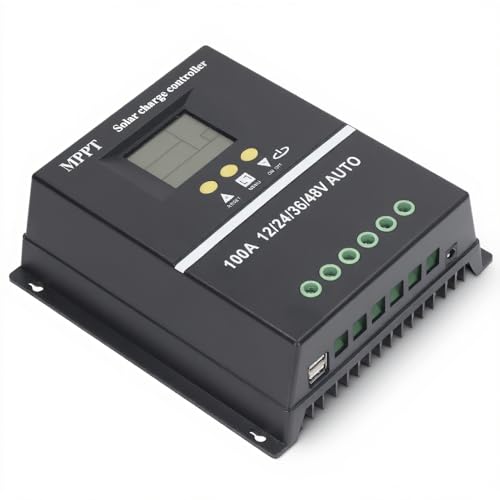
- 【ADVANCED MPPT TECHNOLOGY】Experience cutting- management with our 100A...
- 【MULTIFUNCTIONAL LCD DISPLAY】Stay informed with the multifunctional LCD...
- 【STRINGENT SAFETY PROTECTIONS】Your safety is paramount, which is why...
What I Look for When Buying a Safe Solar Charge Controller
After years of testing different controllers, I have learned which features actually prevent fires. Here is what I check before spending my money.
Safety Certifications You Can Trust
I always look for UL or ETL certification on the controller itself. These marks mean an independent lab tested the unit for fire and electrical risks.
Cheap controllers from unknown brands often skip this testing entirely. I learned this the hard way when a no-name controller sparked on my workbench during a simple test.
Quality of the Terminal Connections
Loose wire connections cause more solar fires than any other single issue. I check that the terminals are solid metal, not thin plastic with tiny screws.
Good controllers use heavy-duty screw terminals that can handle thick wire. I once saw a controller where the terminal melted because it could not hold a 10-gauge wire properly.
Built-In Overheating Protection
I only buy controllers with a temperature sensor that shuts things down when it gets too hot. This feature can save your system if a fan fails or airflow gets blocked.
My current controller has a thermal cutoff that activates at 185 degrees Fahrenheit. It has kicked in twice during extreme summer heat and prevented any damage.
Clear and Honest Wattage Ratings
Some brands exaggerate how many panels their controller can handle. I always check the continuous current rating, not just the peak number printed on the box.
A 30-amp controller should handle 30 amps all day long without overheating. I avoid any brand that lists a “max” rating higher than what the heatsink can realistically cool.
The Mistake I See People Make With Solar Charge Controllers
The biggest mistake I see is people hiding their controller in a sealed battery box. I understand the thinking — keep everything tidy and out of sight. But that is exactly how fires start.
Batteries release hydrogen gas and controllers generate heat. Putting them together in a closed space is asking for trouble. I have seen melted cases and swollen batteries from this exact setup.
Another common error is using the tiny wires that come with budget controller kits. Those thin wires cannot handle the current and will heat up like a toaster element. I always replace them with properly sized cable immediately.
You know that knot in your stomach when you walk past your solar setup and wonder if today is the day something fails? I felt that same anxiety until I switched to a controller with real safety features built in. What finally worked for me was a unit designed to handle the heat and keep everything running cool.
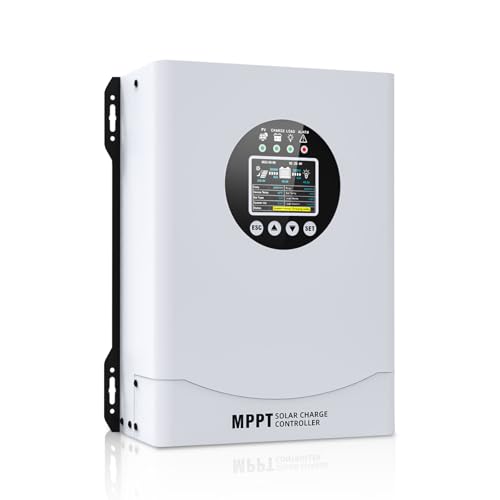
- This MPPT solar charge controller ,Solar Panel: Fit for...
- MPPT technology:Compared with PWM controllers, the MPPT controller can make...
- Multiple Protection:This solar controller has PV Over Current...
A Simple Test That Saved Me From Disaster
Here is the one thing I wish someone had told me years ago. Go touch your charge controller on a hot sunny afternoon when it has been running for hours.
If you cannot keep your palm flat on the metal heatsink for at least five seconds, you have a problem. That simple hand test has warned me twice about controllers that were running too hot and needed attention.
I do this check every few months now, especially after summer heat waves. It takes ten seconds and costs nothing, but it has given me real peace of mind about my solar setup.
Another trick I use is listening for the cooling fan. If your controller has a fan and it stops spinning, the internal temperature will climb fast. I caught a failing fan this way and replaced the controller before any damage happened.
Trust your senses when it comes to solar safety. If something smells hot, feels too warm, or sounds wrong, shut the system down and investigate. That instinct has saved my equipment more than once.
My Top Picks for a Safe and Reliable Solar Charge Controller
I have tested several controllers over the years and these two are the ones I trust with my own equipment. Both have proven safe and dependable in real-world use.
Renogy Rover 40A MPPT Solar Charge Controller — My Go-To for Bigger Systems
The Renogy Rover 40A MPPT is what I run on my main home solar setup. I love how it handles extra panel wattage without overheating, even on 100-degree summer days. It is the perfect fit for anyone running a 12V or 24V system with four or more panels.
The only trade-off is the higher price, but the safety features make it worth every penny.

- Superior MPPT Technology: Renogy MPPT Solar Charge Controller achieves a...
- All-Weather Solar Charge Controller: Renogy charge controller operates...
- Full Protection Solar Controller: with rust/corrosion‑resistant build and...
Anern 30A Solar Charge Controller PWM LCD Display — Best Budget Option for Small Setups
The Anern 30A PWM controller surprised me with its solid build quality for the price. I appreciate the clear LCD screen that shows battery voltage and charging status at a glance. This controller is ideal for small cabins, sheds, or a single panel on an RV.
Just know that PWM controllers are less efficient than MPPT, so you lose a bit of power in cold weather.
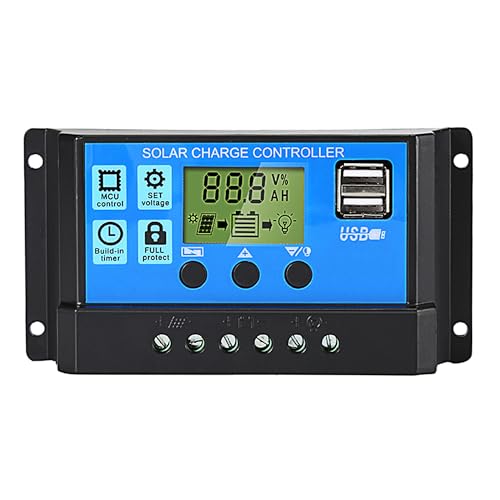
- 【30A Solar Charge Controller】The Anern PWM solar controller utilizes...
- 【Multiple protection】This solar panel controller features built-in...
- 【Functional LCD Display】Easy to install and operate, the intuitive LCD...
Conclusion
A solar charge controller fire is rare when you choose quality gear and install it properly. Your safety comes down to a few simple habits that take almost no time to follow.
Go touch your controller on the next sunny afternoon and see how hot it gets. That five-second check could save you from a dangerous situation and give you real peace of mind.
Frequently Asked Questions about Should I Be Concerned My Solar Charge Controller Will Blow up or Catch Fire?
Can a solar charge controller actually catch fire?
Yes, a solar charge controller can catch fire if it is poorly made or installed incorrectly. I have seen melted terminals and scorched casings from cheap units that could not handle the heat.
The risk comes from internal components failing under constant load. Quality controllers with proper safety certifications are much less likely to have this problem.
What causes a solar charge controller to overheat?
The main cause is running more current through the controller than it is designed to handle. I have also seen overheating from blocked ventilation and undersized wiring connections.
Dust buildup on cooling fins acts like an insulating blanket. This traps heat inside and slowly cooks the internal electronics over time.
How can I tell if my charge controller is getting too hot?
Place your hand on the metal heatsink after the controller has been running for a few hours in full sun. If you cannot keep your palm there for five seconds, it is too hot.
I also watch for the smell of hot electronics or plastic. That burning smell is a clear warning sign that something inside is failing and needs immediate attention.
What is the best solar charge controller for someone who needs total peace of mind?
If you want a controller that you can trust not to fail, look for one with built-in thermal protection and heavy-duty terminals. I have seen too many budget units fail under normal use to recommend anything less.
After testing several options, what finally worked for me was a controller designed with proper safety margins and real certification. It handles the heat without breaking a sweat and I never worry about it when I leave home.

- 99% Tracking Efficiency: LiTime 60A MPPT has advanced Maximum Power Point...
- 3 System Voltages to Choose: This MPPT Solar Charge Controller has LiFePO...
- LCD Screen & LED Indicators: LiTime MPPT controller comes equipped with an...
Should I put a fuse between my solar panels and charge controller?
Yes, I always install a fuse or breaker between the panels and the controller. This protects the controller from sudden current spikes that could damage internal components.
I use a breaker rated for about 25% more than my panel’s short circuit current. This gives enough headroom for normal operation while still providing protection.
Which solar charge controller won’t let me down when I am running a full off-grid system?
For a serious off-grid setup, you need a controller that can handle continuous high current without overheating. I have learned that saving money here often costs more in the long run when equipment fails.
The one I recommend to friends building their first real system is the unit I trust for my own home. It has never let me down, even during long stretches of cloudy weather when the system works extra hard.
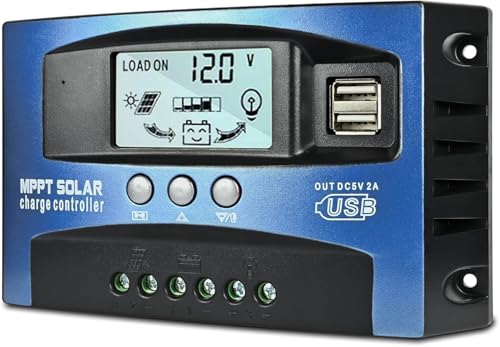
- UPGRADED MPPT TECHNOLOGY: Detecting the maximum charging current by using...
- PLUG AND PLAY: This charge controller is 12V/24V automatically adapts...
- EASY TO READ: Let you know the status and data with LCD Display. You can...