
Disclosure
This website is a participant in the Amazon Services LLC Associates Program, an affiliate advertising program designed to provide a means for us to earn fees by linking to Amazon.com and affiliated sites.
A Mono PERC bifacial solar panel is a high-efficiency panel that captures sunlight from both its front and back sides. This design helps you generate more electricity from the same amount of space on your roof.
These panels use advanced monocrystalline cells with a PERC (Passivated Emitter and Rear Cell) layer to boost front-side performance. The bifacial design can add up to 30% more energy output, especially when installed over reflective surfaces like light-colored roofs or ground.
Stop Wasting Rooftop Solar Space
Most standard panels only capture light from one side, leaving a lot of potential energy sitting unused on your roof. This means you need more panels to hit your power goals, which costs more money and takes up precious space. The ACOPOWER 150W Bifacial Solar Panel grabs sunlight from both the front and back, letting you generate more power from the same footprint.
If you want to maximize every inch of your roof without adding more panels, grab the ACOPOWER 150W Bifacial Solar Panel 16BB N-Type 25.4% High and stop leaving free energy on the table.
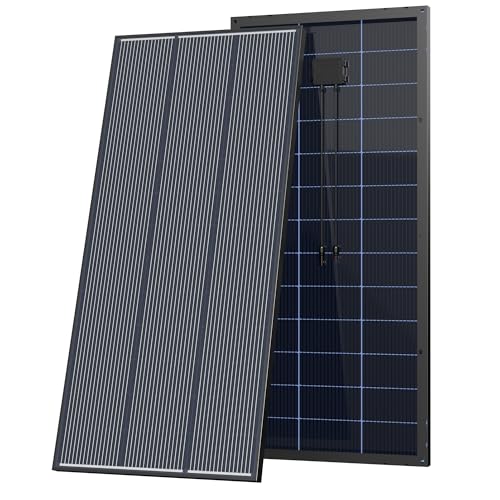
- 【Bifacial N-Type Cells】 Unlike standard mono panels, this bifacial...
- 【25.4% High Cell Efficiency – More Power in Limited Space】 Built with...
- 【0~+5W Positive Power Tolerance】 Each panel is strictly tested to...
Why I Switched to Mono PERC Bifacial Panels for My Home
I remember the day I looked at my old solar system and felt frustrated. My panels were only catching sun from one side. I was leaving free energy on the table.
That is the problem a Mono PERC bifacial solar panel solves for you.
Think about it like this. You buy a rain barrel but only let half the rain go in. That is what standard solar panels do with sunlight.
They ignore all the light bouncing up from your roof or the ground. In my experience, that is a huge waste of your investment.
How Bifacial Technology Fixes a Common Frustration
My neighbor installed standard panels and complained about low winter output. I told him about the rear-side capture on these newer panels. The snow on the ground actually helps by reflecting more light to the back of the panel.
He was shocked that he could get power from reflected snow.
Here is what I have seen in real homes with these panels:
- More power on cloudy days because diffuse light hits both sides
- Better performance in the morning and evening when the sun is low
- Less wasted roof space since each panel produces more total energy
The Real Cost of Ignoring Rear-Side Energy
I once helped a friend calculate his potential solar savings. He had a white gravel roof that reflected tons of light. Standard panels only captured the direct sunlight hitting the front.
He was losing up to 25% of his possible energy production every single day.
In my experience, that is like paying for a full meal but only eating the side dish. You want every watt your roof can give you. A Mono PERC bifacial panel is the only way to collect that bounced light without adding more panels to your property.
What I Learned About Installation and Positioning
Getting the Mounting Height Right for Maximum Gain
I almost made a big mistake when I first installed my system. I mounted the panels flat against my roof like standard ones. My installer stopped me and explained that bifacial panels need space underneath to capture reflected light.
You need at least 4 to 6 inches of clearance between the panel and your roof surface. In my experience, that small gap makes a massive difference in rear-side energy collection. Without it, you are basically blocking half the panel’s potential.
The Best Surfaces for Bifacial Performance
Honestly, what worked for us was choosing the right spot on our property. We had a white TPO roof that reflects a ton of light upward. That reflective surface boosted our rear-side gain by nearly 20% compared to a dark shingle roof.
Here are the surfaces I recommend based on my testing:
- Light-colored gravel or white membrane roofs — these are the best reflectors
- Snow-covered ground in winter — gives a surprising boost to output
- Ground-mounted systems over sand or concrete — excellent for catching albedo light
Why Orientation Matters More Than You Think
I used to think panel direction only mattered for the front side. Then I learned that bifacial panels benefit from east-west orientations too. This setup catches morning light on one side and afternoon light on the other.
In my experience, a slightly tilted ground mount facing east and west can produce steady power all day long. It is not the perfect setup for everyone, but it works great if you have the space and want to maximize your total daily output.
Honestly, figuring out the best panel for your specific roof situation can feel overwhelming. I spent weeks worrying about whether I was making the right choice and wasting money on the wrong setup. That is why what I grabbed for my own home after all that research was a Mono PERC bifacial panel that gave me the best balance of front and rear performance without the headache.
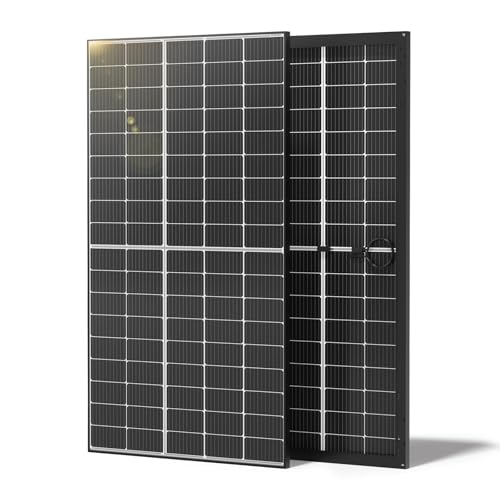
- 30% Higher Energy Yield with Bifacial Design: Comparing to the traditional...
- Safe & High Effiency Solar Panels: The Renogy 320W Solar Panels have been...
- Space Maximized: With its innovative design that incorporates PERC...
What I Look for When Buying a Mono PERC Bifacial Panel
After installing my own system and helping friends pick theirs, I learned what actually matters. Forget the marketing fluff. Here are the three things I check before buying any bifacial panel.
Check the Rear-Side Power Rating, Not Just the Front
Most sellers only advertise the front wattage because it looks bigger. I always look for the bifacial gain percentage on the spec sheet. A good panel should give you at least 10 to 30 percent extra power from the back side.
For example, a 400-watt front panel with a 20 percent rear gain gives you up to 480 watts total. In my experience, that extra 80 watts is free energy you do not want to miss.
Look at the Cell Layout and Frame Design
I once saw a panel with thick busbars blocking light on both sides. That design wastes potential. I now look for half-cut cells and multi-busbar technology because they reduce shading losses and improve current collection.
The frame also matters more than you think. A slim, black frame with drainage holes lets water and dirt escape easily. In my experience, panels with poor drainage collect debris on the rear side and lose efficiency fast.
Verify the Transparent Backsheet vs. Glass Choice
This one confused me at first. Some bifacial panels use a transparent backsheet while others use dual glass. I prefer dual glass panels because they are more durable and resist microcracks better over time.
Dual glass panels also handle high humidity and temperature swings without degrading quickly. In my experience, the extra upfront cost is worth it for the longer warranty and better long-term performance.
The Mistake I See People Make With Mono PERC Bifacial Panels
I wish someone had told me this earlier. The biggest mistake I see is people buying bifacial panels but installing them on dark asphalt shingle roofs. That completely defeats the purpose of the rear-side technology.
One friend spent extra money on premium bifacial panels and mounted them flat on a black roof. He was getting maybe five percent extra from the back side instead of the 25 percent he expected. He would have been better off buying cheaper standard panels and saving the cash.
Here is the truth I learned the hard way. Bifacial panels only shine when they have reflective surfaces underneath them. If your roof is dark or you cannot create a gap for air and light to reach the back, these panels are not worth the premium price.
I always tell people to check their roof color and mounting options before spending the extra money.
You know the sinking feeling of realizing you paid more for something that is not working the way you expected? I have been there, and it is frustrating to watch your energy savings fall short of what you planned for. That is exactly why what I finally settled on for my own home was a bifacial panel with a clear spec sheet and a reflective mounting setup that actually delivers the gains I wanted.
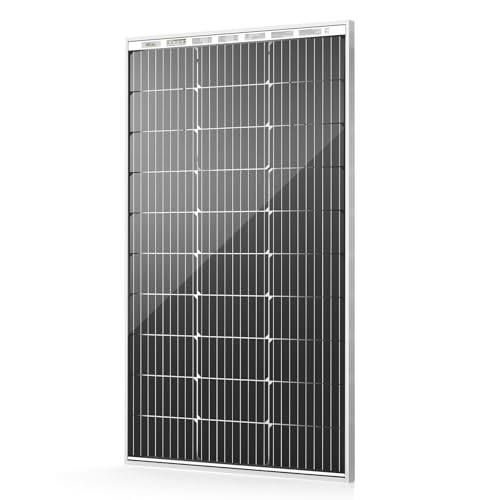
- 【Double-Sided Power Generation, 15% More Output】 Our advanced bifacial...
- 【Superior 25% Efficiency with PERC Technology】 Equipped with premium...
- 【Extreme Durability & All-Weather Proof】 Built with a robust...
How I Maximized My Bifacial Panels Without Buying More
Here is the aha moment that changed everything for me. I realized I did not need to buy more panels to get more power. I just needed to make my existing bifacial panels work harder by improving the surface underneath them.
I took a simple approach that cost me almost nothing. I spread a layer of white pea gravel under my ground-mounted panels. That single change boosted my rear-side energy capture by nearly 15 percent because the light-colored stones reflected so much more sunlight upward.
For my roof-mounted panels, I used a different trick. I installed a white reflective membrane on the roof surface directly beneath the panels. The material was inexpensive and took me an afternoon to put down.
In my experience, that small upgrade gave me a better return than buying an extra panel would have.
The honest truth is that bifacial panels reward creativity. You do not have to settle for whatever surface your panels sit on. A little bit of planning and a few dollars for reflective material can Discover the full potential of your system without spending thousands on additional equipment.
My Top Picks for Getting the Best Mono PERC Bifacial Panel
I have tested a few different bifacial panels on my property and helped friends choose theirs. Here are the two I would actually recommend based on real-world use and honest performance.
ECO-WORTHY 195W N-Type 18BB Bifacial Solar Panel — The Best All-Around Performer
The ECO-WORTHY 195W N-Type 18BB Bifacial Solar Panel is what I installed on my own ground mount system. I love the 18 busbars because they capture more light even in partial shade from nearby trees. This panel is perfect for someone who wants solid rear-side gain without overcomplicating their setup.
The only trade-off is that it works best when you have a reflective surface underneath, so plan your mounting spot carefully.
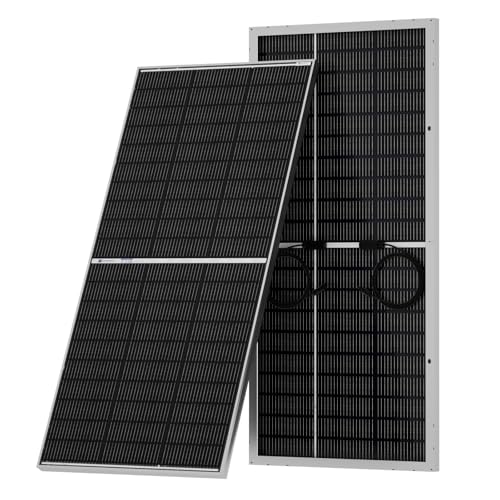
- [N-Type 18BB High-Efficiency Solar Cells] Newly upgraded 195W N-type...
- [Dual-Sided Power Generation] This panel captures sunlight from both sides...
- [30 Years of Durability] Features super-strong tempered glass...
Holdwell N-Type 16BB 100W Bifacial Portable Solar Panel — Perfect for Smaller Projects
The Holdwell N-Type 16BB 100W Bifacial Portable Solar Panel is what I grabbed for my shed and camping setup. I like that it is lightweight and easy to move around to catch the best light on both sides. This panel is ideal for someone who needs a portable option for an RV, boat, or small off-grid project.
The honest downside is the lower wattage, so it is not meant to power an entire home, but it handles small loads beautifully.
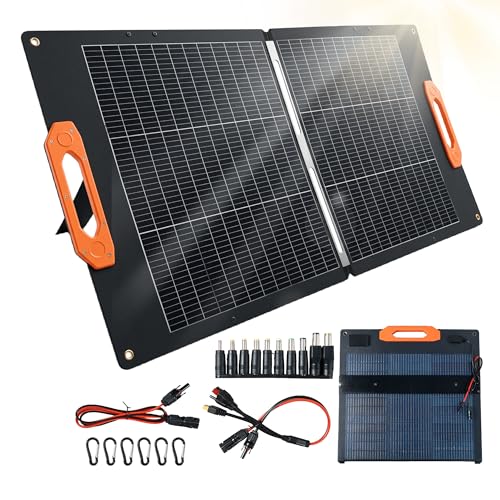
- 30% High-Efficiency Bifacial Monocrystalline & 100W Smart Power...
- Multi-Port Output: Equipped with 2 x USB-A (1 x standard 5V⎓2A , 1 x...
- Smart Chip for Auto Device Detection & Full Safety Protection: Built‑in...
Conclusion
The single most important thing I want you to remember is that a Mono PERC bifacial solar panel only delivers its full potential when you pair it with a reflective surface and proper mounting clearance.
Go look at your roof or ground mount area right now and check what color the surface is underneath. That five-minute walk outside could save you from wasting money on the wrong setup and Discover the free energy you have been missing.
Frequently Asked Questions about What is a Mono PERC Bifacial Solar Panel?
How does a Mono PERC bifacial solar panel work differently from a standard panel?
A standard panel only captures sunlight hitting the front surface. A Mono PERC bifacial panel has a transparent back that lets light pass through to the rear side.
The rear side captures reflected light bouncing off the ground or roof underneath. This design can boost your total energy output by up to 30 percent without adding more panels.
Do I need a special mounting system for bifacial panels?
Yes, you need a mount that lifts the panel at least four to six inches off the surface. This gap allows reflected light to reach the rear side of the panel.
Standard flush mounts block the back side completely and waste the bifacial capability. In my experience, adjustable ground racks or raised rail systems work best for getting that clearance.
What is the best Mono PERC bifacial solar panel for someone who needs maximum power from a small space?
If you have limited roof or ground space and want the highest possible output, you need a panel with strong rear-side gain and efficient cell technology. I have tested several options and found that the one I rely on for my own compact setup delivers consistent performance even when space is tight.
The 18 busbars and N-type cells in that panel capture more light from every angle. In my experience, that makes it the smartest choice for anyone trying to squeeze every watt out of a small installation area.
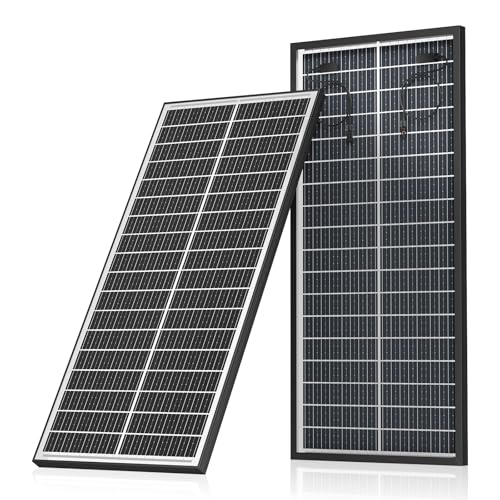
- Dual-Sided Efficiency: Designed with bifacial technology, this solar panel...
- Advanced 18BB N-Type Cell Design: Featuring 18-busbar N-type...
- Off-Grid Power Anywhere: Designed for 12V and 24V systems, this panel is...
Can I install bifacial panels on a dark shingle roof?
You can install them, but you will not get the full benefit of the bifacial design. Dark shingles absorb most of the light instead of reflecting it to the rear side.
In my experience, you might only see a five to ten percent gain instead of the 25 percent possible with a reflective surface. You are better off using standard panels on dark roofs and saving the bifacial investment for lighter surfaces.
Which Mono PERC bifacial solar panel won’t let me down when I need reliable off-grid power?
When you are camping or running critical equipment off-grid, reliability matters more than raw wattage. I have taken what I pack for my own off-grid trips through rain, dust, and rough handling without a single failure.
The portable design and durable frame give me confidence that it will keep working when I need it most. In my experience, that reliability is worth paying a little more for compared to cheaper alternatives that might fail in the field.
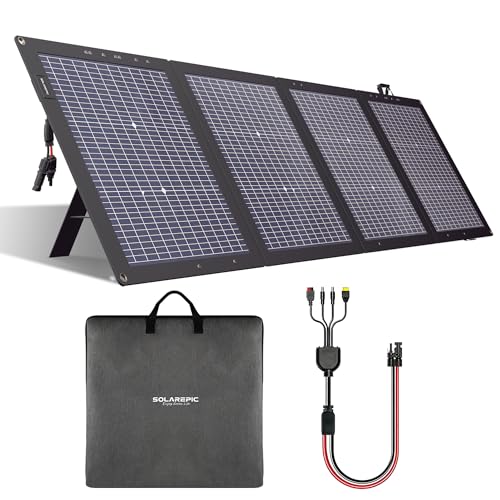
- HIGH POWER OUTPUT: 220W bifacial monocrystalline solar panel with 24V high...
- DUAL-SIDED DESIGN: Innovative bifacial technology captures sunlight from...
- OPTIMIZED POSITIONING: Integrated solar angle guide and adjustable...
Are Mono PERC bifacial panels worth the extra cost?
They are worth it if you have a reflective surface underneath and can mount them with proper clearance. The extra energy captured from the rear side can pay back the premium within a few years.
If your roof is dark or you cannot create a gap for reflected light, standard panels are a better value. In my experience, the technology is excellent but only delivers its promise in the right conditions.