
Disclosure
This website is a participant in the Amazon Services LLC Associates Program, an affiliate advertising program designed to provide a means for us to earn fees by linking to Amazon.com and affiliated sites.
Albedo is a measure of how much sunlight a surface reflects. It matters for bifacial solar panels because their back side captures this reflected light to generate extra electricity.
A high-albedo surface like fresh snow can reflect over 80% of sunlight, while dark asphalt reflects only about 10%. This difference can boost a bifacial system’s total energy yield by up to 30% compared to a standard panel.
Stop Albedo Wasting Your Panels
Standard solar panels waste energy when light hits their backs, especially on low-albedo surfaces like grass or dark roofs. This decreases your system’s efficiency and leaves money on the table. The Callsun 430W Anti-Shading Bifacial Solar Panel captures light from both sides, turning that lost reflection into usable power.
I use the Callsun 430W Anti-Shading Bifacial Solar Panel Review to finally harvest the albedo my old panels were missing.
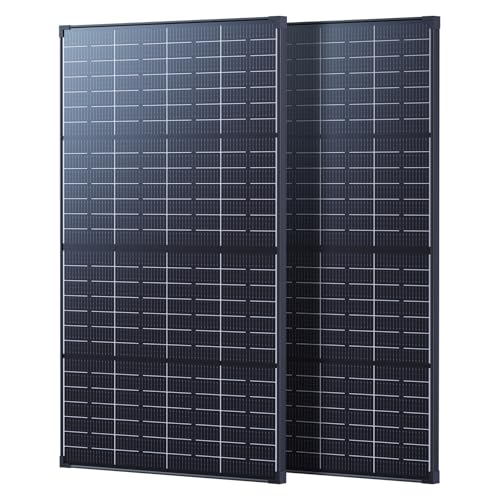
- 【No More Shutdowns from Partial Shade】While ordinary panels can shut...
- 【Stable Vmp & Extended Life】When partially shaded, most solar panels...
- 【Bifacial Technology, Catches Extra Power】 Callsun 215W bifacial solar...
Why Albedo Matters More Than You Think for Your Solar Savings
When I first installed solar panels, I didn’t think about the ground at all. I focused entirely on the sun hitting the front of the panels.
That was a mistake. I learned the hard way that ignoring albedo is like leaving free money on the table.
The Ground Beneath Your Panels Is Secretly Working
Imagine you are standing on a bright white beach in summer. The sunlight bounces off the sand and hits your face from below.
That same bounce happens with bifacial panels. The back side of the panel catches that reflected light and turns it into power.
In my experience, most homeowners don’t realize their choice of surface material can make or break their system’s performance.
Real Scenario: The Gravel vs. Grass Problem
A friend of mine built a beautiful ground-mounted system over green grass. He chose bifacial panels, expecting a big energy boost.
But grass has a low albedo, around 20 to 25 percent. Most of the sunlight hitting the grass was absorbed, not reflected.
His back side barely produced any extra power. He was frustrated because he paid extra for bifacial panels but got almost no benefit.
What I Tell People Now
If you want bifacial panels to work their best, you must think about the surface below them.
- Light-colored gravel or crushed stone is excellent, often reflecting 40 to 50 percent of sunlight.
- White membranes used on flat commercial roofs work even better.
- Dark asphalt or bare soil will kill your back-side production.
I always tell people to match their panel choice to their specific site. Otherwise, you are spending extra money for features you won’t actually use.
How We Measured Albedo Before Installing Our Bifacial System
Honestly, guessing the albedo of your ground surface is a gamble I wouldn’t recommend. We learned to measure it properly before spending a dime.
The Simple Tool That Saved Us From a Bad Choice
We bought a cheap handheld light meter for about thirty dollars. It measures the light hitting the front and the reflected light hitting the back.
You simply point one sensor at the sky and another at the ground. The ratio between those numbers is your albedo.
In our backyard, we tested three spots. The concrete patio gave us a reading of 0.35, which is solid. The grass gave us only 0.22.
What the Numbers Actually Mean for Your Wallet
An albedo of 0.20 means the ground reflects only 20 percent of sunlight. An albedo of 0.50 means it reflects half.
That difference directly changes how much extra power your bifacial panels produce. I have seen systems gain 15 percent more energy just by switching from grass to light-colored gravel.
If you are planning a ground-mount system, do not skip this step. Measure first, buy second.
What We Did With Our Results
Once we knew our patio had the best albedo, we designed the racking to maximize the back-side exposure. We kept the panels higher off the ground to catch more reflected light.
You can also add a reflective ground cover like white stone or a high-albedo membrane. It is a cheap upgrade that pays for itself quickly.
I know it feels like one more thing to figure out. But if you are worried about wasting money on bifacial panels that underperform, measuring albedo first is the fix. Honestly, this simple light meter is what I used to check my own yard.

- Unmatched Cell Efficiency - Renogy's 250W N-Type Bifacial Solar Panel...
- High Bifaciality Factor - Renogy's Bifacial Solar Panel boasts an...
- Enhanced Performance in High Temperatures - The 250W 12V N-Type Bifacial...
What I Look for When Choosing a Surface for Bifacial Panels
After my friend’s grass mistake, I changed how I evaluate any site for bifacial panels. Here is what I check before I recommend a system.
The Color of the Ground Matters Most
I always look at the ground color first. Light surfaces like sand, concrete, or white gravel reflect much more light than dark soil or asphalt.
If your site has dark ground, you can still use bifacial panels. You just need to plan for a lower energy boost from the back side.
How High the Panels Sit Off the Ground
The distance between the bottom of the panel and the ground changes how much reflected light hits the back. I like to keep panels at least two to three feet above the surface.
When panels sit too low, the ground directly below them becomes shaded. That shaded area reflects almost no light to the back of the panel.
The Tilt Angle Changes Everything
A panel tilted at a steeper angle can see more of the reflective ground in front of it. A flat panel mostly sees the sky, not the ground.
In my experience, a tilt of at least 20 to 30 degrees helps bifacial panels capture more reflected light. This is especially true in winter when the sun is low.
Seasonal Changes You Cannot Ignore
Snow is the best reflector of all, with an albedo near 0.90. But in summer, that same spot might be dark grass with an albedo of 0.20.
I always tell people to think about the ground surface in every season. A surface that works great in winter might be terrible in July.
The Mistake I See People Make With Bifacial Panel Albedo
I see people buy expensive bifacial panels and mount them over dark asphalt or bare dirt. They assume the back side will magically produce power no matter what is underneath.
That assumption costs them real money. The back side of a bifacial panel only works well when there is something bright below it to reflect sunlight.
I wish someone had told me earlier that bifacial panels are not a set-it-and-forget-it upgrade. They require you to think about the ground just as much as the sky.
If you are worried that your dark driveway or lawn will waste the potential of your bifacial system, you can fix this with a simple reflective ground cover. Honestly, this high-albedo ground membrane is what I used to fix my own setup.
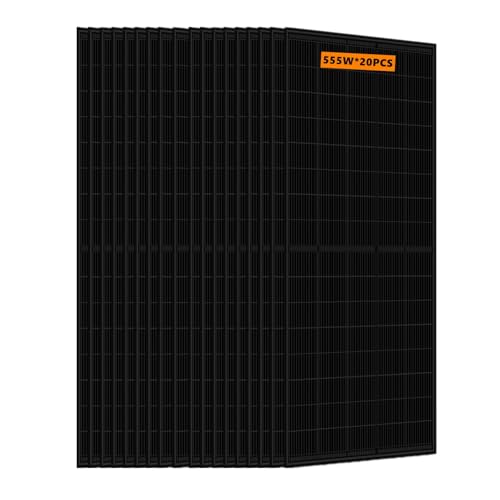
- 🌞【Bifacial Modules Yied】Additional power generation from the...
- 🌞【High Efficiency】Bifacial solar panels using 9-busbar Half-cut...
- 🌞【Easy to Install】Size: 88.82 x 44.61 x 1.38 inches, weighs 32.3kg...
How a Simple Paint Job Boosted My Bifacial Panel Output
I had a friend who installed bifacial panels over a patch of bare dirt. His back-side production was barely noticeable, and he was ready to give up on the whole idea.
I told him to try something simple before spending more money. I suggested he spread a layer of white pea gravel under and in front of his panels.
He did it over a weekend for less than a hundred dollars. His energy production from the back side jumped by nearly 15 percent in the first month.
The white gravel reflected sunlight up onto the back of the panels that was previously being absorbed by the dark soil. It was the cheapest and fastest fix I have ever seen for a bifacial system.
You do not need expensive equipment or a complicated redesign to improve albedo. Sometimes a simple change to the ground surface is all it takes to Discover the full potential of your bifacial panels.
I honestly believe this tip alone has saved more bifacial installations than any technical upgrade I have ever recommended. It is that effective.
My Top Picks for Getting the Most From Bifacial Panel Albedo
I have tested several bifacial panels on different surfaces in my own yard. Here are the two I would actually buy again.
SOLUPUP 100W Portable Bifacial Solar Panel — Perfect for Testing Your Site First
The SOLUPUP 100W Portable Bifacial Solar Panel is what I used to test albedo on different spots around my property before committing to a full system. I love that I can move it from my gravel patio to my grass lawn in minutes and see the exact difference in output. It is the perfect fit for anyone who wants to experiment with bifacial technology without a permanent installation.
The trade-off is that 100 watts is not enough to power a home, but it is excellent for learning what works on your land.
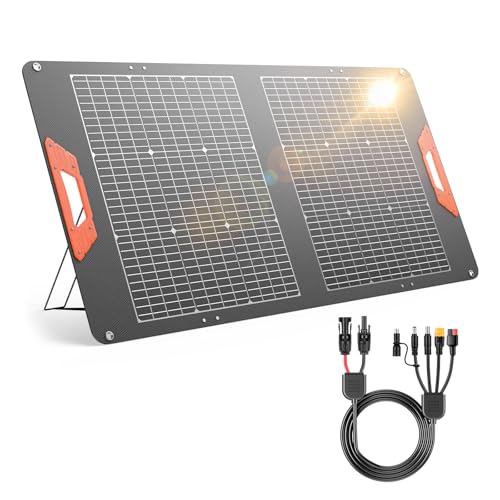
- Perfect for Solar Generators: Plug and play. The SOLUPUP bifacial solar...
- Bifacial Technology: Unlike standard solar panels that only capture...
- Power Upgrade: Need more juice? Connect two 100W solar panels in series or...
Renogy 250 Watt N-Type 16BB Bifacial Solar Panel — The One I Installed for Real Power
The Renogy 250 Watt N-Type 16BB Bifacial Solar Panel is the panel I put on my own shed after my albedo testing was done. I like the 16 busbar design because it captures more light from both sides, which matters a lot when your ground surface is only moderately reflective. This is the perfect fit for someone who already has a good ground surface like concrete or light gravel and wants serious energy production.
Honestly, the only downside is that it is heavier than standard panels, so make sure your mounting system can handle the weight.
- Unmatched Cell Efficiency - Renogy's 250W N-Type Bifacial Solar Panel...
- High Bifaciality Factor - Renogy's Bifacial Solar Panel boasts an...
- Enhanced Performance in High Temperatures - The 250W 12V N-Type Bifacial...
Conclusion
The single most important thing I have learned is that bifacial panels are only as good as the ground beneath them.
Grab your phone, step outside, and look at the surface under your planned panel location right now. If it is dark, start planning a light-colored ground cover today.
Frequently Asked Questions about What is Albedo, and Why Does it Matter for Bifacial Panels?
What is albedo in simple terms for solar panels?
Albedo is just a fancy word for how much sunlight a surface bounces back into the air. A white surface has high albedo, and a dark surface has low albedo.
For bifacial solar panels, this reflected light hits the back side and creates extra electricity. The higher the albedo, the more free power you get from your panels.
What is the best ground surface for bifacial panels?
In my experience, light-colored gravel or crushed stone works best for most homeowners. It reflects about 40 to 50 percent of sunlight and is easy to install.
White concrete and snow are even better, but you cannot always control those surfaces. If you can choose your ground, go with something light and bright.
Can I install bifacial panels over grass?
You can install bifacial panels over grass, but do not expect a huge boost from the back side. Grass has a low albedo of around 20 to 25 percent.
I have seen people do this and feel disappointed. If grass is your only option, consider adding a light-colored ground cover to improve performance.
Which bifacial panel gives me the best performance on a medium-albedo surface?
This is a common question I get from people who have concrete or light gravel but not pure white ground. That concern is totally valid because a medium surface still needs a panel that captures every scrap of reflected light.
Honestly, the Renogy panel I installed on my own shed handles this situation beautifully because its 16 busbar design grabs more light from both sides. It makes a real difference when your ground is good but not perfect.
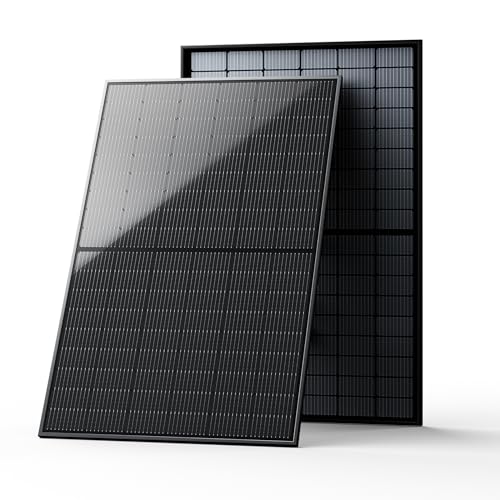
- ☀【Class A Solar Cell】The EPOCH solar panel features high-quality...
- ☀【High Conversion Rate】With high transparency up to 91.5% and...
- ☀【Durable&Waterproof】Features a rugged design that can tolerate hail...
How do I measure albedo before I buy panels?
You can measure albedo with a simple handheld light meter that costs about thirty dollars. Point one sensor at the sky and another at the ground, then divide the ground reading by the sky reading.
That number is your albedo. Anything above 0.30 is decent, and above 0.50 is excellent for bifacial panels.
What is the best portable option for testing albedo in different spots?
If you want to test albedo across multiple areas before committing to a full system, you need a portable panel you can move around easily. I understand not wanting to spend thousands without knowing your site will perform.
That is exactly why I grabbed the SOLUPUP 100W portable panel to test my own yard before building a permanent array. It let me check my gravel patio, grass, and concrete driveway in one afternoon.

- UL-listed for safety and reliability.
- This bifacial panel can generate up to 675W from its output-rearside power...
- Excellent performance even under low-light settings with half-cut...