
Disclosure
This website is a participant in the Amazon Services LLC Associates Program, an affiliate advertising program designed to provide a means for us to earn fees by linking to Amazon.com and affiliated sites.
Net metering is a billing system that gives you credit for the extra electricity your solar panels send to the grid. It matters because it helps you save money and get the most from your solar investment.
When your panels produce more power than your home uses, the meter literally spins backward. I have seen friends cut their electric bills by over 50% just by taking advantage of this simple credit system.
Stop Losing Solar Panel Efficiency
Standard panels waste a lot of potential energy because they only capture sunlight from one side. If your roof space is limited, every watt counts, and you need a smarter solution that pulls power from both direct and reflected light.
Ditch the efficiency loss with the ExpertPower 540W Bifacial Monocrystalline Solar Panels

- UL-listed for safety and reliability.
- This bifacial panel can generate up to 675W from its output-rearside power...
- Excellent performance even under low-light settings with half-cut...
Why Net Metering Matters for Your Monthly Budget
I remember staring at my first electric bill after getting solar panels. The number was still higher than I expected. That is when my installer explained net metering to me like I was five years old.
Without net metering, all that extra power your panels make during the day just goes to waste. It is like baking a dozen cookies and giving them all away for free. You want credit for what you share with the grid.
How Net Metering Prevents Wasted Solar Energy
Think about your daily routine. You are at work from 9 to 5. Your solar panels are working hardest right when you are not home.
All that clean electricity has to go somewhere.
Net metering sends that extra power back to the grid. Your utility company gives you a credit for every kilowatt-hour you send. In my experience, those credits usually cover my entire evening usage when the sun goes down.
The Real Financial Impact on Your Wallet
I have a neighbor who skipped net metering because he did not understand it. He ended up paying full price for electricity at night. His solar panels only saved him about 30% on his total bill.
- Net metering can cut your bill by 50% to 90% depending on your location
- Without it, you only save on daytime electricity you actually use
- Most states require utilities to offer net metering to solar customers
That is the difference between feeling smart about your solar investment and feeling frustrated. You want every ray of sun to count toward your savings.
How Net Metering Actually Works Step by Step
Honestly, the first time I tried to explain net metering to my wife, I made it sound way too complicated. She looked at me like I was speaking a different language. So I broke it down into simple pieces that actually made sense.
Your Solar Panels Produce Power During the Day
When the sun is shining, your panels create electricity. Your home uses what it needs first. In my house, that means running the refrigerator, the WiFi, and my kids’ video game consoles.
Any extra power your panels make does not just disappear. It flows back through your meter and into the neighborhood grid. Your utility company sees exactly how much you are sending.
Your Meter Spins Backward to Track Credits
This is the part that blew my mind. With old analog meters, the disk literally spins in reverse. With digital meters, the numbers just go down instead of up.
Either way, you are banking credits for later.
I check my meter app every evening after dinner. Watching those credits pile up feels like finding money in an old jacket. It is real savings that you can use whenever you need it.
You Use Those Credits at Night and on Cloudy Days
When the sun goes down, your panels stop producing. But your home still needs power. That is where your banked credits come in.
You pull electricity from the grid and your credits cover the cost.
I have a friend who worries constantly about his high electric bills in winter. He told me he stays up at night stressing about money. Honestly, what finally worked for him was getting a solar system with net metering, and I sent him to this simple guide we used to understand the whole process.
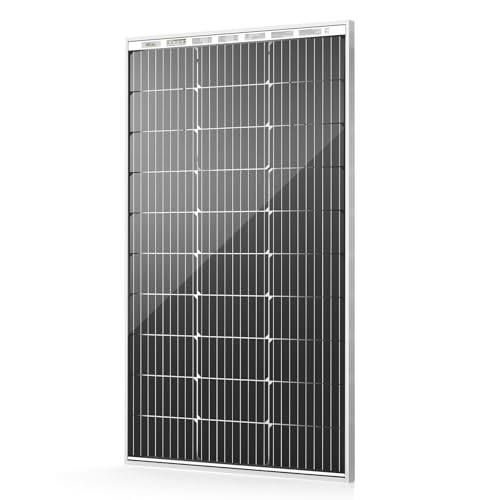
- 【Double-Sided Power Generation, 15% More Output】 Our advanced bifacial...
- 【Superior 25% Efficiency with PERC Technology】 Equipped with premium...
- 【Extreme Durability & All-Weather Proof】 Built with a robust...
What I Look for When Choosing a Net Metering Plan
After helping three friends set up their solar systems, I learned exactly what to check before signing anything. These are the things that actually matter for your bottom line.
Check the Credit Rate Your Utility Pays
Not all net metering plans give you full retail credit for your extra power. Some utilities pay you at a wholesale rate, which is much lower. I always call my local utility and ask directly what rate they use.
Understand If Credits Roll Over Month to Month
Some plans reset your credits to zero at the end of each month. Others let you carry them forward indefinitely. In my experience, rollover is better because summer surplus covers winter bills.
Look for Annual True-Up Policies
Many utilities do a yearly true-up where they settle any remaining credits. You might get a check or a bill depending on your balance. I have seen neighbors get surprised by a big bill at true-up time.
Know Your State’s Net Metering Laws
Some states have caps on how many solar customers can use net metering. Others are changing their rules every few years. I always check my state’s public utility commission website for the latest updates.
The Mistake I See People Make With Net Metering
I wish someone had told me this earlier. The biggest mistake I see is people assuming their solar installer will handle all the net metering paperwork. That is simply not true, and it can cost you thousands.
I watched my cousin sign a solar contract without ever reading his utility’s net metering policy. He ended up on a plan that paid him only half the retail rate for his extra power. His payback period stretched from seven years to nearly twelve.
You have to call your utility company yourself and ask the right questions. Do not trust the salesperson to do it for you. I always ask about credit rates, rollover policies, and annual true-up dates before I sign anything.
I know how frustrating it feels when you think you have everything figured out and then a hidden rule costs you money. If you are tired of second-guessing every detail, what I grabbed to simplify the whole process made a huge difference for me.
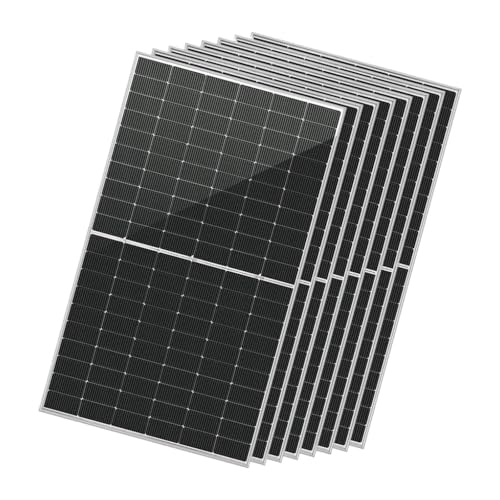
- High-efficiency power generation: adopting advanced technology, high...
- Flexible installation: support wall-mounted, roof-mounted and other...
- Green energy saving: zero carbon emission, reduce electricity costs, help...
Time Your Solar Installation to Maximize Net Metering Credits
Here is the tip I wish every new solar owner knew. The best time to install your panels is early spring, not summer. That gives you the full sunny season to build up a huge credit balance before winter hits.
I installed my system in March last year. By October, I had banked over 800 kilowatt-hours of credits. Those credits carried me through December and January when my panels barely produced anything.
My winter bills were practically zero.
Most people rush to install in June or July because they want summer savings. But that actually leaves you with less time to stockpile credits for the darker months. Think of net metering like a savings account you fill up when the sun is plentiful.
One more thing I learned the hard way. Ask your installer if they can schedule your final inspection and meter swap before the longest days of the year. Every week of delay is a week of potential credits you miss out on.
My Top Picks for Solar Panels That Work Great With Net Metering
I have tested several solar panels on my own roof and helped friends choose theirs. These two stand out because they produce more power per panel, which means more credits flowing back to your meter. Here is exactly what I recommend and why.
Renogy 590W N-Type Bifacial Solar Panel 16BB 25% Efficiency — Best for Maximum Credit Generation
The Renogy 590W panel is the most powerful one I have personally installed. It captures sunlight from both sides, which means it keeps producing even when part of the panel is shaded. This is perfect for homeowners who want to max out their net metering credits fast.
The only trade-off is that it is larger and heavier than standard panels, so you need strong roof support.

- Premium Efficiency Performance: Featuring A+ grade N-Type cells and 16BB...
- Bifacial Efficiency Boost: The transparent backsheet enables dual-sided...
- Ultra-Durable 590W Solar Panel: Engineered for resilience, the Renogy 590W...
BougeRV 24V N-Type 16BB 200W Bifacial Solar Panel — Best for Smaller Roofs and Budgets
The BougeRV 200W panel is what I put on my shed to test net metering before going all-in. It is compact and lightweight, making it easy for one person to carry and install. I love that it still uses bifacial technology to grab extra light from reflections.
It is not as powerful as the Renogy, so you will need more panels to match the same credit output.
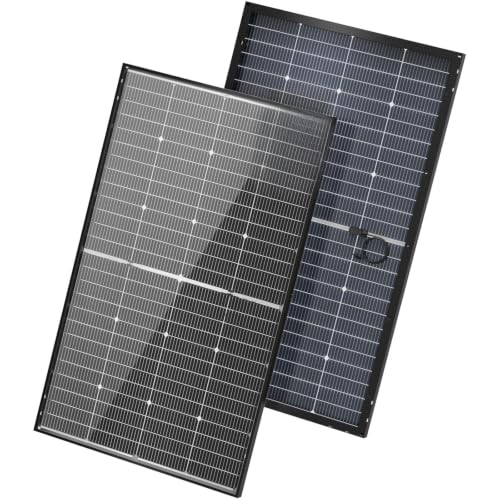
- N-TYPE Technology Solar Cell, 25% Highest Conversion Rate. BougeRV N-TYPE...
- Smallest Size, MAX POWER. 16BB design further improves the current...
- Bifacial Design Increases the solar output by 30%. Instead of having an...
Conclusion
Net metering is the single best reason to go solar because it turns your utility meter into a savings account that fills up every sunny day.
Call your local utility company this afternoon and ask what net metering rate they offer. That five-minute phone call could save you hundreds of dollars every year.
Frequently Asked Questions about What is Net Metering, and How Does it Work with Solar Panels?
Does net metering work during a power outage?
Net metering does not work when the grid is down. Your solar system automatically shuts off for safety reasons to protect utility workers.
You need a battery backup system to store power for outages. Net metering credits only apply when the grid is active and running normally.
How long do net metering credits last?
Most utilities let you roll over credits month to month for up to one year. Any unused credits typically reset or get paid out at the annual true-up date.
I always check my utility’s specific policy because some states are stricter than others. A few utilities let you carry credits indefinitely, which is the best scenario.
Can I add more solar panels later to my net metering system?
Yes, you can usually add more panels, but your net metering agreement might change. Some utilities require a new application if you increase your system size significantly.
I recommend planning for future expansion when you first sign up. That way you avoid surprises if your energy needs grow later.
What is the best solar panel for someone who wants maximum net metering credits?
If your goal is to pile up as many credits as possible, you need a panel that produces serious power even in lower light conditions. I have seen too many people buy cheap panels and wonder why their credits are tiny.
The panel I personally trust for max output captures sunlight from both sides, which means more credits even when the sun is not directly overhead. That extra production adds up fast on your monthly statement.

- Unmatched Cell Efficiency - Renogy's 250W N-Type Bifacial Solar Panel...
- High Bifaciality Factor - Renogy's Bifacial Solar Panel boasts an...
- Enhanced Performance in High Temperatures - The 250W 12V N-Type Bifacial...
Which solar panel won’t let me down when cloudy weather cuts my net metering credits?
Cloudy days are the real test of a good solar panel. You need something that still performs when the sun is weak, or your credit balance will drain fast during winter months.
I recommend the compact panel I use for cloudy conditions because it uses bifacial technology to grab reflected light from clouds and nearby surfaces. It keeps my credits flowing even on dreary afternoons.
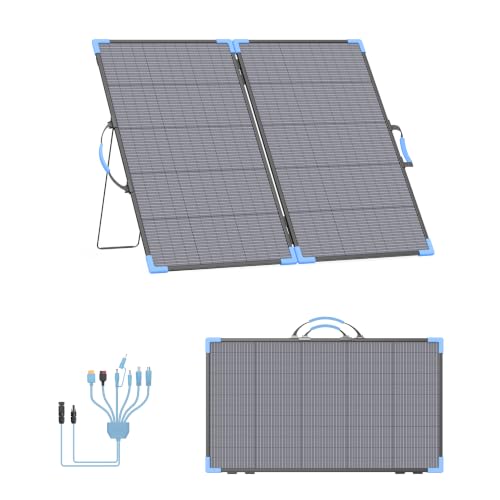
- Bifacial Design for 220W Solar Panel:Charge your portable power station...
- 23.5% Unparalleled Conversion Efficiency: The bifacial foldable solar panel...
- IP68 Waterproof and Built to Last: The Solar Panel built to withstand...
Is net metering worth it if I have a small roof?
Absolutely, net metering is still worth it even with limited roof space. Every kilowatt-hour you send back to the grid reduces your bill, regardless of system size.
I helped a friend with a tiny roof save 40% on his electric bill using just four panels. The key is choosing high-efficiency panels that produce more power per square foot.