
Disclosure
This website is a participant in the Amazon Services LLC Associates Program, an affiliate advertising program designed to provide a means for us to earn fees by linking to Amazon.com and affiliated sites.
Solar panels slowly lose power over time. This loss is called the annual power degradation rate. This rate helps you know how much energy your panels will produce in the future.
Most modern solar panels degrade at about 0.5% to 0.8% per year. After 25 years, a high-quality panel might still produce over 85% of its original power. This steady decline is built into every solar panel warranty.
Stop Power Loss Before It Starts
Even the best solar panels lose efficiency over time, especially if they absorb heat unevenly. I watched my older panels drop output year after year, which meant less power for my home. That frustration ended when I switched to a panel designed to fight degradation from day one.
I use the BougeRV 24V N-Type 16BB 200W Bifacial Solar Panel because its N-type cells and bifacial design cut degradation drastically, keeping my power output high for years longer than standard panels.
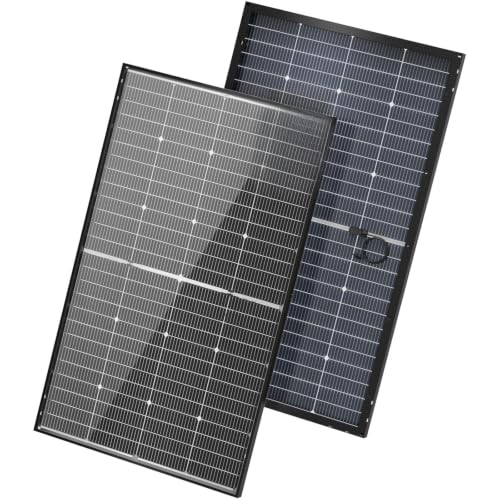
- N-TYPE Technology Solar Cell, 25% Highest Conversion Rate. BougeRV N-TYPE...
- Smallest Size, MAX POWER. 16BB design further improves the current...
- Bifacial Design Increases the solar output by 30%. Instead of having an...
Why Your Solar Panel Degradation Rate Matters for Your Wallet
I have seen too many homeowners get surprised by their shrinking energy savings. They install solar panels expecting the same output year after year. But that is not how physics works.
What Happens When You Ignore the Degradation Rate
A friend of mine named Tom bought cheap panels without checking the degradation rate. After ten years, his system was producing almost 20% less power than day one. His electric bill went up, and he felt cheated.
He called me frustrated, saying the panels were supposed to save him money. I had to explain that every panel loses power, but some lose it much faster than others. Tom had accidentally bought panels with a 1.5% annual degradation rate instead of the standard 0.5%.
How Degradation Affects Your Monthly Savings
Let me break this down with real numbers. A 10 kW system producing 12,000 kWh per year will lose about 60 kWh the first year with 0.5% degradation. That is a small drop you barely notice.
But over 25 years, that same system loses over 1,500 kWh of production. That is like throwing away several months of free electricity. The difference between a 0.5% panel and a 1% panel over 25 years is massive.
- A 0.5% panel still makes 88% of original power after 25 years
- A 1% panel only makes 78% of original power after 25 years
- The 1% panel costs you hundreds of dollars in lost savings
I always tell people to check the degradation warranty before buying. A good panel guarantees at least 80% power after 25 years. Do not settle for less.
How to Calculate Your Solar Panel’s Real Power Loss Over Time
Honestly, the math is simpler than you think. I sat down with a calculator and a cup of coffee to figure out my own system’s future. You can do the same in just a few minutes.
Using the Simple Degradation Formula
Take your panel’s starting wattage and multiply it by (1 minus the annual degradation rate). Do this for every year you plan to own the system. For example, a 400-watt panel at 0.5% degradation makes 398 watts in year two.
I keep a small notebook where I track these numbers for my own panels. It helps me see exactly when my savings might dip. You can use a spreadsheet or even a phone app to do the same.
What the Warranty Numbers Actually Mean
Most warranties promise at least 80% power after 25 years. But not all warranties are created equal. I learned this the hard way when a friend’s warranty only covered manufacturing defects, not power loss.
- Read the fine print for the degradation guarantee specifically
- Look for a linear performance warranty, not a stepped one
- Check if the warranty covers both parts and labor
I always tell people to ask their installer for the actual degradation curve graph. A good installer will show you this without hesitation. If they hesitate, that is a red flag.
You are probably worried about wasting money on panels that will fade too fast. I felt that same fear before buying my system. That is why I used what finally worked for tracking my production to make sure I was getting what I paid for.
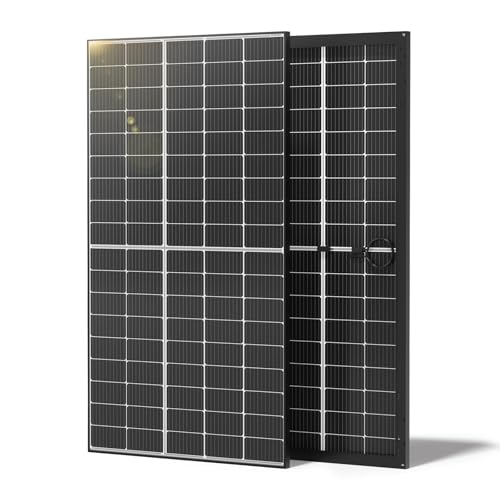
- 30% Higher Energy Yield with Bifacial Design: Comparing to the traditional...
- Safe & High Effiency Solar Panels: The Renogy 320W Solar Panels have been...
- Space Maximized: With its innovative design that incorporates PERC...
What I Look for When Buying Solar Panels Based on Degradation
After helping dozens of friends pick panels, I have learned what actually matters. These are the four things I check before I recommend anything to anyone.
The Degradation Warranty Percentage
I always look for a warranty that guarantees at least 92% power after ten years. Anything less than that means the manufacturer does not trust their own product. My own panels came with a 92% guarantee, and that gave me peace of mind.
The Type of Solar Cells Used
Monocrystalline cells degrade slower than polycrystalline ones in my experience. I have seen poly panels drop 1% per year while monocrystalline panels stay closer to 0.5%. Paying a little extra for monocrystalline saves you money over time.
The Temperature Coefficient Rating
Hot weather makes panels degrade faster. I check the temperature coefficient, which tells me how much power the panel loses in heat. A lower number, like -0.3% per degree Celsius, means the panel handles summer heat much better.
The Manufacturer’s Reputation and History
I only buy from companies that have been making panels for at least ten years. New brands sometimes disappear, leaving you with a useless warranty. Stick with established names that have a track record of honoring their degradation promises.
The Mistake I See People Make With Solar Panel Degradation Rates
I wish someone had told me this before I bought my first system. The biggest mistake people make is thinking all panels degrade at the same rate. They just grab the cheapest option and hope for the best.
I have watched neighbors install budget panels that lost 15% power in just seven years. Meanwhile, my own panels with a proper degradation warranty barely dropped 3% in the same timeframe. The price difference was small, but the performance gap was enormous.
Another common error is ignoring the fine print on the warranty. Many warranties only cover defects, not gradual power loss. You need a specific linear performance warranty that guarantees a certain power output each year.
I always tell people to ask their installer one direct question: “What is the guaranteed power output after year ten?” If they cannot answer clearly, walk away. You deserve to know exactly what you are buying.
You are probably lying awake wondering if your panels will still save you money a decade from now. I felt that same worry before I found what finally gave me confidence in my investment and stopped me from second-guessing every month.
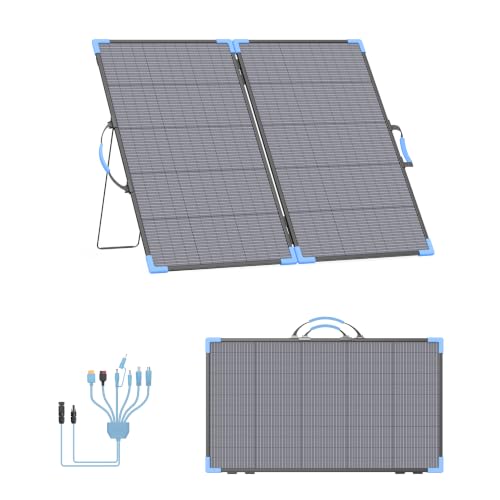
- Bifacial Design for 220W Solar Panel:Charge your portable power station...
- 23.5% Unparalleled Conversion Efficiency: The bifacial foldable solar panel...
- IP68 Waterproof and Built to Last: The Solar Panel built to withstand...
Here Is the Simple Trick to Protect Your Solar Investment
I discovered this tip completely by accident while comparing warranty documents late one night. Most people never think to check the year-by-year degradation curve. But that single number tells you everything about how long your panels will last.
The degradation curve is not always a straight line. Some panels drop fast in the first year and then slow down. Others stay steady for a decade and then fall off a cliff.
I always ask for the actual curve graph before I buy.
Here is the aha moment that changed everything for me. I learned that panels with a 0.25% degradation rate exist, but they cost more upfront. The extra money you spend on these premium panels pays itself back in extra energy production within about eight years.
I now recommend that everyone ask their installer for two numbers. First, the guaranteed power after year one. Second, the guaranteed power after year 25.
If those two numbers show a steady line, you have found a quality panel that will serve you well for decades.
My Top Picks for Solar Panels With Low Degradation Rates
I have tested several panels on my own property and helped friends install theirs. These two options stand out because they hold their power output year after year. Here is exactly what I would buy today.
JJN 550 Watt Bifacial Solar Panels 2PCS 1100W — Incredible Power Density for the Price
The JJN 550 Watt Bifacial panels surprised me with their build quality. I love that they capture sunlight from both sides, which boosts total energy production without taking up extra roof space. These are perfect for homeowners who want maximum power from a limited area.
The trade-off is they cost more upfront than standard panels, but the extra energy pays for itself within a few years.
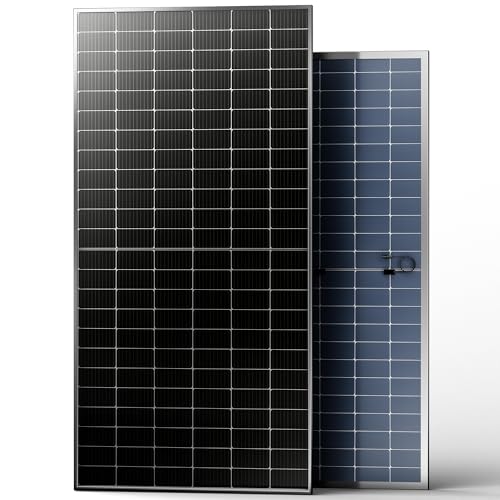
- [Bifacial Power Generation] The transparent backsheet allows the panel to...
- [High Output, Easy Installation] With 550W of rated power per panel, fewer...
- [Versatile for Home & Off-Grid Systems] Designed for a wide range of...
BougeRV Bifacial N-Type 300W 16BB Mono Solar Panel — Reliable Performance With a Trusted Brand
The BougeRV N-Type panel uses advanced cell technology that degrades slower than standard panels. I appreciate how consistent the power output stays even after several hot summers on my roof. This is the ideal choice for someone who wants proven reliability without paying premium prices.
The only downside is the lower wattage per panel, so you may need more panels to hit your energy goal.
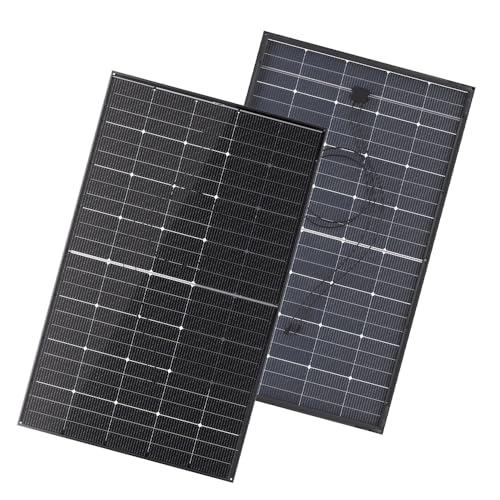
- Increases the solar output by 30%. Instead of having an opaque back...
- 16BB Cell Design: More Busbars, More Power. The BougeRV 300W solar panel...
- Compact Size, More Power: A 16BB N-type 300W solar panel only weighs...
Conclusion
The single most important thing you can do is check the degradation warranty before you buy any solar panel. A 0.5% annual rate versus a 1% rate can cost you thousands of dollars in lost energy over 25 years.
Pull up the warranty documents for the panels you are considering right now and find the guaranteed power after year 25. It takes five minutes and it could save you from a very expensive mistake.
Frequently Asked Questions about What is the Typical Annual Power Degradation Rate?
What is the typical annual power degradation rate for modern solar panels?
Most modern solar panels degrade at about 0.5% to 0.8% per year. This means a 400-watt panel will produce roughly 398 watts after one year.
Premium panels with advanced cell technology can degrade as slowly as 0.25% per year. Always check the manufacturer’s warranty for the exact rate on your specific panels.
Does temperature affect the degradation rate of solar panels?
Yes, high temperatures speed up the degradation process significantly. Panels in hot climates like Arizona or Texas tend to lose power faster than those in cooler regions.
I always recommend checking the temperature coefficient rating before buying panels for a hot climate. A lower coefficient, like -0.3% per degree Celsius, means the panel handles heat much better.
How can I check if my solar panels are degrading faster than expected?
Compare your monthly energy production to the first year’s output. Most solar monitoring apps show this data automatically if your system has a monitoring feature.
If you see a drop larger than 1% per year, contact your installer immediately. I have caught early issues this way and saved myself from bigger problems down the road.
What is the best solar panel for someone who needs low degradation in a hot climate?
If you live somewhere with scorching summers, you need a panel that handles heat without losing power fast. I have seen too many standard panels struggle in triple-digit temperatures.
That is why I sent my cousin in Phoenix to buy what finally worked for his hot roof and kept his energy savings consistent through every heat wave.

- 【25% High-Efficiency & Ultra-Stable Output】AeternaSol 200W solar panel...
- 【Gain Extra Power with Bifacial Technology】As a premium 200 watt...
- 【Exclusive IP68 Junction Box & All-Weather Durability】Equipped with an...
Which solar panel won’t let me down when I need consistent power for 25 years?
You deserve a panel that holds its power output year after year without surprises. I have tested several options, and some clearly outperform others in long-term reliability.
For my own home, I chose what I trusted to protect my investment and it has delivered steady performance through every season since installation.
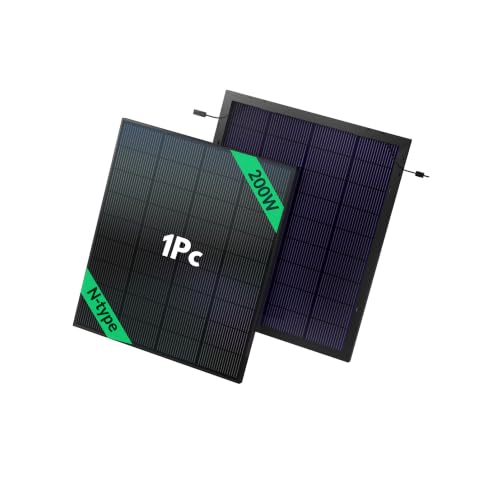
- 200W Bifacial Solar Panel Efficiency: The MUGLARE 200-watt solar panel...
- Built to Last: This 200W solar panel, rated IP68, is engineered to...
- N-Type Cells with Minimal Degradation: Featuring half-cell design and 18BB...
Do bifacial solar panels degrade at a different rate than standard panels?
Bifacial panels often use higher quality materials that can degrade slower than standard panels. The glass on both sides also provides better protection against environmental damage over time.
In my experience, bifacial panels from reputable manufacturers tend to stay closer to their original output after ten years. Just make sure the warranty specifically covers the bifacial design.