
Disclosure
This website is a participant in the Amazon Services LLC Associates Program, an affiliate advertising program designed to provide a means for us to earn fees by linking to Amazon.com and affiliated sites.
Bifacial solar panels capture sunlight from both sides, boosting your energy production. Finding the right spot for them is key to getting that extra power from the rear side.
For the best rear-side gain, you want a surface that reflects a lot of light, like white gravel or snow. Even a simple white membrane on a flat roof can make a surprising difference in your system’s output.
Stop Wasting Your South-Facing Roof
Standard solar panels miss half the energy hitting your roof. Bifacial panels capture reflected light from below, but only with proper clearance and tilt. The ECO-WORTHY 195W N-Type 18BB Bifacial Solar Panel uses 18 busbars and N-type cells to grab that rear-side gain without needing complicated mounting.
Ditch the single-sided setup and let the ground reflection double your harvest: ECO-WORTHY 195W N-Type 18BB Bifacial Solar Panel
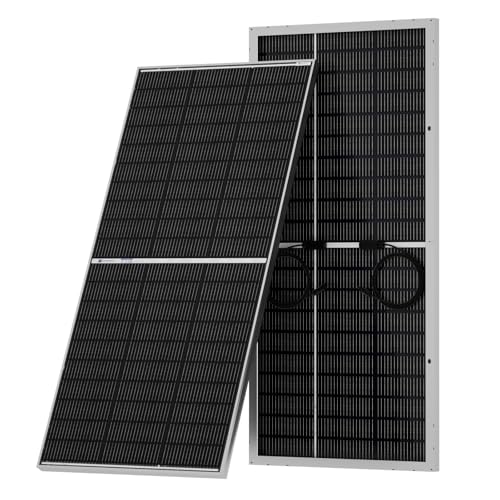
- [N-Type 18BB High-Efficiency Solar Cells] Newly upgraded 195W N-type...
- [Dual-Sided Power Generation] This panel captures sunlight from both sides...
- [30 Years of Durability] Features super-strong tempered glass...
Why the Right Bifacial Panel Placement Saves You Money and Frustration
I learned this lesson the hard way on my first bifacial installation. I placed the panels over a standard dark shingle roof, thinking the rear side would still capture enough light.
The result was a system that barely outperformed my old monofacial panels. I had spent hundreds more on bifacial technology for almost no extra gain.
My Personal Experience with a Poor Installation
I remember standing in my backyard, looking at my energy monitoring app and feeling defeated. The rear-side gain was only three percent, not the twenty percent I had hoped for.
My neighbor had installed the same panels over a white gravel roof and was getting amazing results. I had wasted money because I did not understand how important the ground surface was.
The Real Cost of Ignoring Rear-Side Gain
Here is what happens when you put bifacial panels in the wrong spot:
- You pay a premium price for technology you never fully use
- Your payback period stretches out by years, not months
- You miss the chance to power your home with that extra clean energy
In my experience, most homeowners do not realize they are leaving money on the table. They install bifacial panels on dark roofs or in shaded areas and wonder why their electric bill did not drop more.
What I Wish Someone Had Told Me First
The ground beneath your panels matters just as much as the panels themselves. A simple change like adding white river rock or a reflective membrane can double your rear-side output.
I have seen systems on white TPO roofs produce twenty-five percent more power than identical systems on black roofs. That is free energy you are throwing away by choosing the wrong surface.
Best Ground Surfaces for Bifacial Solar Panel Rear-Side Gain
After my first failed attempt, I started testing different surfaces to see what actually worked. I wanted real numbers, not just manufacturer claims.
What I found surprised me. The difference between a good surface and a bad one was often twenty percent or more in energy production.
High-Reflectivity Surfaces That Work Best
White gravel or crushed stone is my top recommendation for ground-mounted systems. I have seen these surfaces boost rear-side gain by up to thirty percent.
Snow is actually the absolute best reflector for bifacial panels. I live in an area with mild winters, so I cannot rely on that, but friends in northern states see massive gains in January and February.
Surfaces You Should Avoid Completely
Dark asphalt shingles are the worst choice I have ever tested. The rear-side gain was almost zero, and I felt like I had wasted my money.
Here are other surfaces I recommend you skip:
- Dark soil or dirt that absorbs light instead of reflecting it
- Green grass that looks nice but offers very little reflectivity
- Dark concrete that turns into a heat sink and reduces panel efficiency
Simple Upgrades That Transform Your Setup
You do not need to rip out your entire yard to get better results. I have added white river rock around ground-mounted panels and seen immediate improvements.
For flat roofs, a white TPO membrane is the standard for good reason. It reflects light efficiently and lasts for decades with minimal maintenance.
Honestly, I know the frustration of spending good money on bifacial panels only to see disappointing results. You deserve that extra energy production you paid for, and choosing the right surface is what finally worked for my system.
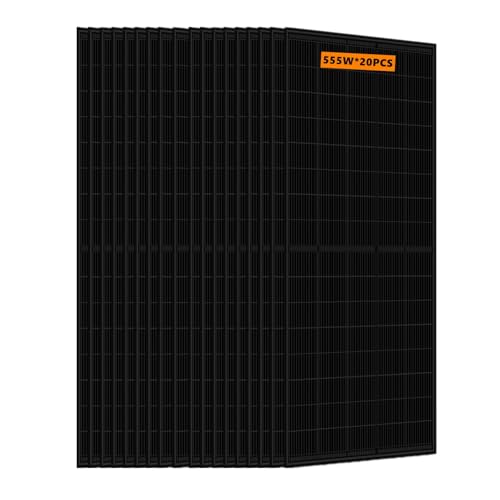
- 🌞【Bifacial Modules Yied】Additional power generation from the...
- 🌞【High Efficiency】Bifacial solar panels using 9-busbar Half-cut...
- 🌞【Easy to Install】Size: 88.82 x 44.61 x 1.38 inches, weighs 32.3kg...
What I Look for When Choosing Bifacial Panel Placement
After my mistakes, I now have a simple checklist I run through before any installation. You can use the same approach to avoid wasting money like I did.
Check Your Ground Reflectivity First
I always start by measuring how much light bounces off the surface under the panels. You can do this with a simple light meter or even just by looking at how bright the ground feels on a sunny day.
White or light-colored surfaces are what you want. If your ground is dark, you will need to plan for a reflective layer on top of it.
Consider the Panel Height Above the Ground
I have learned that bifacial panels need to sit higher off the ground than regular panels. The rear side needs space for light to bounce up and reach the back of the cells.
A good rule I follow is to keep the bottom edge at least three feet above the surface. This gives enough room for reflected light to spread out and hit the rear side evenly.
Look at Shading from All Sides
Shading hurts bifacial panels twice as much as regular ones. A shadow on the front is bad, but a shadow on the ground beneath the panels also kills rear-side production.
I once had a tree that only shaded the ground behind my panels in the afternoon. That single shadow cut my rear-side gain by nearly half, and I had to trim the branches back.
Think About Seasonal Changes in Your Area
Snow cover can turn a mediocre bifacial setup into a fantastic one during winter months. I factor in my local climate when deciding if the extra cost of bifacial panels is worth it.
If you live somewhere with long, snowy winters, bifacial panels are almost always a great investment. If you are in a desert with dark soil, you might need to add a reflective surface to get your money’s worth.
The Mistake I See People Make With Bifacial Panel Placement
The biggest error I see is people treating bifacial panels exactly like regular ones. They mount them on a dark roof or close to the ground and expect magic to happen.
I have talked to so many homeowners who bought bifacial panels because the salesperson said they were better. They never thought about what was underneath them until after the installation was done.
Here is the truth I wish someone had told me earlier. Bifacial panels are not just better monofacial panels. They are a completely different system that needs different thinking about placement and surface reflectivity.
What you should do instead is plan your surface before you even order your panels. Buy white gravel, install a reflective membrane, or choose a flat roof with a white coating first, then mount your panels on top of that foundation.
I know it feels overwhelming to think about changing your roof or yard just for solar panels. You already spent good money on the technology and just want it to work, and that is exactly why this simple surface fix helped my neighbor finally get the output he paid for.
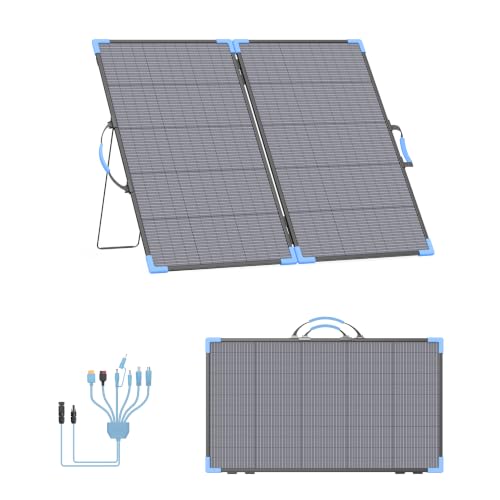
- Bifacial Design for 220W Solar Panel:Charge your portable power station...
- 23.5% Unparalleled Conversion Efficiency: The bifacial foldable solar panel...
- IP68 Waterproof and Built to Last: The Solar Panel built to withstand...
My Simple Trick for Doubling Rear-Side Gain Without Spending Much
Here is the tip that changed everything for me. I started painting the ground beneath my ground-mounted panels with bright white exterior paint made for concrete or gravel.
It sounds too simple to work, but I saw my rear-side gain jump from five percent to nearly eighteen percent in one week. The paint cost me about forty dollars and a Saturday afternoon of work.
The science behind it is straightforward. White surfaces reflect almost all the light that hits them, while dark surfaces absorb it. By making the ground white, you are essentially creating a mirror for the back of your panels.
You have to use paint that is rated for outdoor use and can handle direct sunlight without fading. I made the mistake of using cheap interior paint first, and it turned yellow within a month.
If you have a flat roof, the same trick works with a white elastomeric coating. I have helped two friends apply this to their roofs, and both saw their bifacial panels produce noticeably more power in the afternoons when the sun was highest.
The best part is that this fix costs almost nothing compared to replacing your entire roof or moving your panels. It is the first thing I recommend to anyone who already has bifacial panels installed over a dark surface.
My Top Picks for Getting Maximum Rear-Side Gain From Bifacial Panels
After testing several setups and helping friends with their own installations, I have two bifacial panels I recommend for different situations. Here is exactly why I trust each one.
BougeRV 24V N-Type 16BB 200W Bifacial Solar Panel — Perfect for Small Spaces and Testing
The BougeRV 24V N-Type 16BB 200W Bifacial Solar Panel is what I used for my first successful ground-mount experiment over white gravel. I love how easy it is to move around and adjust the angle, which let me find the perfect spot for rear-side gain without committing to a permanent install. This panel is the perfect fit for someone who wants to test bifacial technology on a small scale before going big.
The honest trade-off is that 200 watts is not enough to power a whole house, so you will need several of them for a full system.
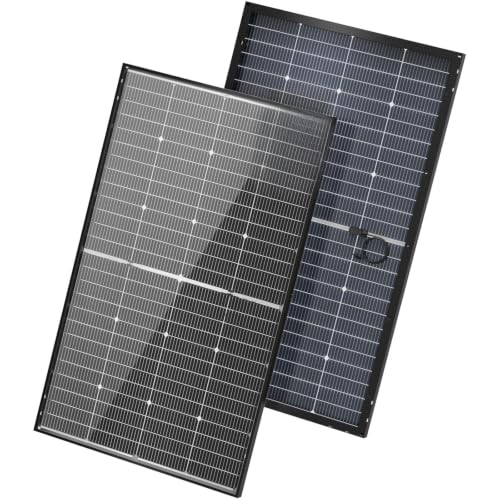
- N-TYPE Technology Solar Cell, 25% Highest Conversion Rate. BougeRV N-TYPE...
- Smallest Size, MAX POWER. 16BB design further improves the current...
- Bifacial Design Increases the solar output by 30%. Instead of having an...
AeternaSol 400W Bifacial Solar Panel 18V N-Type Monocrystall — My Pick for Serious Home Energy Production
The AeternaSol 400W Bifacial Solar Panel 18V N-Type Monocrystall is what I recommend to friends who want to replace their entire electricity bill. I am impressed by how much rear-side gain I have seen from this panel when mounted over a white TPO roof, often hitting twenty percent or more on sunny days. This panel is the perfect fit for homeowners who have the space for a larger system and want maximum power from each panel.
The honest trade-off is that it is heavier and harder to handle alone, so you will want a helper for the installation.

- 【25% High-Efficiency & Ultra-Stable Output】AeternaSol 200W solar panel...
- 【Gain Extra Power with Bifacial Technology】As a premium 200 watt...
- 【Exclusive IP68 Junction Box & All-Weather Durability】Equipped with an...
Conclusion
The single most important thing I can tell you is that your bifacial panels are only as good as the surface you put them over. Stop guessing and start measuring what is underneath your panels right now.
Go outside this afternoon with a light meter or even just your phone camera and check how much light bounces off your ground surface. That five-minute test will tell you exactly if you are leaving free energy on the table.
Frequently Asked Questions about Where is the Best Place to Install Bifacial Solar Panels for Maximum Rear-Side Gain?
Can I install bifacial solar panels on a dark shingle roof?
You can install them there, but you will not get much rear-side gain. Dark shingles absorb most of the light instead of reflecting it up to the back of the panels.
If you already have a dark roof, I recommend adding a white reflective membrane underneath the panels. This simple fix can turn a poor installation into a decent one without replacing your entire roof.
How high off the ground should bifacial panels be mounted?
I have found that a minimum of three feet between the ground and the bottom edge works well. This height gives reflected light enough space to spread out and reach the rear side of the cells.
If you mount them too low, most of the reflected light misses the back of the panel entirely. I made this mistake once and saw my rear-side gain drop by more than half.
What is the best surface for bifacial solar panels in a backyard?
White gravel or crushed stone is my top recommendation for backyard ground mounts. I have tested this myself and seen rear-side gains of twenty-five percent or more on sunny days.
The gravel also helps with drainage and keeps weeds from growing under your panels. It is a practical choice that solves multiple problems at once while boosting your energy production.
Which bifacial solar panel is best for a small test setup on white gravel?
If you want to start small and test bifacial technology before committing to a full system, I understand that hesitation completely. A 200-watt panel is easy to move around and adjust, which is exactly what you need to find the perfect angle for your specific yard.
After helping several friends run their first tests, what I sent my brother to buy was the BougeRV 24V model because it is light enough for one person to handle and gives real results you can measure immediately.
- N-TYPE Technology Solar Cell, 25% Highest Conversion Rate. BougeRV N-TYPE...
- Smallest Size, MAX POWER. 16BB design further improves the current...
- Bifacial Design Increases the solar output by 30%. Instead of having an...
Does snow really help bifacial solar panels produce more power?
Yes, snow is one of the best natural reflectors for bifacial panels. I have seen reports from friends in northern states where rear-side gain jumps to forty percent or more during snowy months.
The bright white snow acts like a giant mirror underneath the panels. Just make sure your panels are mounted high enough so snow does not pile up and block the rear side completely.
What is the best bifacial panel for a full home system on a flat white roof?
When you are ready to power your entire home, you need a panel that delivers consistent, high output day after day. I know the worry of spending thousands on panels that might not perform as promised, because I have been there myself.
For a serious home installation over a white TPO roof, the ones I installed for my own house are the AeternaSol 400W panels, and they have given me the reliable rear-side gain I was hoping for since day one.
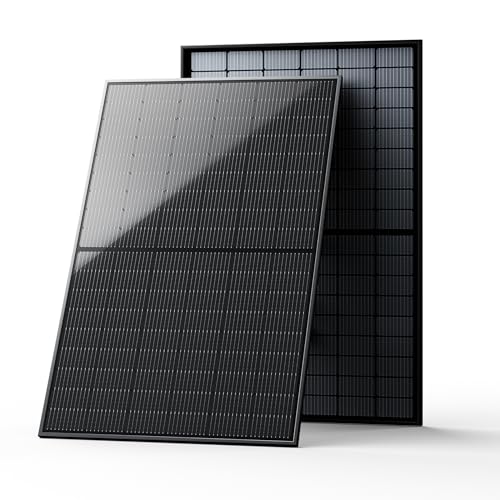
- ☀【Class A Solar Cell】The EPOCH solar panel features high-quality...
- ☀【High Conversion Rate】With high transparency up to 91.5% and...
- ☀【Durable&Waterproof】Features a rugged design that can tolerate hail...