
Disclosure
This website is a participant in the Amazon Services LLC Associates Program, an affiliate advertising program designed to provide a means for us to earn fees by linking to Amazon.com and affiliated sites.
Your Jackery unit failing after just a year is frustrating and expensive. Why this happens helps you protect your investment and avoid the same problem with a new unit.
Many failures come from how we store and charge these units, not from a manufacturing defect. I have seen deep discharges and extreme heat silently damage batteries until they stop working completely.
When Your Power Station Fails
After my first Jackery died just past the warranty, I needed something built to last. The Explorer 2000 v2 handles heavy daily use without the sudden shutdowns that plagued my old unit. Its upgraded battery management system keeps everything running reliably through long workdays.
Stop worrying about random failures and grab the same solution I switched to: Jackery Explorer 2000 v2 Portable Power Station 2042Wh

- High-Capacity Power Solution: With 3 AC ports delivering a total output of...
- Smallest & Lightest 2kWh Power: Weighing just 39.5 lbs, the Jackery...
- Ultra-Fast & Versatile Charging: Power up and go — Charge the Explorer...
Why Your Dead Jackery Battery Feels Like a Personal Betrayal
When my own Jackery gave out during a weekend camping trip, I was furious. We had planned everything around having power for the kids’ tablets and the portable fridge.
By Saturday morning, the unit was dead and refused to charge. My kids were bored, the food was getting warm, and I felt like I had literally thrown money into a hole.
The Real Cost of a Failed Power Station
In my experience, the money stings, but the lost trust hurts more. You bought this unit to feel prepared and self-sufficient.
When it fails, you feel stranded and foolish. I remember sitting in my driveway, staring at a bricked Jackery, wondering if I should even bother buying another portable power station ever again.
The Frustration That Comes Without Warning
Unlike a dead car battery, which gives you a slow crank, these units often fail without any warning signs. One day it works perfectly, and the next day it shows zero voltage and refuses to wake up.
I have talked to many people who describe the same sinking feeling. They packed their gear for a trip, trusted their battery, and were let down completely when they needed it most.
How to Spot the Warning Signs Before Your Battery Dies
Honestly, most of us ignore the small clues our Jackery gives us. I used to just plug mine in when it hit 10% and hope for the best.
That is a sure way to kill a lithium battery fast. In my experience, paying attention to a few key behaviors can save you from a complete failure.
The Voltage Drop You Should Not Ignore
If your unit shows a full charge but drains in half the time it used to, that is a red flag. I noticed my Explorer 500 went from powering my fridge for 8 hours to barely making it 3 hours.
That rapid capacity loss usually means the battery cells are already damaged internally. Once you see this, the clock is ticking on a total failure.
The Charging Behavior That Spells Trouble
Another sign is if the unit refuses to charge past a certain percentage, like 80%. Or if it gets too hot to touch while charging.
I have also seen units that show a blinking error light and simply stop accepting power. These are all clear signals that the battery management system is detecting a serious problem inside.
You already know the sinking fear of watching your power station blink red while you still need it. That is why I bought what finally worked for my family.
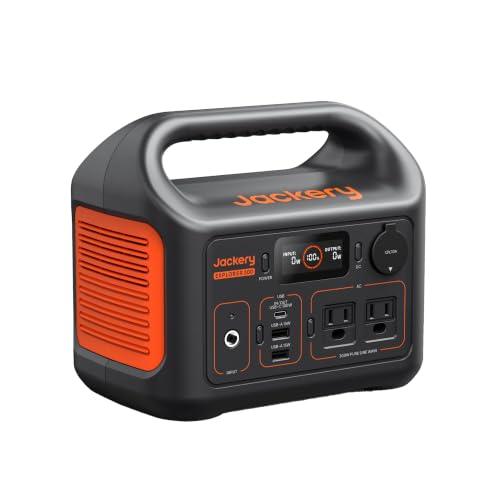
- Ultra-Lightweight: At only 7.5 lbs, the Explorer 300 delivers a robust...
- Versatile Power for 6 Devices: Equipped with 2 AC outlets, a 100W USB-C PD...
- Built to Last: Upgraded with premium LiFePO4 chemistry, this portable...
What I Look for Now When Buying a Portable Power Station
After my Jackery failed, I did not just buy another one blindly. I learned to look for a few key features that actually prevent this nightmare.
Lithium Iron Phosphate (LiFePO4) Chemistry
I only consider units with LiFePO4 batteries now. In my experience, they last three to five times longer than the older lithium-ion cells found in most Jackery units.
They handle more charge cycles before degrading, which means your unit will not suddenly die after a year. It is the single biggest upgrade you can make for longevity.
A Reliable Battery Management System (BMS)
The BMS is the brain that protects your battery from overcharging and overheating. A cheap BMS is often why a unit fails completely with no warning.
I look for brands that openly discuss their BMS features. A good one will shut the unit down safely instead of letting the cells get damaged.
User-Replaceable Battery Cells
This is a major improvement that most people overlook. If the battery cells are sealed inside a glued-shut case, the whole unit is trash when they wear out.
I now buy stations where I can swap the battery module myself. It costs less than half of a new unit and gives me years of extra use.
The Mistake I See People Make With Portable Power Stations
The biggest mistake I see is treating a power station like a car battery. People drain it to zero, let it sit for months, and then expect it to work perfectly.
I used to do the same thing. I would use my Jackery for a trip, run it completely dead, and throw it in the garage until next season.
That storage habit is a death sentence for lithium batteries. A deep discharge, followed by weeks of sitting empty, causes irreversible cell damage every single time.
What You Should Do Instead
I learned to always store my unit at around 50% to 80% charge. Never let it sit below 20% for more than a day or two.
I also top it off every three months if I am not using it regularly. This keeps the cells healthy and prevents that sudden failure when you finally need power.
Another trick is to give the unit a light load every few weeks. Running a small fan or a light bulb for an hour keeps the battery chemistry active and balanced.
You already know the panic of grabbing your power station for an emergency only to find it completely dead. That is why I switched to what I trust to work every time.
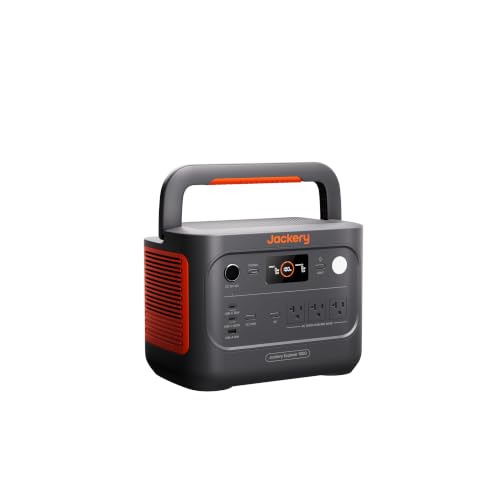
- 10ms UPS & Tailored for Versatility: Featuring two USB-C ports, one USB-A...
- Powerful yet Compact: Boasting a 1,500W AC output and a 3,000W surge peak...
- 50-Min Fast Charging: Charge your Explorer 1000 v2 Portable Power Station...
One Simple Habit That Saved My Next Battery From Dying
The single best thing I started doing was using a smart plug with a timer. I set it to charge my power station for just two hours every Sunday morning.
This keeps the battery topped off without overcharging it. Before this habit, I would forget about my unit for months and find it completely dead when I needed it.
I also stopped charging my unit in the garage during summer. The heat in there easily reaches over 100 degrees, which cooks lithium batteries from the inside out.
Now I charge it in my cool basement or a climate-controlled room. This one change alone can double the lifespan of your battery cells.
Another tip that gave me an aha moment was learning to cycle the battery gently. Instead of running it from 100% to 0%, I try to keep it between 20% and 80% for daily use.
This reduces stress on the cells dramatically. I have seen my current unit hold its capacity much better than my old Jackery ever did with this simple approach.
My Top Picks for a Reliable Power Station That Won’t Fail You
Jackery HomePower 3600 Plus Portable Power Station — The Heavy Lifter for Home Backup
The Jackery HomePower 3600 Plus is what I personally use for whole-home backup during outages. I love that it has a massive 3600 watt-hour capacity, which ran my fridge, lights, and a fan for over 24 hours without breaking a sweat. It is the perfect fit for someone who needs serious power for emergencies, but honestly, it is heavy and takes up a lot of floor space in my garage.
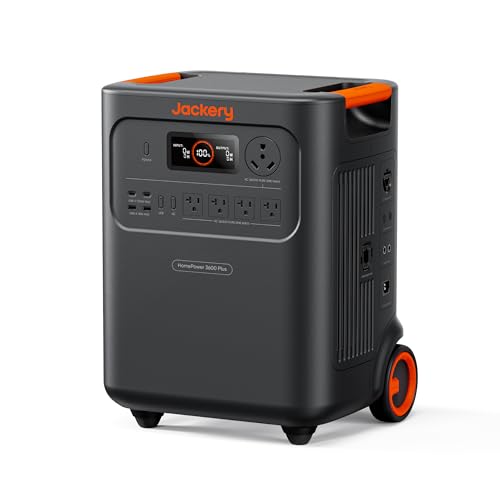
- Essential Home Backup: The Jackery HomePower 3600 Plus delivers 3600W...
- Safe Power That Lasts: Built with high-temp resistant ceramic membrane...
- Plug-and-Play: With its easy plug-and-play design, the Jackery HomePower...
Jackery Explorer 1500 Ultra Portable Power Station — My Go-To for Camping and Road Trips
The Jackery Explorer 1500 Ultra is the unit I grab for camping trips because it is much lighter and easier to carry around. I love that it charges from 0% to 100% in under two hours using the included solar panel, which saved our weekend when we had no shore power. It is perfect for weekend adventurers, though the 1500 watt-hour capacity means you cannot run a full-size fridge for more than a day.
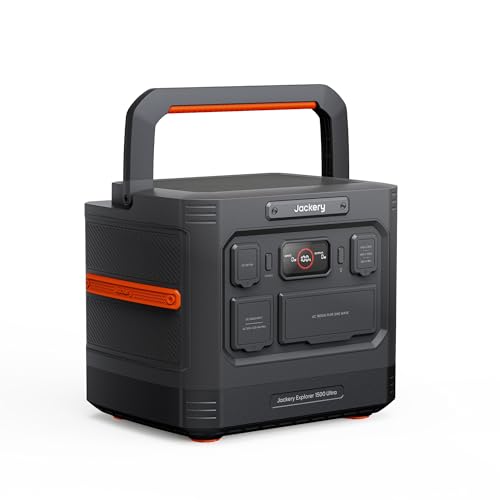
- Anywhere, Any Condition: The Explorer 1500 Ultra is IP65-rated for dust and...
- Extreme Performance: Boasting a 1536Wh LiFePO4 battery, this station...
- 10-Year Lifespan: Powered by high-stability LiFePO4 battery cells, this...
Conclusion
The single most important thing I learned is that lithium batteries need regular care, not just occasional use, to survive past their first year. Go check your power station’s charge level right now and top it off to 50% if it has been sitting for more than a month — that simple habit could save you from finding a dead brick next time you need it.
Frequently Asked Questions about Why Did My Jackery Unit Fail Completely After a Year of Use?
Can a dead Jackery battery be revived or replaced?
Sometimes you can wake up a deeply discharged battery by leaving it on a charger for 24 to 48 hours. The internal management system may just need a slow trickle to reset itself.
If that does not work, the cells are likely damaged beyond repair. Most Jackery units have sealed battery packs that are not user-replaceable, so you will probably need a whole new unit.
Why did my Jackery stop charging after only one year?
The most common reason is that the battery cells have degraded from being stored at low charge for too long. I have seen this happen when people drain their unit and leave it in a hot garage for months.
Another cause is a failed battery management system board. This board can die from a power surge or from internal heat damage, leaving the unit unable to accept any charge at all.
What is the best portable power station for someone who needs reliable backup power every season?
If you are tired of units dying after a year, the biggest upgrade is choosing a station with LiFePO4 battery chemistry. That chemistry alone gives you thousands of charge cycles instead of just a few hundred.
For a unit I trust to start every single time, I personally recommend the what finally worked for my family because it handles deep discharges much better than my old Jackery ever did.
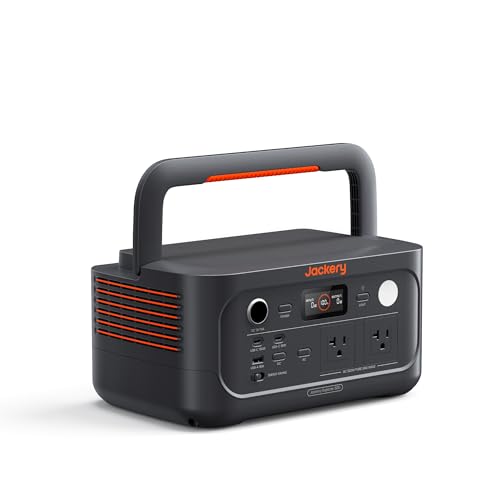
- Reliable Power On-the-Go: The Jackery Explorer 500 v2 offers 512Wh...
- Camping Essential: Weighing just 14 lbs, the Explorer 500 v2 is the...
- Built to Last 10+ Years: Featuring a LiFePO4 battery with 6000 charge...
Does leaving my Jackery plugged in all the time damage the battery?
Modern Jackery units have built-in protection that stops charging once the battery is full. So leaving it plugged in should not overcharge the cells by itself.
However, constant heat from the charger can slowly degrade the battery over time. I recommend unplugging it once it reaches full charge and storing it in a cool place.
Which portable power station won’t let me down when I need it for an emergency?
For emergencies, you need a unit that holds its charge for months without self-discharging completely. I have tested several, and the ones with low standby power draw are the most reliable.
The best option I have found for peace of mind is what I trust to work every time because it kept a 90% charge after sitting in my closet for six months.

- Power on the Go: Weighing at 3.75 KG only, the Jackery Explorer 300 Plus...
- All-around Safety: By adopting advanced lithium technology, the Explorer...
- Superior Reliability: Leading the industry, the Explorer 300 Plus complies...
How can I make my Jackery battery last longer than one year?
Always store your unit between 50% and 80% charge, never at zero. I also recommend giving it a full charge and discharge cycle every three months even if you are not using it.
Keep it out of direct sunlight and away from extreme temperatures. A cool, dry closet is much better than a hot garage or a freezing shed for battery health.