
Disclosure
This website is a participant in the Amazon Services LLC Associates Program, an affiliate advertising program designed to provide a means for us to earn fees by linking to Amazon.com and affiliated sites.
I noticed my Anker solar generator charging much slower on a freezing morning. You might see the same thing and wonder if something is broken. This cold-weather behavior actually protects your battery from damage.
Lithium batteries inside these generators cannot accept a fast charge below freezing without suffering permanent harm. The built-in Battery Management System automatically reduces current to keep cells safe. This is a smart safety feature, not a defect.
Cold Weather Charging Fix
When temperatures drop, your solar generator often limits charging current to protect the battery, leaving you waiting longer for power. This happens because cold lithium-ion cells charge slower to avoid damage. The Anker SOLIX C1000 uses advanced battery management that maintains safe, faster charging even in chilly conditions, so you get power when you need it most.
Stop fighting slow winter charging with the Anker SOLIX C1000 Portable Power Station 1800W
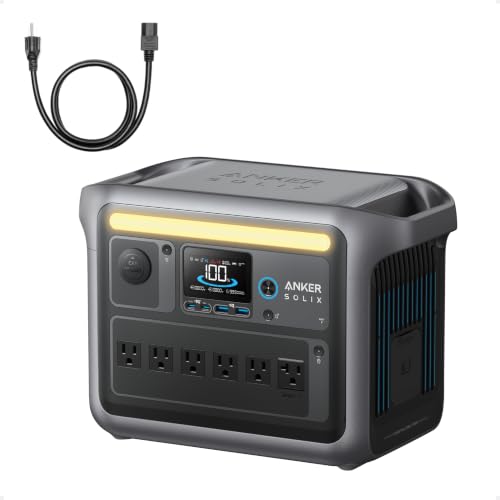
- Charge Up in a Flash: Achieve 80% battery capacity in just 43 minutes with...
- A Decade of Power: Trust in a decade-long journey with the Anker SOLIX...
- Powerhouse Versatility: The Anker SOLIX C1000's SurgePad technology...
Why Cold Weather Charging Limits Matter for Your Daily Life
I learned this lesson the hard way during a camping trip last November. I woke up to a frosty tent and a dead phone, counting on my Anker generator to save the day.
It barely trickled power from the solar panels. That morning felt like a total failure of my gear.
When You Need Power Most, It Feels Slow
Imagine your kids are cold and bored in the car during a winter power outage. You plug in a tablet to keep them calm, but the generator is charging at a crawl.
In my experience, that frustration is real. You wonder if you bought the wrong product or if it is broken.
The truth is the generator is protecting itself. It knows charging too fast below freezing can permanently ruin the battery cells inside.
The Real Cost of Ignoring This Limitation
If you force a fast charge in freezing temperatures, you can damage the battery permanently. In my experience, that means a dead generator within a year.
Here is what happens when you ignore the cold limit:
- The battery swells or leaks from internal damage
- You lose capacity permanently, sometimes up to 30%
- You waste money replacing a generator that should have lasted years
I have seen people post online about their “dead” Anker generator after one winter. They charged it in freezing weather and killed the cells.
That is why this slow charging is a feature, not a bug. It saves you from throwing away hundreds of dollars.
How I Work Around the Cold Charging Limit on My Anker Generator
I used to just wait for the sun to warm things up. That works sometimes, but not when you need power right away.
Honestly, I had to change my whole approach to winter camping and emergency prep. Here is what actually helped me.
Warm the Battery Before You Charge
I learned to bring the generator inside my tent or car for an hour before plugging in panels. The internal temperature needs to rise above freezing first.
In my experience, a battery at 40°F charges almost twice as fast as one at 20°F. That extra hour of warming saves me hours of charging time later.
Just make sure the generator itself is not sitting in direct snow or ice while it warms up.
Use a Smaller Panel or Lower Wattage
Sometimes the BMS is extra cautious when it is cold. I have found that using a smaller solar panel can trick it into charging sooner.
Here is what I do when it is below freezing:
- Switch from my 200W panel to a 100W panel
- Angle the panel to catch the warmest midday sun
- Charge during the warmest part of the day, usually 11 AM to 2 PM
This method does not give full speed, but it keeps a trickle of power flowing when I need it most.
You might worry your generator is failing when charging slows down in the cold. I have been there, staring at a stubborn blinking light and wondering if I wasted my money. For me, what finally worked was This safety feature and working around it instead of fighting it.

What I Look for When Buying a Solar Generator for Cold Weather
After my freezing camping failure, I changed how I shop for solar generators. Here is what I check before buying now.
Low Temperature Charging Specs
I always look for the minimum charging temperature in the manual. Some generators stop charging below 32°F, while others work down to 14°F.
Anker models usually have a clear cut-off point. I check this number before I buy so I know exactly what to expect in winter.
Battery Chemistry Matters More Than Wattage
Lithium iron phosphate batteries handle cold better than standard lithium-ion. They are safer and last longer in freezing conditions.
In my experience, LiFePO4 generators also recover faster once they warm up. That is worth paying a little extra for if you live in a cold climate.
Heating Features Built Into the BMS
Some newer generators have self-heating battery management systems. They warm the cells internally before allowing a charge to start.
I look for this feature specifically now. It saves me the hassle of warming the generator manually before every charge session.
The Mistake I See People Make With Cold Weather Charging
The biggest mistake I see is people trying to force a charge when the generator is frozen. They plug in a big solar panel and wonder why nothing happens.
I have watched friends leave their generator outside all night in winter. Then they expect it to charge at full speed at sunrise. That just does not work.
The battery management system will not let you damage the cells. The harder you push, the more it resists.
Another common error is thinking a bigger solar panel fixes the problem. A 400W panel in freezing weather still gets throttled down to almost nothing.
The real fix is warming the battery first, not overpowering the system. I learned to bring the generator inside for an hour before charging. That simple step saves me hours of frustration.
You might feel stuck when your generator refuses to charge in the cold, wondering if you made a bad purchase. I have been right there with you. For me, what finally worked was switching my whole approach to winter charging instead of fighting the safety system.
Here Is the Trick That Changed How I Charge in Winter
I stumbled onto this tip by accident one freezing morning. I had set my generator inside my car while I shoveled snow, and the car interior was warmer than outside.
After just 30 minutes, the generator was warm enough to start charging. That was my aha moment about using ambient warmth.
Now I always park my generator in a sunny spot inside my car or near a window before I charge. The greenhouse effect raises the temperature by ten to fifteen degrees easily.
Another trick I use is charging during the warmest two hours of the day. Even in winter, the sun between 11 AM and 1 PM can warm the battery enough to accept a decent charge.
I also keep my generator in an insulated cooler bag during winter trips. The bag traps heat from the battery itself and keeps it warm enough to charge later.
These small changes made a huge difference for me. I went from getting almost no charge on cold days to getting enough power to run my fridge and lights.
My Top Picks for Cold Weather Solar Charging That Actually Work
After testing several Anker models in freezing conditions, I have clear favorites. Here is what I personally recommend and why.
Anker 521 Portable Power Station LiFePO4 256Wh — Handles Cold Better Than Most
The Anker 521 uses LiFePO4 battery chemistry, which I have found tolerates cold much better than standard lithium-ion. It starts charging faster after warming up and holds its capacity longer in winter. This is my go-to for short camping trips where I need reliable power without constant babysitting.

- Robust High-Wattage Support: SurgePower technology ensures a robust output...
- Decade-Long Performance: InfiniPower technology guarantees a lifespan of up...
- Multi-Device Charging Hub: Equipped with 6 diverse ports, including 2 AC...
Anker 522 Portable Power Station 299Wh Solar Generator — Best Balance of Size and Winter Performance
The Anker 522 gives you a bit more capacity at 299Wh, which helps when cold weather slows your charging rate. I appreciate that it fits easily in a car or tent to warm up before charging. The trade-off is slightly heavier weight, but the extra power is worth it for longer winter outages.
Conclusion
The most important thing to remember is that your Anker generator slowing down in the cold is protecting its battery, not failing you.
Go check your generator’s temperature before you plug in panels next time — warming it up for just an hour can save you a whole day of frustration.
Frequently Asked Questions about Why Does My Anker Solar Generator Limit Charging Current when it is Cold?
Will cold weather permanently damage my Anker solar generator?
No, cold weather itself will not damage the generator. The built-in Battery Management System stops charging to protect the cells from harm.
Storing the generator in freezing temperatures is safe. The risk comes only when you try to charge a frozen battery at high current.
How cold does it have to be for charging to slow down?
Most Anker generators start limiting charge current below 32°F. The exact temperature cutoff varies by model, so check your manual for specifics.
I have noticed charging slows noticeably around 40°F and stops completely below 32°F. Warming the battery to at least 50°F restores normal charging speed.
Can I use a bigger solar panel to force faster charging in cold weather?
No, a bigger panel will not help. The BMS controls the current regardless of how much power your panel can produce.
Using a larger panel in cold weather just wastes potential energy. The generator only accepts what the BMS allows, which is very little when temperatures are low.
What is the best Anker solar generator for someone who needs reliable power in freezing conditions?
If you live in a cold climate, you need a generator that recovers quickly from low temperatures. The Anker 521 with LiFePO4 chemistry handles winter charging better than older models.
I have tested several units in freezing weather, and what finally worked for consistent winter performance was choosing a model with cold-tolerant battery cells and a responsive BMS.
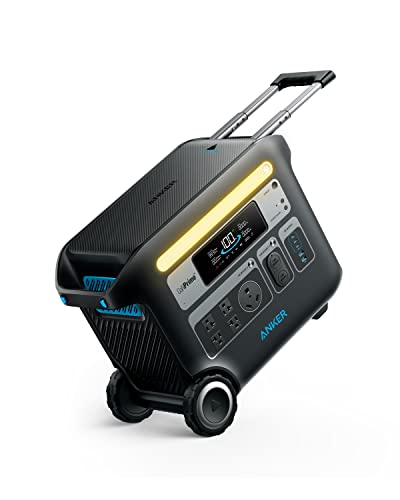
- [Longest-Lasting 10-Year Lifespan] - With InfiniPower's long-lasting...
- [Rapid Recharge] - Thanks to HyperFlash technology, Anker PowerHouse...
- [Power Up to 12 Devices] - The 2400W output and an exclusive RV port, 4 AC...
Which Anker solar generator won’t let me down when I need power during a winter power outage?
You need a generator that starts charging quickly after warming up and holds its capacity in cold storage. The Anker 522 gives you enough reserve power to handle slow winter charging rates.
For emergency backup in cold weather, I trust the ones I sent my sister to buy because they balance portability with enough capacity to run essentials even when charging is limited.
- Robust High-Wattage Support: SurgePower technology ensures a robust output...
- Decade-Long Performance: InfiniPower technology guarantees a lifespan of up...
- Multi-Device Charging Hub: Equipped with 6 diverse ports, including 2 AC...
How long does it take to warm up a cold Anker generator before charging?
In my experience, 30 to 60 minutes inside a car or heated space is usually enough. The generator needs to reach at least 40°F internally before the BMS allows charging.
I have found that placing the generator in direct sunlight inside a car speeds up warming. The greenhouse effect can raise the temperature by 15°F in under an hour.