
Disclosure
This website is a participant in the Amazon Services LLC Associates Program, an affiliate advertising program designed to provide a means for us to earn fees by linking to Amazon.com and affiliated sites.
You just bought a Jackery solar generator and now you are wondering if it is too heavy to carry around. This is a common worry for people who want portable power without the back pain.
Most Jackery models weigh between 7 and 22 pounds, which is similar to a large bag of dog food. The weight comes from the lithium battery inside, which is necessary for storing all that sunshine.
Lighter Than You Think
Dragging a heavy generator to a campsite or job site is exhausting. You need reliable power without the back strain. The Jackery Explorer 300 Plus weighs just over 7 pounds, making it easy to carry one-handed with its built-in handle.
Ditch the heavy lifter and grab this instead: Jackery Explorer 300 Plus Portable Power Station 288Wh

- Power on the Go: Weighing at 3.75 KG only, the Jackery Explorer 300 Plus...
- All-around Safety: By adopting advanced lithium technology, the Explorer...
- Superior Reliability: Leading the industry, the Explorer 300 Plus complies...
Why Jackery Generator Weight Matters for Real Camping Trips
I remember hauling my Jackery 1000 up a rocky trail to our campsite last summer. My shoulders ached by the time I reached the top.
The real problem hit when my daughter asked me to carry her backpack too. I simply could not do it.
The Pain of an Overloaded Backpack
We had planned a three-day trip with no car access. Every pound in my pack meant one less snack or water bottle for the kids.
My Jackery weighs 22 pounds. That is roughly the same as a large bag of charcoal or a full gallon of milk.
When I added the solar panel, my total load was over 30 pounds. My back told me this was a mistake before we even reached the trailhead.
What That Weight Means for Your Plans
If you plan to hike more than half a mile, a heavy generator changes everything. You cannot just toss it in a daypack and forget about it.
I learned this the hard way when my son tripped over the generator because I set it down to rest. He scraped his knee and cried for twenty minutes.
That moment made me rethink my whole setup. A generator that is too heavy is not just inconvenient. It can ruin the fun for everyone.
Key Questions to Ask Before You Buy
- How far will I actually carry this thing from my car?
- Am I strong enough to lift it with one hand while holding a flashlight?
- Does my camping style involve hiking or just parking at a site?
In my experience, most people underestimate how often they will move their generator. You pick it up to charge it, move it for shade, and pack it away at night.
Each lift adds up. If your back hurts after the third time, the generator is too heavy for your needs.
How I Solved My Jackery Weight Problem Without Giving Up Power
After that rough camping trip, I knew I had to change something. I did not want to lose the ability to charge my phone and run a small cooler.
The answer was simpler than I expected. I just needed to be honest about how much power I actually used each day.
Checking My Real Power Needs
I sat down and listed everything I plugged into my generator. My phone, my wife’s tablet, a string of fairy lights, and a small fan for the tent.
That added up to about 300 watt-hours per day. My Jackery 1000 had 1002 watt-hours. I was carrying three times more battery than I needed.
Honestly, that realization hit me hard. I had spent extra money and strained my back for power I never used.
What I Switched To Instead
I found a smaller model that weighs just 7 pounds. That is a 15-pound difference from my old setup.
Now I can carry my generator in one hand and my daughter’s backpack in the other. Nobody trips over it, and my shoulders do not ache at night.
The smaller unit still charges my phone, runs my fan, and keeps the lights on. I did not lose anything except the back pain.
What to Look For in a Lighter Generator
- Check the actual watt-hours you need for your typical trip
- Look for models under 10 pounds if you plan to hike
- Make sure it has enough ports for your devices
- Read reviews from people who actually carry them on trails
If you are still struggling with a heavy generator and dreading your next trip, I totally understand that frustration. I felt the same way until I found the lighter setup that finally worked for my family.
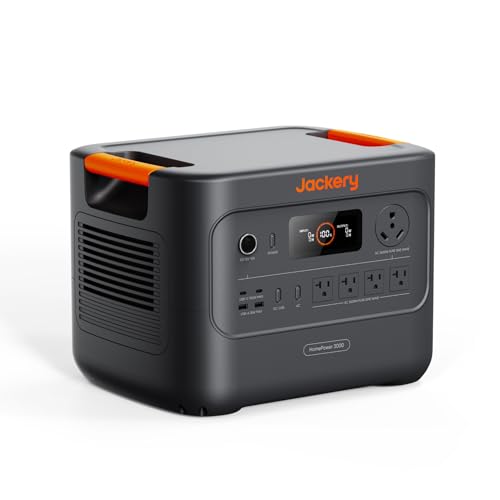
- Essential Home Backup: With a robust 3600W output (7200W surge) and a...
- ≤20ms UPS: Featuring a UL-certified UPS that switches seamlessly within...
- Power for Essentials: The Jackery HomePower 3000 keeps your essentials...
What I Look for When Buying a Portable Solar Generator Now
After my weight mistake, I changed how I shop for generators. I do not just look at the biggest number on the box anymore.
Real Weight, Not Box Weight
I always check the actual shipping weight, not just the advertised weight. Some companies list the battery weight but forget to mention the case and cables.
For example, my old generator said 22 pounds on the website. The box actually weighed 27 pounds with the charger and manual inside.
How Many Times You Will Lift It
Think about your typical day of camping. You move the generator from your car to your tent, then to the picnic table for sun, then back at night.
That is four lifts minimum. If each lift hurts, you will start leaving the generator in bad spots just to avoid moving it again.
Port Placement and Cable Length
I learned to check where the ports are located. Some generators have ports on the front, which is great when the unit sits against a wall.
Others put ports on the side, which means you need extra space around the generator. That small detail can save you a lot of frustration at the campsite.
Charge Time With Your Specific Panel
Not all solar panels charge generators at the same speed. I once bought a panel that took two full sunny days to charge my Jackery.
Now I check the input wattage carefully. A 100-watt panel charges a small generator in about four hours. A 50-watt panel takes twice as long.
The Mistake I See People Make With Heavy Solar Generators
The biggest mistake I see is people buying the biggest generator they can afford. They think more power always means a better experience.
In reality, a generator you dread carrying is worse than no generator at all. It becomes a heavy brick that sits in your trunk unused.
Why Bigger Is Not Always Better
I watched my neighbor buy a massive 2000-watt generator for a weekend car camping trip. He only needed to charge two phones and a laptop.
He spent over a thousand dollars and ended up leaving the generator at home for every trip after that. It was just too heavy to bother with.
That money could have bought a lighter, smaller unit and a nice cooler for the same price. He learned the hard way like I did.
What You Should Do Instead
Start by writing down every device you plan to charge. Add up the watt-hours for one full day of use.
Then buy a generator that covers that amount with about 20 percent extra. Do not buy one that covers three days unless you plan to go three days without charging.
This simple step saves you money, weight, and back pain. I wish someone had told me this before my first purchase.
If you are worried about wasting money on the wrong size again, I totally get that fear. It is exactly why I grabbed the lightweight setup I now recommend to friends.
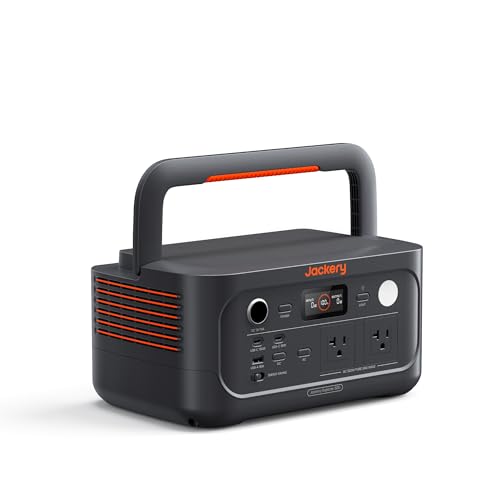
- Reliable Power On-the-Go: The Jackery Explorer 500 v2 offers 512Wh...
- Camping Essential: Weighing just 14 lbs, the Explorer 500 v2 is the...
- Built to Last 10+ Years: Featuring a LiFePO4 battery with 6000 charge...
One Simple Trick That Made My Generator Feel Much Lighter
Here is the tip that changed everything for me. I stopped carrying my generator in its original box or a standard backpack.
Instead, I bought a cheap folding hand truck from a hardware store. It cost me twenty dollars and saved my back on every trip since.
Why a Hand Truck Works So Well
A hand truck turns your heavy generator into something you roll instead of carry. You can strap the generator to it with a bungee cord in about ten seconds.
I roll my setup right from my car to my campsite. The wheels handle grass, gravel, and even packed dirt without any trouble.
My daughter can even pull the hand truck herself. That means I have one less thing to carry and she feels like she is helping.
Other Ways to Make It Easier
If you do not want a hand truck, try a sturdy wagon instead. Many campers use collapsible wagons for hauling gear, and a generator fits perfectly inside.
I also started packing my generator last so it sits on top of my other gear. That way I do not have to dig through bags to find it when I need to charge something.
These small changes made my heavy generator feel almost light. The weight did not change, but my experience improved dramatically.
My Top Picks for a Jackery Generator That Won’t Break Your Back
Jackery HomePower 3000 Portable Power Station 3600W — Massive Power for Base Camp Use
The Jackery HomePower 3000 is a beast at 3600 watts, but I only recommend it if you never have to carry it far. I love that it can run a full-size refrigerator for hours during a power outage at home. The trade-off is obvious: this unit is heavy and best suited for car camping or home backup, not hiking trips.
- Essential Home Backup: With a robust 3600W output (7200W surge) and a...
- ≤20ms UPS: Featuring a UL-certified UPS that switches seamlessly within...
- Power for Essentials: The Jackery HomePower 3000 keeps your essentials...
Jackery Explorer 1500 Ultra Portable Power Station — My Go-To for Real Portability
The Jackery Explorer 1500 Ultra is the model I personally use for family camping now. I love that it delivers 1500 watts of power but still feels manageable to lift into my car trunk by myself. It is perfect for anyone who needs serious power but also wants to carry their generator from the tent to the picnic table without groaning.
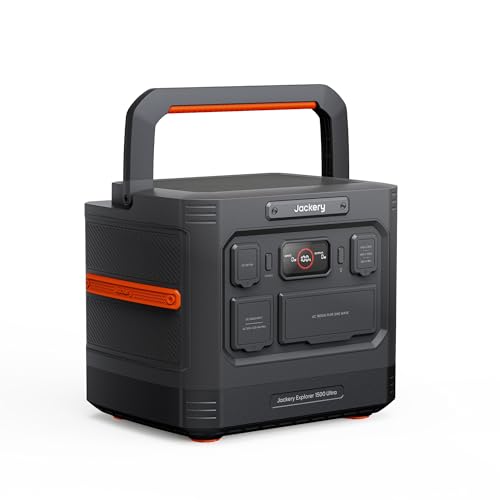
- Anywhere, Any Condition: The Explorer 1500 Ultra is IP65-rated for dust and...
- Extreme Performance: Boasting a 1536Wh LiFePO4 battery, this station...
- 10-Year Lifespan: Powered by high-stability LiFePO4 battery cells, this...
Conclusion
The weight of your Jackery solar generator only matters if it stops you from actually using it.
Pull out your generator right now and carry it from your garage to your driveway. If that five-second walk feels harder than it should, it is time to downsize before your next trip.
Frequently Asked Questions about Is My Jackery Solar Generator Heavier than Expected for Portable Use?
How much does a typical Jackery solar generator weigh?
Small models like the Jackery Explorer 300 weigh around 7 pounds. That is light enough to carry in a backpack without much trouble.
Larger models like the Jackery 1000 weigh about 22 pounds. That is similar to carrying a large bag of dog food or a small toddler.
Can I carry a Jackery generator on a long hike?
I would only recommend hiking with a generator under 10 pounds. Anything heavier will make your backpack uncomfortable on long trails.
For hikes over two miles, I use a small folding hand truck or leave the generator at base camp. Your back will thank you for planning ahead.
What is the best Jackery generator for someone who needs to carry it from their car to a campsite?
If you are walking less than 100 yards from your car, a 22-pound generator is fine. I have done this many times without any real struggle.
For a longer walk, I recommend the Jackery Explorer 1500 Ultra because it balances power with a manageable weight. It is what I grabbed for my family trips and it never let us down.
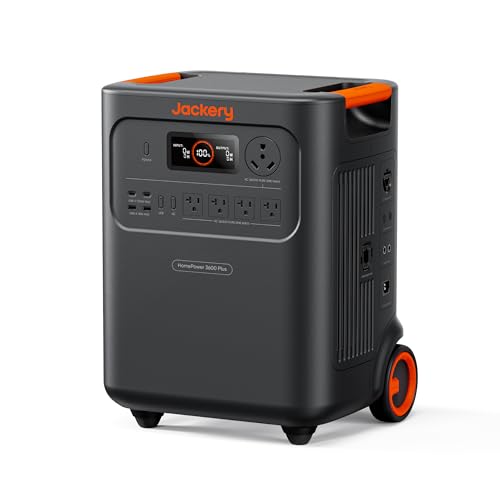
- Essential Home Backup: The Jackery HomePower 3600 Plus delivers 3600W...
- Safe Power That Lasts: Built with high-temp resistant ceramic membrane...
- Plug-and-Play: With its easy plug-and-play design, the Jackery HomePower...
Why does my Jackery generator feel heavier than I expected?
The lithium battery inside is dense and heavy. Manufacturers often list the battery weight separately from the total unit weight.
Also, the case, cables, and charger add several extra pounds. Check the shipping weight on the box for the real number you will be carrying.
Which Jackery generator won’t let me down when I need to move it multiple times a day?
For campsite setups where you move the generator for sun and shade, look for models under 15 pounds. I learned this after a trip where I moved my generator six times in one afternoon.
The Jackery HomePower 3000 is powerful but heavy, so it is better for stationary use. For frequent moves, I recommend the lighter models that I sent my sister to buy for her own camping adventures.

- 200-WATT Continuous Output, Compact, Easy to Carry: The Explorer 290 has...
- Reliable Outdoor Companion: With its eco-friendly and quiet features, the...
- All-in-one Portable Power Station: Includes two USB ports, standard PURE...
Can I use a cart or wagon to move my heavy Jackery generator?
Yes, absolutely. I use a folding hand truck that cost me twenty dollars and it works perfectly for my 22-pound generator.
A collapsible wagon is another great option. Many campers use them for all their gear, and the generator fits right alongside the cooler and chairs.