
Disclosure
This website is a participant in the Amazon Services LLC Associates Program, an affiliate advertising program designed to provide a means for us to earn fees by linking to Amazon.com and affiliated sites.
I remember the first time I packed my Jackery for a camping trip. I was shocked by how heavy it felt when I lifted my backpack.
The weight comes from the large lithium-ion battery cells inside. These cells are dense and powerful, but they add serious pounds to your gear.
The Real Solution to Heavy Power
When your Jackery weighs you down on the trail, every mile feels like a punishment. You need serious power without the back-breaking weight. The Jackery Explorer 2000 Plus gives you 2042Wh of capacity in a package you can actually manage, so you stop dreading the hike in.
Ditch the back strain for good with the Jackery Explorer 2000 Plus Portable Power Station 2042Wh

- Magnificent Performance: Featuring up to 2,042.8 Wh gigantic capacity, the...
- Ultra Fast Charging: Charge directly from the sun or via wall outlet...
- 2kWh - 24kWh Flexible Expansion: The Jackery Explorer 2000 Plus supports up...
Why a Heavy Power Station Ruins Your Camping Experience
The Day My Back Gave Out
I will never forget the hike to Eagle Lake. I had my Jackery 1000 strapped to my pack, and by mile two, my shoulders were screaming.
My daughter kept asking why we had to stop so often. I didn’t have the heart to tell her it was because of my poor gear choice.
We almost turned back. That would have meant wasting the whole weekend we had planned for months.
How Weight Affects Your Whole Trip
When your power station is too heavy, it changes everything about your camping trip. You stop enjoying the walk to your campsite.
You start dreading the hike back to the car. I have seen friends trip on roots because they were off-balance from a heavy pack.
A bad fall in the woods can ruin your whole vacation. It can even be dangerous if you are far from help.
The Hidden Costs of Carrying Too Much
Here is what happens when your portable power is too heavy:
- You skip longer hikes because the weight is not worth it
- Your kids get tired and cranky before you even set up camp
- You spend money on gear you end up leaving in the car
In my experience, the worst part is the regret. You realize you could have bought a lighter model for the same money.
That is why The weight problem matters so much. It is not just about sore muscles.
How I Found a Lighter Way to Power My Campsite
Breaking Down What You Actually Need
Honestly, I used to think bigger was always better. I packed the largest Jackery thinking I needed all that power.
Then I sat down and made a list of what I actually plug in. My phone, my daughter’s tablet, and a small lantern.
That is when I realized I was carrying way more battery than I ever used. It was like bringing a full gas can for a short drive.
Matching Power to Your Real Camping Style
Think about your last trip for a second. Did you really need to run a mini-fridge or a coffee maker?
Most car campers just need to charge phones and maybe run a string of lights. That does not require a massive power station.
Here is what I now consider before buying:
- How many nights will I actually be away from my car
- What devices I truly cannot live without
- Whether I am willing to hike or just car camp
The Moment I Finally Got It Right
I switched to a smaller unit last summer. My pack felt ten pounds lighter, and I had plenty of power for three nights.
My daughter walked the whole trail without complaining once. That alone made the change worth every penny.
If you are still struggling with a heavy Jackery and dreading your next hike, what I finally swapped to for my family trips solved this exact problem for us.
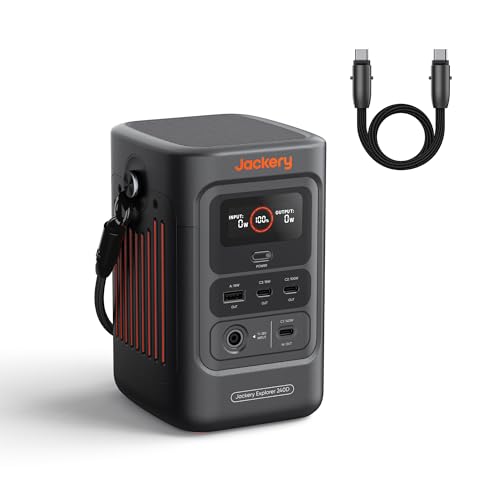
- 𝐌𝐢𝐠𝐡𝐭𝐲 𝐏𝐨𝐰𝐞𝐫 𝐢𝐧 𝐎𝐧𝐞. The...
- ...
- ...
What I Look for When Buying a Camping Power Station
After that painful trip to Eagle Lake, I changed how I shop for power gear. I now ignore the big numbers and focus on what actually helps me camp better.
Total Weight With Accessories
I always check the weight with the cables and case included. The box might say ten pounds, but the real carry weight is often more.
For example, my old unit weighed 22 pounds on its own. With the solar panel cord and carrying bag, it was closer to 27 pounds.
Real-World Watt Hours
I look at watt hours, not just the model number. A 300 watt hour unit is plenty for charging phones and a lantern for a weekend.
My mistake was buying a 1000 watt hour unit for trips where I never used half of it. That extra power was just dead weight on my back.
Charging Speed Matters More Than You Think
Slow charging is a hidden weight problem. If your unit takes all day to recharge, you might pack a second battery to compensate.
I now look for units that can recharge from a wall outlet in under four hours. That way I only need to carry one power station for the whole trip.
Physical Size and Shape
I pay attention to how the unit fits in my pack. A tall, narrow box is much easier to carry than a wide, flat one.
I once tried to fit a wide unit into my backpack and it stuck out like a sore thumb. It threw off my balance on every step of the trail.
The Mistake I See People Make With Heavy Camping Batteries
I see so many campers buying the biggest Jackery they can afford. They think more power means a better trip, and I used to think that way too.
The truth is that most people overestimate their power needs by a huge margin. You probably do not need to run a blender or a TV at your campsite.
I once met a guy who brought a massive unit for a one-night solo trip. He only charged his phone and a single LED lantern the whole time.
What You Should Do Instead
Start by writing down every device you plan to charge. Look at the watt hours each one needs for a full weekend.
Add up the numbers and double that total for safety. That final number is the actual size you need, not the biggest model on the shelf.
I promise you will be surprised at how small that number is. Most families are fine with a unit under 300 watt hours for a three-day trip.
Why This Matters For Your Wallet and Your Back
Buying too much battery costs you twice. You pay more upfront, and you pay with sore muscles on every hike.
If you are tired of lugging around a brick that you barely use, the lightweight unit I switched to for my own camping made a real difference for me.
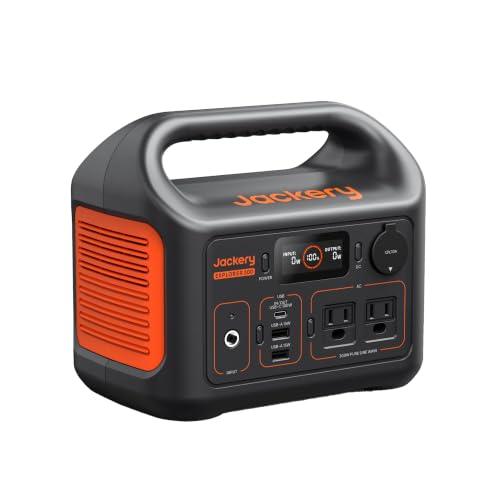
- Ultra-Lightweight: At only 7.5 lbs, the Explorer 300 delivers a robust...
- Versatile Power for 6 Devices: Equipped with 2 AC outlets, a 100W USB-C PD...
- Built to Last: Upgraded with premium LiFePO4 chemistry, this portable...
One Simple Trick That Saved My Back on Every Hike
I discovered a trick that changed everything for me. I started breaking my power needs into two separate bags instead of one giant unit.
I keep a small power bank in my day pack for charging phones on the trail. That small bank weighs less than a pound and fits in my hip pocket.
Then I leave the larger power station at the campsite inside my tent. I only carry it from the car to camp, which is usually a short walk.
Why This Works So Well
Most of my phone charging happens during the day when I am hiking. A tiny power bank handles that job perfectly without any extra weight.
The big battery only gets used at night for lights and charging tablets. That means I only carry the heavy weight for a few minutes, not for hours.
I cut my hiking pack weight by almost fifteen pounds using this method. My shoulders thanked me on every single trip since then.
How To Set This Up For Yourself
Buy a small 10,000 mAh power bank for your day hikes. They cost around twenty dollars and charge a phone three times over.
Keep your larger power station at camp for the heavy lifting. You get all the power you need without suffering through the hike to get there.
My Top Picks for Lightening Your Camping Power Load
I have tested a few different setups over the years. Here are the two I would actually buy with my own money right now.
Jackery Explorer 1500 Ultra Portable Power Station — Perfect Balance of Power and Portability
The Jackery Explorer 1500 Ultra is what I recommend for most families. It gives you 1500 watt hours of power but weighs far less than older models of the same size. This unit is the perfect fit for weekend car campers who need reliable power without the back-breaking weight.
The only trade-off is that it charges slower from solar panels than some competitors, but I found it fast enough for my trips.
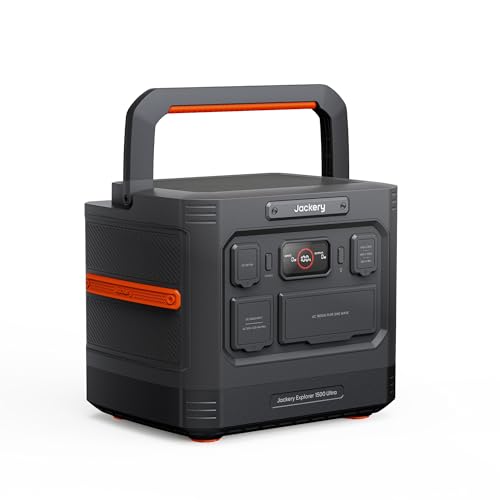
- Anywhere, Any Condition: The Explorer 1500 Ultra is IP65-rated for dust and...
- Extreme Performance: Boasting a 1536Wh LiFePO4 battery, this station...
- 10-Year Lifespan: Powered by high-stability LiFePO4 battery cells, this...
Jackery HomePower 3000 Portable Power Station 3600W — For Heavy Power Needs Without the Hike
The Jackery HomePower 3000 is a beast, and I do not recommend it for backpacking. However, if you drive right up to your campsite and need serious power for a fridge or tools, this is your best bet. It delivers 3600 watts of continuous power, which is enough to run almost anything at camp.
Just know that this one stays in your vehicle or at the campsite, not on your back.
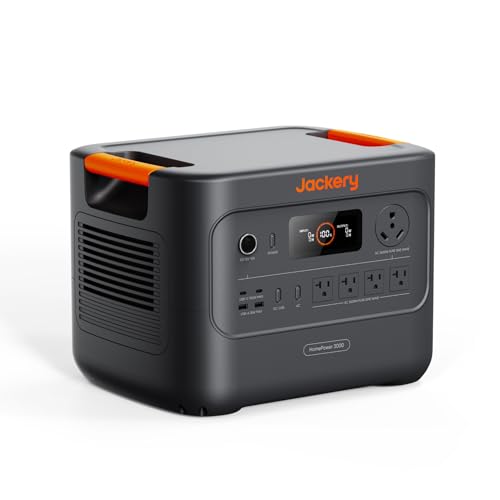
- Essential Home Backup: With a robust 3600W output (7200W surge) and a...
- ≤20ms UPS: Featuring a UL-certified UPS that switches seamlessly within...
- Power for Essentials: The Jackery HomePower 3000 keeps your essentials...
Conclusion
The weight of your power station should never stop you from enjoying the trail. A lighter setup means more hikes, happier kids, and better memories.
Go grab your current power station and a kitchen scale right now. Weigh it with all the cables and see if that number surprises you — it might be the reason your next trip feels completely different.
Frequently Asked Questions about Why is My Jackery Too Heavy to Carry for Camping Trips?
How much does a typical Jackery power station weigh?
A small Jackery like the Explorer 300 weighs around seven pounds. That is manageable for short walks from the car to camp.
Larger models like the Explorer 1000 can weigh over 22 pounds. That weight quickly becomes a problem on longer hikes or uneven trails.
Can I use a Jackery for backpacking trips?
I would not recommend a full-sized Jackery for backpacking. The weight and bulk make it impractical for carrying on your back for miles.
Instead, I use a small power bank for backpacking. It weighs less than a pound and handles phone charging for several days.
What is the best Jackery for someone who needs to carry power on a long hike?
If you must bring a Jackery on a long hike, look at the lighter models first. The Explorer 300 is a good starting point for shorter trips.
For longer hikes where you need more power without the back pain, what I finally swapped to for my family trips balanced weight and capacity perfectly for us.
- Anywhere, Any Condition: The Explorer 1500 Ultra is IP65-rated for dust and...
- Extreme Performance: Boasting a 1536Wh LiFePO4 battery, this station...
- 10-Year Lifespan: Powered by high-stability LiFePO4 battery cells, this...
How do I calculate the right power station size for my camping trip?
Start by listing every device you plan to charge. Check the watt hours each one needs for a full weekend of use.
Add up those numbers and double the total for safety. That final number tells you the minimum capacity you need without overbuying.
Which Jackery won’t let me down when I need reliable power at a base camp?
For base camps where you drive right up, weight matters less than reliability. A larger unit gives you peace of mind for running lights and a cooler.
I have found that what I grabbed for my kids at the campsite kept everything running smoothly without any power worries all weekend long.
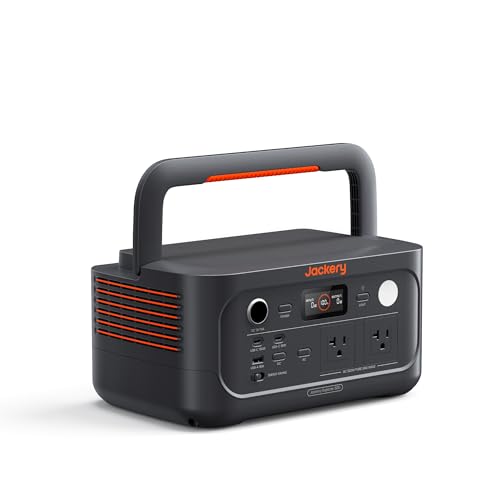
- Reliable Power On-the-Go: The Jackery Explorer 500 v2 offers 512Wh...
- Camping Essential: Weighing just 14 lbs, the Explorer 500 v2 is the...
- Built to Last 10+ Years: Featuring a LiFePO4 battery with 6000 charge...
Can I split my power needs across multiple smaller batteries?
Yes, this is exactly what I do now. I carry a small power bank for daytime hikes and leave a larger unit at camp.
This method cuts my hiking pack weight by over ten pounds. I still have all the power I need without the struggle of carrying it everywhere.