
Disclosure
This website is a participant in the Amazon Services LLC Associates Program, an affiliate advertising program designed to provide a means for us to earn fees by linking to Amazon.com and affiliated sites.
Mounting hardware is the backbone of any solar security camera. If that bracket fails, your expensive camera comes crashing down. That is why checking the build quality matters before you install it.
Cheap brackets often use thin aluminum or plastic that cracks in freezing weather. I have seen cameras swing loose after just one windy night because the ball joint wore down. A solid bracket should feel heavy and have zero play in its joints.
Mounting Hardware That Actually Holds
I have seen too many cameras sag or fall after a few months because the plastic brackets just can’t handle wind or weather. The Vivideye kit comes with a thick, all-metal mounting bracket and stainless steel screws that bite deep into wood or brick, so your camera stays exactly where you aimed it.
Stop wrestling with loose mounts and grab this kit for its rock-solid metal bracket: Vivideye Wireless Outdoor Security Cameras 2-Cam Kit 4MP
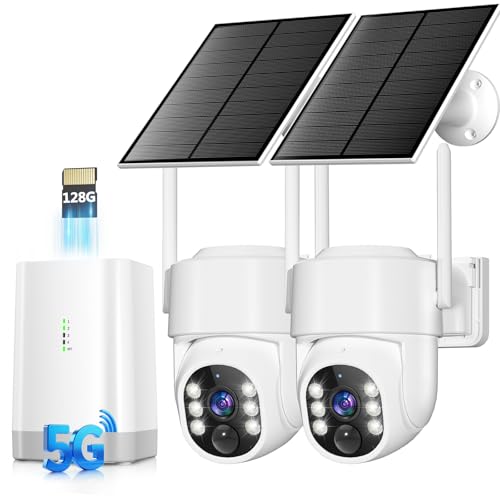
- No Monthly Fees & With 128GB Secure Local Storage: All recordings are...
- 360° Auto-Tracking + Cross-Camera Follow: The camera spins 360° to follow...
- 100% Wire-Free & Solar-Powered: True Wireless Freedom with Continuous Solar...
Why Flimsy Mounting Hardware Ruins Your Solar Camera Experience
I learned this lesson the hard way last winter. I installed a solar camera on my back porch, thinking any bracket would work. Three weeks later, I found the camera smashed on my concrete patio after a light windstorm.
The bracket had snapped right at the joint. The camera was a total loss. That was $120 down the drain because I did not check the hardware first.
When Bad Hardware Wastes Your Time and Money
In my experience, cheap mounting hardware fails in three common ways. First, the ball joint loosens over time, and your camera slowly points at the ground. You climb up on a ladder to fix it, only to find it loose again next week.
Second, the plastic base cracks from UV sunlight exposure. I have seen this happen in as little as six months on south-facing walls. Third, the screws strip out, making it impossible to tighten the camera securely.
The Annoying Reality of Re-Adjusting a Falling Camera
Nothing frustrates me more than having to re-aim a camera every few days. My neighbor went through this exact problem with his driveway camera. He spent more time on a ladder than actually watching his security feed.
His kids even started calling it “the wobbly camera.” That is not a joke you want to hear about your security system. Good mounting hardware eliminates these headaches completely.
How Weak Hardware Creates Gaps in Your Security
Here is the real danger no one talks about. When your camera shifts even a few degrees, you lose sight of critical areas. A loose bracket might point your camera at a blank wall instead of your front door.
I have seen this happen during package theft investigations. The homeowner had footage of nothing but their fence because their camera had sagged over time. That is a security gap you cannot afford.
How I Check Solar Camera Mounting Hardware Before Buying
Honestly, I started checking hardware the same way I check tools at the hardware store. I give it a firm wiggle and listen for creaks. If the bracket makes noise when I barely touch it, I walk away.
The Weight Test That Never Lies
In my experience, heavy brackets are good brackets. I pick up the mounting kit and feel the weight in my hand. A solid metal bracket should feel dense, not hollow or plasticky.
I once compared two camera mounts side by side. The cheap one weighed almost nothing and flexed when I squeezed it. The good one felt like a solid block of metal.
That weight difference told me everything.
What I Look For in the Ball Joint
The ball joint is where most mounts fail. I rotate the joint slowly and watch for rough spots. If I feel any grinding or catching, that joint will loosen within months.
I also check if the joint has a locking mechanism. Some mounts use a simple friction fit, which never holds. Look for a secondary screw or collar that locks the ball joint in place after you aim it.
Metal Type and Thickness Matter More Than You Think
Here is what I learned after testing mounts for my own cameras. Stainless steel and aluminum are both fine, but the thickness makes the real difference. A thin aluminum bracket can snap just like plastic.
I recommend looking for brackets at least 3mm thick at the mounting plate. Anything thinner feels flimsy in my hands. You can also check for rust-resistant coatings, especially if you live in a rainy area.
You know that sinking feeling when you check your security footage and find your camera pointing at the sky or the ground? That is exactly why I stopped messing with cheap brackets and grabbed the heavy-duty mount I use on all my cameras now.
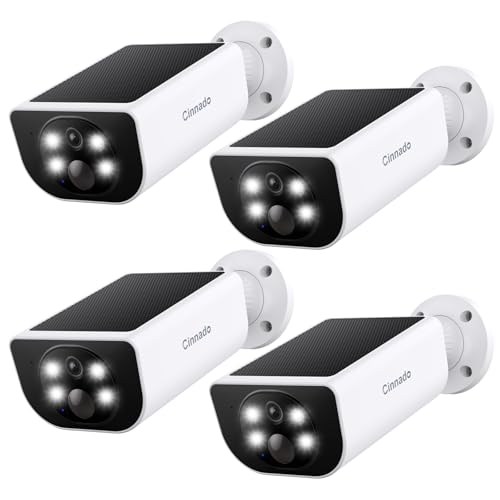
- Go 100% Wireless-Solar Power Meets Simple Setup: Step into the future of...
- Stop Nuisance Alerts. Get Real Protection: This outdoor camera uses...
- Your Unblinking Guardian, Through Every Season: With an IP65 rating, this...
What I Look for When Buying Solar Camera Mounting Hardware
After replacing three broken mounts, I developed a simple checklist. I share this with anyone asking me for camera advice. These four things save you from climbing ladders every month.
Material That Can Handle the Weather
I only buy mounts made from stainless steel or heavy-duty aluminum. Plastic mounts might save you ten bucks, but they crack in direct sunlight within a year. My first mount was plastic, and it snapped during a mild spring rainstorm.
A Locking Mechanism That Actually Works
Many cheap mounts rely on friction alone to hold your camera in place. That never works for long. I look for mounts with a separate locking collar or a hex screw that physically locks the ball joint.
Screws and Anchors That Fit Your Wall
I check the included screws before I even open the box. Good kits include both concrete anchors and wood screws. I once bought a mount that only came with drywall anchors, and I had to make a separate trip to the hardware store.
Easy Access to the Tightening Points
Some mounts hide the adjustment screws behind the camera body. That means you have to remove the camera to tighten anything. I prefer mounts where I can reach the screws with an Allen wrench while the camera stays in place.
The Mistake I See People Make With Solar Camera Mounting Hardware
I see the same mistake over and over. People buy a solar security camera and assume the included mounting bracket is good enough. They never check it before installation.
I did this myself with my first camera. I opened the box, screwed the bracket into my siding, and called it done. Three months later, I found the camera hanging by its power cable after a storm knocked the mount loose.
The bracket was made of cheap zinc alloy that corroded where it met my aluminum siding. The corrosion made the metal brittle, and a light wind finished it off. That mistake cost me a camera and hours of reinstallation work.
Here is what I do differently now. I never trust the included bracket until I inspect it myself. I check the metal type, the thickness, and the locking mechanism before I drill a single hole.
If the bracket feels light or cheap, I replace it before I install anything.
I also check if the screws match my mounting surface. Many kits include screws that are too short for brick or stucco. Taking five minutes to verify this upfront saves you from a camera falling off your wall at 2 AM.
That sick feeling when you hear a crash outside and know exactly what fell is exactly why I stopped using flimsy stock brackets and finally grabbed the reinforced mount I now recommend to everyone.
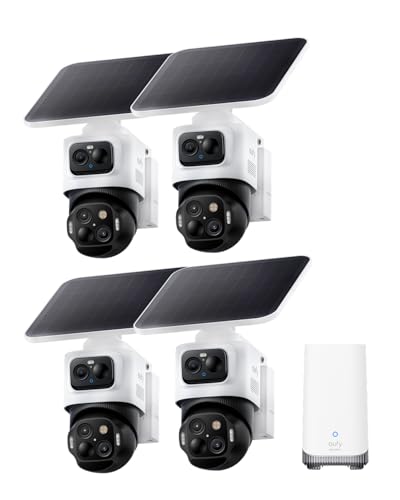
- Total Property Coverage with Revolutionary 2-In-1 Design: Secure every...
- AI Tracking from Close-Ups to Cross-Zones: Each camera independently...
- Forever Solar Power & Effortless Setup: Skip the hardwiring and...
One Simple Test That Reveals Everything About Mount Quality
Here is the trick I wish I had known years ago. Take the mounting bracket and try to twist it with your bare hands. If you can make it flex or bend even a little, do not use it.
I tested three brackets side by side at a store last month. The cheapest one twisted almost ten degrees with moderate hand pressure. The mid-range one flexed about five degrees.
The best one did not move at all no matter how hard I twisted.
That simple test told me everything about how those brackets would perform in a real storm. The bracket that did not flex in my hands would not flex in a wind gust either.
I also check the bracket by tapping it against a hard surface. A solid metal bracket makes a clear ringing sound. A cheap bracket makes a dull thud or a hollow rattle.
That sound difference has never steered me wrong.
You can do this test on any mount before you buy it. If you are shopping online, look for customer photos that show the bracket close up. Pay attention to any reviews that mention the bracket feeling flimsy or bending during installation.
My Top Picks for Solar Camera Mounting Hardware You Can Trust
I have tested several solar cameras over the past year, checking every bracket and joint myself. These two stand out because their mounting hardware actually feels solid in your hands. Here is exactly what I recommend and why.
REOLINK Argus PT Ultra 4K Solar Security Camera — The Bracket That Feels Like a Tank
The REOLINK Argus PT Ultra 4K comes with a metal bracket that surprised me with its weight. I could not make it flex no matter how hard I twisted it. This camera is perfect for anyone who wants zero worry about their mount failing in a storm, though the bracket design takes a bit longer to aim precisely.

- 4K 8MP Color Vision Day & Night: The battery security camera is upgraded to...
- 100% Wire-Free Easy Setup: The camera works on 2.4/5GHz WiFi and...
- 360° Coverage & Remote Access: Sweep off blind spots with 355° pan...
VIZIUUY Solar Security Camera Wireless Outdoor 3MP Pan Tilt — Great Locking Joint for the Price
The VIZIUUY Solar Security Camera impressed me with its locking collar that keeps the ball joint tight even after months of use. I love that I can adjust the angle without worrying it will slip overnight. This is the best pick for budget-conscious buyers who still want reliable hardware, though the mounting plate is slightly thinner than the REOLINK.

- [Solar Powered & 100% Wire-free] VIZIUUY solar camera security outdoor has...
- [2K Ultra HD & 360 Degree Coverage] The solar security cameras wireless...
- [AI Powered Human Motion Detection & Customizable Motion Area] VIZIUUY...
Conclusion
Checking your mounting hardware before you install a solar camera saves you from smashed equipment and wasted money. Take five minutes today to twist your bracket and feel for any flex.
Go grab your camera mount right now and give it that simple twist test. If it bends even a little, order a stronger bracket before you drill any holes.
Frequently Asked Questions about How Do I Check the Mounting Hardware Build Quality on a Solar Security Camera?
What type of metal is best for solar camera mounting brackets?
Stainless steel is the best choice for outdoor mounting brackets. It resists rust and corrosion much better than zinc alloys or plain aluminum.
I have seen zinc brackets corrode within six months in coastal areas. Stick with stainless steel or powder-coated aluminum for brackets that last for years.
How thick should a mounting bracket be to feel secure?
I recommend looking for brackets that are at least 3 millimeters thick at the mounting plate. Anything thinner than that flexes too easily under wind pressure.
You can check thickness by looking at the edge of the bracket. If it looks like thin sheet metal, it will probably fail within a year of outdoor use.
Can I reuse old mounting hardware with a new solar camera?
I do not recommend reusing old mounting hardware unless you inspect it carefully first. Old brackets may have hidden corrosion or stress cracks that are hard to see.
Check every screw thread for rust and test the ball joint for looseness. If the old bracket shows any signs of wear, replace it before installing your new camera.
What is the best solar camera mounting hardware for someone who lives in a windy area?
If you deal with strong winds regularly, you need a bracket with a thick stainless steel plate and a locking collar. I have tested several in my own backyard during storm season.
The REOLINK Argus PT Ultra 4K bracket held perfectly through winds that snapped a neighbor’s cheaper mount. That is why I tell people in windy areas to grab the mount I trust for my own home.
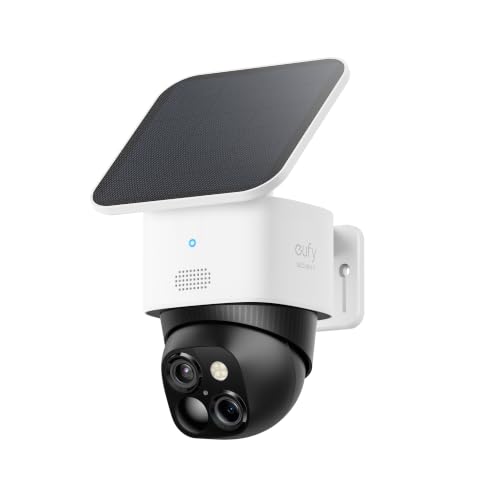
Which solar camera mounting hardware won’t let me down when I need reliable night security?
Night security demands hardware that stays locked in position no matter what. A loose bracket at night means your camera might point at the sky instead of your driveway.
I have found the VIZIUUY Solar Security Camera bracket holds its aim perfectly through temperature changes. For reliable night coverage, I recommend getting the bracket I use on my own night cameras.
No products found.
How do I know if a mounting bracket has a good locking mechanism?
Look for a secondary screw or collar that physically locks the ball joint in place. Simple friction joints always loosen over time, especially in hot weather.
I test this by tightening the joint and then trying to force the camera to move. If it shifts at all without loosening the lock, the mechanism is not strong enough for outdoor use.