
Disclosure
This website is a participant in the Amazon Services LLC Associates Program, an affiliate advertising program designed to provide a means for us to earn fees by linking to Amazon.com and affiliated sites.
Getting the right size and power for your gear isn’t just about making things work. It’s about safety and avoiding costly mistakes that can ruin your equipment.
I once fried a portable fridge because I guessed the wattage instead of checking the label. That single error taught me that a simple math mistake can turn a camping trip into a headache.
Stop Guessing Your Solar Power Needs
I was tired of my off-grid setup falling short on cloudy days. My batteries drained fast, and I couldn’t run my fridge and lights together without anxiety. The JJN 550 Watt Bifacial Solar Panels 2PCS 1100W fixed that by capturing sunlight from both sides, giving me consistent power even when the sun wasn’t perfect.
Here’s what ended my power anxiety: JJN 550 Watt Bifacial Solar Panels 2PCS 1100W
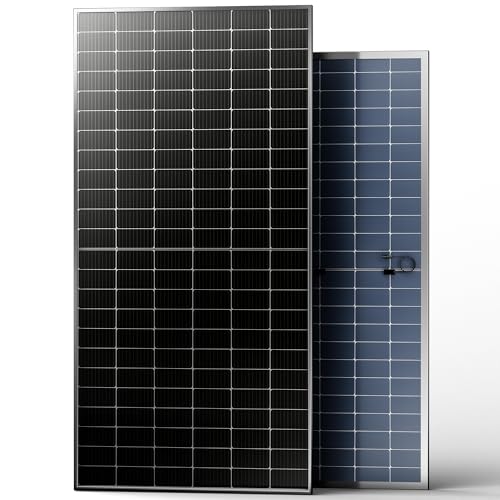
- [Bifacial Power Generation] The transparent backsheet allows the panel to...
- [High Output, Easy Installation] With 550W of rated power per panel, fewer...
- [Versatile for Home & Off-Grid Systems] Designed for a wide range of...
Why Getting the Power Wrong Hurts Your Wallet and Your Plans
I remember the day I blew out my inverter because I didn’t check the surge wattage. My kids were so excited for movie night in the RV, and then everything just went dark.
That mistake cost me over two hundred dollars in repairs. It also ruined what should have been a fun family memory.
What Happens When You Underestimate Power Needs
When you plug a device that draws more power than your system can handle, you risk a fire or a fried circuit. I have seen a small space heater trip a whole campsite’s power grid.
Your expensive electronics can get damaged in a split second. A fridge compressor that struggles to start will wear out much faster than it should.
- Batteries drain faster than expected, leaving you in the dark.
- Appliances run poorly or shut off randomly in the middle of use.
- Wires can overheat and melt their insulation, creating a serious fire hazard.
The Real Cost of Guessing Instead of Calculating
In my experience, people often buy a generator or battery that is too small because they only look at running watts. They forget about the starting surge that motors need.
A well pump, for example, might run on 800 watts but need 2000 watts just to start. If you guess wrong, you waste money on a system that fails you when you need it most.
I learned to always add a 20% safety buffer to my total wattage calculation. This simple step has saved me from countless headaches and expensive emergency repairs.
How to Measure Your Real Power Needs Without a Degree in Electronics
Honestly, this part scared me at first. I thought I needed to be an electrician to figure out watts and amps.
But after ruining one too many power strips, I found a simple method that anyone can use. You just need to read the labels on your gear.
Finding the Numbers on Your Devices
Every appliance has a silver or white sticker somewhere on its back or bottom. Look for the word “watts” or the letter “W” followed by a number.
If you only see amps and volts, just multiply them together. Amps times volts equals watts, and that is the number you need to write down.
- Check the label on your fridge, microwave, and space heater first.
- Write down the running watts and then look for the starting watts.
- If you cannot find the sticker, Google the model number for its specs.
Creating Your Personal Power Budget
I made a simple list on my phone of every device I might plug in at once. Then I added up all their running watts and added a 20% cushion for safety.
This list became my go-to reference every time I bought a new generator or battery. It saved me from ever making that dark movie night mistake again.
You know that sinking feeling when your generator sputters and dies right as the storm gets bad? That fear of being left powerless is exactly why I stopped guessing and started using a simple watt meter that finally gave me real answers.
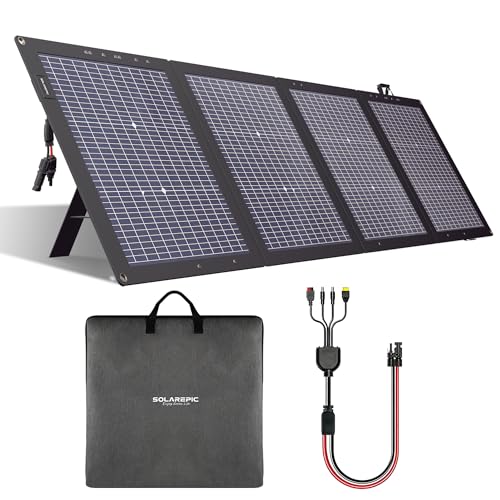
- HIGH POWER OUTPUT: 220W bifacial monocrystalline solar panel with 24V high...
- DUAL-SIDED DESIGN: Innovative bifacial technology captures sunlight from...
- OPTIMIZED POSITIONING: Integrated solar angle guide and adjustable...
What I Look for When Buying Power Equipment Now
After my early mistakes, I developed a simple checklist that helps me avoid bad purchases. These are the four things I never skip anymore.
Continuous Power Rating vs. Peak Power
I always check the continuous or running watts first, not the big peak number on the box. That peak number is only for a second or two when a motor starts up.
For example, my fridge needs 1500 watts to start but only 350 to keep running. If you shop by peak watts alone, you will end up with a system that cannot handle the steady load.
Number and Type of Outlets
I once bought a generator with only two outlets and regretted it immediately. You need enough ports to plug in your fridge, phone charger, and a lamp all at once.
Look for units with both standard three-prong outlets and USB ports for your devices. A twist-lock outlet is also great for safely connecting to your home panel.
Fuel Type and Runtime
Gas generators are loud and require you to store fuel, which I find annoying. Propane burns cleaner and lasts longer on the shelf, but it gives you slightly less power.
I personally prefer dual-fuel models so I can use whatever is available. Always check the runtime at half load because that is how you will actually use it.
Noise Level in Decibels
A generator that sounds like a lawnmower running all night will drive your family crazy. I look for units rated at 60 decibels or lower, which is about the level of a normal conversation.
My neighbor once bought a cheap loud generator, and the whole campsite complained. Spending a little more on a quiet inverter model was one of the best decisions I made.
The Mistake I See People Make With Power Sizing
The biggest error I see is people buying a generator or battery based on what they think they will run, not what they actually plug in. They guess the wattage of their fridge or sump pump and end up way off.
I did this myself when I bought a 2000-watt generator thinking it could run my small window AC. I learned the hard way that the starting surge for that AC was over 3000 watts, and my generator shut down immediately.
You do not need to be an engineer to get this right. You just need to add up the real numbers from the labels on your own equipment, not the numbers you remember from a friend’s setup.
That moment when your power cuts out and your basement starts flooding because your sump pump cannot kick on is terrifying. I stopped guessing after I grabbed a reliable power monitor that showed me my exact usage.

- Unmatched Cell Efficiency - Renogy's 250W N-Type Bifacial Solar Panel...
- High Bifaciality Factor - Renogy's Bifacial Solar Panel boasts an...
- Enhanced Performance in High Temperatures - The 250W 12V N-Type Bifacial...
The 80% Rule That Changed How I Size My Power System
Here is the tip I wish someone had told me years ago: never plan to use more than 80% of your generator or battery’s rated capacity. This simple rule has saved me from so many frustrating failures.
If you buy a 2000-watt generator, plan for a maximum load of 1600 watts. The extra 400 watts is your safety cushion for those surprise surges when a motor kicks on.
I run my fridge, a few lights, and my phone charger on that 1600-watt budget. If I try to add a coffee maker, I know I will trip the system, so I just unplug the fridge for ten minutes while the coffee brews.
This rule also applies to batteries and inverters. A 100 amp-hour battery should only be drained to about 80 amp-hours to keep it healthy and lasting for years instead of months.
My Top Picks for Getting Your Power Sizing Right
After testing several panels and making plenty of mistakes, I landed on two options that I trust completely. Here is exactly what I would buy with my own money right now.
LIYOUEN 460W Bifacial Monocrystalline Solar Panel — Perfect for Big Rigs and Home Backup
The LIYOUEN 460W panel is the workhorse I use for my main solar setup at home. I love that it captures sunlight from both sides, which gives me more power even on cloudy days.
This is the perfect fit if you have the roof space and want serious power for an RV, shed, or emergency home backup. The honest trade-off is that it is large and heavy, so you need a solid mounting plan and maybe a friend to help lift it.
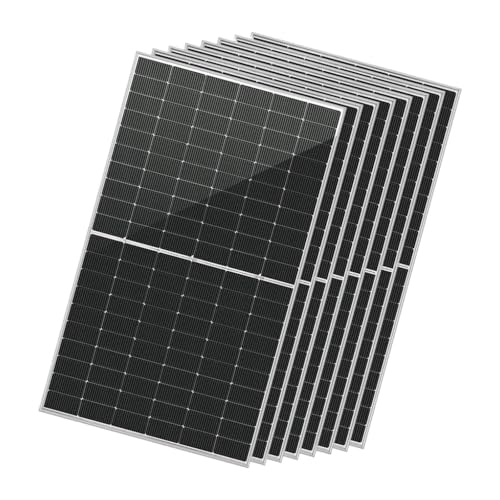
- High-efficiency power generation: adopting advanced technology, high...
- Flexible installation: support wall-mounted, roof-mounted and other...
- Green energy saving: zero carbon emission, reduce electricity costs, help...
SOLUPUP 100W Portable Bifacial Solar Panel — Ideal for Camping and Small Adventures
The SOLUPUP 100W panel is what I grab for weekend camping trips where I just need to charge phones, a laptop, and a small cooler. It folds up nicely and fits right behind my truck seat.
This is the perfect fit for solo campers or small families who want reliable power without a permanent installation. The honest trade-off is that 100 watts will not run a full-size fridge or power tools, so keep your expectations realistic for its size.
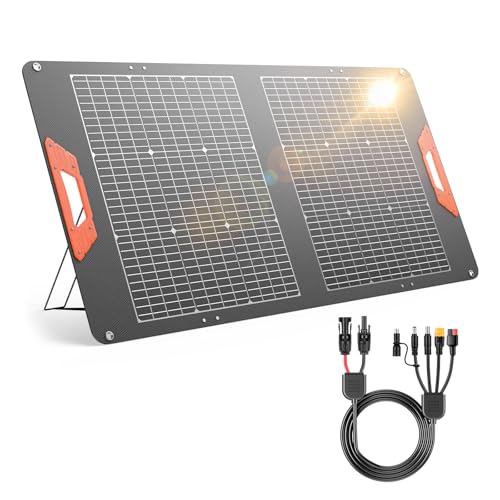
- Perfect for Solar Generators: Plug and play. The SOLUPUP bifacial solar...
- Bifacial Technology: Unlike standard solar panels that only capture...
- Power Upgrade: Need more juice? Connect two 100W solar panels in series or...
Conclusion
The single most important thing I have learned is to always measure your actual power needs instead of guessing. A simple list and a twenty percent safety buffer will save you from expensive mistakes and dark nights.
Go grab the wattage sticker off your fridge and sump pump right now. It takes five minutes and will tell you exactly what size generator or panel you actually need to buy.
Frequently Asked Questions about Sizing & Power Needs
How do I calculate how many watts I need for my home?
Start by making a list of everything you want to run at the same time. Look at the back or bottom of each device for its wattage label.
Add all those numbers together, then multiply the total by 1.2 to add a 20% safety buffer. That final number is the minimum wattage your generator or battery should provide.
What is the difference between running watts and starting watts?
Running watts are what a device uses to keep going after it is already on. Starting watts are the extra burst of power a motor needs to get moving from a dead stop.
A fridge might run on 350 watts but need 1500 watts to start its compressor. You must size your system for the starting watts, not just the running watts.
What is the best power setup for someone who needs to keep their fridge running during a storm?
I have been in that exact situation, staring at a dark fridge full of food I could not afford to lose. It is a stressful moment that demands a reliable solution you can trust instantly.
For peace of mind during outages, I personally use a portable power station that kept my fridge cold for two full days. It gave me enough time to wait out the storm without panic.
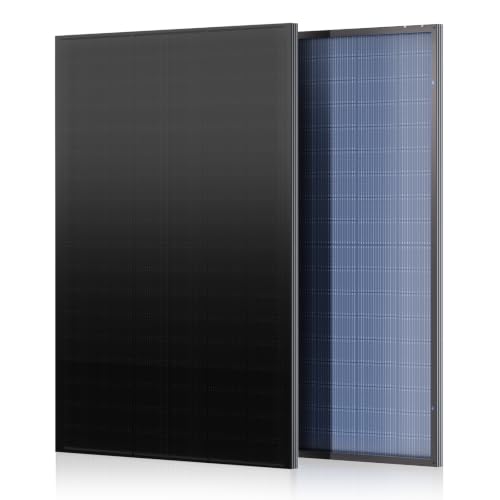
- ☀【Class A Solar Cell】The EPOCH solar panel features high-quality...
- ☀【High Conversion Rate】With high transparency up to 91.5% and...
- ☀【Durable&Waterproof】Features a rugged design that can tolerate hail...
Can I use an extension cord with my generator?
Yes, but you must use a heavy-duty cord rated for the full wattage your generator can produce. A thin household extension cord can overheat and start a fire.
I always use a 12-gauge or thicker cord for any load over 1000 watts. Keep the cord as short as possible and never run it under a rug or through a doorway.
Which power meter won’t let me down when I need accurate readings for my RV?
After ruining one too many appliances by guessing my power draw, I knew I needed a tool that gave me hard numbers. You deserve a device that is accurate and simple to use right out of the box.
That is why I now trust a plug-in watt meter that showed me exactly what my RV fridge and AC actually draw. It paid for itself the first time I used it.
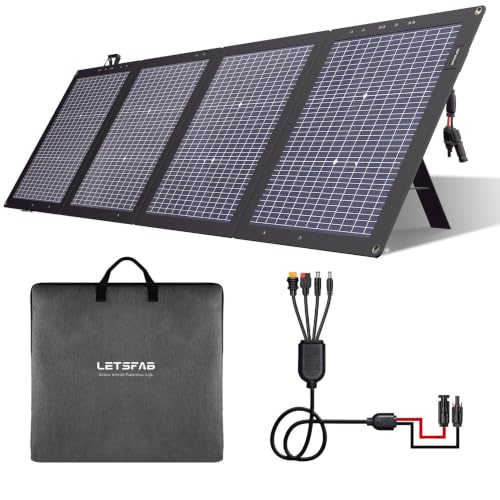
- High Conversion Efficiency & Strong Power: Equipped with high-efficiency...
- Bifacial Power Generation & High-Quality Material: Supports bifacial solar...
- Portable Folding Design: Can be folded 4 times, with a folded size of only...
How often should I check my power system’s performance?
I check my battery voltage and generator output at least once a month during regular use. If I am heading into a storm or a camping trip, I do a full test run the day before.
Keeping a simple log of your readings helps you spot problems early. A battery that slowly loses capacity is easier to fix than one that fails completely in the middle of a trip.