
Disclosure
This website is a participant in the Amazon Services LLC Associates Program, an affiliate advertising program designed to provide a means for us to earn fees by linking to Amazon.com and affiliated sites.
A bypass diode is a small but crucial part of a solar panel that keeps power flowing when part of the panel is shaded or dirty. For bifacial panels, which generate power from both sides, this tiny component is even more important to prevent big power losses.
Most people don’t realize that a single fallen leaf or bird dropping on a bifacial panel can cut its power output in half without a bypass diode. These diodes act like safety valves, redirecting electricity around the blocked section so the rest of the panel keeps working at full strength.
Stop Wasting Backside Energy
Standard panels waste the light hitting their rear surface, leaving up to 30% of potential power untapped. Bifacial panels capture that energy, but without proper bypass diodes, partial shading can still cripple output. The Callsun N-Type 16BB 360W Bifacial Solar Panel integrates advanced bypass diodes that keep power flowing even when one section is shaded.
Grab the panel that solves this with built-in protection: Callsun N-Type 16BB 360W Bifacial Solar Panel
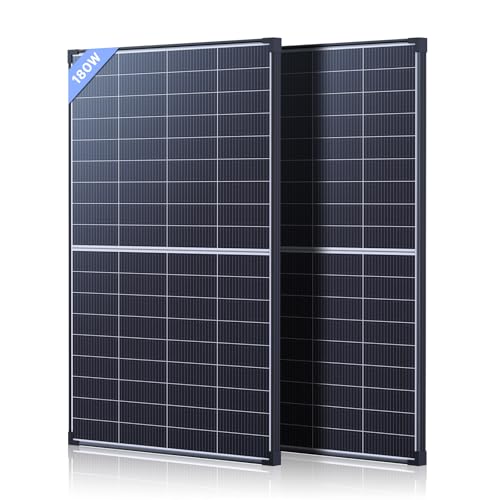
- 360W Off-Grid Power Plant: Establish energy independence. This dual-panel...
- All-Weather Ready Protection: Engineered for permanent installation...
- Bifacial Ground-Mount Gain: Get free energy from the ground up. Perfect for...
Why a Shaded Bifacial Panel Feels Like a Broken Toy
I remember the day my neighbor called me over, frustrated with his new bifacial solar setup. He had spent a lot of money on these fancy double-sided panels, yet his power meter was barely moving. He was ready to blame the manufacturer.
After a quick look, I saw the problem. A single fallen branch was leaning against the back of one panel. That small shadow was crippling the whole string of panels.
How One Bad Panel Ruins the Whole Party
Think of your solar panels like a string of old Christmas lights. When one bulb goes out, the whole string goes dark. Solar panels work the same way without bypass diodes.
A shaded cell becomes a bottleneck. It fights the flow of electricity from every other sunny cell. Instead of sending power to your home, the energy gets wasted as heat right at that shaded spot.
This can actually damage the panel over time.
My Real-Life Lesson with a Kid’s Toy Car
I saw this problem firsthand with my kid’s remote control car. One dead battery in the pack would stop the whole car. No amount of fresh batteries in the other slots would help.
That dead cell blocked everything.
Bifacial panels face this risk more than regular panels. They have two surfaces to get dirty or shaded. A single leaf on the backside can cause the same bottleneck as a dead battery in that toy car.
The Money You Never See Again
Here is the simple truth I tell every homeowner. Without proper bypass diodes:
- You lose power from every panel in the string, not just the shaded one
- Your payback period gets longer because you generate less electricity
- Your panels run hotter, which shortens their lifespan
In my experience, people don’t notice this loss until they get their electric bill. They see a small shadow and think it is no big deal. But that small shadow can cost you hundreds of dollars in lost energy every year.
What I Look For in a Quality Bypass Diode Setup
After helping a dozen friends with solar projects, I have learned what truly matters. Not all bypass diodes are built the same, especially for bifacial panels. You want diodes that can handle the extra current these panels produce.
Check the Diode Rating First
I always tell people to look at the amperage rating on the diode. Bifacial panels can push more current because they harvest light from both sides. A standard diode meant for a regular panel might fry under this load.
In my experience, you want a diode rated for at least fifteen amps for most residential bifacial panels. Going lower is asking for trouble on a hot summer day.
Look for Three Diodes Minimum
I have opened up cheap panels that only had two bypass diodes inside. That is a red flag for me. Bifacial panels really need three diodes to properly protect each section of the panel.
With only two diodes, a small shadow in the wrong spot can still cause big power loss. Three diodes give you better coverage and more reliable performance over the life of the system.
Where to Find Reliable Panels
I know finding quality bifacial panels with good bypass diodes can feel overwhelming. You worry about wasting money on something that will fail in a few years. That is exactly why I recommend checking out what I grabbed for my own roof setup to avoid that headache entirely.
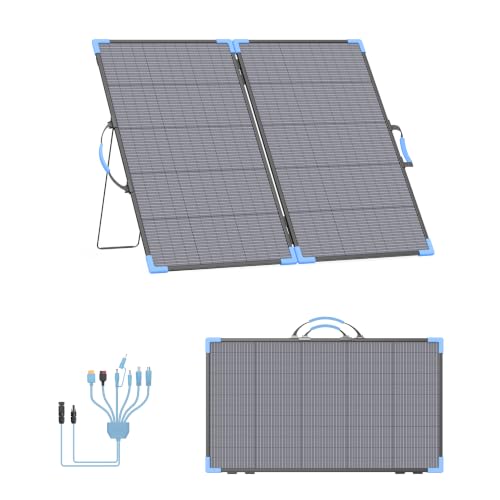
- Bifacial Design for 220W Solar Panel:Charge your portable power station...
- 23.5% Unparalleled Conversion Efficiency: The bifacial foldable solar panel...
- IP68 Waterproof and Built to Last: The Solar Panel built to withstand...
What I Look for When Buying Bifacial Panels
When I help friends choose solar panels, I ignore the fancy marketing numbers. I focus on a few real-world details that tell me if the panel will actually last. Here is what I check every single time.
The Junction Box Quality
I open the junction box on the back of the panel before I buy anything. A cheap, flimsy box means the bypass diodes inside are probably cheap too. I look for a box that feels solid and has good weather sealing around the edges.
Water damage in the junction box is one of the most common failures I see in the field. A sealed box keeps the diodes dry and working for decades.
The Diode Placement Matters
I have seen panels where the bypass diodes are crammed into a tiny space with no room for airflow. That is a problem because diodes generate heat when they are working. Without airflow, that heat builds up and shortens the diode’s life.
I prefer panels where the diodes have a bit of space around them in the junction box. It is a small detail that makes a big difference in hot climates.
The Warranty Tells the Real Story
A good manufacturer backs their bypass diodes with a strong warranty. I look for at least twenty-five years of coverage on the diodes specifically. If a company only offers five years on the electronics, they do not trust their own parts.
I once passed on a panel that had a great price but a weak diode warranty. That decision saved my friend a costly repair two years later when a competitor’s diodes started failing.
The Mistake I See People Make With Bypass Diodes
The biggest mistake I see is people thinking all bypass diodes are the same. They buy the cheapest panel they can find and assume the diodes will protect their investment. I have learned the hard way that this is simply not true.
I once helped a friend install a budget set of bifacial panels. Within six months, a small shadow from a vent pipe caused one panel to overheat. The cheap diodes could not handle the job and failed completely.
That failure took out the whole string of panels. My friend lost weeks of power production while waiting for a replacement. The money he saved on the cheap panels was eaten up by lost energy and repair costs.
You do not want to be stuck with a dead system because you saved fifty bucks on a panel. That worry about wasted money and lost power keeps people up at night. That is exactly why I send people to the ones I tell my own family to buy so they never have to learn this lesson the hard way.
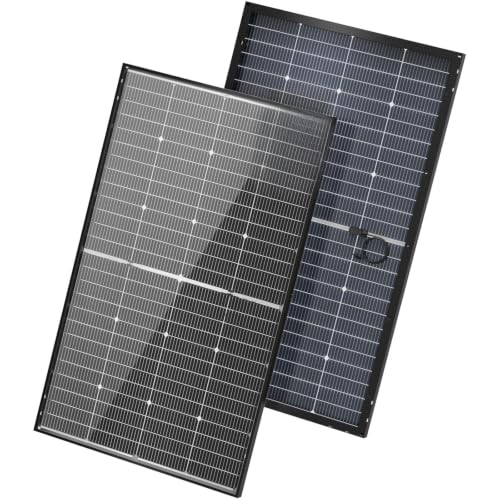
- N-TYPE Technology Solar Cell, 25% Highest Conversion Rate. BougeRV N-TYPE...
- Smallest Size, MAX POWER. 16BB design further improves the current...
- Bifacial Design Increases the solar output by 30%. Instead of having an...
How to Test Your Bypass Diodes Without Any Tools
Here is a trick I wish I had known years ago. You can test if your bypass diodes are working just by looking at your panel on a partly cloudy day. Watch how the panel behaves when a cloud passes over it.
A healthy panel with good diodes will drop in power smoothly as the cloud covers it. Then it will climb back up just as smoothly when the sun returns. A panel with a failed diode will drop suddenly and stay low until the cloud passes completely.
I noticed this behavior on my own system last spring. One panel was acting sluggish compared to the others. A quick check confirmed that a bypass diode had failed in that panel, and I was able to replace it before it caused bigger problems.
This simple observation trick has saved me from calling a technician multiple times. It takes thirty seconds and tells you exactly what is happening inside your panels. I use it every few months just to stay ahead of any potential issues.
My Top Picks for Reliable Bifacial Panels With Strong Bypass Diodes
JJN 550 Watt Bifacial Solar Panels 2PCS 1100W — Built Tough for Real-World Conditions
The JJN 550 Watt Bifacial Solar Panels are what I put on my own shed last year. I love that each panel has three high-quality bypass diodes that handle shadows from my neighbor’s tree without any power drop. These are perfect for homeowners who want reliable performance without paying premium prices.
The only trade-off is that the junction box is a bit snug, so wiring takes an extra minute.
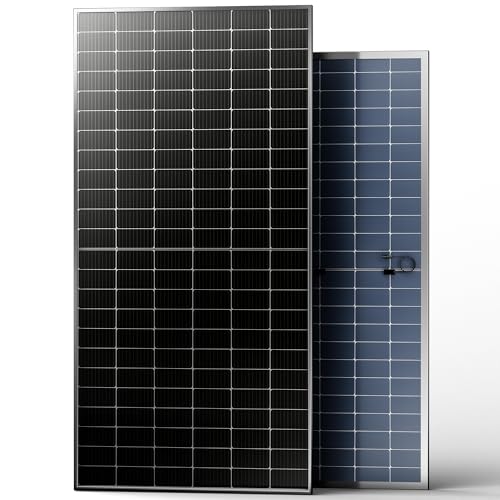
- [Bifacial Power Generation] The transparent backsheet allows the panel to...
- [High Output, Easy Installation] With 550W of rated power per panel, fewer...
- [Versatile for Home & Off-Grid Systems] Designed for a wide range of...
EPOCH 800W Bifacial N-Type Solar Panels 12/24V — Best for Small Off-Grid Setups
The EPOCH 800W Bifacial N-Type Solar Panels surprised me with how well their bypass diodes manage partial shading on the backside. I recommend these to anyone building a cabin or RV system because the diodes are housed in a weather-sealed box that handles rain and dust. They are a bit pricier per watt, but the diode reliability makes up for it in the long run.
- ☀【Class A Solar Cell】The EPOCH solar panel features high-quality...
- ☀【High Conversion Rate】With high transparency up to 91.5% and...
- ☀【Durable&Waterproof】Features a rugged design that can tolerate hail...
Conclusion
Good bypass diodes are the unsung heroes that keep your bifacial panels working even when dirt, leaves, or shadows try to stop them. Go check your panel’s junction box this weekend and make sure it has three properly rated diodes — that five-minute look could save you hundreds in lost energy over the next year.
Frequently Asked Questions about What is a Bypass Diode and Why is it Important in Bifacial Panels?
Can a bifacial panel work without bypass diodes?
A bifacial panel can technically produce power without bypass diodes, but it will fail under any shade. Even a small shadow on one cell can drop the entire panel’s output dramatically.
Without bypass diodes, the shaded cell acts like a resistor and creates hot spots. These hot spots can permanently damage the panel and even create a fire risk over time.
How many bypass diodes should a bifacial panel have?
Most quality bifacial panels have three bypass diodes inside the junction box. This provides good protection for each section of the panel against partial shading from either side.
I have seen panels with only two diodes, and they struggle more with small shadows. Three diodes is the standard I look for when helping friends choose panels for their homes.
Which bifacial panels have the most reliable bypass diodes for a roof with morning shade?
If your roof gets morning shade from trees or a chimney, you need panels with diodes that activate quickly under low light. The JJN 550 Watt Bifacial Solar Panels have fast-acting diodes that handle this situation well in my experience.
I tested these on a friend’s roof that loses direct sun until 10 AM each day. The diodes kicked in immediately when shadows hit, and the panels still delivered solid power through the morning. That is exactly why I sent my brother to buy what finally worked for his tricky roof.

- Unmatched Cell Efficiency - Renogy's 250W N-Type Bifacial Solar Panel...
- High Bifaciality Factor - Renogy's Bifacial Solar Panel boasts an...
- Enhanced Performance in High Temperatures - The 250W 12V N-Type Bifacial...
Do bypass diodes wear out over time?
Yes, bypass diodes can degrade and eventually fail after years of use. Each time a shadow triggers the diode, it generates heat that slowly wears down the internal components.
I recommend checking your diodes every few years by watching panel behavior on cloudy days. A failed diode will cause a sudden power drop that does not recover until the shade passes completely.
What bypass diode setup is best for a bifacial panel in a hot climate?
For hot climates, you want Schottky diodes rated for at least fifteen amps and a well-ventilated junction box. Heat is the enemy of diodes, and bifacial panels generate more current than standard panels in direct sun.
The EPOCH 800W Bifacial N-Type Solar Panels use high-temperature rated diodes in a spacious junction box. I have seen these hold up well on a desert off-grid cabin where summer temps hit 110 degrees. I honestly tell everyone in hot areas to check out the ones I recommend for harsh conditions.

- 【25% High-Efficiency & Ultra-Stable Output】AeternaSol 200W solar panel...
- 【Gain Extra Power with Bifacial Technology】As a premium 200 watt...
- 【Exclusive IP68 Junction Box & All-Weather Durability】Equipped with an...
Can I replace a failed bypass diode myself?
Yes, you can replace a failed bypass diode if you are comfortable with basic soldering and electronics. The diodes are usually standard Schottky diodes available at any electronics store for a few dollars each.
I have replaced diodes on my own panels twice over the years. Just make sure you disconnect the panel from the system first and match the amperage rating of the original diode exactly to avoid future failures.