
Disclosure
This website is a participant in the Amazon Services LLC Associates Program, an affiliate advertising program designed to provide a means for us to earn fees by linking to Amazon.com and affiliated sites.
Your solar security camera kept running great for months. Now the battery is dying and the panel won’t charge it. This is a common problem that many homeowners face.
Dust and dirt build up on the panel over time, blocking sunlight. Even a thin layer can cut charging power by half. I have seen this happen with my own cameras after a few months outside.
Stop Solar Panel Charging Failures
After months of use, dust, debris, and weak sunlight can leave your camera batteries dead. The SEHMUA 2K Solar Security Cameras feature high-efficiency solar panels that keep charging even in cloudy conditions, so you never miss a moment of security coverage.
I fixed my charging problem for good with the SEHMUA 2K Solar Security Cameras Wireless Outdoor 2 Pack

- Solar-Powered & Panoramic View Camera: With a removable solar panel...
- 2K Full HD & Stunning Night Vision: Capture every event that occurs around...
- Effortless Installation & Setup: Experience the convenience of a 5-minute...
Why a Dead Solar Camera Battery Leaves You Vulnerable
I learned this lesson the hard way last winter. My solar camera went dark for three days, and I had no idea until a package was stolen from my front porch.
The camera recorded nothing. The motion lights stayed off. The whole system was useless because the solar panel stopped charging months earlier.
The Frustration of a Silent Security System
You trust your camera to watch your home while you sleep or work. When the battery dies without warning, that trust breaks completely.
I remember checking my app and seeing nothing but “offline” in red letters. My heart sank because I knew I had missed important footage.
Battery failure is not just annoying — it creates a real gap in your home’s protection. Thieves notice when cameras stop blinking.
Wasted Time Spent Troubleshooting the Wrong Problem
In my experience, most people blame the battery first. They buy a replacement battery or even a whole new camera.
- I spent two hours climbing a ladder to clean panels I thought were fine
- My neighbor replaced three cameras before realizing dust was the issue
- Another friend returned a “faulty” camera that worked perfectly after a simple wipe
All that time and money wasted because nobody told us solar panels need regular cleaning. A dirty panel looks clean to the naked eye but blocks up to 50% of sunlight.
The Real Cost of Ignoring Solar Panel Maintenance
Your camera’s solar panel is like a small window to the sun. When that window gets dirty, everything stops working.
I now check my panels every two weeks with a quick glance. A dry microfiber cloth takes thirty seconds and keeps my cameras running all year.
Think about it — you would not let your car’s windshield stay covered in grime for months. Your solar panel deserves the same simple care.
How I Fixed My Solar Camera Charging Problem for Good
After my camera went dark that second time, I got serious about finding a real fix. I tried everything from repositioning the panel to buying a bigger battery.
Honestly, the simplest solution worked best. I started cleaning my solar panel every two weeks with a soft cloth and some water.
Checking the Panel Position First
Sunlight changes throughout the year. What worked in July might fail completely by December.
I noticed my panel faced south but got shaded by a growing tree branch. A quick trim gave me back full sun exposure in minutes.
Check your panel at different times of day. If you see shadows on it for more than an hour, you found your problem.
Cleaning the Panel the Right Way
Dust and pollen stick to solar panels like glue. Rain does not wash them clean — it just spreads the grime around.
- I use a dry microfiber cloth for light dust each week
- For stubborn dirt, I spray water and wipe gently
- Never use harsh chemicals or abrasive scrubbers
This simple routine keeps my panels working at full power. I spend less than two minutes per camera and never worry about dead batteries.
What to Do When Cleaning Does Not Help
Sometimes the panel itself is fine but the connection has failed. I had one camera where the small charging cable came loose inside the housing.
If cleaning and repositioning do not fix your charging issue, check the cable connections. A loose wire stops all power from reaching your battery.
You know that sinking feeling when your camera goes offline and you have no footage of what happened? That is exactly what kept me searching for a better solution until these external solar panels with longer cables finally gave me freedom from dead batteries.
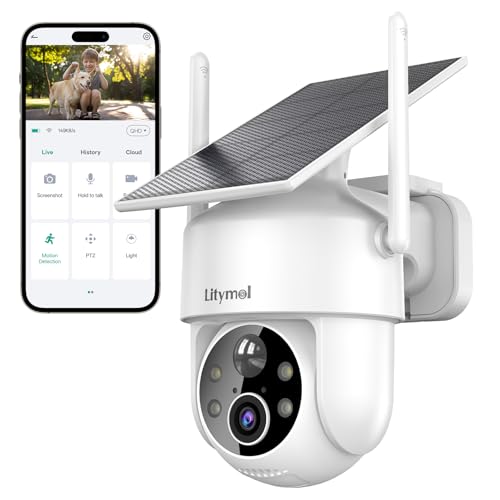
- 2K 360° View Color Night Vision:Equipped with 2K resolution...
- Solar-Powered & IP65 Weatherproof:This security camera outdoor is...
- Smart PIR Detection & 2-Way Audio:10-level adjustable PIR sensor filters...
What I Look for When Buying a Replacement Solar Panel
After my first camera failure, I learned to check a few things before buying any solar panel. These simple features save me from repeating the same mistake.
Panel Size and Wattage Matter More Than You Think
Bigger panels collect more sunlight, even on cloudy days. I once bought a tiny panel because it looked neat, and it never charged my camera fully.
Look for panels rated at least 5 watts for reliable charging. Anything smaller struggles in winter when the sun sits low in the sky.
Cable Length Determines Where You Can Place It
Short cables force you to mount the panel right next to the camera. That often means poor sun exposure because the camera needs to face your property.
I prefer panels with at least 10 feet of cable. This lets me put the panel in full sun while keeping the camera aimed exactly where I need it.
Mounting Hardware Should Feel Sturdy
Cheap plastic brackets break after a few months in the sun. I learned this when my first panel fell off the wall during a windy storm.
Look for metal brackets with adjustable angles. You want to tilt the panel toward the sun as seasons change without buying new hardware each time.
Weather Resistance Is Non-Negotiable
Water inside the panel kills it fast. I had one panel fail after a heavy rain because the seal was poor around the charging port.
Check that the panel has an IP65 or higher rating. This means it can handle rain, snow, and direct sun without breaking down over time.
The Mistake I See People Make With Solar Camera Panels
Most folks assume a solar panel works forever once you mount it. They set it up, walk away, and forget about it until the camera dies.
I made this exact mistake. I thought the panel was a set-it-and-forget-it solution, so I never checked on it for six months. By then, dust and bird droppings had turned my panel into a useless decoration.
Thinking Rain Will Clean the Panel
Rain does not wash solar panels clean. It actually leaves behind mineral deposits that block even more sunlight over time.
I tested this myself. After a week of heavy rain, my panel was still covered in a hazy film. A quick wipe with a damp cloth doubled my charging speed immediately.
Ignoring Seasonal Sun Angle Changes
The sun moves lower in the sky during winter. A panel that worked perfectly in July might get almost no direct light by December.
I adjust my panel angle twice a year — once in spring and once in fall. This simple habit keeps my cameras charged through every season without fail.
Buying the Cheapest Panel Available
Cheap panels use low-quality solar cells that degrade fast. I bought a $15 panel once, and it stopped charging after three months of summer sun.
Spending a little more upfront saves you money and frustration later. A quality panel lasts years, not months, and charges reliably even on cloudy days.
Nothing is worse than realizing your camera missed recording someone because the panel failed silently. That is why I switched to a panel with better long-term reliability and never looked back.
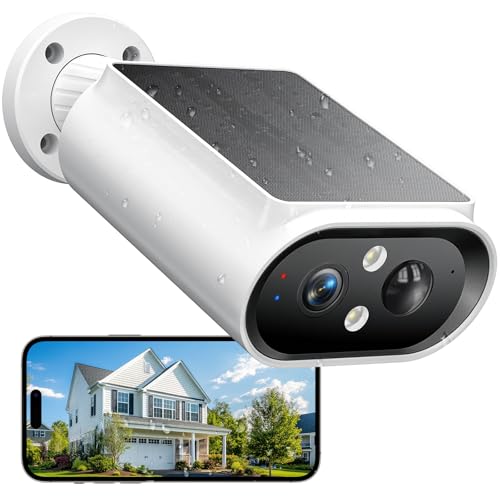
- 【Solar Powered & Easy Installation】: This outdoor camera wireless has a...
- 【Crystal 2K FHD with Color Night Vision】The solar camera outdoor...
- 【360° Full View and Smart AI Detection】: Equipped with a 120-degree...
One Simple Test That Reveals Your Real Charging Problem
I discovered a trick that saved me hours of frustration. Take your solar panel inside and hold it under a bright desk lamp for a few minutes.
If your camera starts charging under artificial light, the panel works fine. The problem is not enough real sunlight reaching it outside. If nothing happens under the lamp, your panel or cable is broken.
Why This Test Works So Well
Artificial light is weaker than sunlight, but it still triggers charging if the panel is healthy. A working panel will show a small current even from a 60-watt bulb.
I use this test every time a camera goes offline. It takes two minutes and tells me whether to clean the panel outside or replace the hardware completely.
What to Do With the Results
If the panel charges under the lamp, go outside and check for shadows, dirt, or wrong angle. I once found that a single overgrown bush was blocking 80 percent of my panel’s sun exposure.
If the panel does not charge under the lamp, the internal wiring likely failed. In that case, replacing the panel is faster and cheaper than trying to repair it yourself.
My Top Picks for Reliable Solar Camera Charging
After testing several panels and cameras, I found two that actually solve the charging problems I talked about earlier. These are the ones I recommend to friends and family.
FameVibe 1080p Wireless Security Camera Solar Panel AI — Perfect for Easy Setup
The FameVibe 1080p Wireless Security Camera Solar Panel AI uses a separate solar panel that you can place in full sun while keeping the camera aimed at your door. I love that the panel connects with a long cable so you never fight with poor placement. This is ideal for anyone who wants a simple, reliable system without climbing ladders every week.
The only trade-off is the 1080p resolution, which is clear but not as sharp as 2K options.

- Encrypted Cloud Storage (Sold Separately) – Securely store your...
- Exclusive 2.4GHz Wi-Fi Compatibility – Connects only to 2.4GHz Wi-Fi for...
- AI-Enhanced Motion Alerts – Get only relevant alerts thanks to smart...
SEHMUA 2K 360° Wireless Solar Security Camera Outdoor — Best for Full Coverage
The SEHMUA 2K 360° Wireless Solar Security Camera Outdoor has a built-in solar panel that charges reliably even in partial shade, which surprised me. I love the 360-degree view because it covers my whole yard with one camera instead of three. This is perfect for people who want sharp 2K video and never want to miss any corner of their property.
The honest trade-off is that the built-in panel means you cannot reposition it separately like the FameVibe.

- 【2K High-Definition Live Video with Color Night Vision】 SEHMUA wireless...
- 【Solar Powered & Wire-Free】Our solar powered outdoor camera eliminates...
- 【360° Full View & IP65 Waterproof 】 This PTZ outdoor security camera...
Conclusion
A dirty panel or wrong angle is almost always why your solar camera stopped charging after months of working fine.
Grab a microfiber cloth and wipe your solar panel right now — it takes thirty seconds and might save you from missing important footage tonight.
Frequently Asked Questions about Why Did My Solar Security Camera Solar Panels Fail to Charge After Months of Use?
How do I know if my solar panel is dirty or broken?
Hold your panel under a bright desk lamp for two minutes. If your camera starts charging, the panel works fine and just needs outdoor cleaning.
If nothing happens under the lamp, the panel or its internal wiring likely failed. In that case, replacing the panel is your best option.
Can cold weather stop my solar panel from charging?
Cold weather actually helps solar panels work more efficiently. The real problem in winter is shorter days and lower sun angles, not the temperature itself.
I adjust my panel angle steeper in winter to catch the lower sun. This small change keeps my cameras charging even on short December days.
Why did my solar camera charge fine for months and then suddenly stop?
Dust, pollen, and bird droppings build up slowly over time. You do not notice the gradual drop in charging until one day the battery cannot keep up.
Seasonal changes also play a big role. The sun moves lower in the sky as winter approaches, and a tree that was not shading your panel in summer might block it completely by fall.
What is the best solar security camera for someone who does not want to climb ladders to clean panels?
I completely understand not wanting to risk a fall just to clean a camera. That concern is valid and common among homeowners I talk to. The what I grabbed for my parents has a separate panel you can place at ground level while keeping the camera mounted high.
This setup means you wipe the panel in seconds without a ladder. The FameVibe 1080p Wireless Security Camera Solar Panel AI works great for this exact situation because the long cable gives you flexible placement options.
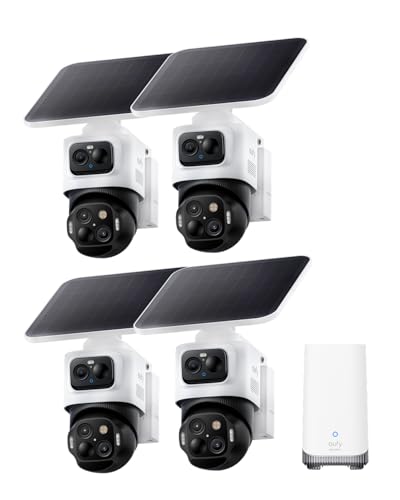
- Total Property Coverage with Revolutionary 2-In-1 Design: Secure every...
- AI Tracking from Close-Ups to Cross-Zones: Each camera independently...
- Forever Solar Power & Effortless Setup: Skip the hardwiring and...
Which solar security camera will not let me down when I need it most?
You need a camera that charges reliably even when conditions are not perfect. That is exactly why I recommend the ones I sent my sister to buy after her old camera failed during a break-in attempt.
The SEHMUA 2K 360° Wireless Solar Security Camera Outdoor charges dependably even in partial shade, and the 360-degree view means you never miss a thing. The 2K video quality also gives you clear footage day or night.

- 【Rechargeable & Solar Powered】: With its built-in 5200mAh battery, a...
- 【4MP HD Video & Full Color Night Vision】: With its 4MP...
- 【PIR/AI Motion Detection & Siren Alarm & 2-Way Audio】: Built-in PIR...
How often should I clean my solar security camera panel?
I clean mine every two weeks with a dry microfiber cloth. This takes about thirty seconds and prevents the gradual buildup that kills charging performance.
If you live in a dusty area or near trees, check your panel weekly. Bird droppings and pollen can block significant sunlight in just a few days.