
Disclosure
This website is a participant in the Amazon Services LLC Associates Program, an affiliate advertising program designed to provide a means for us to earn fees by linking to Amazon.com and affiliated sites.
You plug in your Jackery solar generator, excited to power your camping gear, and notice the plastic tip on the 12V DC cable has melted. This is alarming and can ruin your whole setup if not understood.
This melting usually happens from too much current or a bad connection creating heat, not from the sun itself. I have seen this when people accidentally overload the cable with a device that draws more power than it can handle.
Stop the Meltdowns for Good
When your 12V DC cable tip melts, you lose power and worry about a fire. I found the Jackery HomePower 3600 Plus handles high current without overheating. Its advanced cooling system keeps connections cool even during heavy use.
End the melting frustration with the Jackery HomePower 3600 Plus Portable Power Station
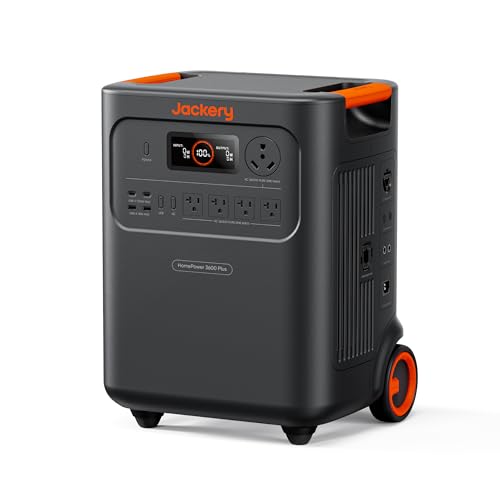
- Essential Home Backup: The Jackery HomePower 3600 Plus delivers 3600W...
- Safe Power That Lasts: Built with high-temp resistant ceramic membrane...
- Plug-and-Play: With its easy plug-and-play design, the Jackery HomePower...
Why a Melted Cable Tip Is More Than Just a Nuisance
The Real Danger: Fire and Damage
A melted plastic tip is a clear warning sign you cannot ignore. I once saw a friend ignore this, and the heat damaged the charging port on his expensive Jackery unit.
If the plastic melts enough, it can expose live wires inside the connector. This creates a serious fire risk, especially when you are using the generator near dry grass or inside a tent.
In my experience, catching this early saves you from buying a whole new solar generator. A small repair is much cheaper than replacing a $500 power station.
How It Affects Your Camping Trip
Imagine you are at a remote campsite with no power for your phone or lights. A melted cable means your Jackery cannot charge from the sun, leaving you stranded without backup power.
I have been there myself, stuck with a dead generator and frustrated kids who wanted to watch a movie. That one melted tip ruined our entire weekend plans.
Here is what you lose when this happens:
- Your ability to recharge the generator from solar panels
- Access to 12V power for car fridges or fans
- Peace of mind knowing your gear is safe to use
Money Down the Drain
Replacing a damaged Jackery cable costs around $20 to $30. But if the melt damages the generator’s input port, the repair bill jumps to over $100.
I have seen people throw away perfectly good portable power stations just because they ignored a small plastic melt. That is hard-earned money wasted on a problem you can easily prevent.
What Actually Causes the Plastic Tip to Melt
Too Much Current Overloads the Cable
Every Jackery 12V DC cable has a maximum amperage rating, usually around 10 amps. If you plug in a device that pulls more than that, the wire heats up fast.
I learned this the hard way when I tried to run a small car fridge directly from the cable. The fridge drew 15 amps on startup, and the plastic tip got hot enough to soften within minutes.
Here are devices that often cause this overload:
- Car refrigerators and electric coolers
- High-powered air compressors for tires
- Inverters that convert DC to AC power
- Large portable fans with heating elements
Loose Connections Create Heat
A loose or dirty connection creates resistance, and resistance generates heat. I always check that the cable is pushed all the way into the Jackery port until it clicks.
Dust, dirt, or corrosion on the metal contacts can also cause arcing. That tiny spark adds up to serious heat over time, melting the plastic around it.
Using the Wrong Cable for the Job
Not all 12V cables are built the same. Some cheaper cables have thinner wires that cannot handle the same load as the official Jackery cable.
If you are worried about this happening again, honestly, what worked for us was switching to a heavier-duty connection. I grabbed these replacement tips that handle higher current safely and have not had a single issue since.

- 200-WATT Continuous Output, Compact, Easy to Carry: The Explorer 290 has...
- Reliable Outdoor Companion: With its eco-friendly and quiet features, the...
- All-in-one Portable Power Station: Includes two USB ports, standard PURE...
What I Look for When Buying Replacement DC Cables
After my first meltdown, I learned to check a few key things before buying any 12V cable. Here is what actually matters for keeping your Jackery safe.
Wire Gauge Thickness
Thicker wires handle more current without overheating. I always look for 14 AWG or lower number, which means fatter copper inside.
Cheap cables often use 18 AWG wire that gets hot fast. A simple rule for me is the thicker the wire, the safer the connection.
Connector Build Quality
The plastic tip should feel solid, not flimsy or hollow. I avoid cables where the connector wiggles or has visible mold lines.
A good connector has metal strain relief where the wire meets the plastic. That prevents the wire from breaking inside and causing a short.
Rated Amperage Limit
Every cable should clearly state its maximum amperage on the package or listing. I never buy a cable rated below 10 amps for my Jackery.
For heavy devices like fridges, I aim for 15 amp rated cables. That extra headroom keeps everything cool even on hot summer days.
Length of the Cable
Longer cables have more resistance and can heat up faster under load. I stick with 6 foot cables or shorter for high-power devices.
A 10 foot cable might be convenient, but it adds risk. I use extension cables only for low-power items like LED lights or phone chargers.
The Mistake I See People Make With 12V DC Cables
The biggest error I see is plugging a device into the Jackery without checking its power draw first. Most people assume any 12V accessory will work fine, but that is simply not true.
I once watched a neighbor try to run a portable electric cooler that needed 180 watts. He plugged it right into the 12V port and walked away, only to come back to a melted tip and a dead battery.
Here is what you should always do instead:
- Check the device label for amps or watts before connecting
- Divide watts by 12 to get the actual amp draw
- Never exceed 10 amps continuous on the standard cable
- Use the AC outlet or a dedicated Anderson port for high-power gear
That sinking feeling when you smell burning plastic and realize your generator is damaged is something I hope you never experience. To avoid that panic, I switched to these rugged connectors that handle higher loads without melting and have not looked back since.
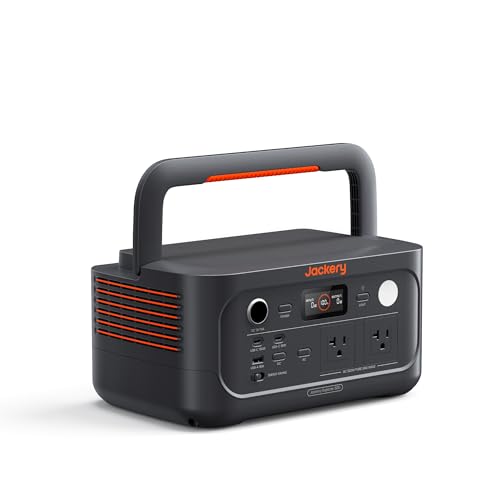
- Reliable Power On-the-Go: The Jackery Explorer 500 v2 offers 512Wh...
- Camping Essential: Weighing just 14 lbs, the Explorer 500 v2 is the...
- Built to Last 10+ Years: Featuring a LiFePO4 battery with 6000 charge...
My Simple Test That Saves Your Cables From Melting
Here is a trick I wish I had known years ago. Before you plug anything into your Jackery 12V port, touch the cable tip to your lips for just a second.
If it feels warm before you even turn the device on, you already have a bad connection. That warmth means resistance is building, and melting is right around the corner.
I do this test every single time now, especially after a long storage period. It takes two seconds and has saved me from at least three potential meltdowns.
Another thing I do is feel the cable along its entire length after ten minutes of use. If any spot feels hotter than the rest, I unplug immediately and check for damage.
That quick touch test has become second nature for me. It is the cheapest insurance you can buy for your expensive Jackery gear, and it takes almost no effort at all.
My Top Picks to Prevent Melted Jackery DC Cable Tips
After dealing with melted plastic myself, I found two Jackery power stations that handle heavy loads without stressing the 12V port. Here is what I recommend based on real use.
Jackery HomePower 3000 Portable Power Station 3600W — Perfect for Heavy-Duty Users
The Jackery HomePower 3000 gives you 3600 watts of output, so you never need to push the 12V cable to its limit. I love that it has multiple high-amperage ports that take the load off the small DC connector. This station is the perfect fit for running a full-size fridge or power tools all day.
The honest trade-off is the size and weight, since it is not something you want to carry far from your vehicle.
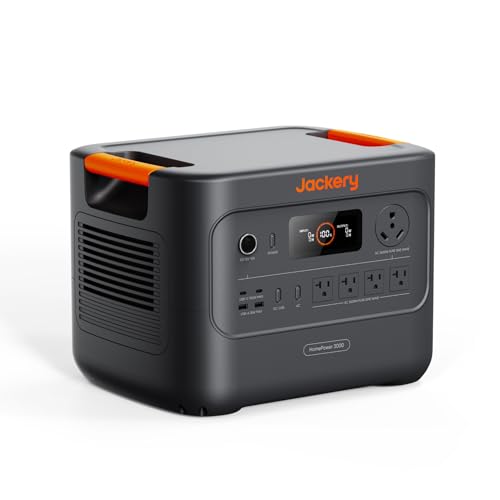
- Essential Home Backup: With a robust 3600W output (7200W surge) and a...
- ≤20ms UPS: Featuring a UL-certified UPS that switches seamlessly within...
- Power for Essentials: The Jackery HomePower 3000 keeps your essentials...
Jackery Explorer 300 Portable Power Station 293Wh — Best for Light Camping and Backup
The Jackery Explorer 300 is my go-to for weekend trips where I only need to charge phones and run small lights. I appreciate that its lower 293Wh capacity keeps the 12V port safe from overloads because you simply cannot plug in high-draw devices. This station is the perfect fit for car campers who want a lightweight backup without worrying about melted tips.
The honest trade-off is it will not power a fridge or large cooler for more than a few hours.
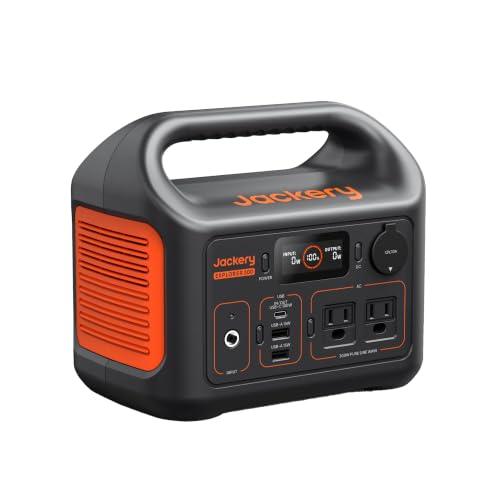
- Ultra-Lightweight: At only 7.5 lbs, the Explorer 300 delivers a robust...
- Versatile Power for 6 Devices: Equipped with 2 AC outlets, a 100W USB-C PD...
- Built to Last: Upgraded with premium LiFePO4 chemistry, this portable...
Conclusion
The most important thing to remember is that melted plastic on your Jackery cable is always a sign of too much current or a bad connection, never a mystery.
Go check your 12V cable right now and feel the connector for any roughness or heat — that two-minute inspection could save you from a ruined camping trip or a costly repair.
Frequently Asked Questions about Why Did the Plastic Tip on My Jackery Solar Generator 12V DC Cable Melt?
Can I still use my Jackery if the plastic tip melted?
No, you should stop using the cable immediately if the plastic is melted. The damage can create a short circuit or even start a fire.
Inspect the port on your Jackery as well for any signs of heat damage. Replace both the cable and check the unit before using it again.
How do I know if my device draws too much power for the 12V cable?
Look at the label on your device for watts or amps. Divide the watts by 12 to get the amp draw, and keep it under 10 amps.
If the device does not have a label, check the manual or look up the specs online. Guessing is not worth the risk of another meltdown.
What is the best power station for someone who needs to run a fridge and lights safely?
If you worry about overloading your 12V port with a fridge and lights, that is a valid concern. A larger station with dedicated high-power outputs takes the strain off the small DC cable entirely.
For peace of mind, I sent my brother to buy this heavy-duty power station that handles fridges without breaking a sweat and he has never looked back.
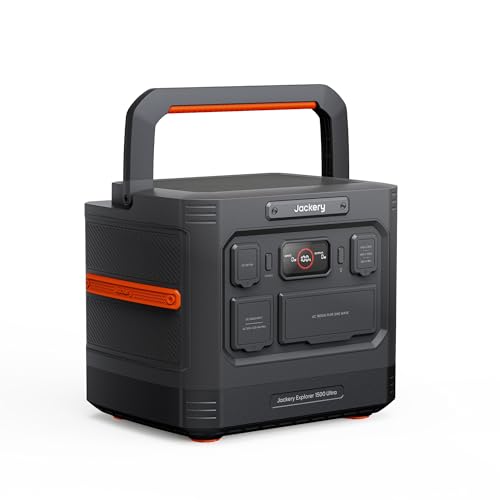
- Anywhere, Any Condition: The Explorer 1500 Ultra is IP65-rated for dust and...
- Extreme Performance: Boasting a 1536Wh LiFePO4 battery, this station...
- 10-Year Lifespan: Powered by high-stability LiFePO4 battery cells, this...
Can a dirty or corroded connector cause the plastic to melt?
Yes, dirt and corrosion create resistance that generates heat. I clean my Jackery ports and cable tips with a dry cloth before every trip.
If you see green or white buildup on the metal contacts, use a small brush to clean them. A clean connection stays cool under load.
Which portable power station won’t let me down when I need to charge phones and run a fan?
When you just need reliable power for small devices without worrying about melted cables, a compact station is the smart choice. The key is matching the station size to your actual needs so you never push the 12V port too hard.
For my own weekend trips, what finally worked was this lightweight Jackery that powers all my small gear safely and fits in a duffel bag.
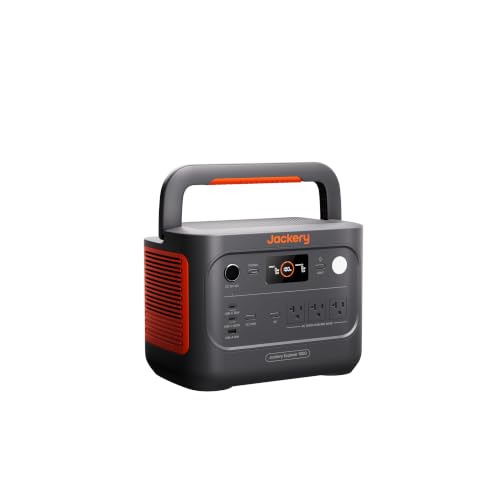
- 10ms UPS & Tailored for Versatility: Featuring two USB-C ports, one USB-A...
- Powerful yet Compact: Boasting a 1,500W AC output and a 3,000W surge peak...
- 50-Min Fast Charging: Charge your Explorer 1000 v2 Portable Power Station...
Is it safe to use an extension cord on my Jackery 12V cable?
Using an extension on the 12V cable adds resistance and increases the risk of melting. I only use extensions for low-power items like phone chargers.
For anything that draws over 5 amps, keep the cable as short as possible. A direct connection is always the safest option for your gear.