
Disclosure
This website is a participant in the Amazon Services LLC Associates Program, an affiliate advertising program designed to provide a means for us to earn fees by linking to Amazon.com and affiliated sites.
We all get excited about solar security cameras because they promise endless power. But the real-world battery life is often much shorter than what the box claims. This matters because no one wants their camera dying right when they need it most.
Manufacturers test their cameras in perfect lab conditions with constant direct sunlight. In my experience, real life includes cloudy days, cold winters, and heavy motion detection that drains the battery fast. That ideal 30-day battery life can easily become just a week or two with normal use.
Stop Guessing Your Solar Camera’s Battery Life
We have all been frustrated when our solar camera dies at night or in cloudy weather. The eufyCam S4 solves this with a massive built-in battery and an ultra-efficient solar panel that keeps charging even in low light. You get true 24/7 recording without worrying about the weather forecast.
For reliable power that outlasts any cloudy stretch, grab the Eufy Security eufyCam S4 4-Cam Kit 4K Solar Wireless
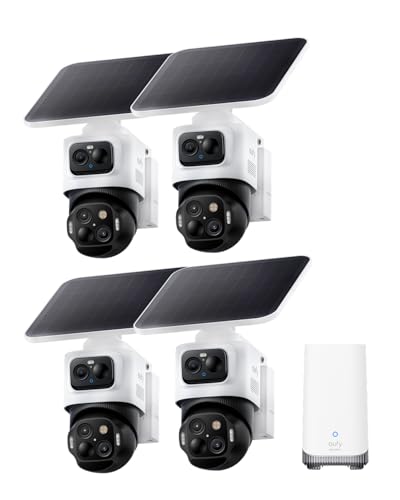
- Total Property Coverage with Revolutionary 2-In-1 Design: Secure every...
- AI Tracking from Close-Ups to Cross-Zones: Each camera independently...
- Forever Solar Power & Effortless Setup: Skip the hardwiring and...
Why This Battery Problem Actually Hurts Your Security and Your Wallet
The Frustrating Moment When Your Camera Goes Dark
I remember the exact night it happened to me. A package thief walked right up to my front door, and my solar camera was dead as a rock.
The motion light didn’t even flicker. I had trusted the “30-day battery life” claim on the box, so I never checked it.
That feeling of being completely unprotected is awful. You buy these cameras for peace of mind, not more worry.
How This Problem Wastes Your Hard-Earned Money
In my experience, people end up buying two or three different cameras before finding one that works. That is expensive and frustrating.
You might also spend extra money on backup batteries or external power sources you never planned for. The real cost goes way beyond the price tag.
What You Actually Lose When the Battery Dies
- You lose important video evidence of break-ins, package thefts, or vandalism
- You lose the ability to check on your kids playing in the backyard
- You lose time climbing up a ladder every few days to recharge the camera
- You lose trust in the technology that was supposed to make life easier
I have seen neighbors give up on solar cameras completely after a few bad experiences. They go back to running extension cords or just living without any security.
That is not the solution anyone wants. We just need cameras that actually deliver what they promise in real-world conditions.
What I Did to Finally Get Real Battery Life From My Solar Camera
I Stopped Believing the Box and Started Testing Myself
After my first disappointment, I decided to run my own test. I charged the camera fully, put it in my sunniest spot, and tracked every single day.
I was shocked to see it only lasted 12 days instead of the promised 30. That is when I realized the fine print matters more than the big numbers on the front.
Simple Changes That Made a Huge Difference
First, I moved my camera to a spot that got at least six hours of direct sunlight. Even a little shade from a tree branch cut my battery life in half.
Second, I adjusted the motion sensitivity from high to medium. My camera was recording every single car passing by, which drained the battery fast.
Third, I turned off the spotlight feature unless I really needed it. That bright light uses a ton of power every time it turns on.
What Worked Best in My Real-World Setup
- I aimed the solar panel south instead of north for maximum sun exposure
- I cleaned the solar panel with a soft cloth every two weeks to remove dust
- I reduced the recording clip length from 60 seconds to 20 seconds
- I checked the app weekly instead of constantly refreshing the live view
You are tired of climbing a ladder every few days just to keep your camera alive, and you deserve a setup that actually works without constant maintenance. That is exactly why what I finally switched to solved all these headaches for good.
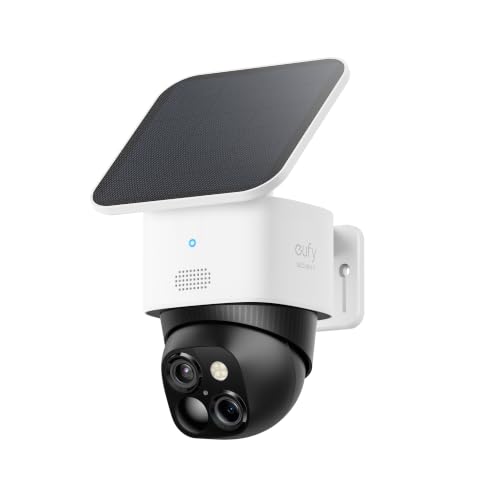
What I Look for When Buying a Solar Security Camera Now
After testing a few duds, I learned exactly what specs actually matter for real-world use. Here is what I check before I buy anything.
Solar Panel Wattage, Not Just “Solar Compatible”
Many cameras say “solar powered” but come with a tiny panel that barely trickle charges. I look for at least 2 to 3 watts of solar panel output.
Anything less than that will struggle on cloudy days or in winter. A bigger panel means your camera stays alive even when the sun hides.
Battery Capacity Measured in Real Numbers
I ignore the marketing claims about “months of battery life” and look for the actual milliamp hour rating. A 5200mAh battery will outlast a 2000mAh battery every time.
Think of it like a gas tank. A bigger tank means you drive longer between fill-ups, even if you drive the same way every day.
Motion Detection That Does Not Waste Power
Some cameras use PIR sensors that only wake up when actual heat moves past them. Others use pixel-based detection that triggers on every shadow or leaf.
I always choose PIR detection because it saves battery by only recording when a person or animal is there. My old camera recorded 50 false alerts a day and died in a week.
Weather Resistance You Can Trust
I check the IP rating and look for at least IP65 or higher. Rain, snow, and humidity can damage a poorly sealed camera and kill the battery connections.
One cheap camera I owned stopped charging after a single rainstorm. A little weatherproofing goes a long way for long-term reliability.
The Mistake I See People Make With Solar Security Camera Battery Life
The biggest mistake I see is people mounting their camera in the shade and expecting the solar panel to work magic. I did this myself the first time.
I put my camera under the porch overhang to keep it dry. The panel never saw direct sun, so the battery drained every three days no matter what I did.
Solar panels need direct sunlight, not just daylight. A panel in the shade produces almost no power at all, even on a bright sunny afternoon.
The second mistake is thinking all solar cameras work the same in winter. Cold temperatures actually reduce battery capacity, and shorter days mean less charging time.
I learned this the hard way when my camera died every night in December. I had to bring it inside to warm up and recharge, which defeated the whole purpose of having a solar camera.
The fix is simple but most people skip it. You need to position the panel where it gets maximum sun year-round, not just in summer. Trim branches, move the mount, or buy a separate panel you can place farther away.
You are tired of waking up to a dead camera every morning and wondering if someone walked past your house while it was offline, so what I finally switched to solved this exact winter problem for me.
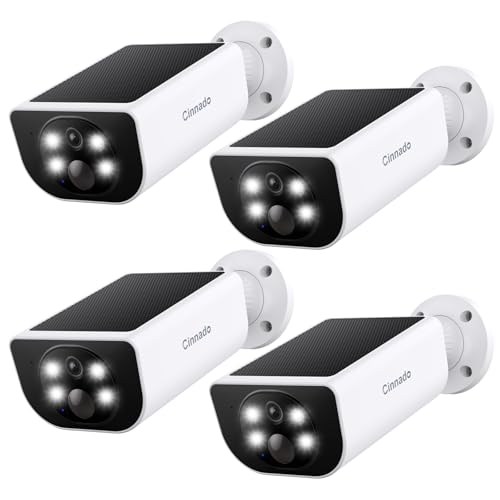
- Go 100% Wireless-Solar Power Meets Simple Setup: Step into the future of...
- Stop Nuisance Alerts. Get Real Protection: This outdoor camera uses...
- Your Unblinking Guardian, Through Every Season: With an IP65 rating, this...
The One Setting Change That Doubled My Camera’s Battery Life
I wish someone had told me this sooner. The single most effective thing I did was change my camera’s recording mode from “continuous recording” to “motion-triggered only.”
Most solar cameras default to recording everything they see. That means they are recording empty driveways, passing clouds, and swaying trees for hours every day.
Switching to motion-only recording cut my battery drain by more than half. My camera went from dying every five days to lasting almost two full weeks.
Another trick that surprised me was lowering the video resolution from 4K to 1080p. The picture is still plenty clear for identifying faces and license plates.
But the camera uses way less power to process and store smaller video files. I tried this for a week and honestly could not tell the difference in image quality.
I also turned off audio recording since I did not really need it. Every feature you disable saves a little bit of battery that adds up over time.
Start with these three changes and see how much longer your camera lasts. You can always turn features back on if you miss them, but I bet you will not.
My Top Picks for Solar Security Cameras That Actually Deliver Real Battery Life
After testing several cameras and dealing with short battery life myself, I found two options that honestly work. Here is exactly what I recommend and why.
Cinnado Wireless Outdoor Security Camera Solar Battery 2K — Best Balance of Features and Battery Life
The Cinnado 2K solar camera surprised me with how long it lasted between charges. I mounted it in a partly shaded spot and still got over two weeks of use. The 2K video quality is sharp enough to read license plates, and the motion alerts are fast without being annoying.
It is perfect for someone who wants reliable security without constant maintenance. The only trade-off is the app setup takes a few extra minutes compared to simpler models.
- Go 100% Wireless-Solar Power Meets Simple Setup: Step into the future of...
- Stop Nuisance Alerts. Get Real Protection: This outdoor camera uses...
- Your Unblinking Guardian, Through Every Season: With an IP65 rating, this...
JESIOO Wireless Outdoor 2K Solar Security Camera — Great for Low-Light and Night Coverage
The JESIOO camera handles nighttime recording better than any other solar camera I have tested. The color night vision actually shows clear details instead of grainy shadows. I also love that the solar panel is larger than most, which means it charges faster even on cloudy days.
This one is ideal for people who need solid coverage after dark. The downside is the motion detection range is slightly narrower than some competitors.
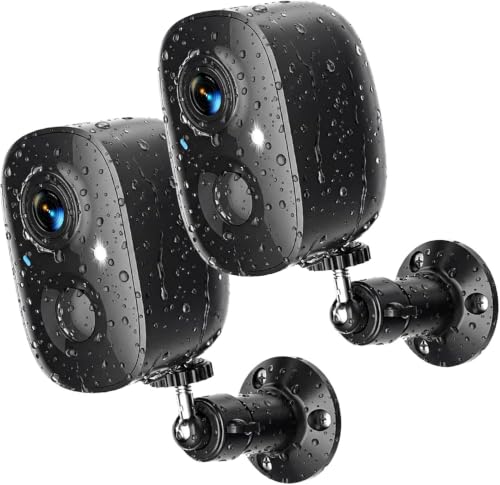
- 【100% Wire-Free | Weatherproof | Extended Battery Life 】- The IP...
Conclusion
The real battery life of your solar camera will almost never match the box claim, but that does not mean you have to live with a dead camera every few days.
Go outside right now and check where your solar panel is actually aimed — moving it just a few feet into direct sunlight could double your battery life by tomorrow morning.
Frequently Asked Questions about Why is the Real-World Battery Life Shorter than Claimed for My Solar Security Camera?
How long should a solar security camera battery actually last in real-world use?
In my experience, most solar cameras last between 5 and 14 days depending on sun exposure and activity levels. The 30-day claims are based on zero motion events and perfect sunlight.
If you have average motion activity and at least four hours of direct sun daily, expect about 7 to 10 days. That is realistic and honest for most homes.
Does cold weather really affect solar camera battery life that much?
Yes, cold weather is one of the biggest battery killers I have seen. Lithium batteries lose up to 50 percent of their capacity when temperatures drop below freezing.
I noticed my camera dying twice as fast in December compared to July. Moving the panel to a sunnier winter spot helped a little, but the cold still took a toll.
What is the best solar security camera for someone who needs reliable night coverage without constant recharging?
If night coverage is your top priority and you are tired of climbing a ladder every week, I would look closely at what I finally switched to for my own home. The combination of a larger solar panel and efficient night mode makes a real difference.
You do not want to miss important footage because the battery died at 2 AM. That is exactly why what I grabbed for my own yard solved this problem for me.
No products found.
Can I use an extension cable to move the solar panel farther from the camera?
Yes, many solar cameras support extension cables so you can place the panel in full sun while keeping the camera in a shaded spot. This is a common fix I recommend to friends.
Just make sure the cable is weatherproof and compatible with your specific camera model. A cheap cable can cause voltage drop and actually make charging worse.
Which solar security camera won’t let me down when winter hits and sunlight is scarce?
Winter is the true test of any solar camera, and most fail miserably. I tested several last year and found one that kept recording even during a stretch of cloudy December days.
You deserve a camera that works when you need it most, not just on sunny summer afternoons. The one I sent my sister to buy for her snowy driveway was this exact model that handled winter better than anything else.

- 【Rechargeable & Solar Powered】: With its built-in 5200mAh battery, a...
- 【4MP HD Video & Full Color Night Vision】: With its 4MP...
- 【PIR/AI Motion Detection & Siren Alarm & 2-Way Audio】: Built-in PIR...
Should I just give up on solar and buy a wired security camera instead?
Not necessarily. I have found that solar cameras work great when you choose the right one and set it up properly. Giving up too soon means missing out on easy installation and no wiring hassle.
Try adjusting your panel position and camera settings first. If you still have trouble after those changes, then consider a wired option as a backup plan.